

Concrete
Coating Articles


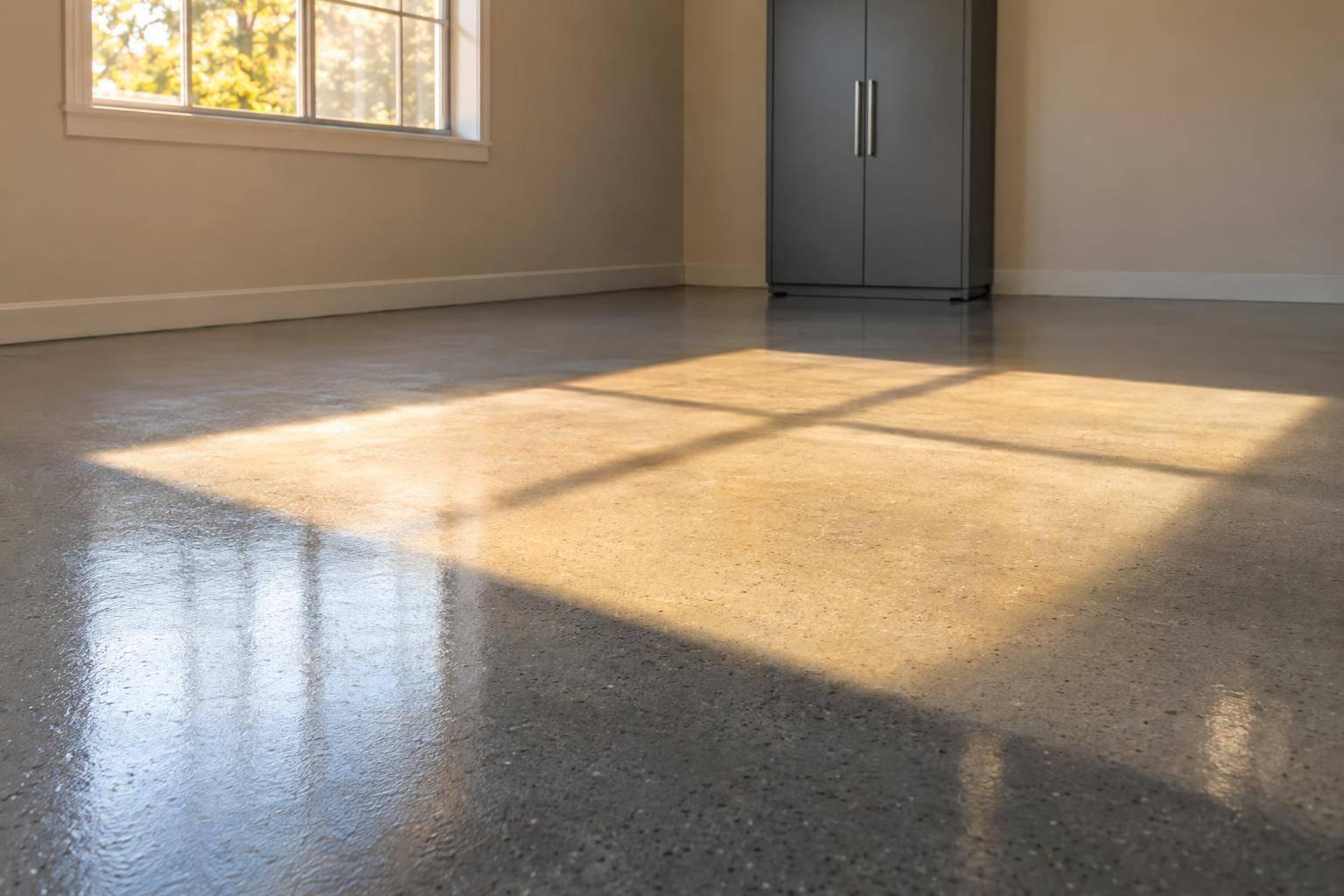
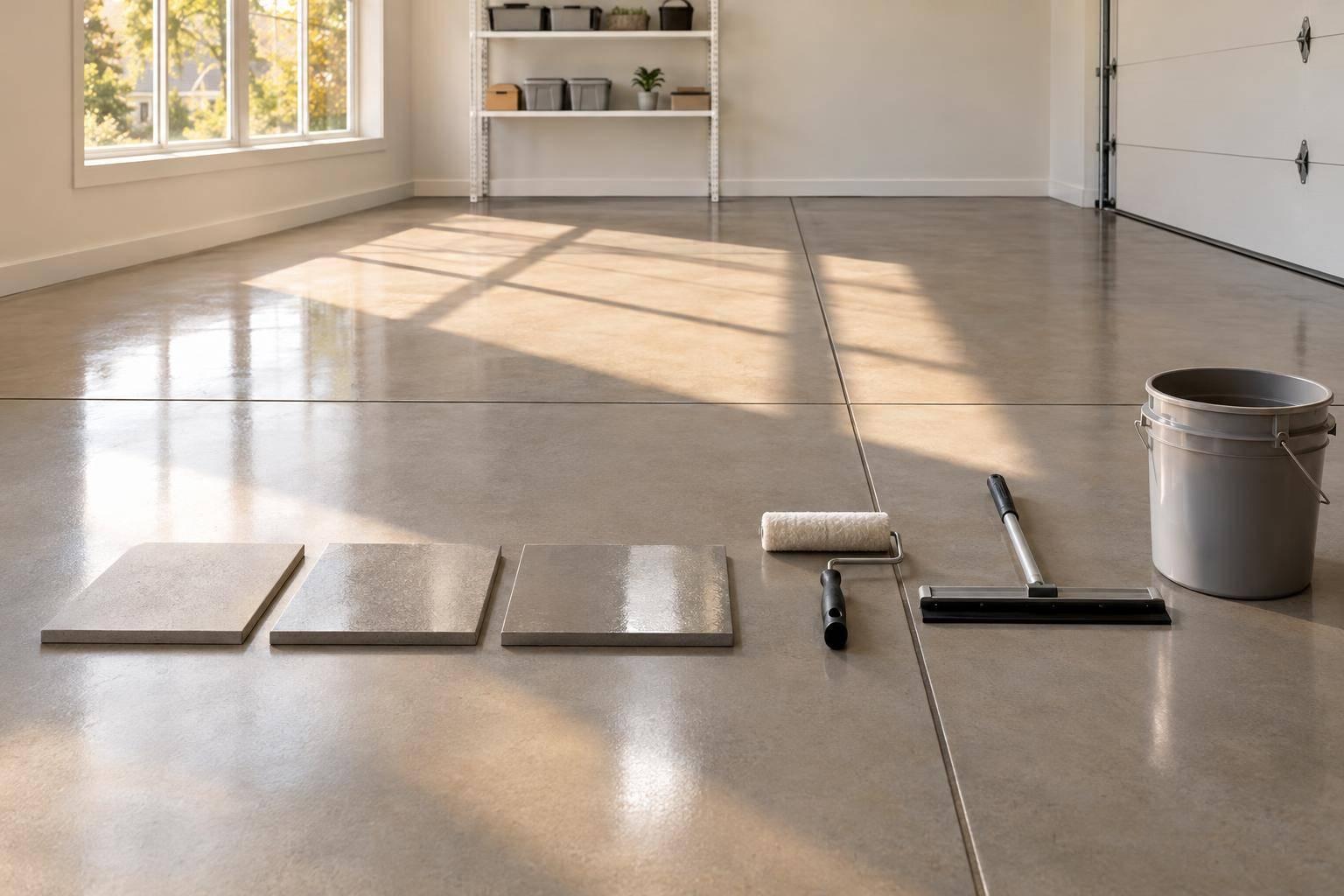
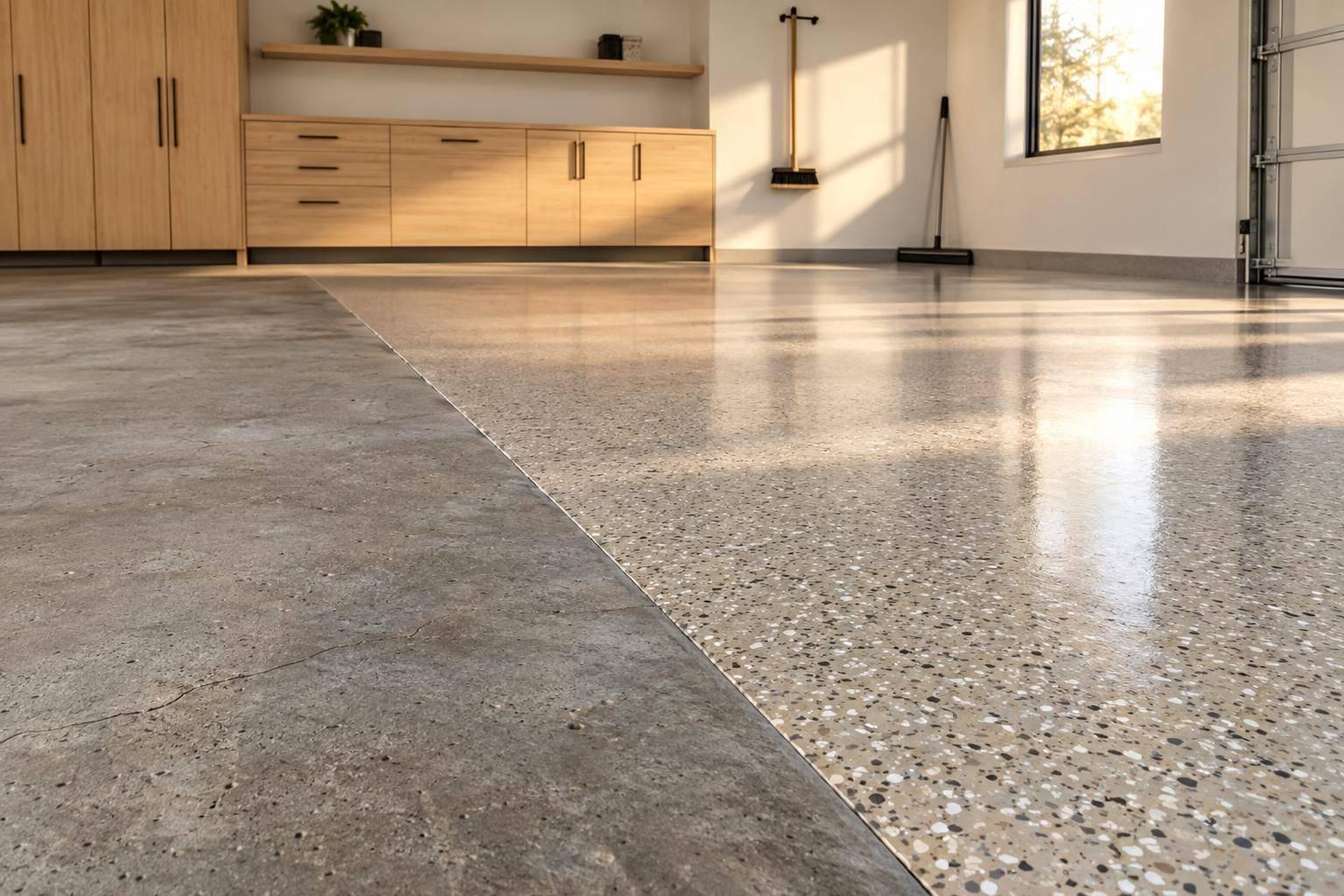
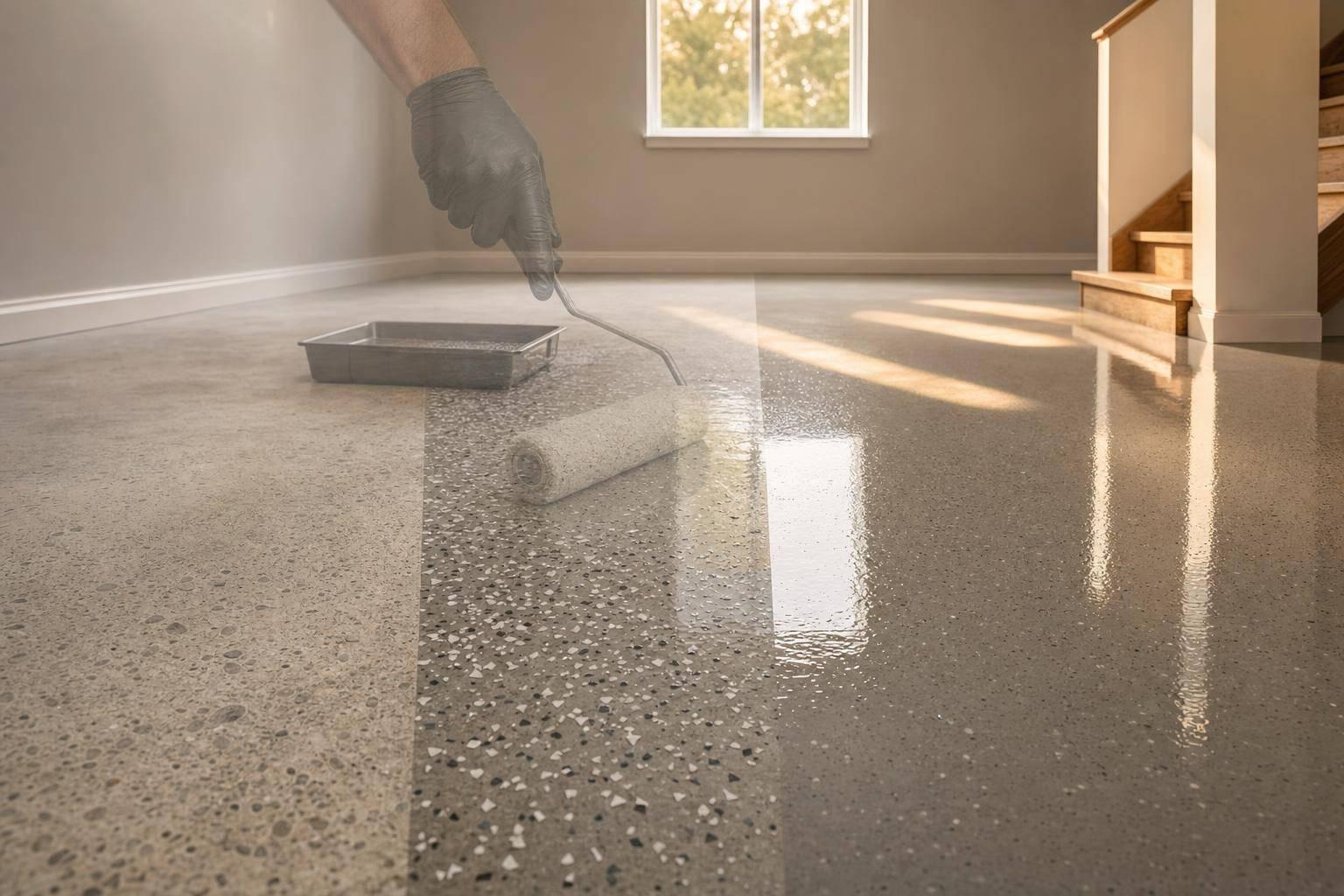
Grind to CSP 3–4, repair defects, use primer only when needed, then apply basecoat, broadcast chips, and topcoat.
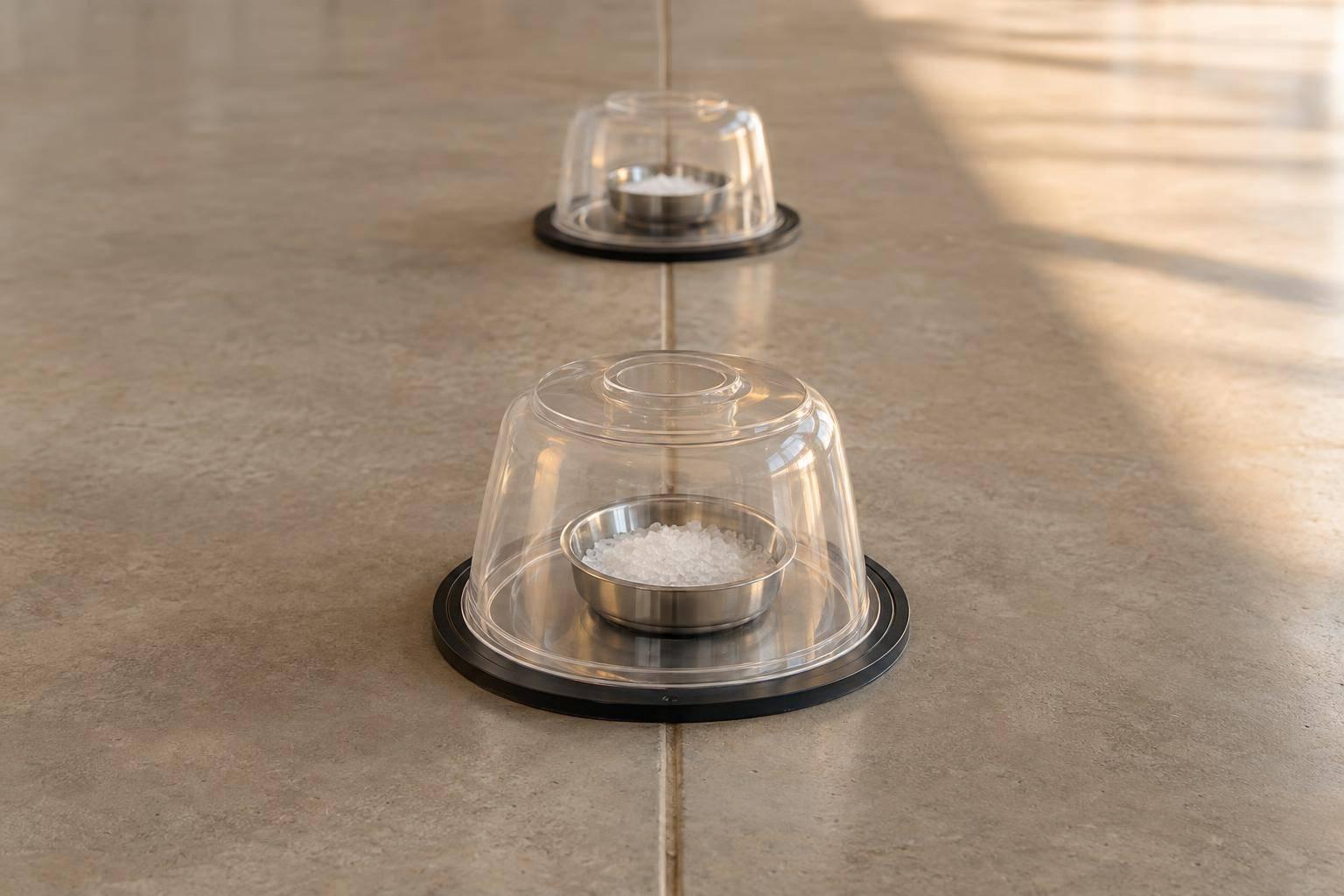
Coatings keep salt and meltwater on the surface to prevent pitting, scaling, and freeze-thaw damage in garage concrete.
Polyurea coatings keep road salt on the surface so it won’t penetrate concrete, but routine sweeping and pH-neutral mopping are still needed.
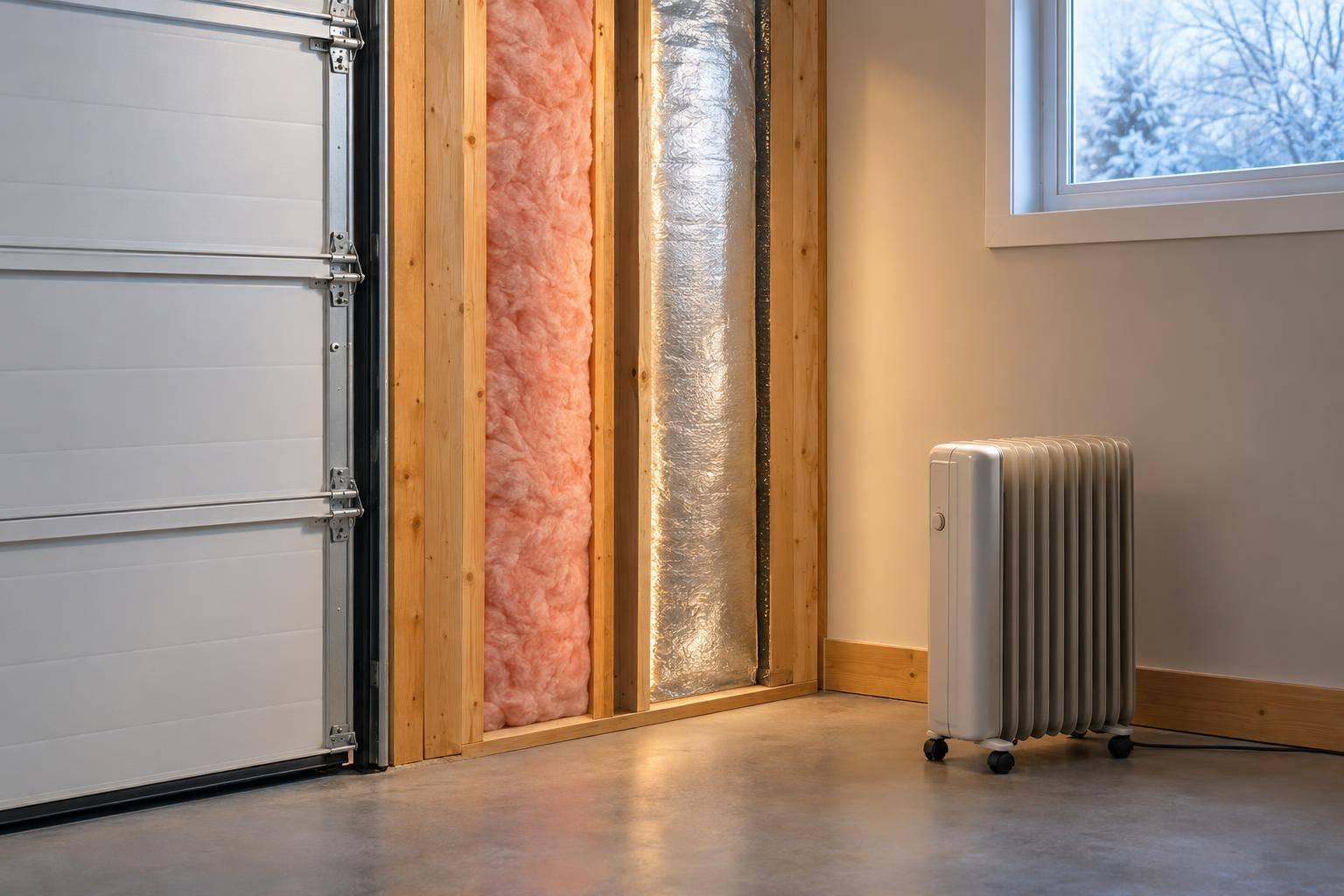
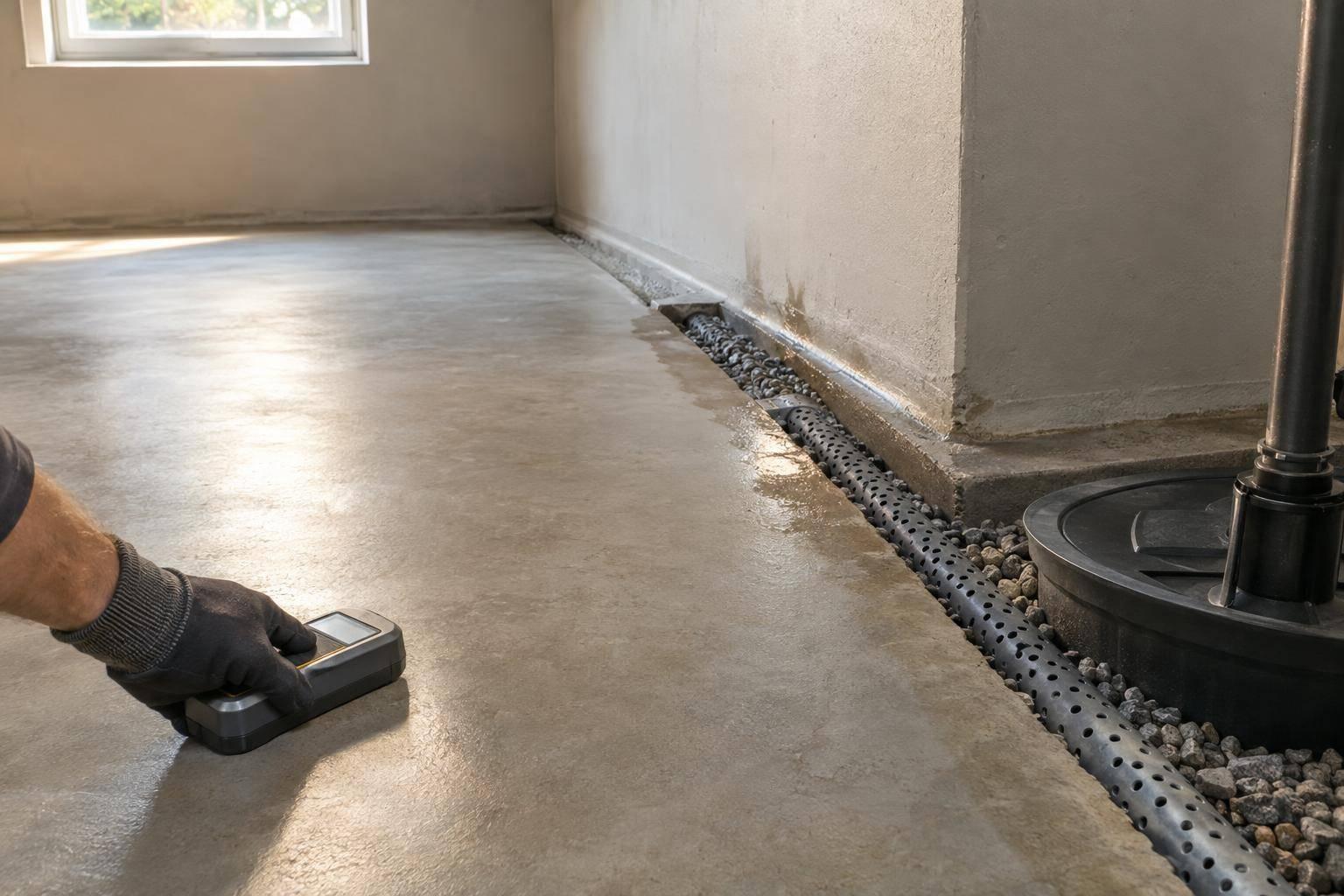
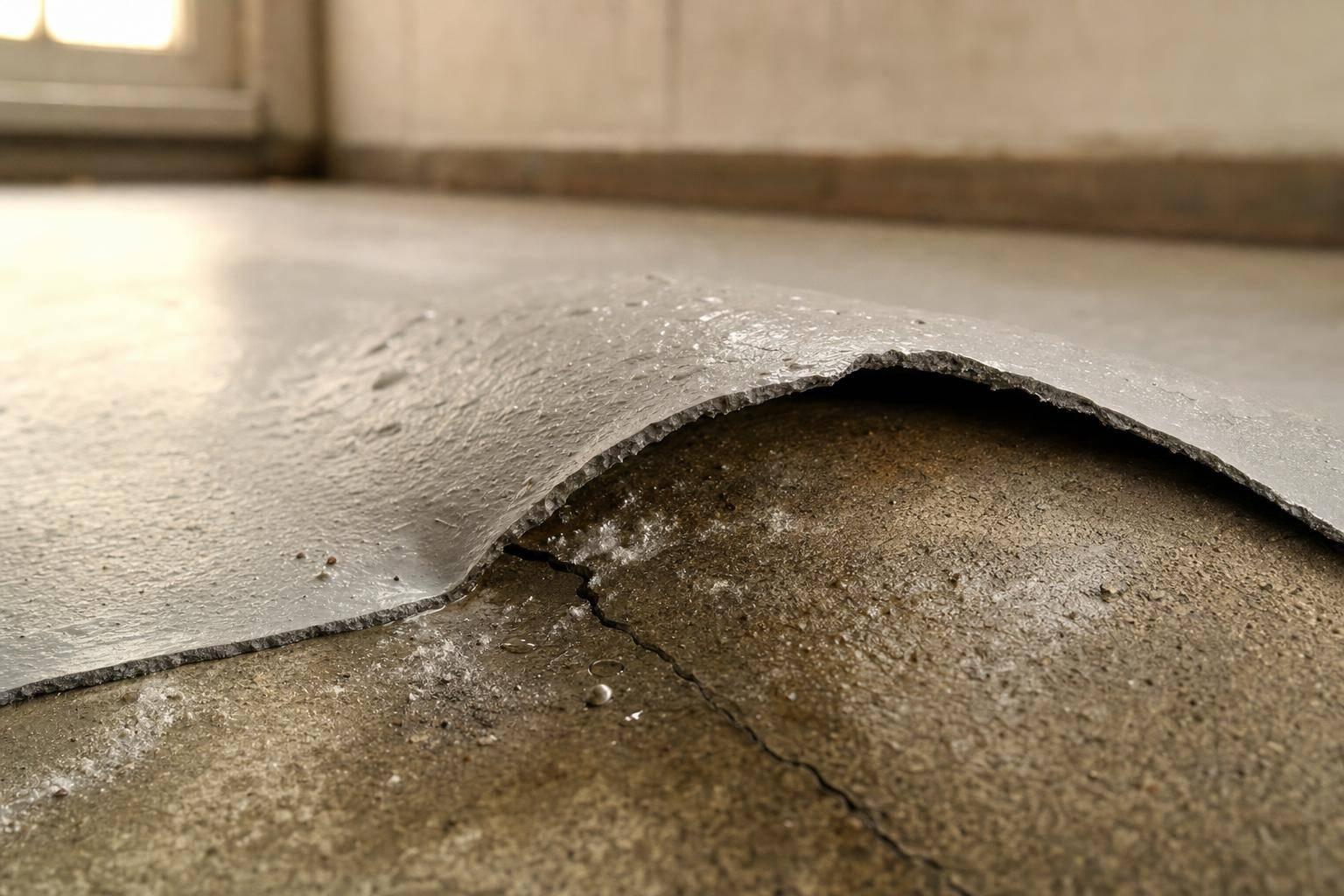
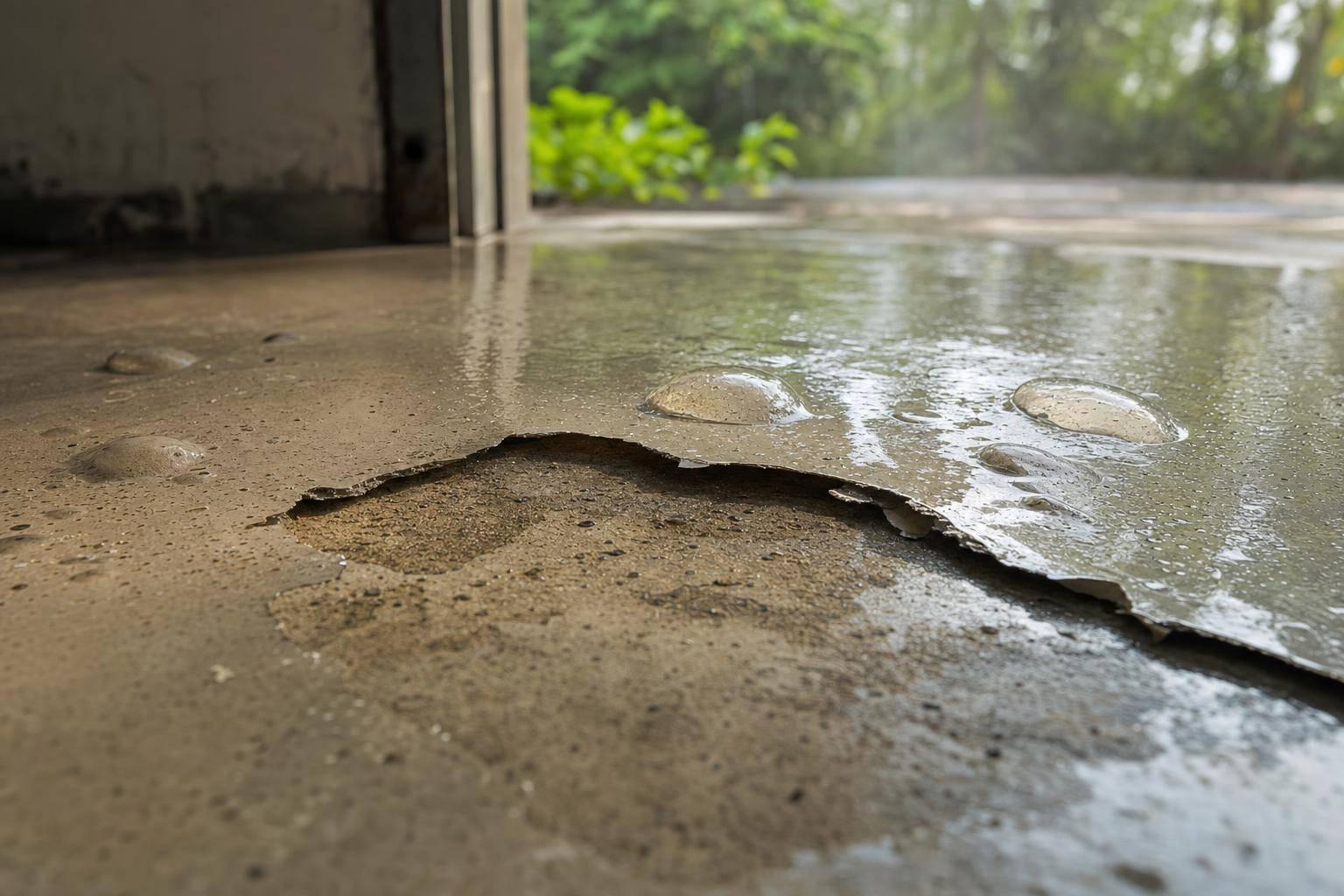
Cold slab temperatures and hidden moisture quietly doom epoxy floors unless you warm, test, and control conditions.
How epoxy wear tests relate to real showroom performance—Taber limits, tire heat, surface prep, and expected service life.
A printable concrete coating care log for homeowners: what installation details, maintenance checks, spill notes, and installer questions to record after a floor coating is installed.
Proper dealer training prevents peeling, uneven finishes, and denied warranty claims by enforcing surface prep, timing, safety, and documentation.
Prepare for a concrete coating estimate with clear photos of the floor, visible damage, edges and access points. Label each image before sharing it.
At your concrete coating project handover, ask about the system used, return-to-use steps, cleaning and maintenance, warranty paperwork, and who to contact.
Compare apprentice vs pro concrete coating labor — upfront rates, prep quality, failure risk, and true long-term cost.
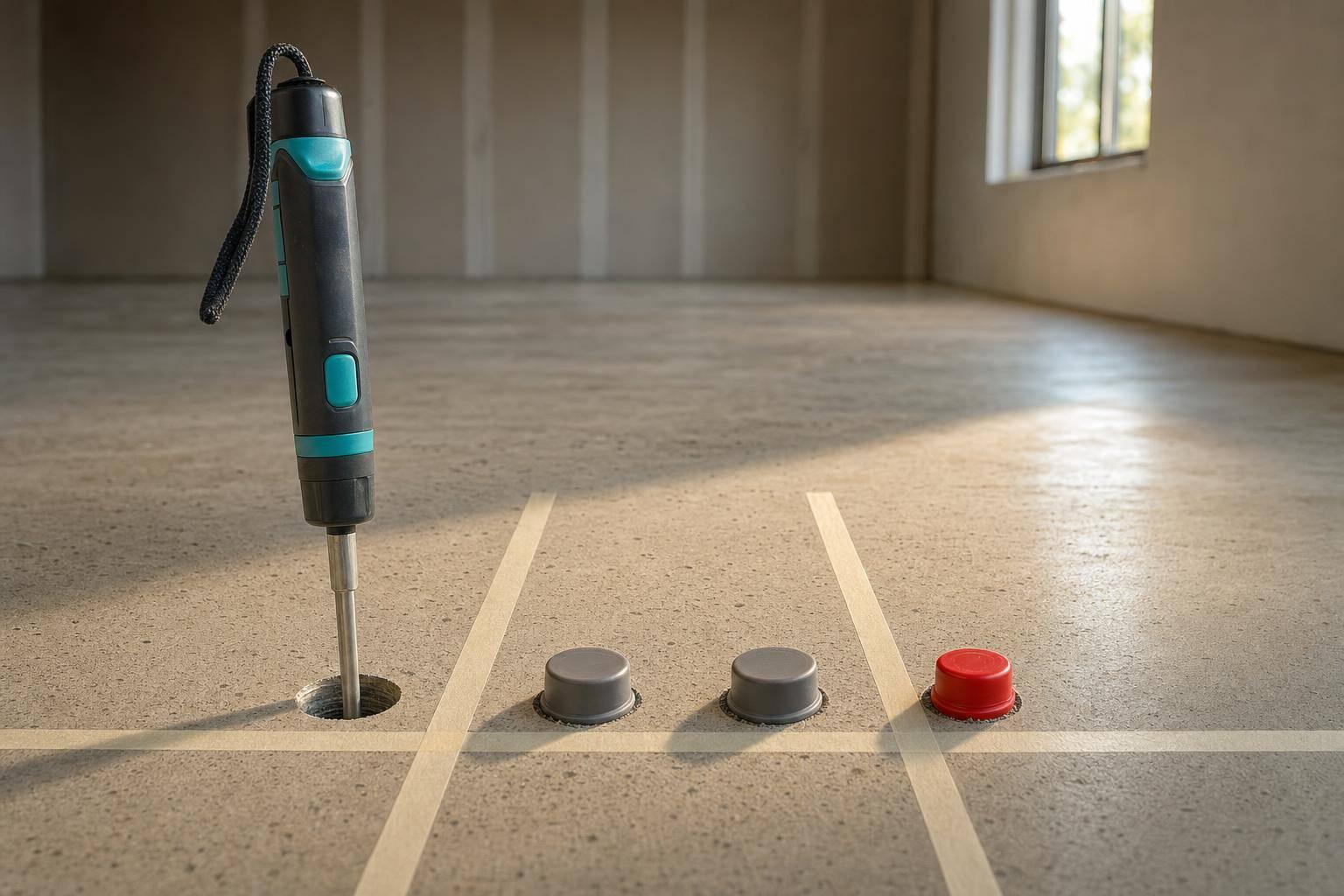
Good adhesion requires five checks: pull-off strength, correct CSP, moisture control, verified cure, and failure-pattern analysis.
Polyaspartic coatings cure fast—check slab temp, mix only needed batches, and control humidity to avoid lap lines and adhesion failures.
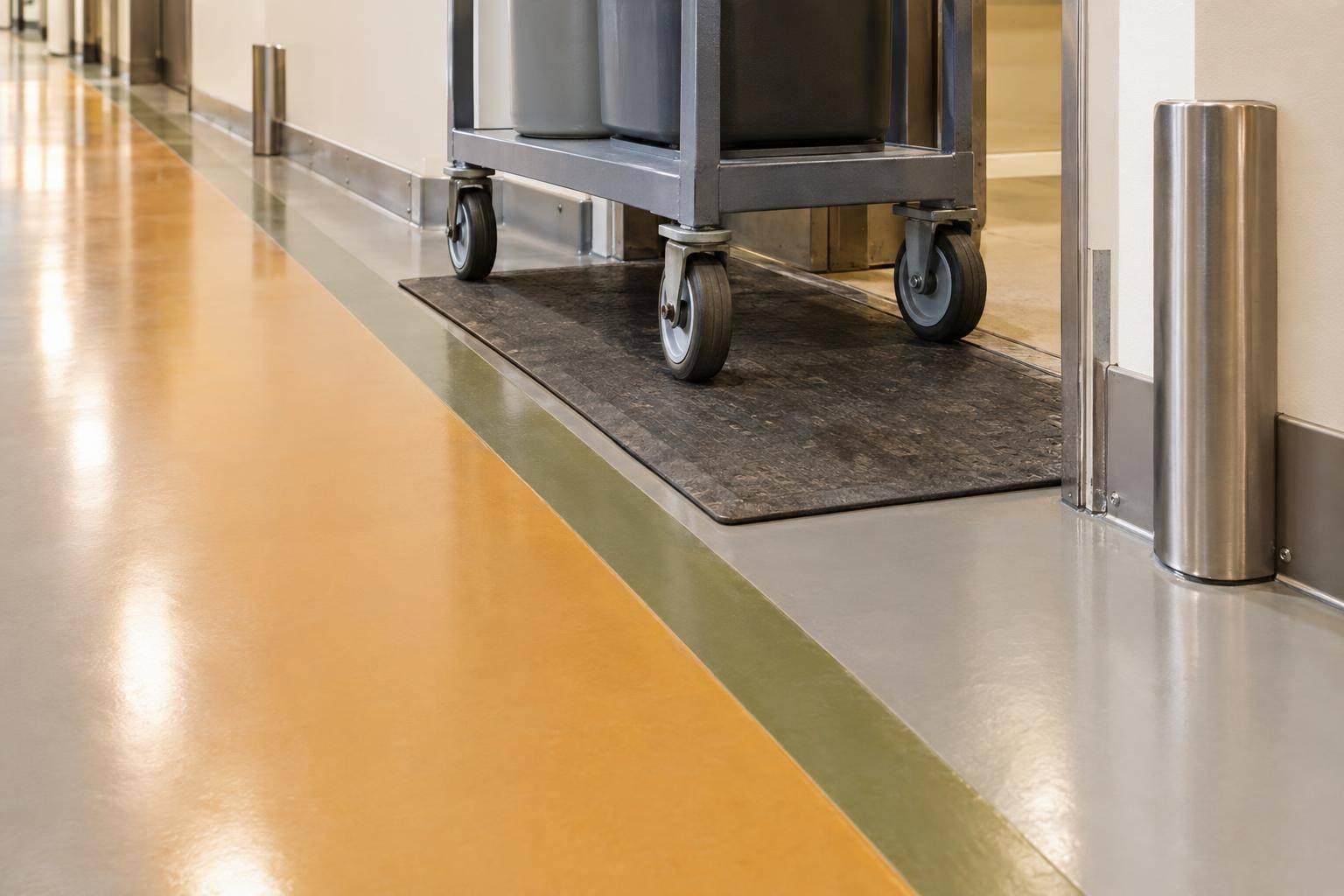
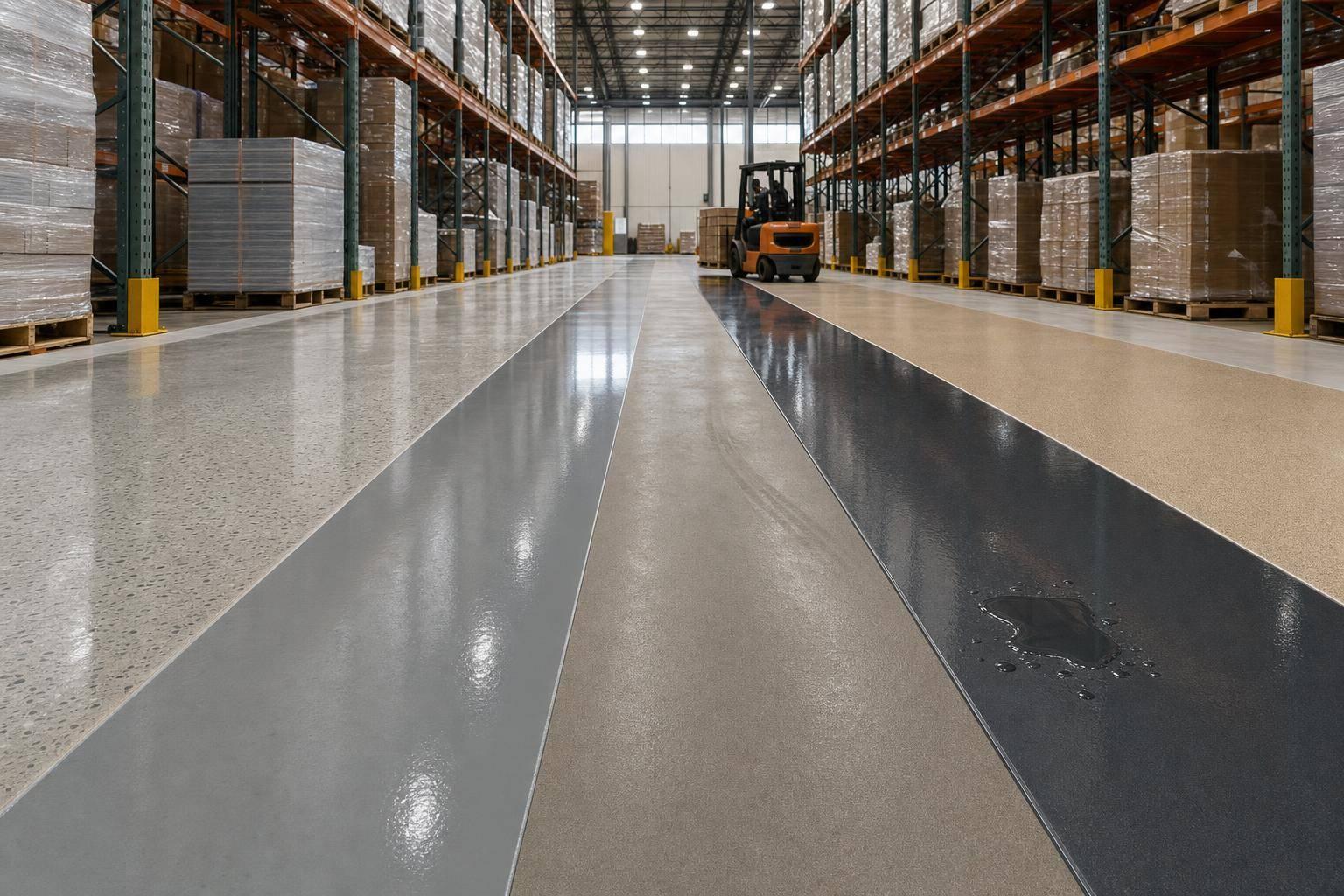
Compare epoxy, polyurethane, urethane-cement, vinyl, and specialty resins for chemical, moisture, and fast-return needs in healthcare
Sweep weekly, mop every 1–2 months, and clean spills immediately; increase cleaning to every 1–2 weeks in winter or heavy use.
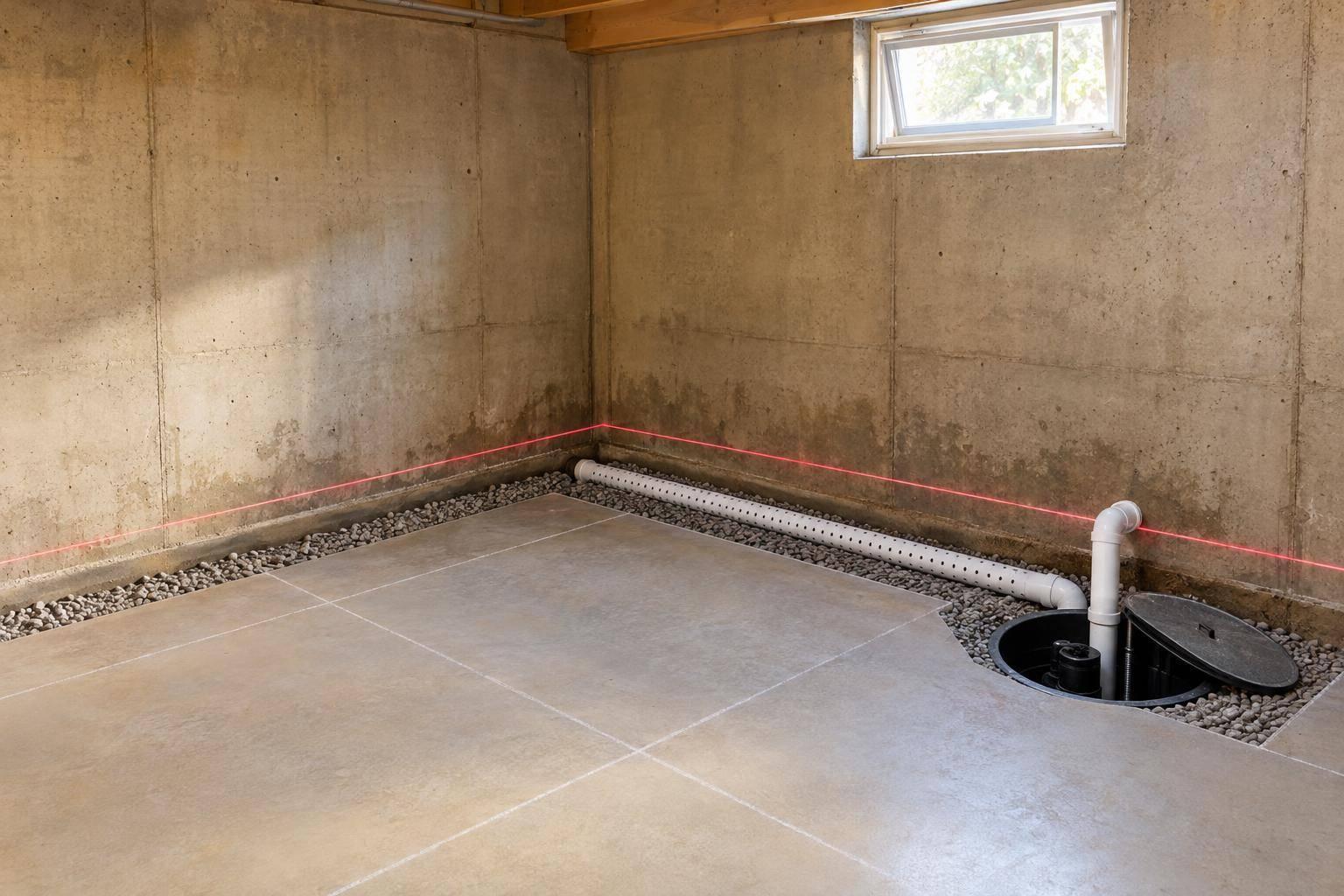
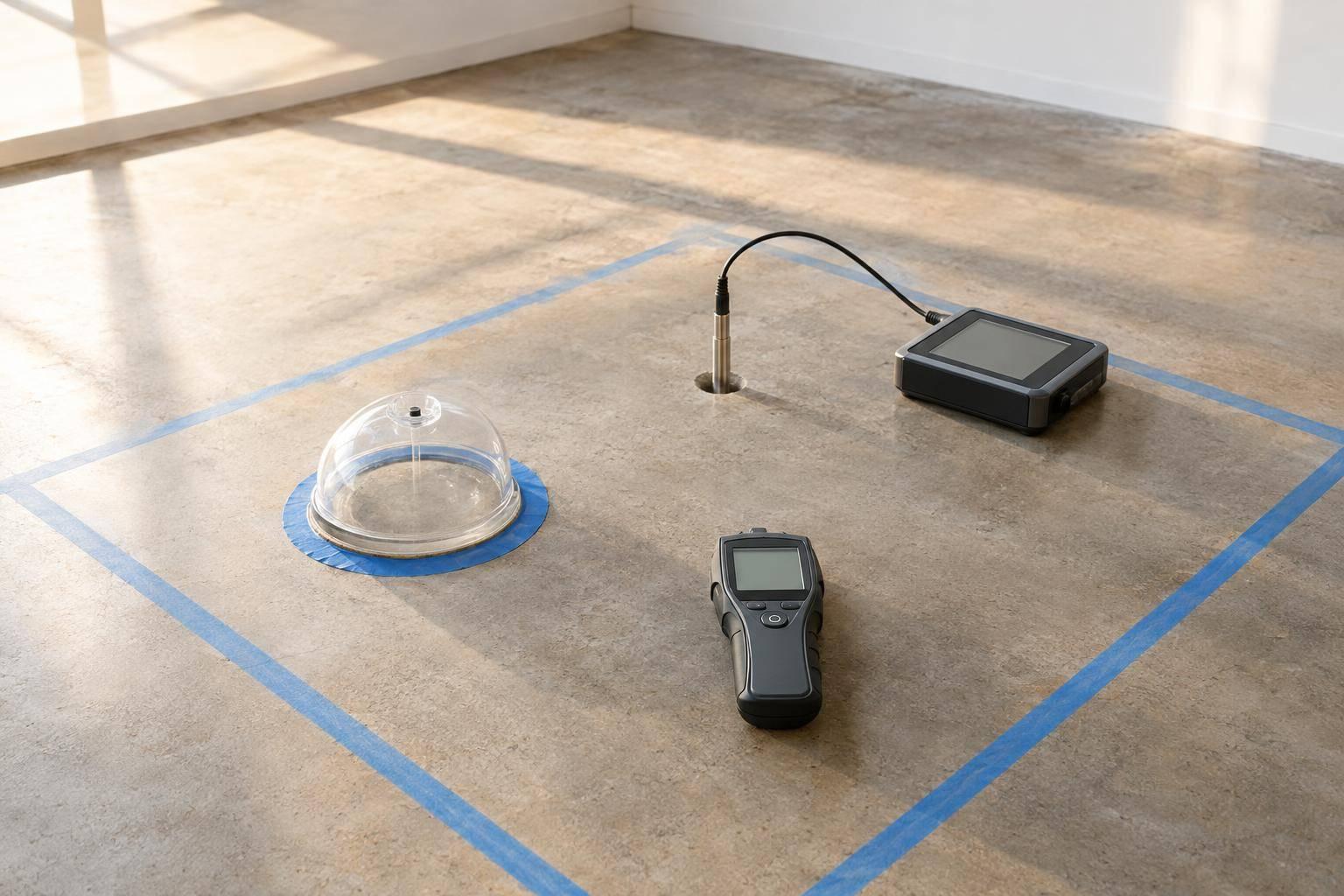
ASTM F1869 MVER guides whether to use standard epoxy, a moisture‑barrier primer, or polyurea based on slab moisture and cure speed.
Professional prep, moisture testing, and durable coatings cut garage floor redo costs and extend service life.
Build one job file per coating: labels, TDS/SDS, invoices, usage logs, mix sheets and test reports; retain records (typically 5 years).
See 10 budget DIY home upgrades, from trim hacks and window mullions to Roman shades, accent paint, sconces, and wall decor ideas.
Pro installs: $4–$12/sq ft; 2‑car garages $2,500–$5,000. Final price depends on prep, repairs, finish, and lifespan.
Find 16 easy home upgrades under $100, from lighting and bathroom storage to art swaps and tray styling for a cleaner, more useful space.
Zone-specific guidance on slip rating, texture, color, coatings, drainage, and climate prep for durable commercial kitchen floors.
10 budget DIY home upgrades, from paint and doors to shelving and backsplash, with low-cost ideas that help update rooms for less.
Depth, height, and width recommendations for garage cabinets—shallow for side walls, deep for back walls, and clearances to fit cars.
Estimate garage cabinet costs fast by cabinet type, size, labor, and add-ons. Get realistic low, mid, and high project budgets.

Schedule a Free Consultation

Ready to transform your concrete garage and patio floors? We have the expertise, the team, and the process to get the job done right in as little as one day!

Vector Smart Object 1

Get A Free Quote

No Interest or Payments for 12 Months!
Free In-home Consultation • No obligation

Don't Settle for Epoxy

Croc Coatings installs PenntekĀ® polyurea floor systems that are up to 4x stronger than traditional epoxy, UV stable, and backed by a lifetime warranty. Get your free quote today.