
Plan Basement Waterproofing Costs with More Confidence
A Basement Waterproofing Calculator can be a practical starting point when you’re trying to understand the likely scope of a moisture problem before calling in estimates. Instead of guessing, you can enter basement dimensions, note whether you’re seeing damp walls, seepage, standing water, or recurring flooding, and compare possible solutions based on the area affected.
What the estimate helps you see
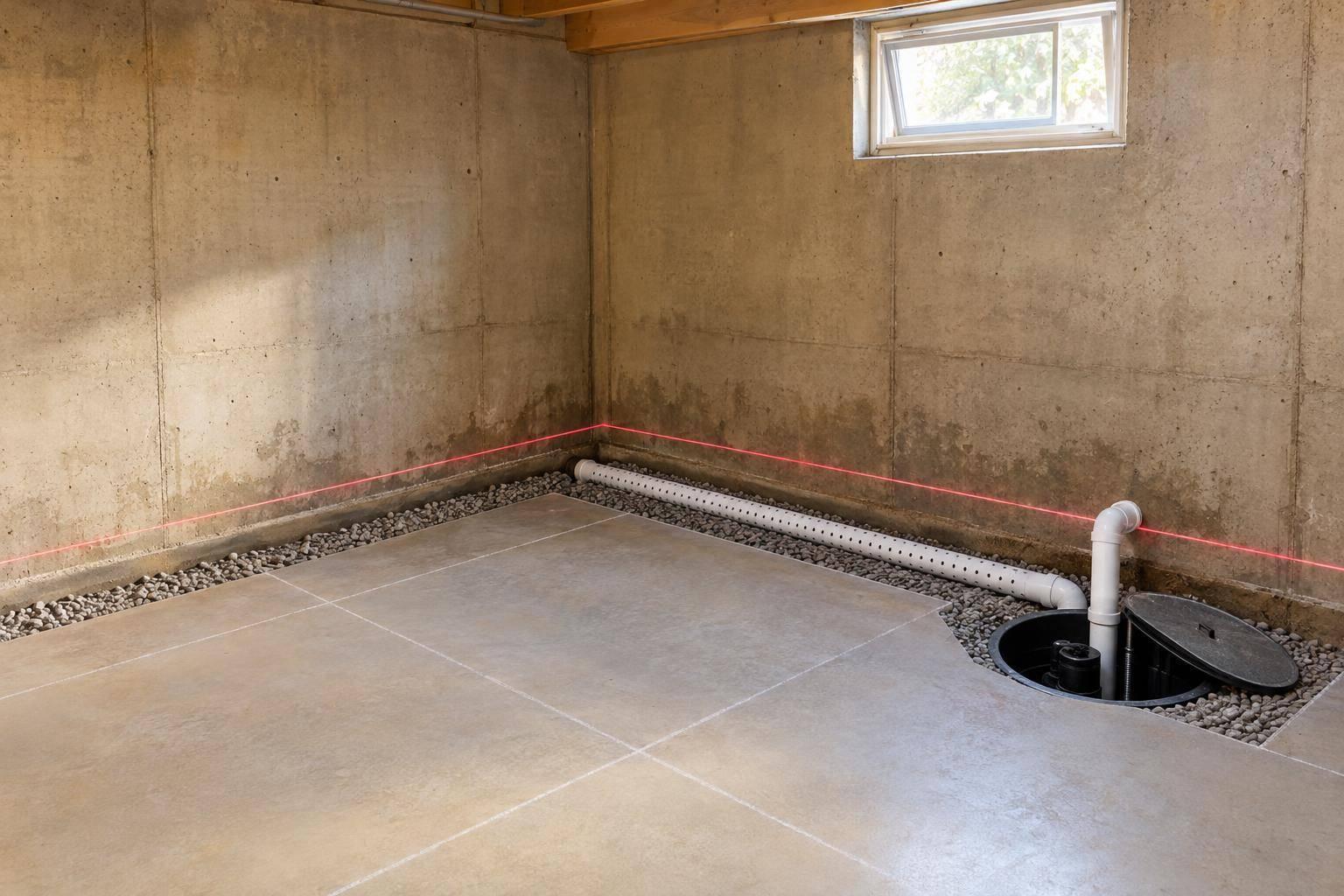
Some waterproofing methods are priced by square foot, while others depend on perimeter length or a flat installation charge. That’s why it helps to separate wall area, floor area, crack locations, cove joint runs, and drainage-related work. A good estimate can show how interior sealants, crack repair, sump systems, drainage channels, exterior membrane work, or dehumidification might affect the budget.
Built for rough planning, not diagnosis
This basement moisture estimator is meant for early budgeting and option comparison. A Basement Waterproofing Calculator won’t replace an inspection, especially if the issue involves hydrostatic pressure, structural cracks, grading problems, or window well leaks. Still, it gives homeowners a clearer way to think through quantities, likely solution categories, and rough costs before moving forward with professional waterproofing recommendations.
FAQs
How accurate is a basement waterproofing calculator like this?
It’s best used as a planning tool, not a final quote. Basement waterproofing costs can change quite a bit depending on access, excavation depth, foundation condition, drainage layout, finish materials, and how widespread the water issue really is. This calculator gives you a structured rough estimate based on the information you enter, which is helpful for budgeting and comparing options before speaking with a contractor.
What solutions are usually recommended for standing water or recurring flooding?
When you’re dealing with standing water or repeated flooding, surface treatments alone usually aren’t enough. In many cases, the more appropriate solutions are an interior drainage system, a sump pump, or in some situations exterior waterproofing work to control water before it reaches the basement. The tool is designed to reflect that kind of rules-based guidance, so higher-severity symptoms lean toward drainage and water-management solutions instead of just sealants.
Can I use my own local pricing instead of generic estimates?
Yes, and that’s one of the most useful parts of the calculator. If you already have local contractor pricing, supplier rates, or rough regional averages, you can enter cost per linear foot, cost per square foot, or flat installation charges depending on the solution type. If you leave those fields blank, the tool can still produce a rough estimate using placeholder values, but custom pricing will usually give you a more realistic planning number.