
Polyurea Coatings: Sun Protection for Concrete Floors
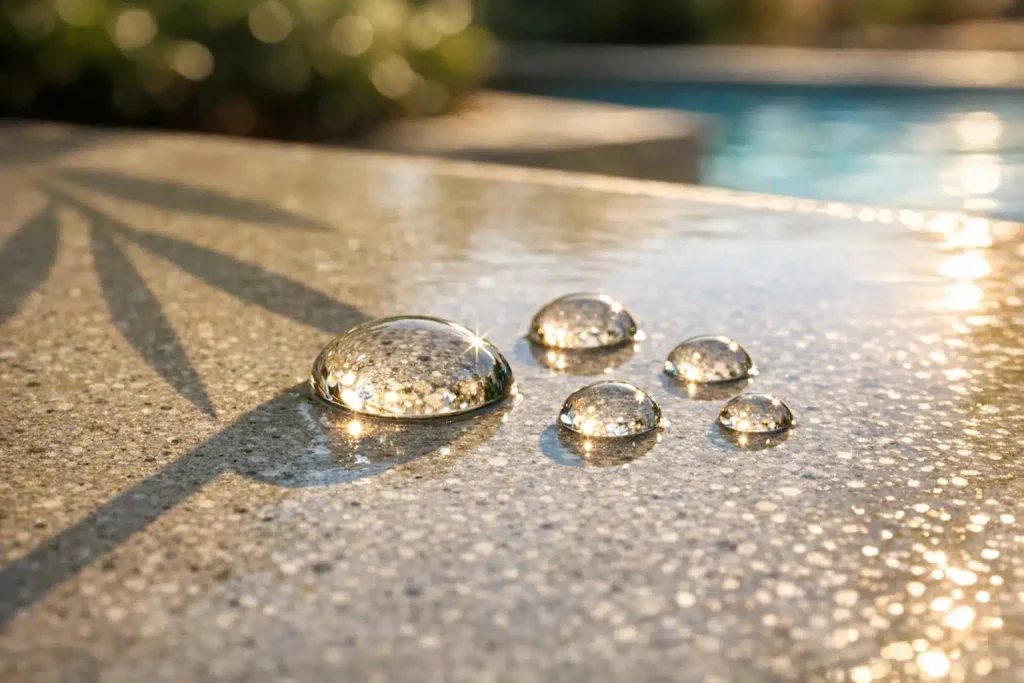
Learn why UV-stable polyurea outperforms epoxy for outdoor concrete—fast curing, flexible, waterproof, and long-lasting protection.
How International Standards Shape Concrete Coating Design
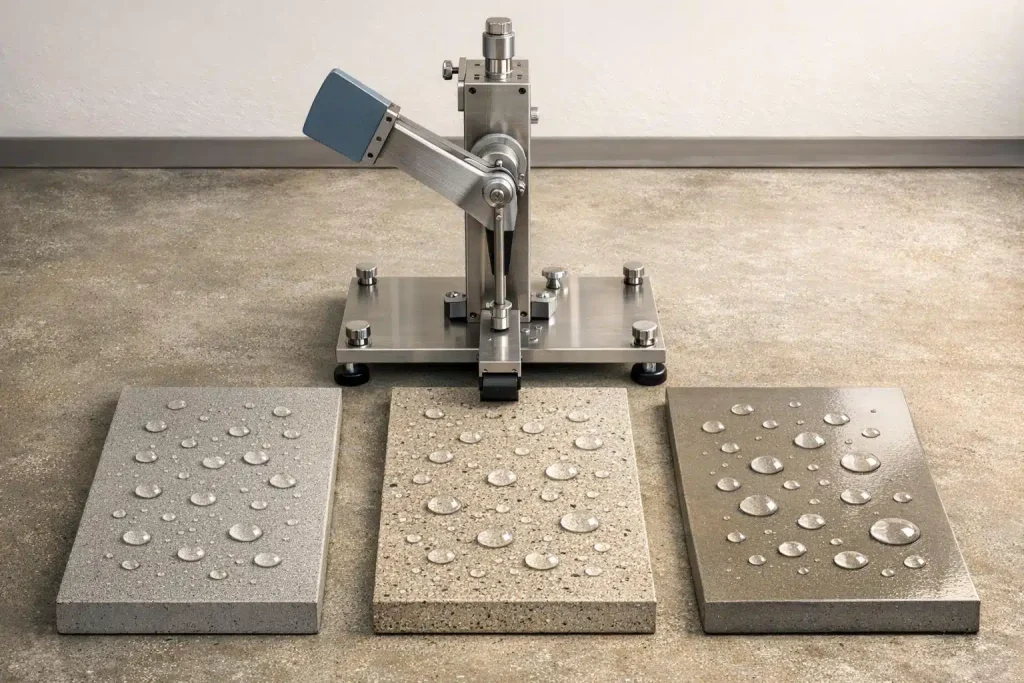
Overview of international slip-resistance standards (ANSI, BS EN, AS/NZS) and how they guide material selection, testing and coatings.
Lifecycle of Concrete Coatings: Raw Material Focus
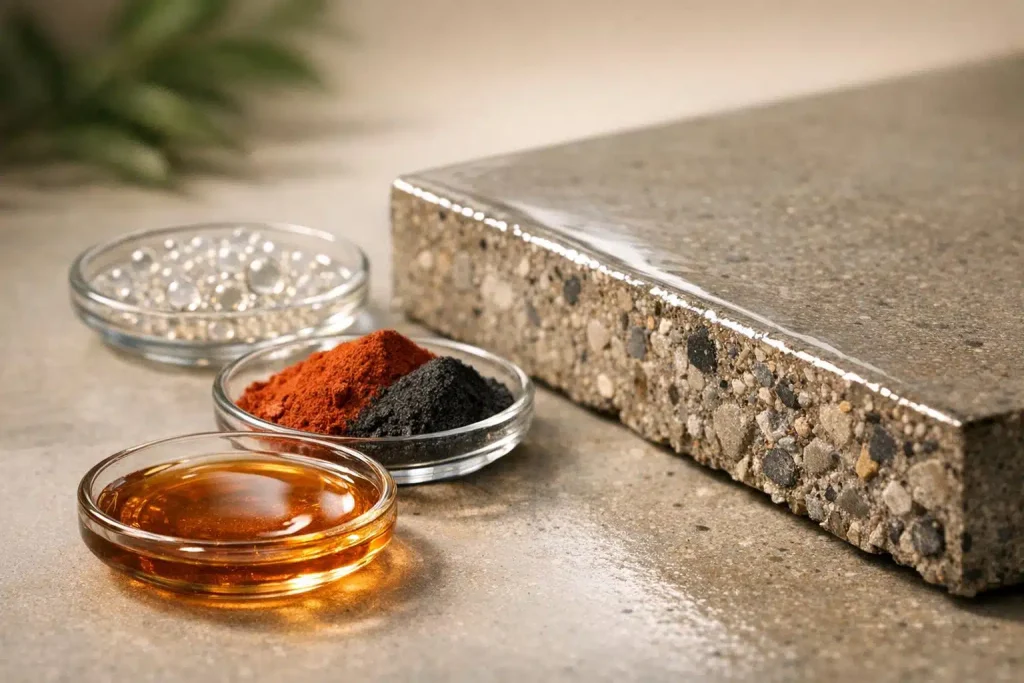
Resins, pigments, and additives shape concrete coating performance, lifespan, and environmental impact.
Non-Destructive Testing for Concrete Coatings
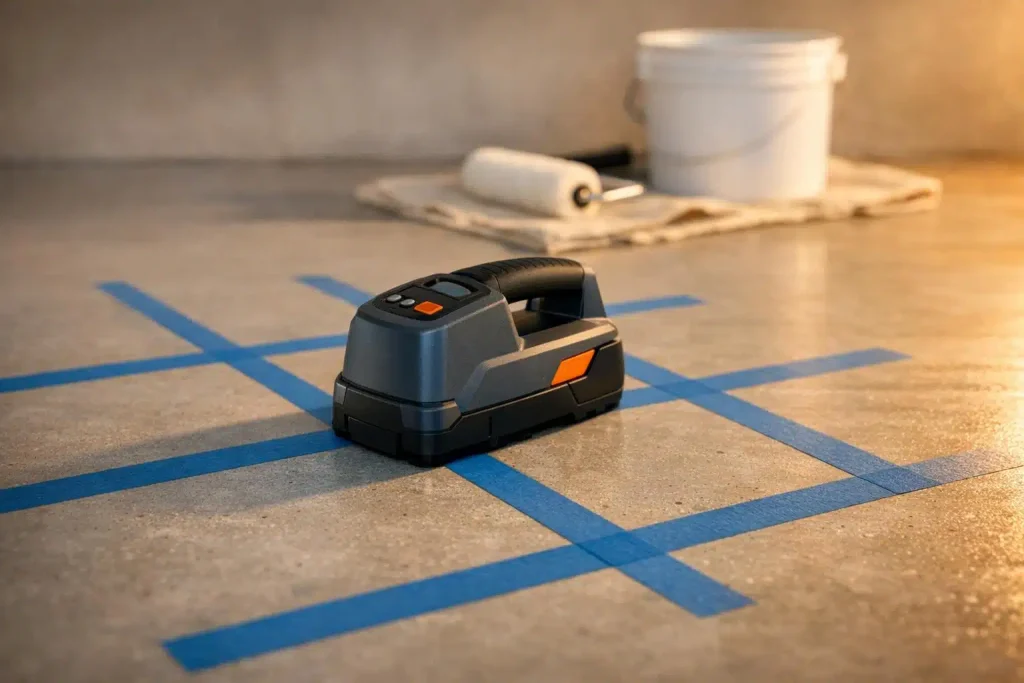
How rebound hammers, UPV, GPR, pull-off and impact-echo tests identify defects and moisture to ensure lasting concrete coatings.
How Chemical Resistance Impacts Slip Performance
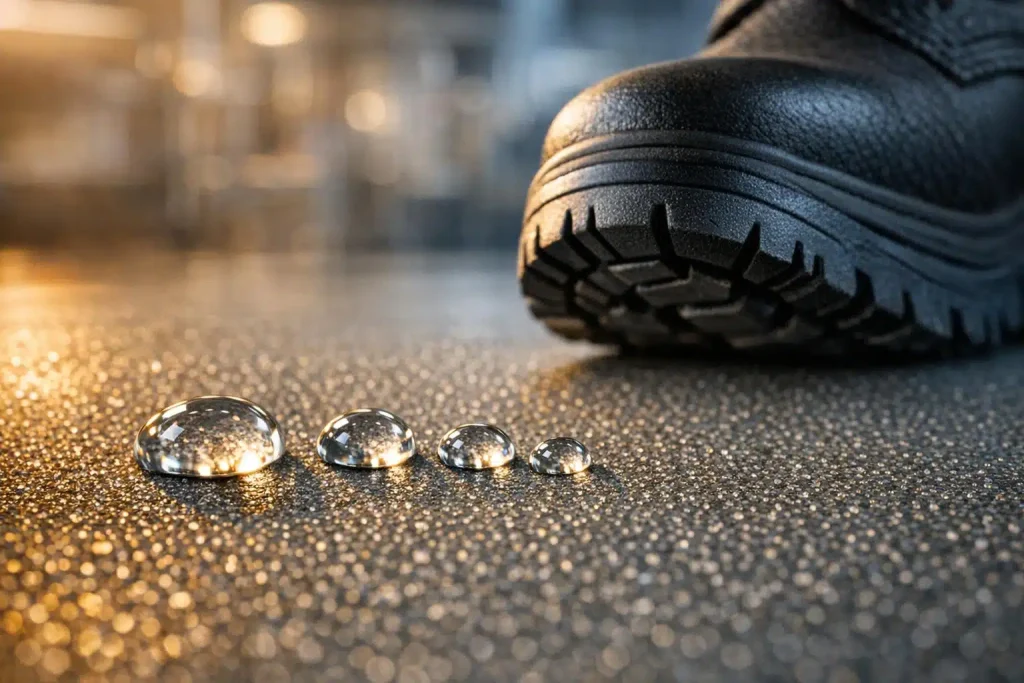
How coatings’ chemical resistance preserves surface texture and traction; choose and maintain the right flooring to prevent slips.
Vapor Barrier Failures: Causes and Solutions
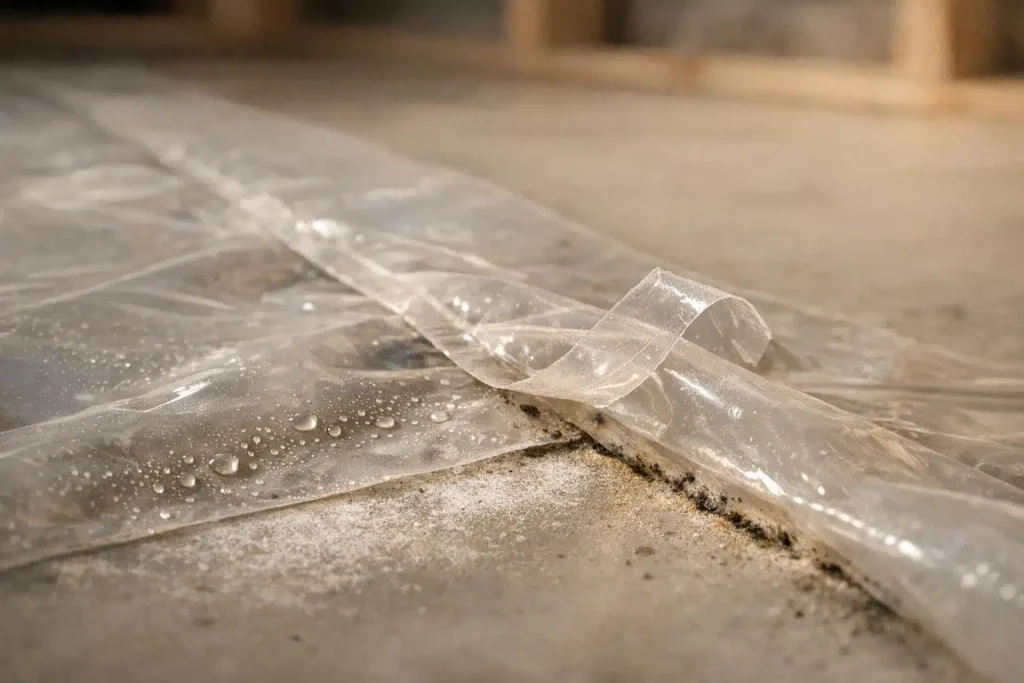
Is your vapor barrier failing? Learn the causes, warning signs like efflorescence and musty odors, and how to fix it before it damages your concrete floor.
Polyaspartic vs Epoxy: Best Choice for High-Traffic Floors
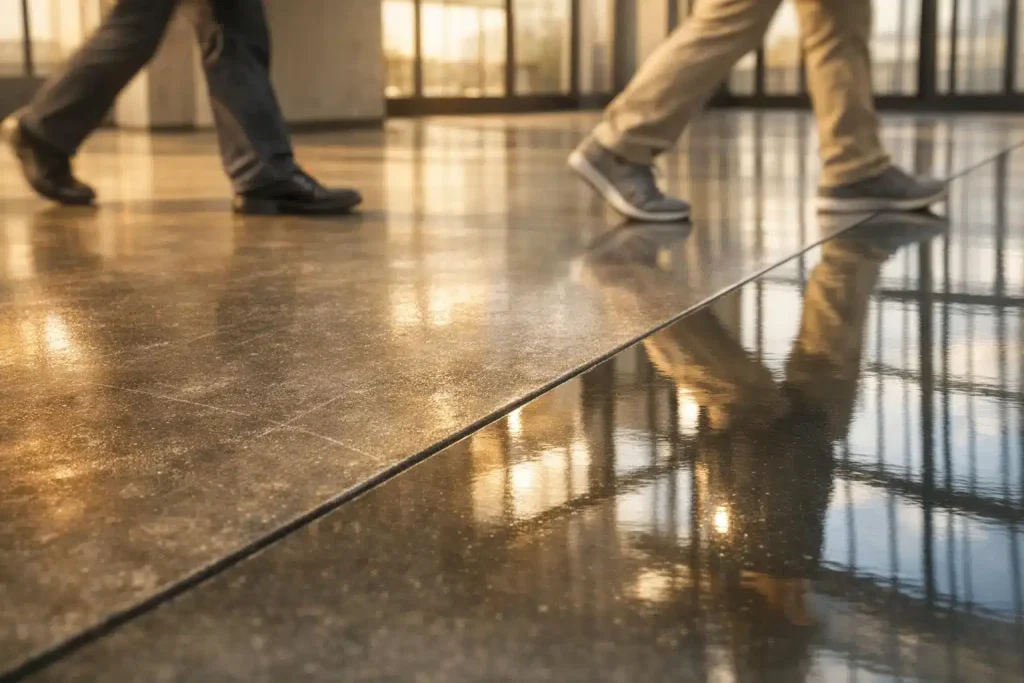
Polyaspartic outperforms epoxy for high-traffic floors with superior durability, UV stability, and much faster curing.
Federal Codes on Moisture Barriers for Concrete Floors
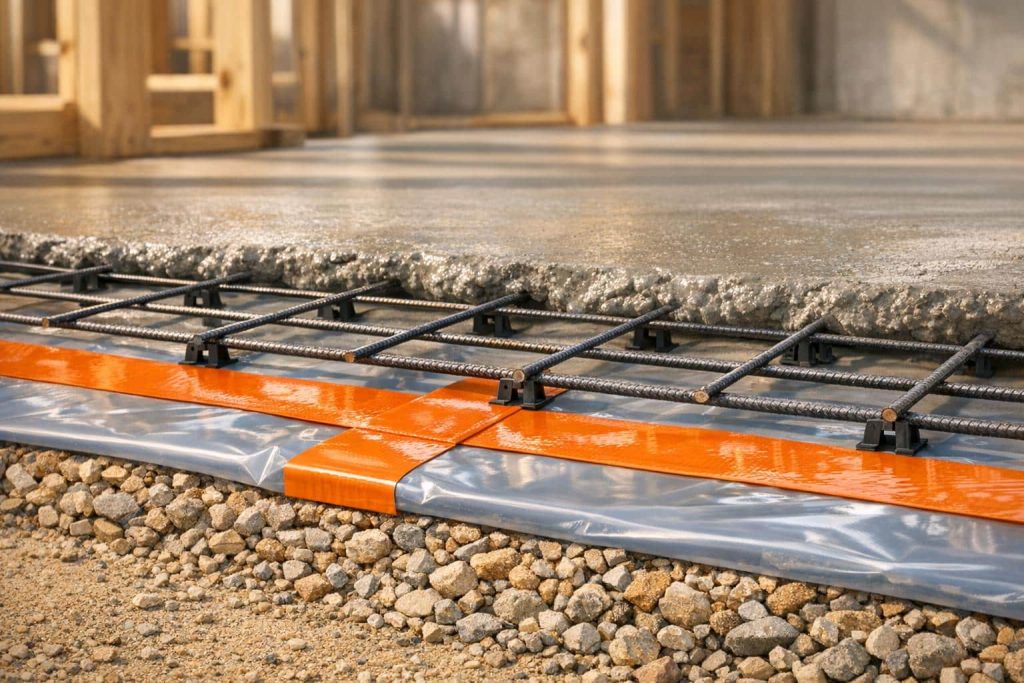
Covers ASTM and IRC requirements for under-slab vapor retarders, moisture testing (RH and calcium chloride), and proper installation.
Impact-Resistant Coatings for Heavy Loads
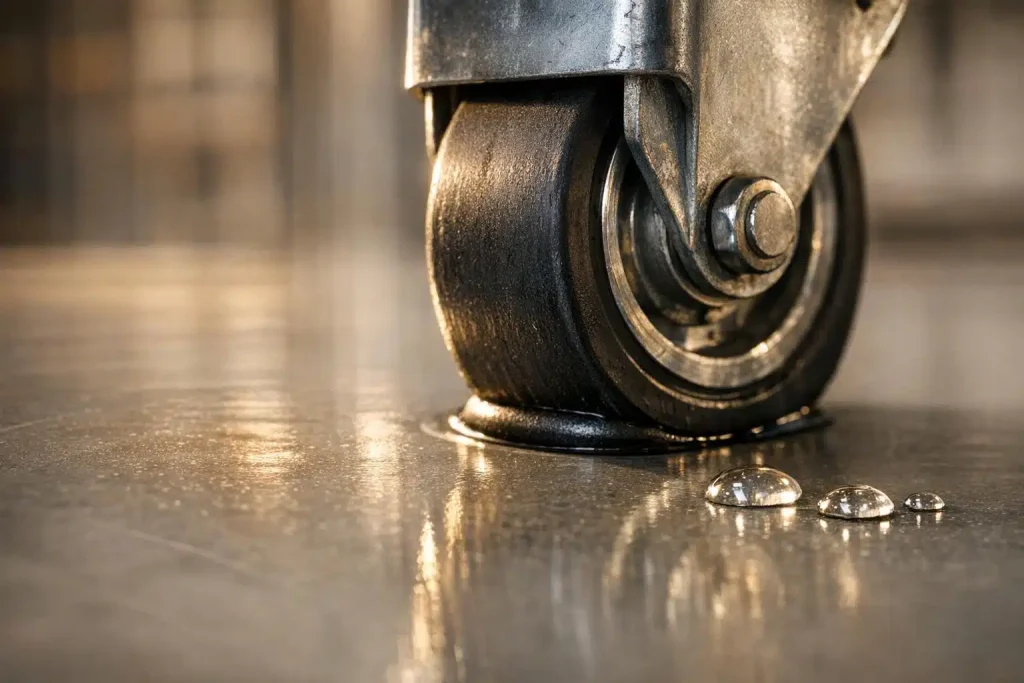
Learn how epoxy, polyurea, and polyaspartic coatings protect floors from heavy impacts, chemicals, and wear while reducing downtime.
Checklist for Polyurea Floor Maintenance
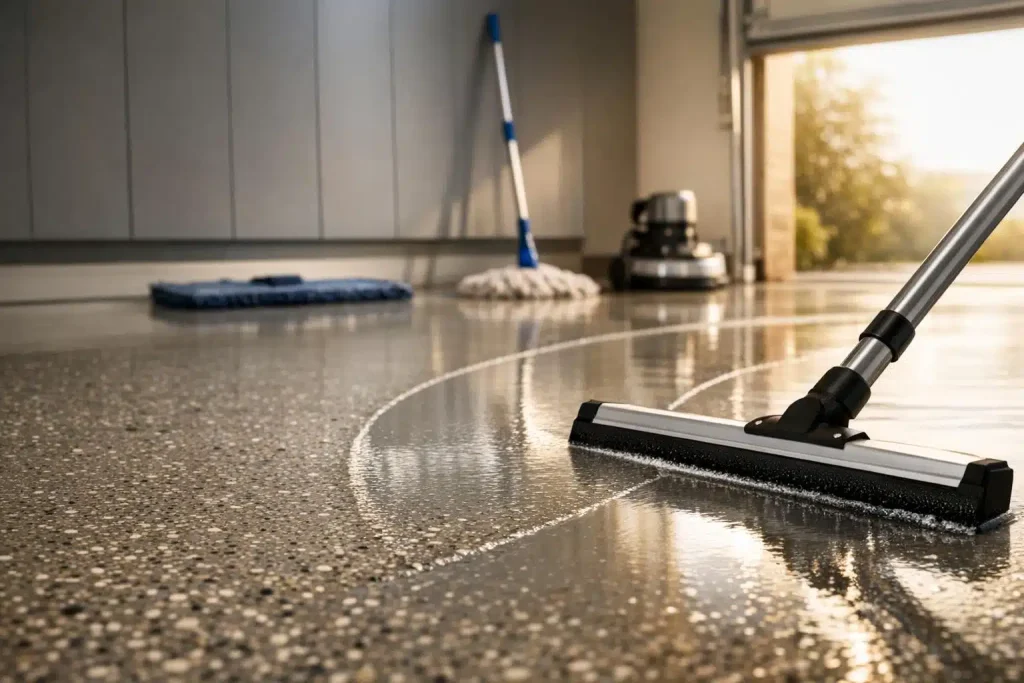
Regular daily, weekly, and monthly care prevents damage and preserves polyurea floors’ durability and finish.