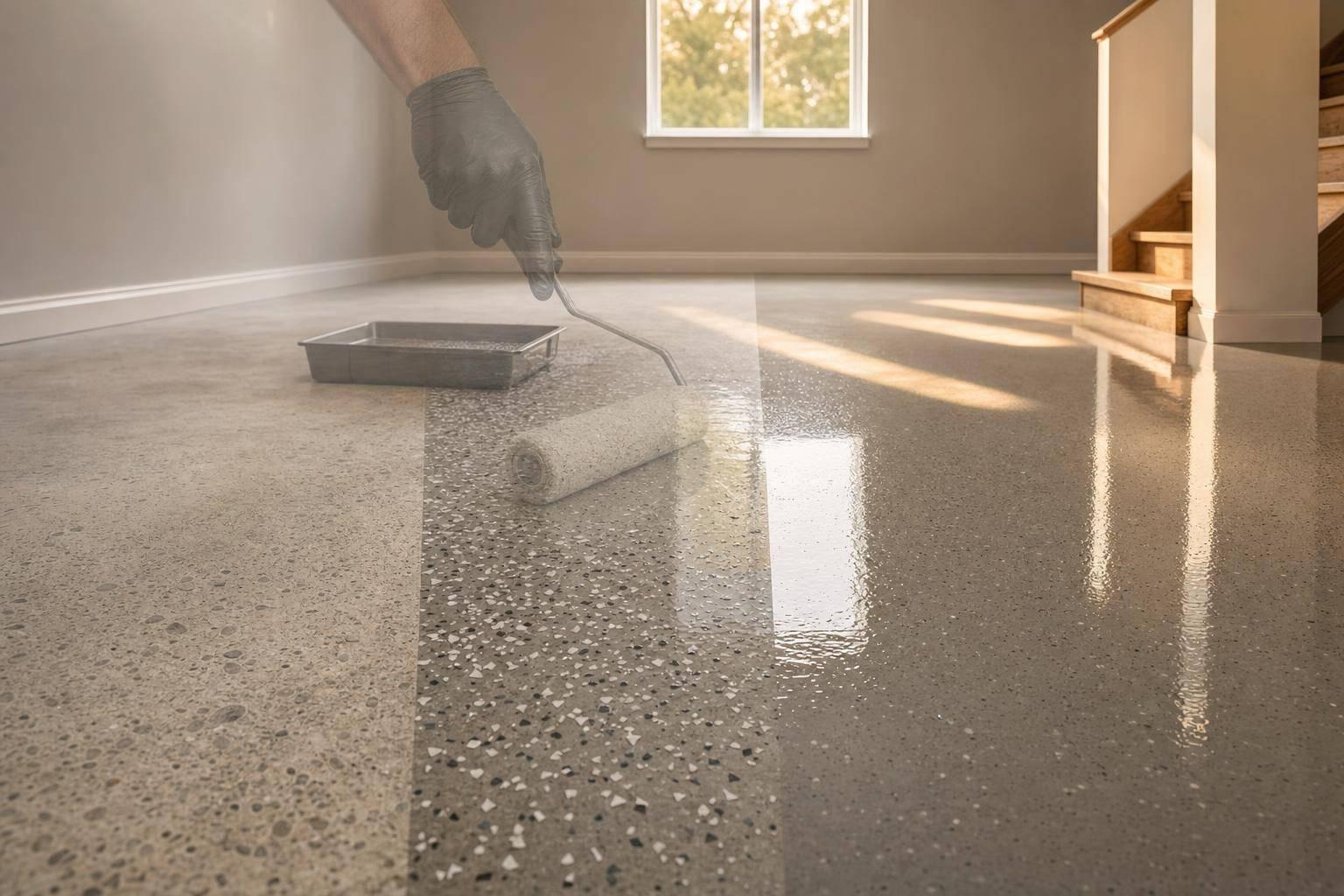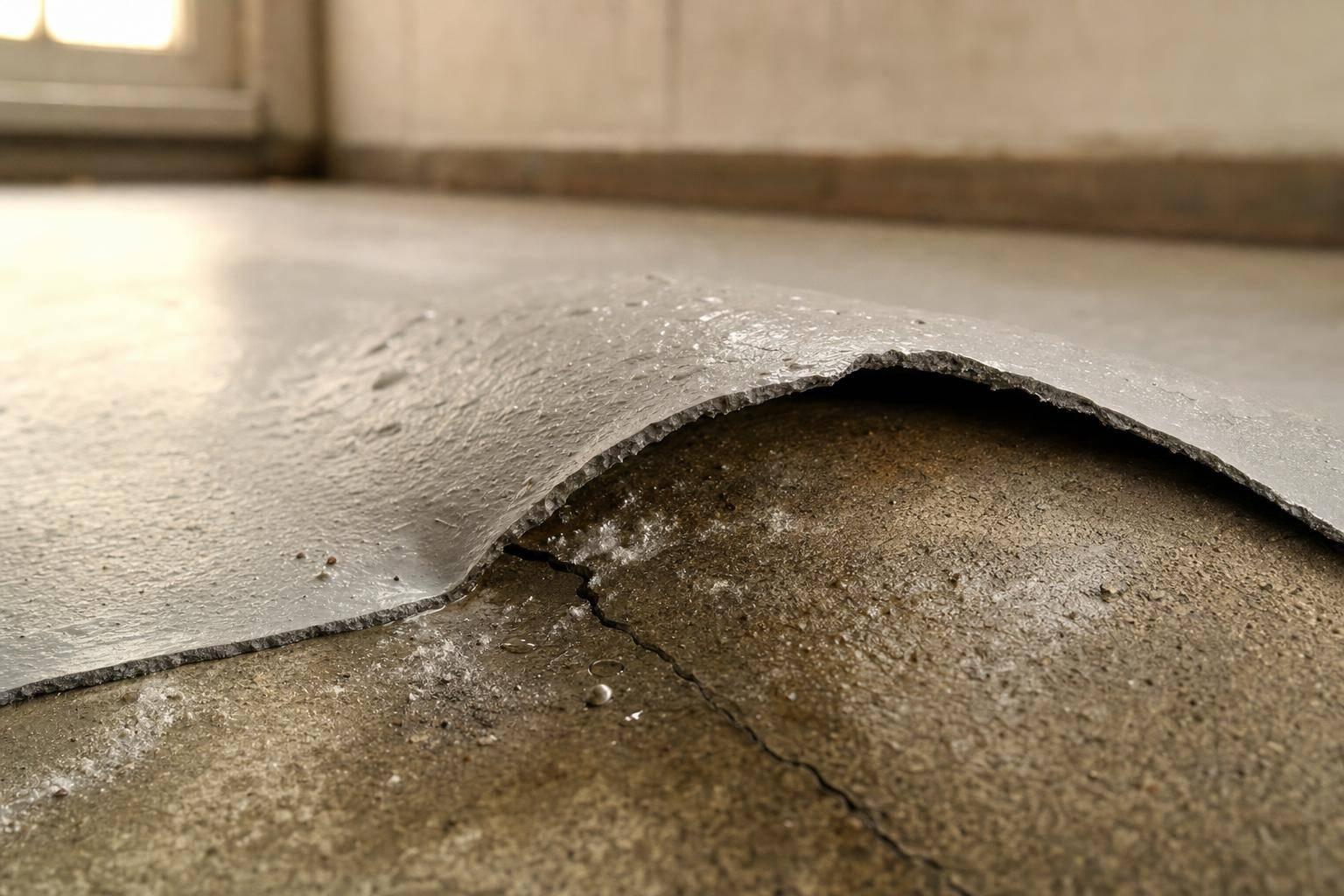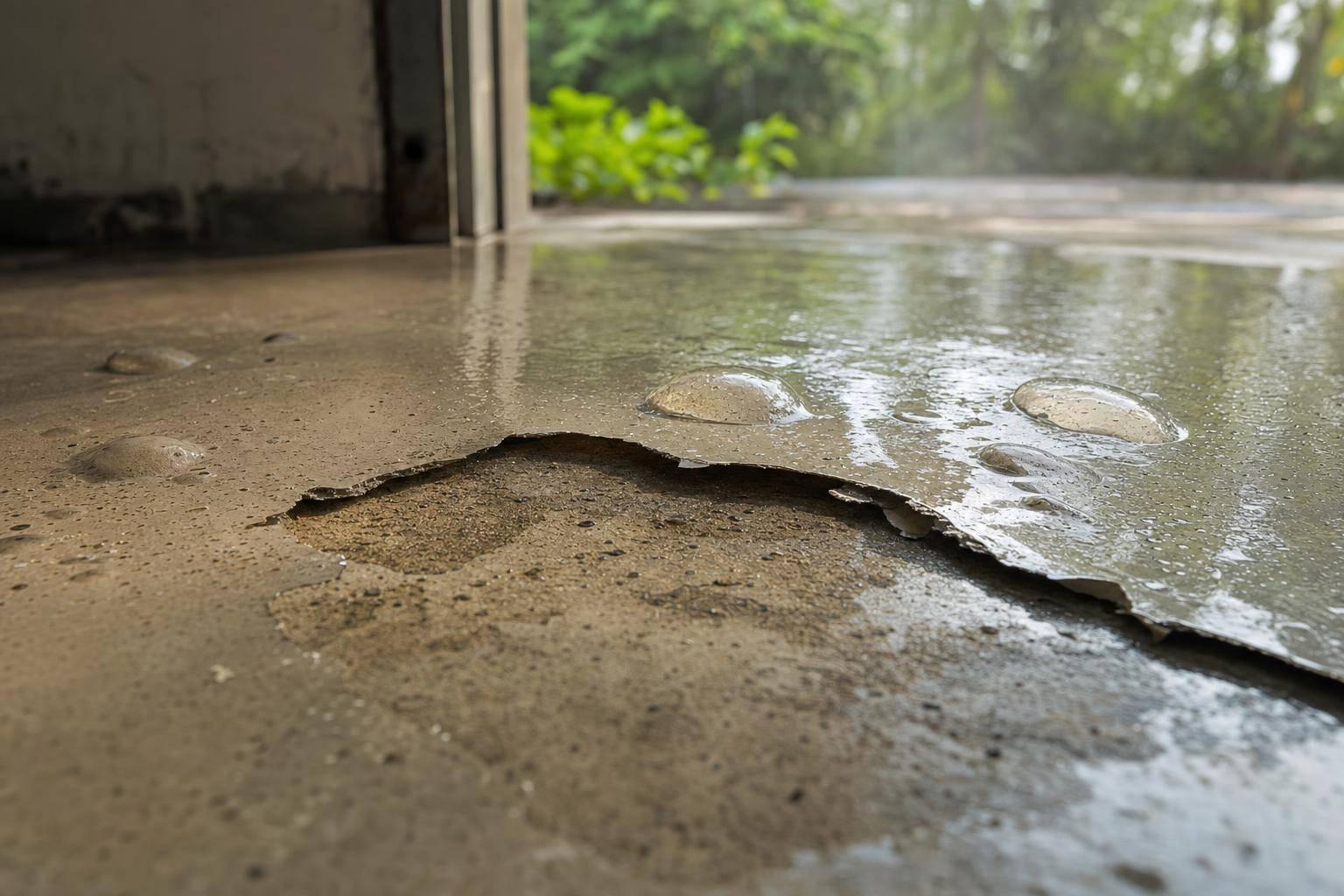
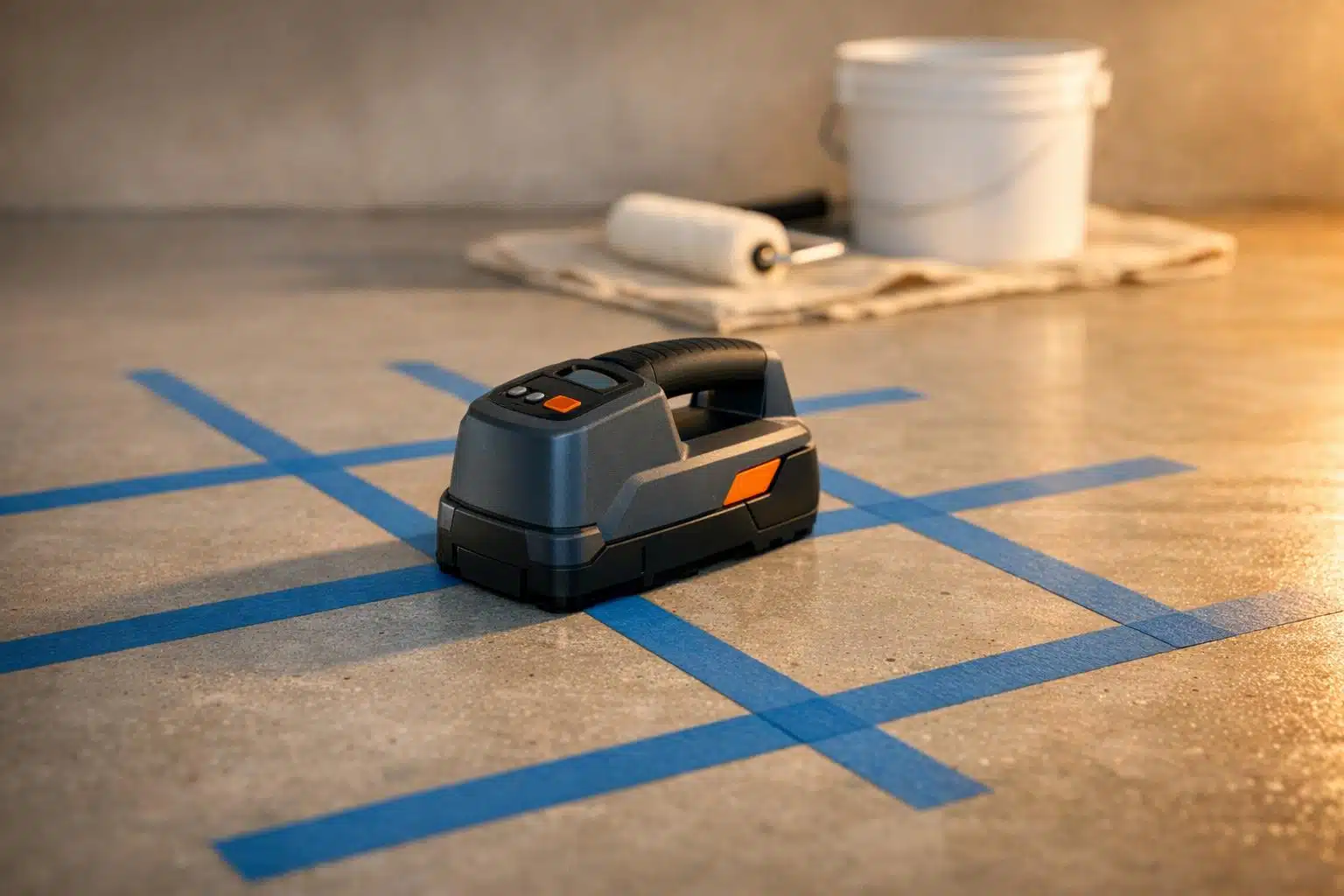
Non-destructive testing (NDT) ensures concrete surfaces are ready for coatings without causing damage. It identifies issues like cracks, voids, or moisture that could compromise durability. Key methods include:
- Rebound Hammer: Measures surface hardness.
- Ultrasonic Pulse Velocity (UPV): Detects internal flaws.
- Ground Penetrating Radar (GPR): Locates subsurface moisture and voids. These methods are essential to test concrete moisture before coating to prevent adhesion issues.
These tools confirm concrete quality, ensuring coatings adhere properly and last longer. For property owners, NDT reduces risks of premature failures and maintenance costs, offering reliable results for both residential and industrial floor coatings.
Key Benefits of NDT:
- Maintains surface integrity during testing.
- Provides measurable data on concrete quality.
- Identifies hidden defects before coating application.
Croc Coatings integrates NDT into their process, ensuring their high-performance Penntek Evolution system delivers durability and reliability.
Introduction to Concrete Nondestructive Test (NDT) Methods
sbb-itb-a0e5ae3
Common Non-Destructive Testing Methods for Concrete Coatings
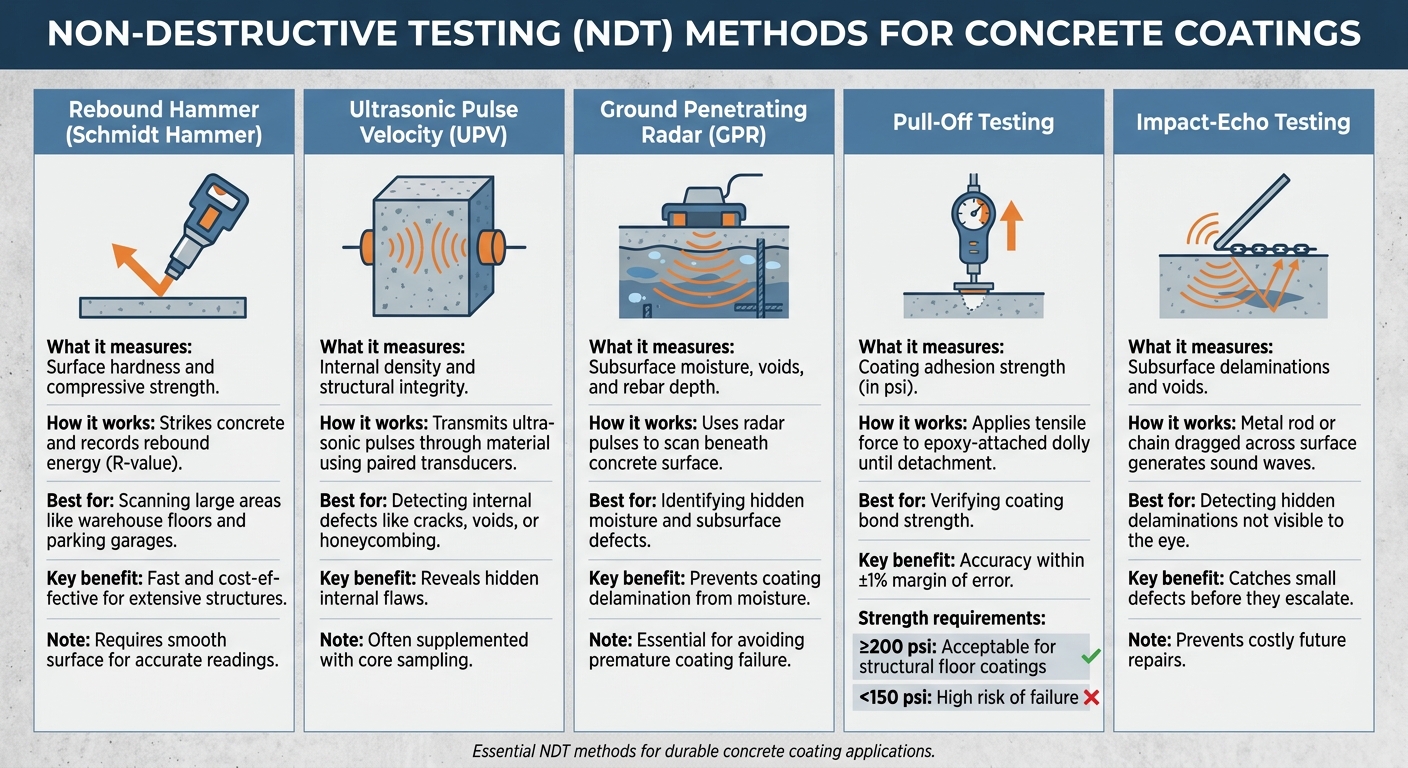
5 Non-Destructive Testing Methods for Concrete Coatings Comparison
When assessing concrete substrates for coating applications, three main non-destructive testing (NDT) methods stand out: the Rebound Hammer test, Ultrasonic Pulse Velocity (UPV) test, and Ground Penetrating Radar (GPR). Each of these tools provides unique insights into the quality of the concrete, ensuring it can support a durable and effective coating system.
Rebound Hammer Test for Surface Hardness
The Rebound Hammer, also known as the Schmidt Hammer, measures surface hardness by striking the concrete and recording the rebound energy. This energy, referred to as the R-value, correlates directly with the surface hardness and compressive strength of the material. It’s a fast and efficient method for scanning large areas like warehouse floors or parking garages to identify weak spots before applying coatings.
"Establishing the quality and properties of hardened concrete is central to evaluating a structure, whether it is decades old or still under construction." – Gilson Co.
For accurate results, rough or textured surfaces should be ground smooth before testing, as surface irregularities can affect the readings. The Rebound Hammer is one of the most cost-effective tools for quickly assessing the strength uniformity of extensive concrete structures. However, while surface hardness is critical, understanding the internal condition of the concrete is just as important.
Ultrasonic Pulse Velocity (UPV) Test for Internal Integrity
The UPV test evaluates the internal structure of concrete by transmitting ultrasonic pulses through the material using paired transducers. The time it takes for the signal to travel through the concrete indicates its density and can reveal internal defects like cracks, voids, or honeycombing.
"The signal’s transit time [in UPV testing] indicates the concrete’s density and is slowed by voids, inclusions, and discontinuities." – Gilson Co.
UPV data is particularly useful for confirming the material’s internal soundness. To improve the reliability of the results, UPV testing is often supplemented with core sampling from select areas.
Ground Penetrating Radar (GPR) for Moisture and Void Detection
GPR employs radar pulses to scan beneath the surface of the concrete, detecting moisture pockets, voids, and even the depth of reinforcing bars. This method is especially valuable for identifying hidden moisture, which is a common cause of concrete coating failures. By uncovering these subsurface issues, GPR ensures the substrate is properly prepared, reducing the risk of premature coating problems.
Hidden moisture or voids can severely impact the performance and longevity of a concrete coating system. GPR provides property owners with peace of mind, helping to avoid costly repairs and ensuring the coating system performs as intended.
Testing Adhesion and Performance with NDT
Once the substrate’s integrity is confirmed, the next step is to ensure the coating adheres properly and performs as expected. Two key tests – pull-off testing and impact-echo testing – help achieve this by measuring adhesion strength and uncovering hidden defects that could compromise durability.
Pull-Off Testing for Adhesion Strength
Pull-off testing measures how strongly a coating is bonded to its substrate. This is done by attaching a small metal dolly to the coating surface using a high-strength epoxy adhesive. Once the adhesive has fully cured, a portable pull-off tester applies a steadily increasing tensile force until the dolly detaches from the surface. The amount of force required is recorded, providing a clear indication of bond strength.
"For coatings to perform satisfactorily, they must adhere to the substrates on which they are applied." – DeFelsko
The type of failure observed – whether adhesive (between coating and substrate), cohesive (within the coating), or within the adhesive itself – offers valuable insights into the coating’s performance. For example, coatings for high-traffic floors typically require adhesion strengths of 200 psi or higher to avoid risks of delamination. On the other hand, readings below 150 psi suggest a significant likelihood of failure. Modern digital testers ensure accuracy, with a margin of error as low as ±1%.
While often referred to as non-destructive, pull-off testing does leave a small defect where the dolly was attached. This localized damage is minor and can be easily repaired, making the test an essential tool for assessing whether a coating can withstand environmental stresses like thermal changes, moisture, and mechanical loads over time.
Beyond measuring bond strength, identifying hidden delaminations is equally important for long-term performance.
Impact-Echo Testing for Delaminations
Impact-echo testing uses sound waves to detect subsurface defects that aren’t visible to the naked eye. A metal rod or chain is dragged across the coated surface, generating sound waves that reveal delaminations or voids beneath the surface.
This method is particularly effective at pinpointing small delaminations that could grow over time and lead to larger issues. This is a critical step in preventing moisture-related coating failures caused by trapped vapor. By catching these defects early, property owners can address them before they escalate into costly repairs.
Together, pull-off and impact-echo testing provide a thorough evaluation of a coating’s adhesion and overall reliability. These tests ensure the system is prepared to deliver the durability and protection expected from a professional installation. Choosing long-lasting floor coating options further ensures the system remains intact for years.
Using Non-Destructive Testing in Concrete Coating Projects
Incorporating non-destructive testing (NDT) into concrete coating projects can help avoid costly failures. Testing at critical points – both before and after installation – ensures the process runs smoothly and the results are durable.
Pre-Installation and Post-Installation Testing
Before coating installation, NDT methods evaluate if the concrete substrate is ready for the next step. For instance, rebound hammer testing provides a quick way to map surface hardness over large areas, highlighting spots that might need extra preparation. Meanwhile, Ultrasonic Pulse Velocity (UPV) testing goes beyond the surface, identifying internal issues like honeycombing or voids. These defects could cause problems like delamination if left unchecked. Together, these tools help confirm whether the concrete meets the required standards or needs remediation before applying the coating.
"In-place concrete testing is a significant part of assessing an existing structure’s physical condition and safety during routine maintenance, as preparation for structural modifications, or when changing ownership as a matter of due diligence." – Gilson Co.
Post-installation testing ensures the substrate is ready for coating application. Concrete maturity sensors, embedded during fresh pours, provide real-time strength data through cloud-based systems, confirming whether the substrate has reached the necessary strength. This step is especially important for projects with tight timelines. Using a combination of NDT methods, such as the SONREB technique, often delivers a more accurate compressive strength estimate than relying on a single test.
These pre- and post-installation evaluations are essential for ensuring a successful and long-lasting coating application.
How Croc Coatings Uses NDT in Their Installation Process

Croc Coatings integrates NDT into their process to uphold their one-day installation guarantee and lifetime warranty. Before applying their proprietary Penntek Evolution coating system – designed to be 4x stronger than epoxy – they assess the concrete’s condition with surface hardness tests and internal defect detection. This pre-installation evaluation identifies areas that need additional preparation, ensuring the concrete is ready to support their high-performance coating system effectively.
Conclusion
After diving into the various non-destructive testing (NDT) methods, it’s clear how crucial these tools are for ensuring the durability of coatings. NDT transforms uncertainty into measurable data, allowing professionals to evaluate compressive strength, internal voids, and surface hardness to ensure optimal adhesion strength without causing damage. These methods uncover hidden flaws that visual inspections might overlook, ensuring concrete surfaces – whether residential or commercial – are properly prepped for long-lasting coatings.
"Nondestructive testing methods are used to evaluate concrete properties by assessing the strength and other properties such as corrosion of reinforcement, permeability, cracking, and void structure." – Gilson Co.
For property owners, this means fewer surprises, lower maintenance costs, and coatings that live up to their promises for years. Verifying the quality of concrete through NDT ensures the substrate can handle even the toughest coating systems with confidence.
Croc Coatings takes this a step further by incorporating NDT into their process. They combine surface hardness testing with internal defect detection before applying their Penntek Evolution coating system. This approach aligns with rigorous industry standards like ACI 437R-19 and ASTM C823, showcasing their dedication to delivering results that match their lifetime warranty limitations.
FAQs
Which NDT test should I use for my concrete floor?
The most suitable non-destructive testing (NDT) method for your concrete floor hinges on the specific type of assessment you’re aiming for. If you’re looking to evaluate the internal structure and uncover potential flaws, ultrasonic testing is a solid choice. On the other hand, techniques like ground-penetrating radar or rebound hammer testing are better suited for examining surface conditions. For checking overall quality and durability, ultrasonic testing tends to be a preferred option. It’s always a good idea to consult with a professional to identify the method that aligns best with your needs.
Can NDT detect moisture that causes coating failure?
Non-destructive testing (NDT) is a reliable way to detect moisture in concrete, which can be a key factor in coating failure. By measuring moisture content or surface resistivity without harming the material, NDT helps maintain the integrity and longevity of coatings.
When should NDT be done before and after coating?
Non-destructive testing (NDT) plays a crucial role in ensuring the effectiveness of concrete coatings and should be performed both before and after the coating process.
Before applying the coating, NDT assesses the condition of the concrete. This includes evaluating its strength, structural integrity, and identifying any potential issues that could interfere with proper adhesion. Post-coating NDT, on the other hand, focuses on verifying the quality of the applied coating. It helps detect problems like delamination or cracks that could compromise the system’s performance.
By conducting NDT at both stages, you can help ensure the coating system delivers the durability and performance needed over time.