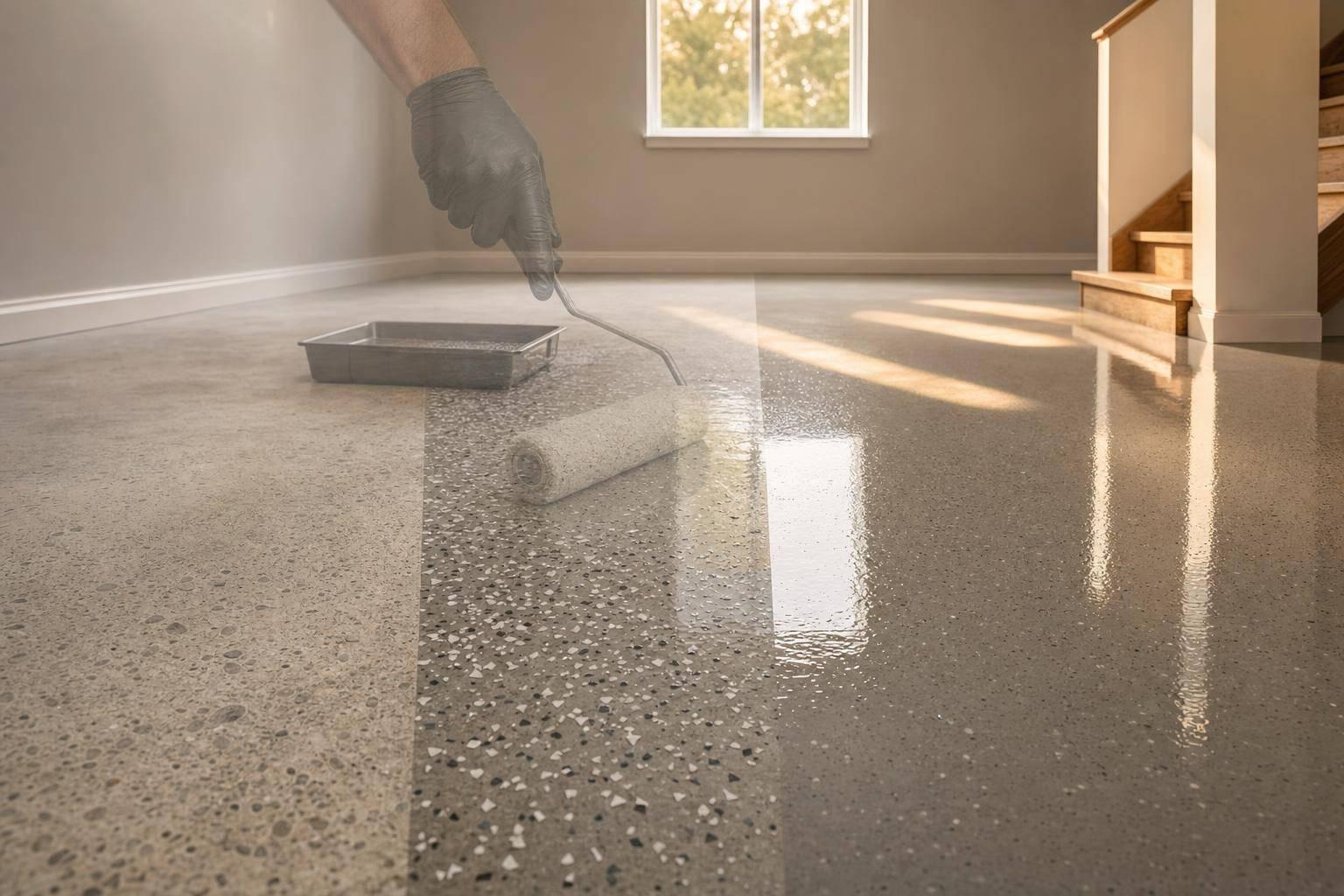
Polyurea coatings provide a long-lasting solution for protecting outdoor concrete floors from sun damage. Unlike epoxy, polyurea is flexible, cures faster, and resists UV rays, preventing cracking, fading, and yellowing. Its durable bond with concrete ensures structural integrity, even in extreme weather conditions.
Key benefits include:
- UV resistance: Maintains color and strength under sunlight.
- Fast curing: Walkable in 6 hours, fully cured in 24 hours.
- Flexibility: Expands and contracts with temperature changes, avoiding cracks.
- Chemical and waterproof protection: Shields against spills and moisture.
For areas with harsh climates, such as North Idaho and Eastern Washington, polyurea coatings like the Penntek Evolution system offer reliable protection, quick application, and a lifetime warranty for residential use. Whether for patios, driveways, or pool decks, polyurea extends the lifespan of concrete while reducing maintenance costs.
How Polyurea Coatings Block UV Damage
UV Stabilizers and Aliphatic Chemistry
Polyurea’s ability to shield surfaces from UV damage comes down to its unique chemical makeup. When formulated with aliphatic chemistry, polyurea coatings include isophorone diisocyanate (IPDI), which features single bonds instead of the double bonds found in aromatic formulations. This distinction matters because UV radiation tends to attack and break down double bonds, while single bonds hold up much better under prolonged sunlight exposure.
Tyler Gleckler, a chemist at ArmorThane, highlights this advantage:
"Unlike polyurethane, aliphatic polyureas are inherently resistant to UV radiation, and can withstand up to decades of exposure without yellowing or compromising its physical strength."
In contrast, aromatic polyurea formulations, which rely on diisocyanates with double bonds, are more susceptible to UV damage. They often yellow and degrade when exposed to outdoor conditions. To overcome this limitation, professionals frequently use a hybrid system: an aromatic base coat for structural durability paired with an aliphatic top coat for long-term UV resistance. This combination ensures both strength and extended protection against sunlight.
Long-Term Performance Under Sun Exposure
Accelerated UV aging tests provide a clear picture of how polyurea coatings perform over time. For instance, gloss levels can drop significantly – from 72.12 GU to 48.36 GU (a 33% decrease) within the first 200 hours of exposure, eventually retaining only 2.7% of their original gloss after 1,000 hours. Meanwhile, color shifts become noticeable, with the ∆E*ab value increasing from 12.03 to 13.67, showing a distinct yellowing effect. Microscopic analysis further reveals that UV exposure leads to the formation of micro-cracks as the polymer chains begin to break down.
While these tests simulate extreme conditions far beyond what most outdoor environments present, they underline the importance of choosing the right formulation. Aliphatic polyurea coatings specifically designed for UV resistance can endure real-world conditions for decades without losing their protective properties. However, it’s crucial to ensure the product is explicitly labeled as UV-resistant, as formulations lacking this feature will degrade much faster when exposed to sunlight.
sbb-itb-a0e5ae3
The uv stability test: Penntek vs. Epoxy vs. Common Polyurea
Polyurea vs Epoxy: UV Performance Comparison
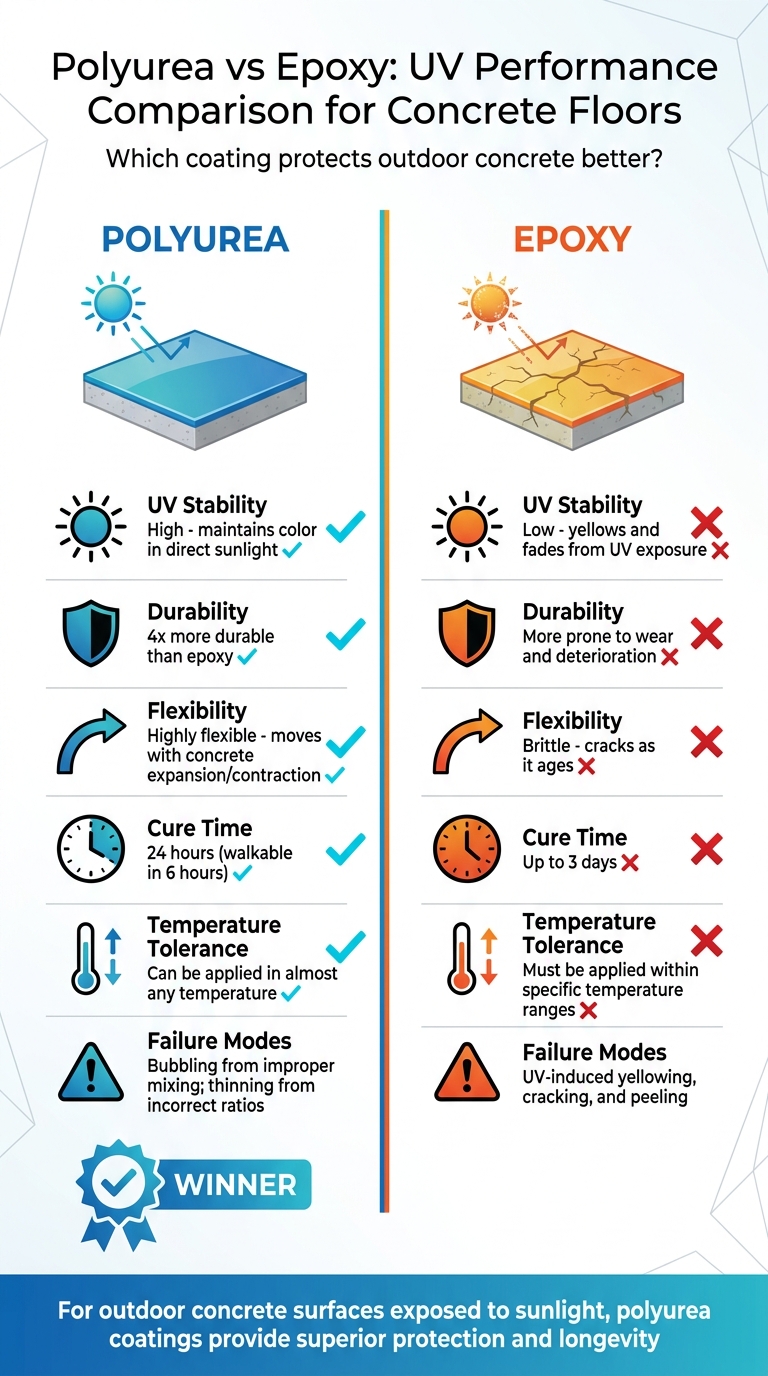
Polyurea vs Epoxy Coatings UV Performance Comparison
Let’s take a closer look at how epoxy garage floors and polyurea systems compare regarding sunlight exposure and durability.
Research on Epoxy Degradation in Sunlight
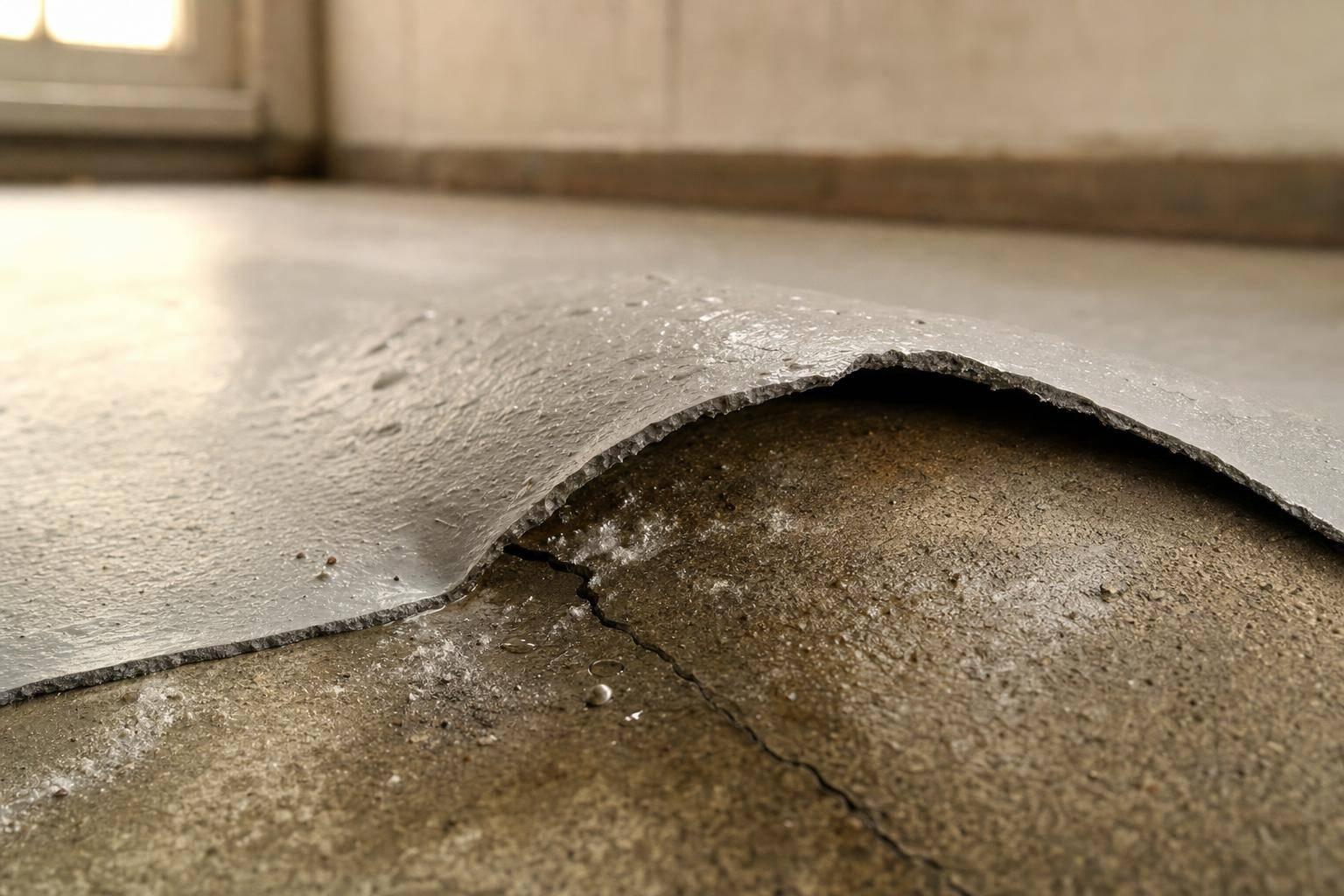
Epoxy coatings face a tough battle when exposed to sunlight for long periods. Standard epoxy resins are prone to yellowing and fading under UV exposure. Over time, this degradation only gets worse. Prolonged sun exposure causes epoxy coatings to crack, peel, and lose their structural integrity, especially on outdoor surfaces like patios, driveways, or pool decks.
One of the main reasons for this failure is epoxy’s brittleness. As temperatures fluctuate throughout the day and across seasons, epoxy coatings struggle to move with the expanding and contracting concrete beneath them. While they perform well in indoor, climate-controlled spaces such as basements, outdoor environments expose their vulnerabilities.
Why Polyurea Outperforms Epoxy for UV Resistance
The difference in UV performance between polyurea and epoxy lies in the materials’ inherent properties. Marvel Industrial Coatings highlights this clearly:
"Polyurea coatings are extremely durable, four times more so than an epoxy. The flexibility of the material is what makes it strong. Epoxy, however, is more brittle and can crack as time progresses."
Polyurea’s flexibility allows it to expand and contract with the concrete as temperatures shift, preventing cracks. Additionally, polyurea coatings maintain their color and resist UV damage much better than epoxy coatings.
However, Rebecca Harrell from Southwest Exteriors provides an important note of caution:
"If you want your sidewalk, driveway, or outdoor patio coated with a polyurea and polyaspartic concrete coating, you must make sure that it is specified to be UV resistant. Otherwise, your coating will fade and deteriorate quickly."
UV Performance Comparison Table
Here’s a quick breakdown of how polyurea and epoxy coatings stack up when it comes to UV performance:
| Feature | Polyurea Coatings | Epoxy Coatings |
|---|---|---|
| UV Stability | High; maintains color in direct sunlight | Low; yellows and fades from UV exposure |
| Durability | 4x more durable than epoxy | More prone to wear and deterioration |
| Flexibility | Highly flexible; moves with concrete expansion/contraction | Brittle; cracks as it ages |
| Cure Time | 24 hours (walkable in 6 hours) | Up to 3 days |
| Temperature Tolerance | Can be applied in almost any temperature | Must be applied within specific temperature ranges |
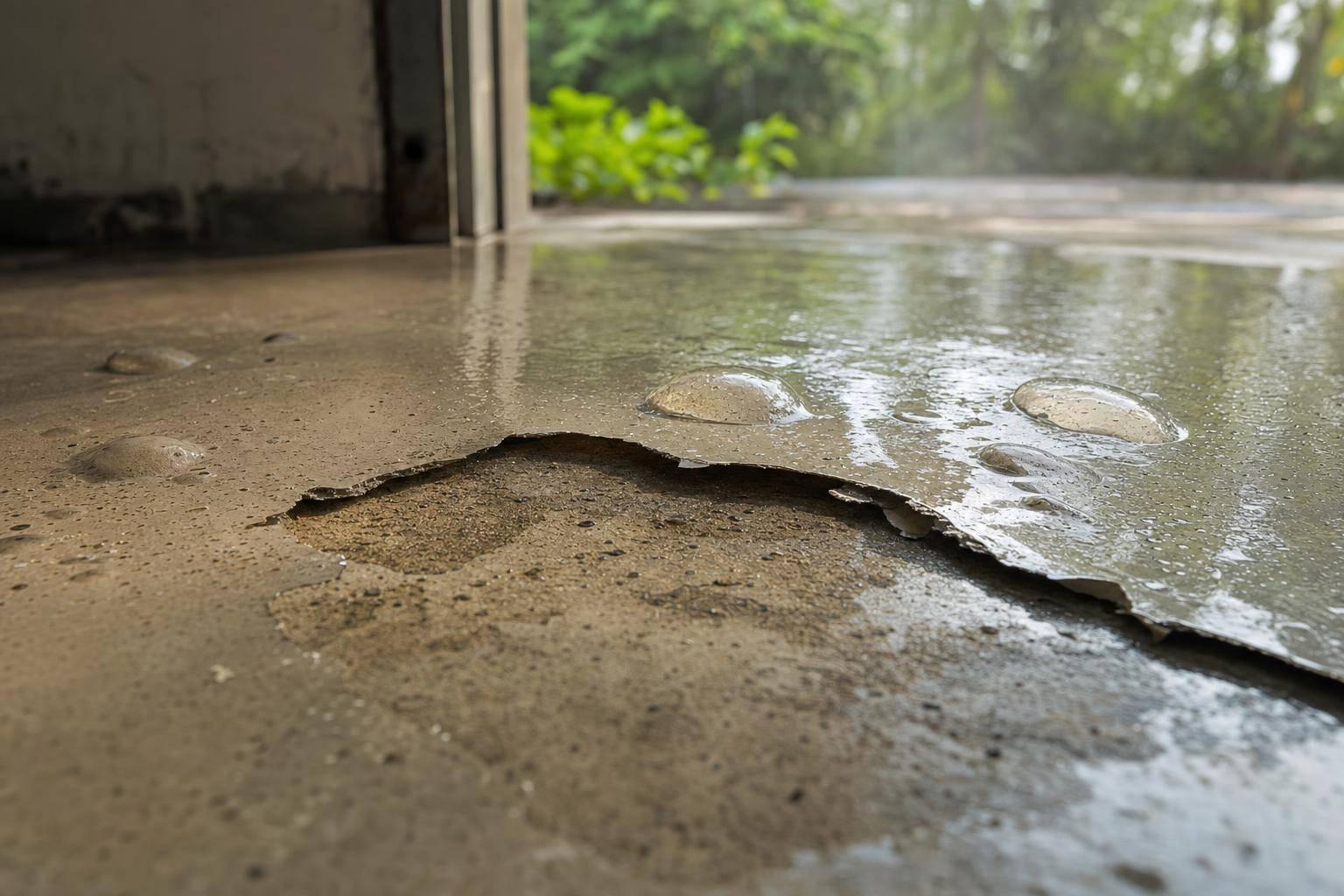
| Failure Modes | Bubbling from improper mixing; thinning from incorrect ratios | UV-induced yellowing, cracking, and peeling |
Where to Use Polyurea Coatings for Sun Protection
Protecting Outdoor Concrete Surfaces
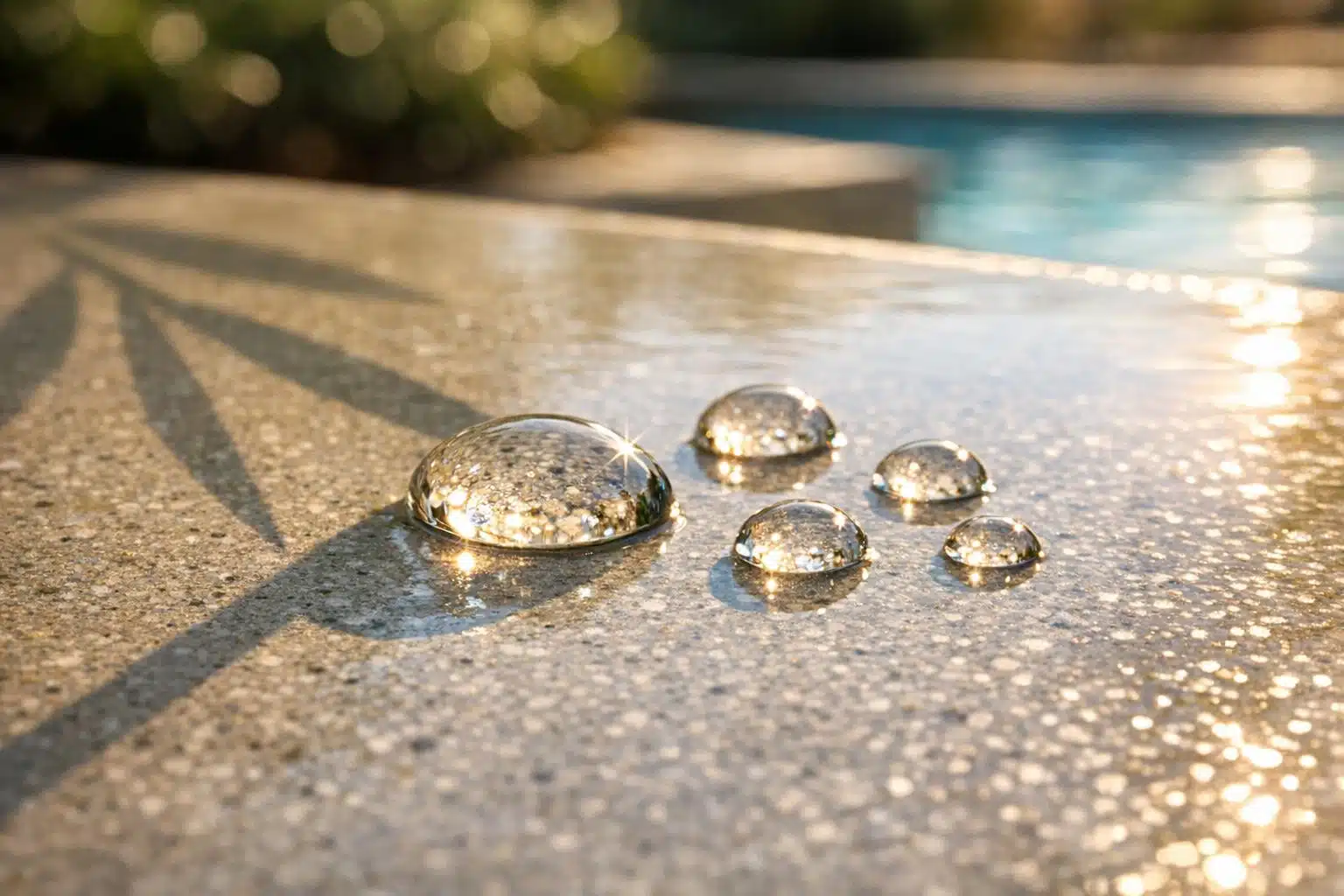
Polyurea coatings are an excellent choice for outdoor concrete surfaces that endure intense sunlight and fluctuating temperatures. Whether it’s patios, pool decks, driveways, or garage floors, these coatings help maintain both color and structural integrity under prolonged UV exposure and seasonal thermal changes. Plus, their waterproof properties make them ideal for pool areas, where constant moisture often leads to water stains and damage.
Another standout feature is their thermal flexibility impacts concrete coating durability by allowing the coating to handle the natural expansion and contraction of concrete during seasonal temperature swings, effectively preventing cracks in high-traffic zones. Polyurea’s heat resistance also shields garage floors from the wear caused by hot tires, a frequent issue in both residential garages and auto shops.
By combining durability with aesthetic preservation, polyurea coatings significantly enhance the lifespan of outdoor concrete surfaces.
Extending Concrete Floor Lifespan
Polyurea coatings don’t just protect against sunlight – they also extend the life of concrete surfaces. Thanks to their ability to deeply bond with the substrate, they create a resilient layer that withstands heavy use and shields the concrete from structural damage. Additionally, their polyurea vs. epoxy chemical resistance ensures protection against corrosive spills and moisture, both of which can compromise the integrity of unprotected concrete.
This level of protection also translates into lower maintenance costs. Polyurea-coated surfaces resist common issues like cracking from temperature changes and moisture damage, which are leading causes of concrete failure in outdoor settings. And with a one-day installation and curing process, property owners can enjoy long-lasting protection with minimal disruption.
Croc Coatings‘ Penntek Evolution System for UV Protection
Key Features of the Penntek Evolution System
Croc Coatings’ Penntek Evolution system combines UV-resistant polyurea and polyaspartic technologies to create a coating that’s built to last. It penetrates deep into porous concrete, forming a bond that’s 4 times stronger than traditional epoxy. Thanks to this strong bond and its flexibility, the coating can expand and contract with the concrete during temperature changes, preventing cracks or peeling under stress.
One of its standout features is the quick curing time. Surfaces are walkable in just 6 hours and ready for full use within 24 hours. This fast turnaround makes it ideal for projects that need to minimize downtime. Plus, the coating’s heat resistance eliminates the risk of "hot tire pick-up", a common issue where heated tires can pull up weaker coatings.
Beyond durability, the system offers waterproof and chemical-resistant properties, protecting concrete from oil spills, moisture, and stains. The slip-resistant finish ensures safety, and the lifetime warranty on residential applications provides added confidence and long-term value.
With its proven UV resistance and added durability, this system is more than ready to handle specific regional challenges.
Why It Works for North Idaho and Eastern Washington
The Penntek Evolution system is perfectly suited for the climates of North Idaho and Eastern Washington. In areas like Spokane and the Tri-Cities, concrete surfaces face harsh conditions – from blazing summer sun to freezing winters – that can quickly wear down unprotected surfaces.
This system is designed to handle extreme temperature ranges. Unlike epoxy, which requires a narrow range of conditions for installation, polyurea can be applied in nearly any weather. This adaptability is crucial in regions like North Idaho and Eastern Washington, where weather can change unpredictably.
Its thermal flexibility also ensures that the coating withstands seasonal temperature swings. Whether it’s a garage floor in Spokane dealing with freeze-thaw cycles or a patio in the Tri-Cities exposed to intense summer heat, the Penntek Evolution system holds up without losing its protective qualities or visual appeal. Year-round, it provides a reliable and durable solution for both homeowners and businesses.
Conclusion
Research highlights how polyurea outperforms epoxy in terms of UV resistance and durability.
Polyurea coatings offer reliable protection for outdoor concrete, standing up to harsh UV rays without fading or losing integrity. Unlike epoxy, which tends to degrade under UV exposure, polyurea maintains its color and structure thanks to its UV stability and thermal flexibility. It’s also 4 times stronger and cures in just a single day, compared to epoxy’s 3-day curing time. This faster curing process minimizes downtime while ensuring a tough, long-lasting finish.
For North Idaho and Eastern Washington, Croc Coatings’ Penntek Evolution system is an excellent choice for managing extreme temperatures and UV exposure. Its ability to be applied in almost any weather and endure freeze-thaw cycles makes it ideal for the region’s unpredictable climate.
Whether you’re protecting a garage floor in Spokane or a commercial surface in the Tri-Cities, polyurea coatings provide impressive durability, UV resistance, and peace of mind. Plus, with a lifetime warranty for residential applications, your investment is safeguarded for years to come.
FAQs
How can I tell if a polyurea coating is truly UV-resistant?
To determine if a polyurea coating is resistant to UV rays, check if it’s designed specifically for UV stability. Regular polyurea coatings can discolor or break down when exposed to sunlight unless they are formulated with UV-resistant properties or include protective additives. Make sure the product is clearly labeled as UV-stable to guarantee durability in sunny environments.
Will polyurea prevent cracks during freeze-thaw temperature swings?
Polyurea coatings are known for their flexibility, which makes them well-suited to handle temperature changes. This flexibility helps minimize the chance of cracks caused by freeze-thaw cycles. However, while they can reduce the likelihood, they aren’t capable of completely stopping cracks from forming in these conditions.
What prep does my concrete need before a one-day polyurea install?
Before starting a one-day polyurea installation, it’s essential to prepare the concrete properly. The surface needs to be clean, dry, and free of contaminants like oil, dirt, or debris. Any old coatings, sealers, or loose materials must be removed to ensure the new layer adheres correctly. Common preparation techniques include shot blasting or acid etching, both of which create a rough, porous surface that allows for better bonding. It’s also critical to confirm the concrete is completely dry – any moisture can weaken the durability of the coating.