When it comes to upgrading your garage, patio, or industrial floors, selecting the right coating material is a critical decision. For homeowners and small business owners in North Idaho and Eastern Washington – including Spokane and the Tri-Cities – who value aesthetics, durability, and functionality, the choice often boils down to two options: epoxy and polyaspartic coatings. Both materials are popular for their unique strengths, but the true magic lies in understanding how to use them effectively.
This article will break down the differences between epoxy and polyaspartic coatings, explain their ideal applications, and provide insights into why a hybrid approach can be the best solution for long-lasting and visually stunning results. For a deeper dive into the installation process, see our complete guide to epoxy and polyaspartic garage floors.
Epoxy vs Polyaspartic: Core Differences at a Glance
If you’re researching the difference between epoxy and polyaspartic, here’s the quick answer. The table below breaks down how these two coatings compare across the dimensions that matter most for your garage floor.
| Feature | Epoxy | Polyaspartic (Penntek-Certified Polyurea) |
|---|---|---|
| Chemical Composition | Two-part epoxy resin + hardener; forms a rigid plastic-like surface | Aliphatic polyurea/polyaspartic; a flexible, high-solids polymer |
| Cure Time | 12–24 hours to full cure; 6–8 hours walkable | 4–6 hours to full cure; walkable in 1–2 hours |
| Durability / Hardness | Hard but brittle; prone to chipping under impact | 4x stronger than epoxy; flexible enough to resist impact cracking |
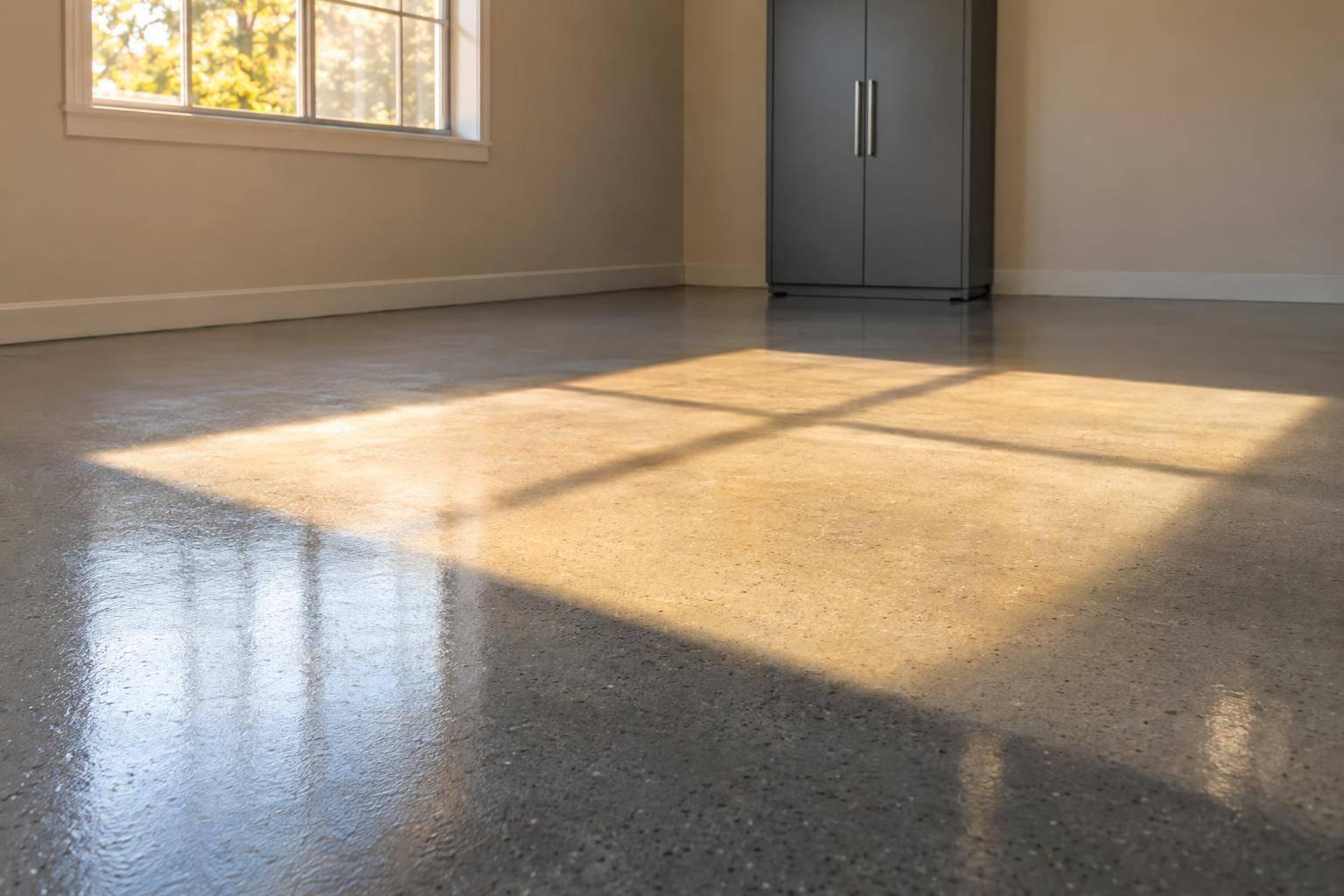
| UV Resistance | Yellows and chalks under sunlight exposure | UV-stable; won’t yellow or fade, even in direct sun |
| Flexibility | Low — rigid and susceptible to cracking with concrete movement | High — flexes with the slab through freeze-thaw cycles |
| Bond Type | Mechanical adhesion — grips the concrete’s surface profile | Chemical bond — fuses at the molecular level with the concrete |
| Cold-Weather Performance | Becomes brittle below 50°F; vulnerable to freeze-thaw cracking | Remains flexible down to -30°F; handles freeze-thaw cycles |
| Typical Cost (Installed) | $5–$7 per sq ft | $7–$9 per sq ft |
| Lifespan | 5–10 years with proper maintenance | 15–20+ years; backed by lifetime manufacturer warranty |
For a deeper breakdown of what drives these price differences, see our complete cost comparison guide. The cure time difference also has real implications for installation quality — learn more in our guide on polyurea curing vs epoxy. And if you’re still weighing which coating is right for your floor, our breakdown of whether polyaspartic is better than epoxy covers the full picture.
Understanding Epoxy: The Trusted Classic
Epoxy has been a mainstay in the world of floor coatings for over 75 years. Originating in the 1950s, this two-component polymer (a resin and a hardener) creates a plastic-like surface when cured. One of its standout features is its ability to form a robust bond with concrete, which has made it a go-to choice for industrial, commercial, and residential applications.
Why Epoxy Stands Out:
- Proven Track Record: Billions of square feet of epoxy have been applied worldwide over the decades, making it one of the most trusted materials for floor coatings.
- Deep Bonding Properties: Epoxy is slower to cure than polyurea, allowing it to penetrate the pores of concrete and form a strong mechanical and chemical bond.
- Durability: Epoxy’s hardness and strength make it ideal for a base coat, though it’s important to weigh the epoxy garage floor pros and cons regarding long-term durability.
When Epoxy Excels:
Epoxy coatings are particularly effective as base layers that bond seamlessly to concrete. Thanks to their slower curing time, they allow for proper adhesion and provide ample time to incorporate decorative elements like chips for a polished finish.
Exploring Polyaspartic: The Modern Marvel
Polyaspartic, a type of polyurea, is a newer material that burst onto the scene in the 2000s. Known for its fast-setting properties, it’s often marketed as a high-performance alternative to epoxy. These polyurea coatings reduce floor maintenance while providing long-term durability. While polyaspartic coatings bring impressive benefits, they come with unique challenges that make them less suitable for certain applications when used on their own.
Key Benefits of Polyaspartic:
- Speed: Polyaspartic coatings cure significantly faster than epoxy, which can be advantageous for topcoats, especially in fast-paced environments.
- UV stability: Unlike epoxy, polyaspartic doesn’t yellow when exposed to sunlight, making it an excellent choice for areas with direct sunlight, like garage aprons.
- Scratch and Chemical Resistance: Polyaspartic topcoats are more resistant to scratches, gasoline, and oil spills, making them ideal for protecting high-traffic floors.
The Limitations:
While speed can be its strength, polyaspartic’s fast curing time can be a drawback in real-world scenarios. For instance, high heat and humidity can accelerate the curing process, reducing the material’s ability to bond properly to concrete. This is why polyaspartic isn’t always the best choice for the base coat in residential applications.
Hybrid Systems: The Best of Both Worlds
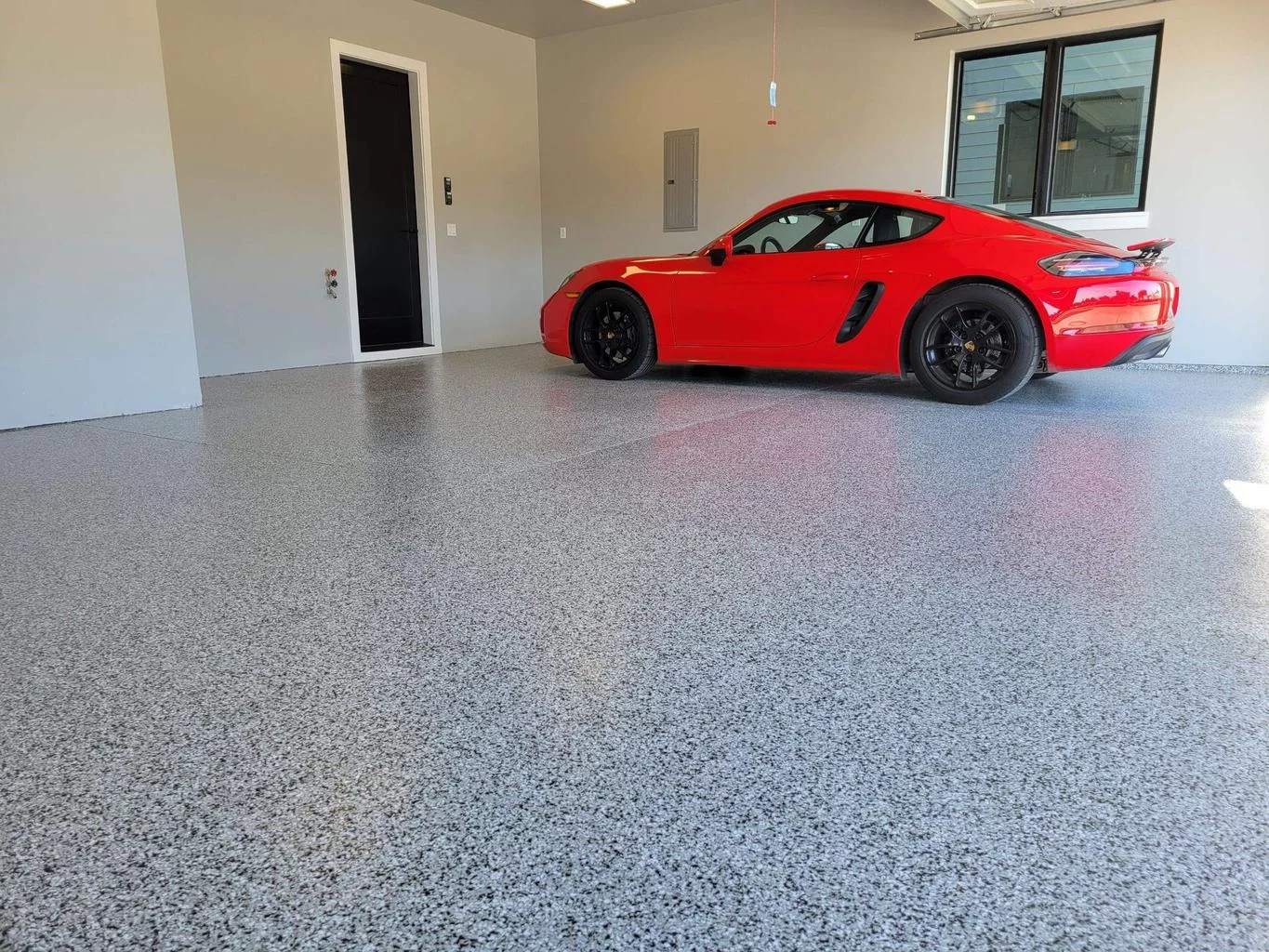
Instead of pitting epoxy and polyaspartic against each other, a more nuanced approach is to leverage their individual strengths as part of a hybrid flooring system. This strategy involves using epoxy for the base coat and polyaspartic for the topcoat, creating a floor that delivers both superior adhesion and durability.
Why a Hybrid Approach Works:
- Optimal Bonding: Epoxy’s slower curing process allows it to penetrate deep into the concrete, ensuring a strong, lasting bond.
- Aesthetic Perfection with Chips: Epoxy’s curing time also provides enough flexibility to evenly distribute decorative chips, resulting in a flawless finish, which you can preview using a garage floor coating color picker.
- Enhanced Durability with Polyaspartic: Applying a polyaspartic topcoat the following day ensures a scratch-resistant, UV-stable surface that maintains its appearance over time.
Avoiding the "One-Day Floor" Pitfall:
Some companies promote "one-day floors" using polyaspartic for both the base and topcoat. While this may seem convenient, it often sacrifices long-term quality for speed. Rushed installations in hot or humid conditions can lead to poor adhesion and premature peeling. A two-day process, though slightly longer, ensures superior results with minimal hassle for homeowners, who can use a garage floor coating cost calculator to budget for the project.
Chemical Bond vs Mechanical Bond: Why It Matters
The single biggest technical difference between epoxy and polyaspartic — and the one that most determines long-term performance — comes down to how each material attaches to your concrete.
Epoxy relies on mechanical adhesion. Think of it like Velcro: the epoxy flows into the pores and scratches of a properly prepared concrete surface and hardens there, physically gripping the profile. That grip is strong when the surface prep is flawless, but it’s only as good as the top layer of concrete it’s holding onto. When that top layer weakens — from moisture, freeze-thaw stress, or heavy use — the mechanical grip lets go. Failed epoxy floors often peel in large sheets because once one section of the grip fails, the surrounding area follows. Industry data backs this up: field inspections of delaminated epoxy coatings typically show pull-off values of just 50–80 psi in failed zones, compared to 300 psi or higher in areas where the bond is still intact.
Polyaspartic/polyurea forms a chemical bond. As a Penntek-certified installer, the polyurea system Croc Coatings uses doesn’t just grip the surface — it fuses with the concrete at the molecular level. During curing, the material chemically cross-links with the calcium hydroxide naturally present in cured concrete, creating a single integrated surface rather than two layers held together by friction. This is why polyurea floors resist delamination even under conditions that would cause an epoxy floor to separate: the bond isn’t dependent on surface roughness alone.
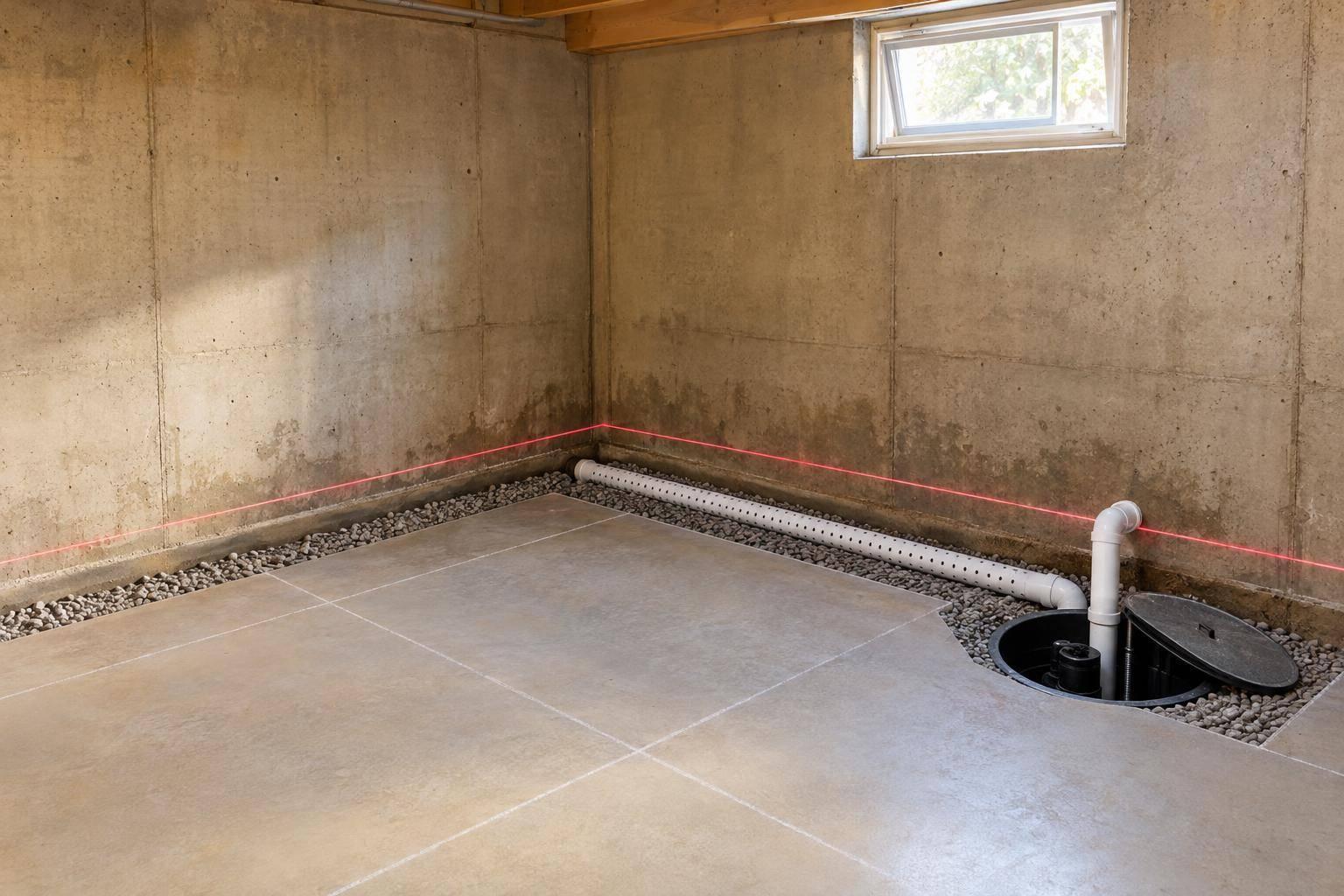
The practical difference for a homeowner? A chemically bonded floor handles moisture vapor from below the slab, freeze-thaw cycling, and heavy rolling loads without the progressive peeling that plagues mechanically bonded coatings. It’s not that epoxy’s bond is weak — it’s that its failure mode is catastrophic once it starts, while a chemical bond degrades evenly rather than in sheets. For a closer look at how this plays out under real use, see our comparison of polyaspartic vs epoxy for high-traffic floors.
Debunking Misconceptions: Epoxy vs. Polyaspartic
Myth 1: "Epoxy Yellows Over Time"
While it’s true that epoxy can yellow when exposed to sunlight, this isn’t an issue when used as a base coat. A UV-resistant polyaspartic topcoat effectively addresses this concern.
Myth 2: "Polyaspartic Is Always Better"
Epoxy and polyurea coatings each excel in specific applications, but they’re not a one-size-fits-all solution. Their fast curing time can be a liability in real-world, variable conditions like high humidity or heat.
Myth 3: "Speed Equals Quality"
While faster curing times can be beneficial for topcoats, rushing the entire process often results in common epoxy garage floor mistakes and compromised quality. A carefully paced installation ensures a durable and visually appealing floor.
Cold Weather and Temperature Performance
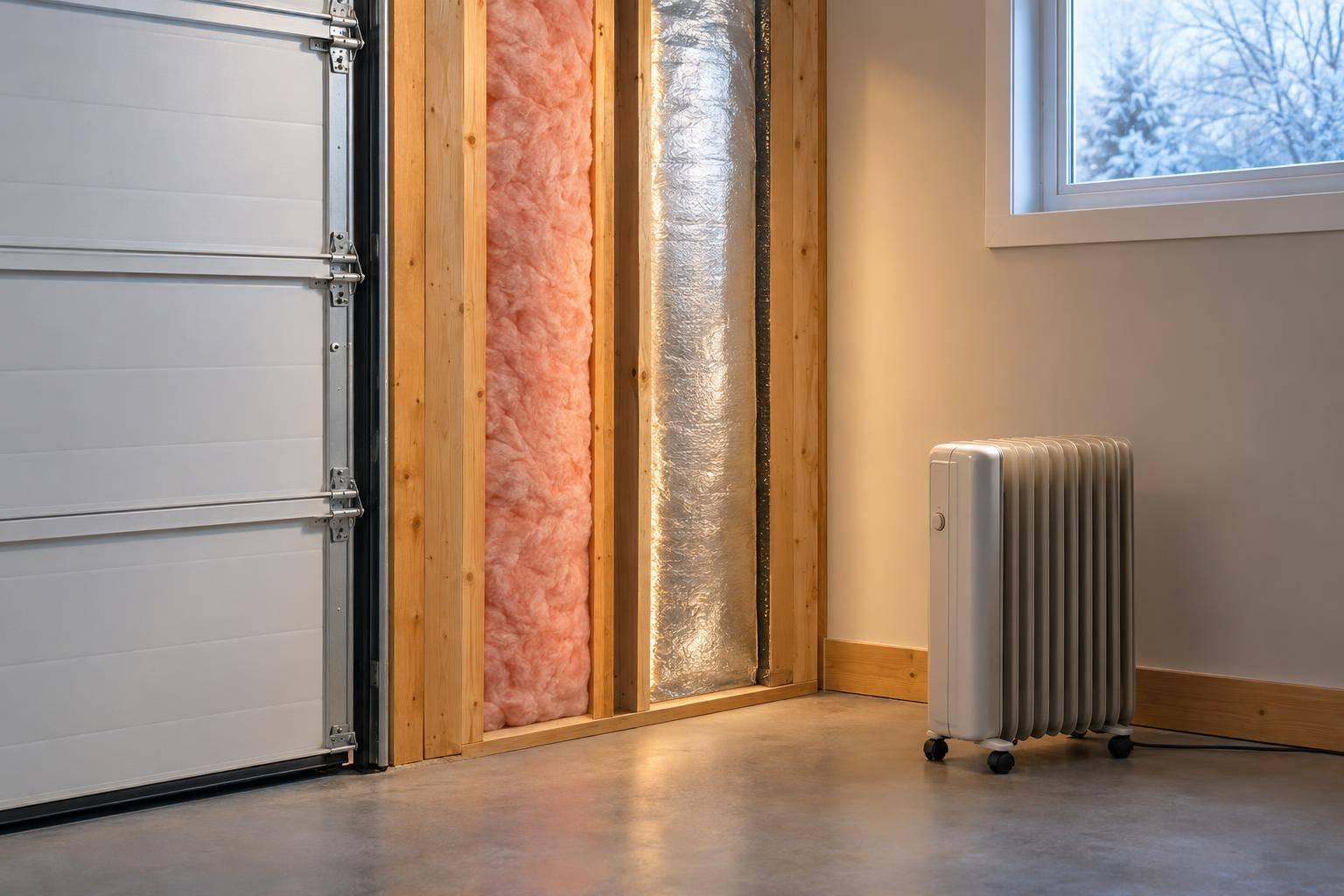
For homeowners in North Idaho and Eastern Washington — from Coeur d’Alene and Sandpoint to Spokane and the Tri-Cities — winter durability isn’t a footnote. It’s the test your garage floor faces every year.
Why freeze-thaw cycles destroy floors. When moisture seeps into the pores of your concrete slab and freezes, water expands by approximately 9% in volume. That expansion generates internal pressure that micro-fractures the concrete surface. When temperatures rise and the ice melts, the process repeats — and each cycle widens those fractures. Now add a rigid, mechanically bonded epoxy coating on top: the coating can’t flex with the moving concrete, so it cracks, separates, and eventually delaminates at the edges of each freeze-damaged zone.
Polyaspartic handles the cold differently. Because polyaspartic/polyurea remains flexible well below freezing — it can be applied in temperatures as low as -30°F, compared to epoxy’s 50°F minimum slab temperature — it moves with the concrete through freeze-thaw cycles rather than fighting them. The chemical bond (covered above) also means there’s no mechanical grip to lose when the slab surface shifts. This is why polyurea-coated garages in cold climates show far fewer seasonal failures than epoxy-only floors.
A note on hot-weather installation. Polyaspartic’s fast cure time — one of its biggest advantages in cold weather — can work against it in high heat and humidity, as discussed in the Hybrid Systems section above. In hot conditions, polyaspartic cures so quickly that it may not bond properly as a base coat. That’s exactly why the hybrid approach (epoxy base + polyaspartic topcoat) is so effective: it uses each material in the conditions where it performs best. The temperature during installation also affects material and labor costs — our breakdown of five cost factors for polyaspartic vs epoxy explains what to watch for.
Factors to Consider When Choosing a Contractor
For homeowners and business owners, navigating the technical jargon surrounding epoxy and polyaspartic coatings can feel overwhelming. To simplify the decision-making process, focus on these key factors when selecting a contractor:
- Experience: Look for providers with a proven track record, ideally with decades of experience and thousands of completed projects.
- Reputation: Reliable contractors will have strong reviews and repeat clients, including partnerships with reputable builders.
- Process Transparency: A trustworthy contractor will explain their materials and methods, avoiding one-size-fits-all solutions.
- Warranty: Opt for companies that back their work with comprehensive warranties, reflecting their confidence in the quality of the installation. Proper preparation for a 1-day floor coating is also a hallmark of a professional team.
Key Takeaways
- Epoxy and Polyaspartic Are Complementary: Instead of viewing them as competitors, treat them as tools with distinct strengths.
- Epoxy Is Best for the Base Coat: Its slower curing time ensures a strong bond with the concrete.
- Polyaspartic Shines as a Topcoat: With UV resistance and scratch durability, it’s perfect for the protective layer.
- Avoid "One-Day Floors": While tempting, rushing the process can lead to subpar results and long-term issues. It is also important to understand the polyaspartic vs epoxy cost breakdown before starting.
- Choose Experience Over Marketing: Contractors with years of expertise and a deep understanding of material science will deliver superior results.
- Environmental Factors Matter: Heat, humidity, and other real-world conditions can affect curing times and overall performance.
Conclusion
Selecting the right combination of epoxy and polyaspartic coatings is key to achieving a durable, visually stunning floor that stands the test of time. By understanding the unique strengths of each material and opting for a hybrid approach, homeowners and small business owners in regions like North Idaho and Eastern Washington can enjoy a seamless, high-quality installation tailored to their needs.
For a full cost comparison across all garage floor coating options — including polyurea, polished concrete, and DIY kits — see our complete comparison guide.
When making your final decision, prioritize contractors who value quality over speed and have the experience to deliver long-lasting results. With the right team and materials, your floors can transform into a functional and beautiful space that enhances the value of your property.
Related Blog Posts
- Garage Floor Coating FAQ: Expert Answers
- Polyurea vs. Epoxy: Eco-Friendly Garage Floor Options
- Polyaspartic vs Epoxy: Cost Breakdown
- Top 3 Benefits of Polyurea for Garage Floors