Wondering what polyaspartic vs epoxy actually costs — not just the ballpark numbers, but what you’ll write the check for? Here are the real figures, straight from Croc Coatings’ pricing in North Idaho and Eastern Washington:
- Polyaspartic (professional install): $7–$9 per square foot base. A standard two-car garage (~360 sq ft) runs $2,000–$5,800 total, depending on floor condition and decorative choices.
- Epoxy (professional install): $5–$7 per square foot base. That same two-car garage runs $1,500–$3,500.
- The number that changes the math: Polyaspartic lasts 15–25 years with one install. Epoxy needs reapplication every 5–7 years. Over 20 years, polyaspartic costs roughly $2,880 total vs epoxy’s $7,200 — a 2.5:1 advantage for the “more expensive” option.
- Financing makes the upfront gap smaller: 0% interest for 12 months means the polyaspartic premium spreads across a year of payments instead of one lump sum.
Every figure below answers one question: what does this mean for my wallet?
Polyaspartic vs Epoxy Cost at a Glance
| Cost Factor | Polyaspartic | Epoxy |
|---|---|---|
| Per sq ft (professional) | $7–$9 | $5–$7 |
| 2-Car Garage (~360 sq ft) | $2,000–$5,800 | $1,500–$3,500 |
| Lifespan | 15–25 years | 5–7 years |
| Reapplications (20 years) | 0 | 3–4 |
| 20-Year Total Cost | ~$2,880 | ~$7,200 |
| Cost Per Year | ~$144 | ~$360 |
| DIY Feasibility | Not realistic (30-min pot life) | Moderate (60+ min working time) |
| Installation Time | 1 day | 3–5 days |
Polyaspartic vs Epoxy Garage Floors Debate
Per-Square-Foot Pricing: What You’ll Actually Pay
Industry-wide, polyaspartic floor coatings run $4–$9 per square foot for professional installation, according to Bob Vila’s cost analysis. Epoxy professionally installed runs $4–$10 per square foot, per HomeGuide’s 2026 pricing data.
Croc Coatings’ pricing sits in the middle of those ranges — but we publish the numbers upfront, which most contractors don’t:
| Coating | Croc Coatings Base Price (per sq ft) | Industry Range |
|---|---|---|
| Polyaspartic | $7–$9 | $4–$9 |
| Epoxy | $5–$7 | $4–$10 |
The $2–$5 per-square-foot gap between polyaspartic and epoxy comes down to material chemistry. Polyaspartic’s UV-stable aliphatic polymers cost more to manufacture than epoxy’s aromatic resins — but they also don’t yellow, don’t chalk, and don’t need a protective topcoat to survive sunlight. You’re paying for the chemistry, and the chemistry pays off over time.
Total Project Cost by Garage Size
Garage dimensions drive the total bill. Here’s what you can expect at Croc Coatings’ base rates — before decorative upgrades:
| Garage Size | Square Footage | Polyaspartic (Total) | Epoxy — Pro Install (Total) |
|---|---|---|---|
| 1-Car | ~240 sq ft | $1,680–$2,160 | $1,200–$1,680 |
| 2-Car | ~360 sq ft | $2,000–$5,800 | $1,500–$3,500 |
| 3-Car | ~500 sq ft | $3,500–$4,500 | $2,500–$3,500 |
The ranges reflect real-world variables: a floor with cracks or moisture issues needs more prep, and decorative choices push the number toward the high end. Get a project-specific estimate with our garage floor coating cost calculator.
Installation Costs: Why Timeline Hits Your Wallet
A one-day install isn’t just convenient — it’s cheaper on labor. Here’s why:
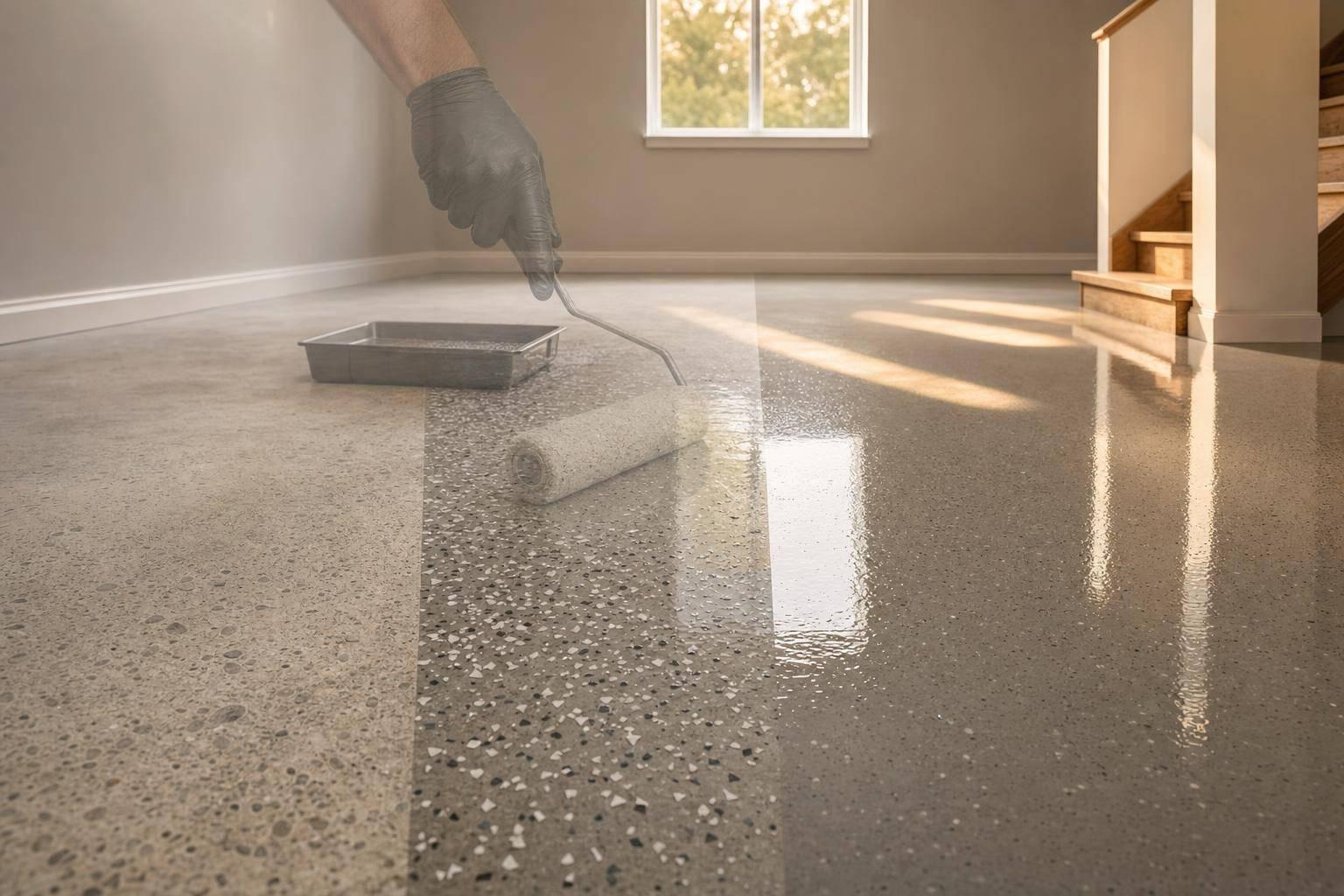
Polyaspartic cures fast enough that the entire job — grinding, base coat, flake broadcast, and topcoat — finishes in a single day. The crew shows up once. You pay for one trip, one setup, and one day of labor.
Epoxy needs 12–24 hours between each coat. A standard three-coat system spans 3–5 days before you can park on it, and the crew makes multiple trips. That multiplies labor cost even at a lower hourly rate.
The surface prep is the same either way — diamond grinding, crack filling, moisture mitigation — so prep cost is a wash. The difference is purely in application labor, and polyaspartic’s speed wins.
For the full breakdown of what drives installation costs — material quality, floor condition, application complexity — see our 5 Cost Factors guide.
What Adds to the Price
Base pricing covers a standard single-color flake floor in good condition. These upgrades shift you higher in the range:
- Decorative flake blends and custom colors: Add 15–40% to the base price. Vinyl flakes broadcast into the wet base coat are standard; multi-color blends, full-flake coverage, and metallic finishes cost more.
- Surface preparation for damaged floors: Cracks, spalling, or failed prior coatings require extra grinding, patching, or moisture barriers — typically $1–$3 per square foot in additional prep.
- Metallic finishes: A premium look that uses different pigments and application techniques. Expect a 25–50% premium over standard flake systems.
- Multi-coat systems for high-traffic areas: Extra topcoats for commercial or heavy-use residential spaces add $1–$2 per square foot.
Each of these factors is covered in detail on our 5 Cost Factors page — the companion guide that explains why these prices are what they are.
DIY vs Professional: The Real Cost of Rolling the Dice
DIY Epoxy: Lower Upfront, Real Downside Risk
A DIY epoxy kit from a home improvement store runs $500–$1,500 in materials for a two-car garage. That’s genuinely cheaper than professional installation — if everything goes right.
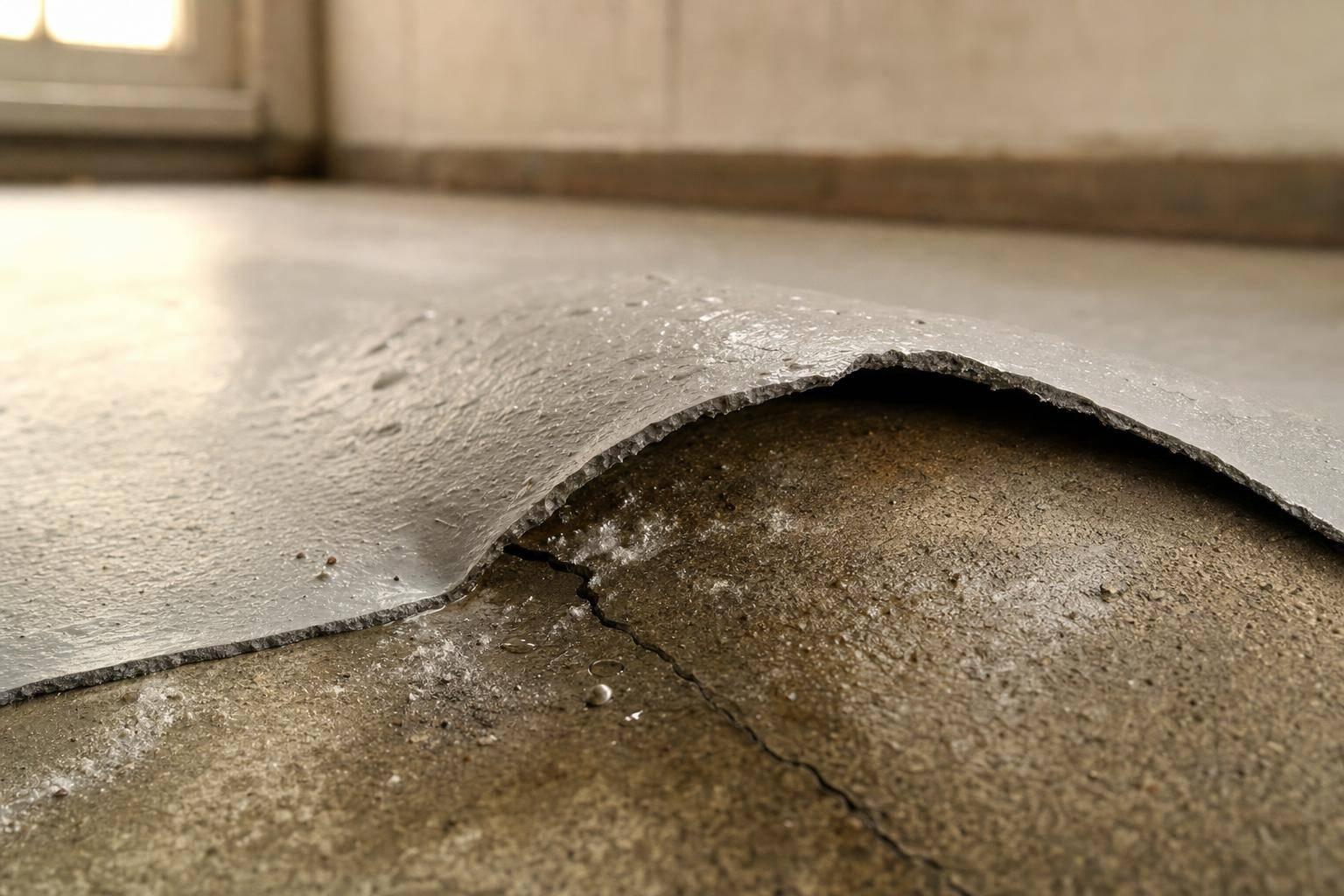
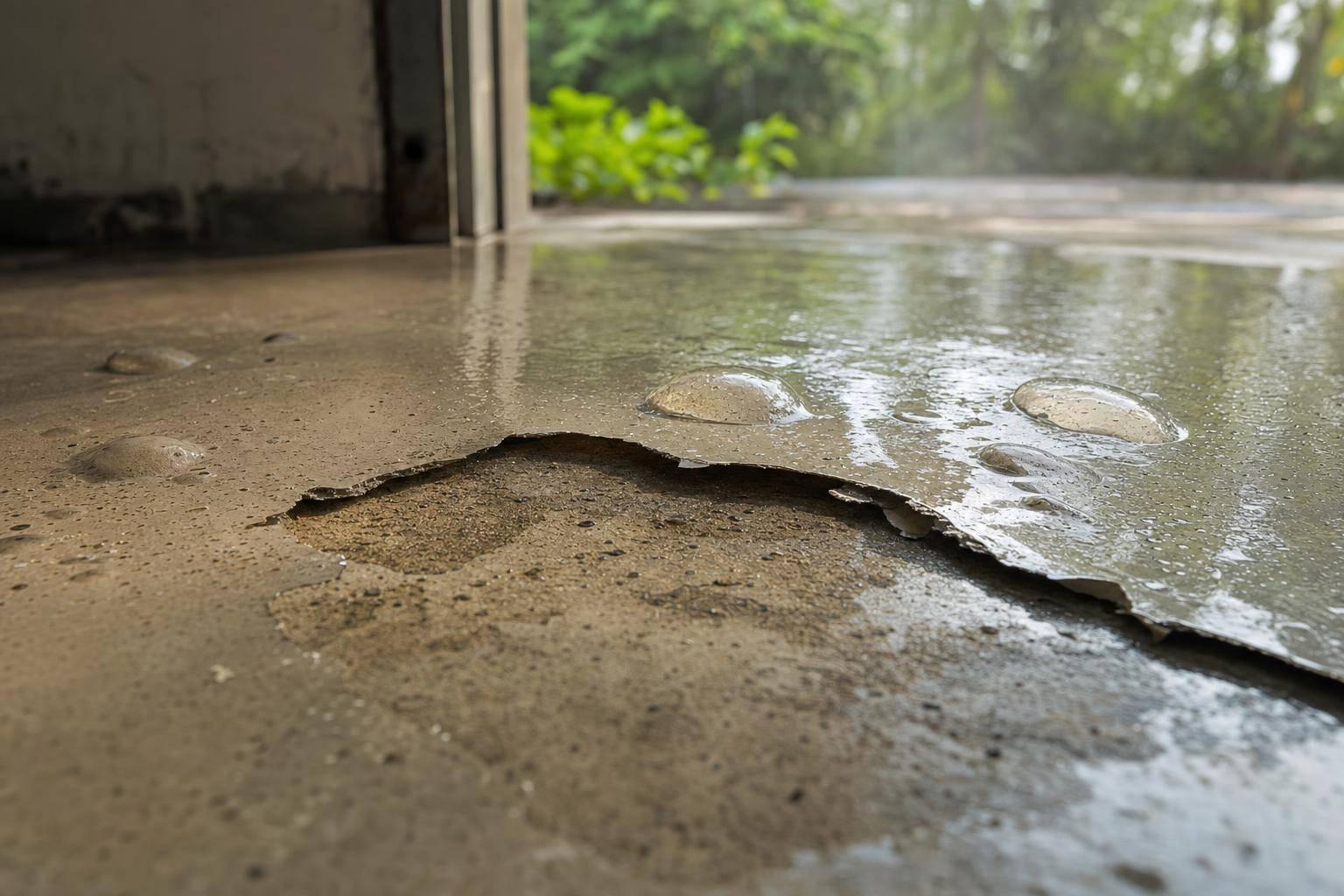
The problem: epoxy DIY fails often. Inadequate surface prep (the #1 cause), moisture vapor from the slab causing bubbles, or uneven application leaving thin spots that wear through. When it fails, you’re paying a professional to strip it and start over — at $2,000–$5,000 to remove the failed coating and redo the floor correctly.
That’s the risk math: save $1,000–$2,500 upfront, or risk a $2,000–$5,000 fix. Our DIY vs professional cost comparison runs the full numbers.
Polyaspartic DIY: Not an Option
Polyaspartic has a 30-minute pot life. Once you mix it, you have half an hour to apply the entire batch before it cures in the bucket. It requires plural-component spray equipment and a trained crew working in sync. There is zero margin for error — mistakes are permanent. This isn’t a product designed for weekend projects, and that’s by design: the same chemistry that enables a one-day install makes DIY impossible.
| DIY Factor | Polyaspartic | Epoxy |
|---|---|---|
| Material Cost (2-car garage) | N/A (not sold DIY) | $500–$1,500 |
| Pot Life | ~30 minutes | 60+ minutes |
| Application Method | Pro spray equipment only | Roller or squeegee |
| Risk of Failure | Effectively guaranteed | Moderate |
| Cost to Fix a Failed DIY Job | — | $2,000–$5,000 |
Total Cost of Ownership: The 20-Year Math
This is where the cost conversation flips — and it’s the strongest argument for polyaspartic. Let’s run a 20-year comparison for a standard 360 sq ft two-car garage:
Polyaspartic (one-time install):
– Installation: 360 sq ft × $8/sq ft (mid-range) = $2,880
– Maintenance: Clean as needed — no re-coating, no re-sealing
– Reapplication: None (20+ year lifespan)
– 20-year total: $2,880
Epoxy (with reapplication every 5 years):
– Initial installation: 360 sq ft × $5/sq ft (mid-range pro) = $1,800
– Reapplication at year 5: $1,800
– Reapplication at year 10: $1,800
– Reapplication at year 15: $1,800
– Maintenance between cycles: cleaning and touch-ups
– 20-year total: $7,200
| Cost Factor | Polyaspartic | Epoxy |
|---|---|---|
| Initial Install (360 sq ft) | $2,880 | $1,800 |
| Reapplications (20 years) | 0 | 3 |
| Total 20-Year Cost | ~$2,880 | ~$7,200 |
| Cost Per Year | ~$144 | ~$360 |
Polyaspartic costs roughly $144 per year. Epoxy costs roughly $360 per year — more than double. And those epoxy reapplications each come with the same disruption: clear out the garage for 3–5 days, three separate times over two decades.
For the full durability comparison that underpins this math — why polyaspartic lasts 3–4x longer — see our complete polyaspartic vs epoxy guide.
Polyaspartic Disadvantages: The Cost Perspective
No coating is perfect, and polyaspartic’s drawbacks matter most when you’re writing the check:
Higher upfront cost. The $2–$5 per-square-foot premium is real. If you’re on a tight budget for a large indoor space with no sun exposure, epoxy at $5–$7/sq ft may genuinely be the right call — the long-term math only works if you stay in the home long enough to reach the crossover point (typically year 7–8).
Mandatory professional installation. You cannot save money by DIY-ing polyaspartic. The product doesn’t exist as a consumer kit — and for good reason. If you’re determined to install your own floor, epoxy is the only option.
No budget tier for small spaces. Polyaspartic’s fixed mobilization costs (crew, equipment, minimum job size) mean very small floors — under 150 sq ft — carry a higher effective per-square-foot rate.
Thinner application profile. Polyaspartic achieves strength through chemical cross-linking, not thickness. It won’t self-level significant concrete imperfections the way a thick epoxy mortar coat can — so floors with deep pitting or spalling may need extra prep work, adding to the total bill.
These are honest trade-offs. For most homeowners, the lifetime math still favors polyaspartic — but knowing the downsides helps you make the decision with eyes open. For a broader look at how polyaspartic and epoxy stack up beyond just cost, see our comparison of which coating handles high-traffic floors best.
sbb-itb-a0e5ae3
Croc Coatings Pricing & Your Project
Croc Coatings is the exclusive Penntek-certified installer serving North Idaho and Eastern Washington — including Coeur d’Alene, Spokane, Sandpoint, and the Tri-Cities. With over 1,700 completed projects and 340+ five-star reviews, we bring professional-grade polyaspartic floors to homeowners who want long-term performance.
The Penntek Evolution System
The Penntek Evolution industrial coating system combines a polyurea base coat with a UV-stable polyaspartic topcoat — a hybrid approach engineered for heavy residential use:
| Application | Why Penntek Works |
|---|---|
| Garage Floors | Chemical and impact resistance for daily vehicle traffic |
| Pool Decks | UV-stable and slip-resistant around water |
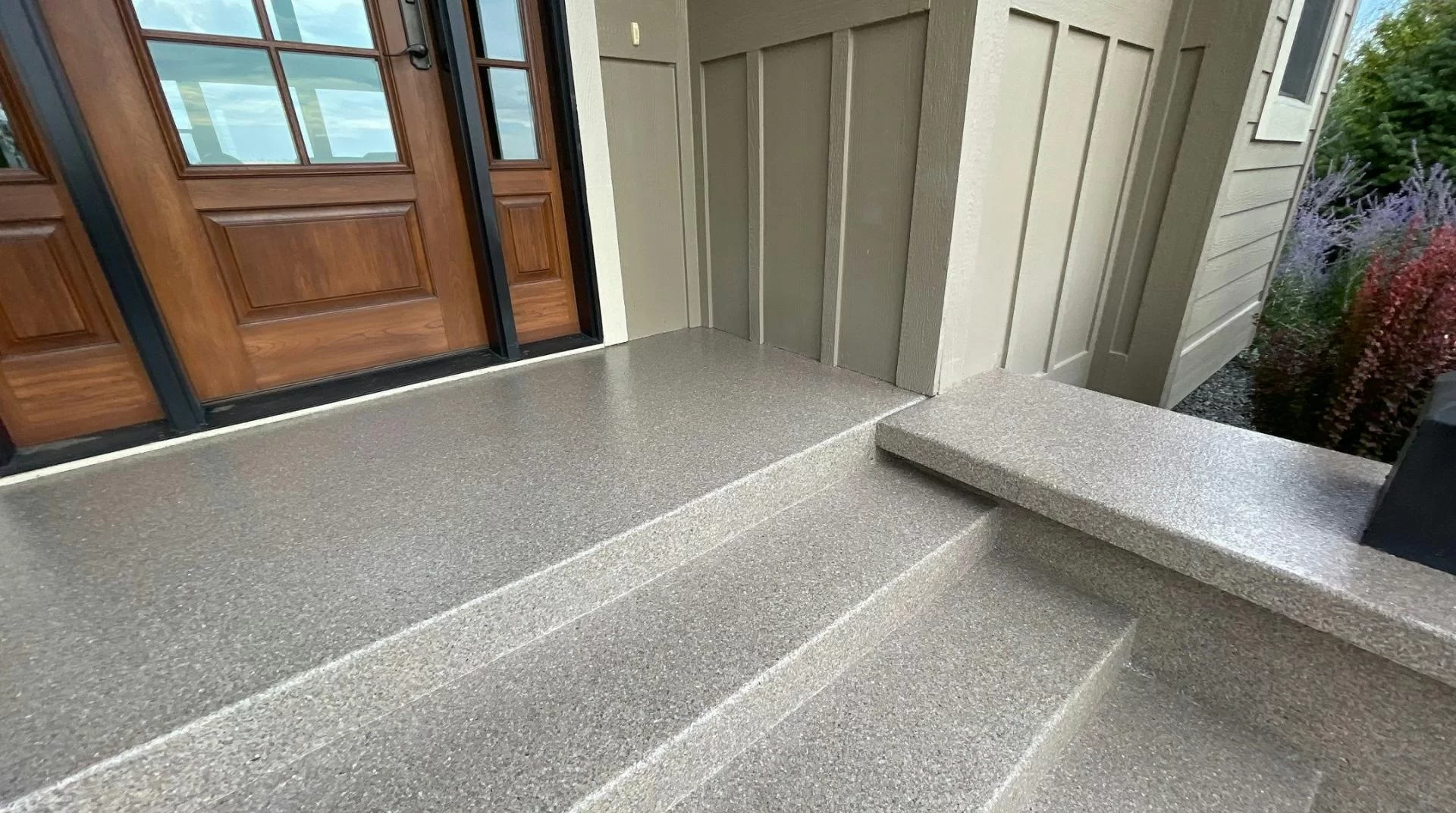
| Patios & Driveways | Weather-resistant with zero sun yellowing |
| Basements | Moisture-tolerant — won’t delaminate from slab vapor |
One-Day Install. Lifetime Warranty. 0% Financing.
Every Croc Coatings installation finishes in a single day — walk on it within an hour, park on it the next morning. Your floor is backed by a lifetime manufacturer warranty through Penntek, and we offer 0% interest financing for 12 months so the polyaspartic premium doesn’t hit all at once.
We also design and install custom garage cabinets — powder-coated, USA-made, and installed with the same attention to detail as your floor.
Get a free in-home consultation and custom quote →
FAQs
Is polyaspartic more expensive than epoxy?
Yes — polyaspartic costs $5–$12 per square foot professionally installed, compared to $3–$7 per square foot for professional epoxy. However, polyaspartic’s 15–25 year lifespan versus epoxy’s 5–7 years means the total cost of ownership favors polyaspartic roughly 2:1 over a 20-year period when you factor in epoxy’s reapplication costs.
What does a polyaspartic garage floor cost for a 2-car garage?
A standard two-car garage (~360 sq ft) runs $2,000–$5,800 at Croc Coatings. The range depends on floor condition, decorative flake choices, and whether the concrete needs extra prep. Use our cost calculator for a personalized estimate.
Is polyaspartic worth the extra money?
For most homeowners who plan to stay in their home more than 7–8 years, yes. The 20-year total for polyaspartic (~$2,880) beats epoxy (~$7,200) by roughly 2.5:1. Beyond the dollars, polyaspartic eliminates epoxy’s biggest frustrations: yellowing in sunlight, hot tire pickup, freeze-thaw cracking, and multi-day installation downtime.
Can I DIY polyaspartic to save money?
No. Polyaspartic’s 30-minute pot life and need for specialized spray equipment make DIY effectively impossible. Epoxy is the only realistic DIY option — but a failed DIY epoxy job costs $2,000–$5,000 to fix professionally, which often erases any savings.
How much does epoxy cost to redo every 5 years?
At mid-range professional pricing of $5/sq ft, redoing a 360 sq ft epoxy garage floor costs roughly $1,800 per reapplication. Over 20 years with three reapplications, that’s $5,400 in re-coating costs — on top of the original $1,800 install.
What adds the most to a polyaspartic flooring quote?
The biggest cost drivers beyond square footage are: (1) floor condition — cracks, spalling, or failed prior coatings add $1–$3/sq ft in prep work; (2) decorative upgrades — custom flake blends and metallic finishes add 15–50%; and (3) accessibility — tight spaces, stairs, or remote locations increase labor time. See the full breakdown of cost factors.
Does Croc Coatings offer financing?
Yes. We offer 0% interest financing for 12 months, so you can spread the cost of a polyaspartic floor across a year of payments instead of one lump sum. Ask about financing during your free in-home consultation.