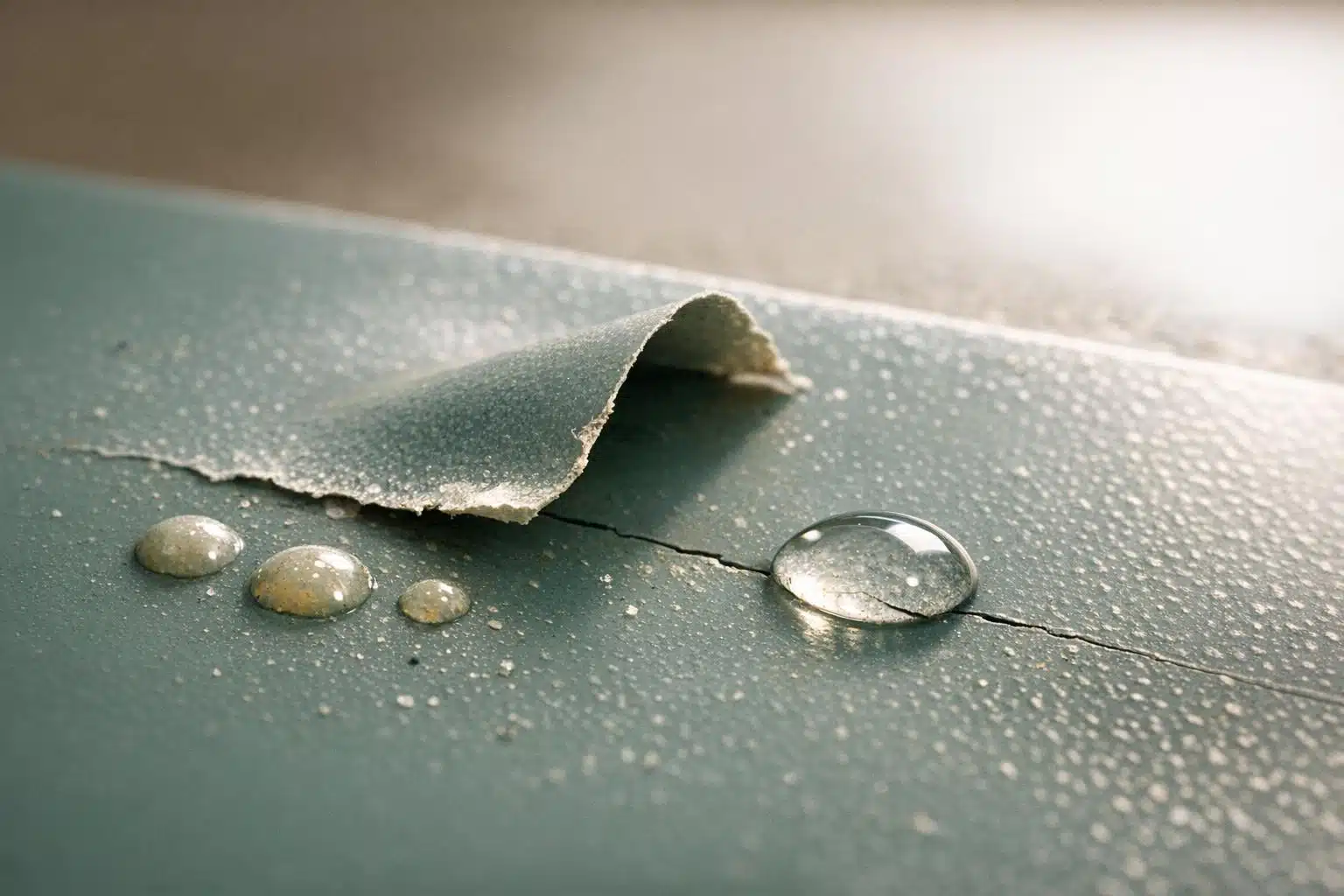
Vapor Barrier Failures: Causes and Solutions
Most vapor barrier problems stem from cheap materials, poor sealing, or ignored leaks—fix these to prevent mold, efflorescence, and concrete-floor damage.
Polyaspartic outperforms epoxy for high-traffic floors with superior durability, UV stability, and much faster curing.
Covers ASTM and IRC requirements for under-slab vapor retarders, moisture testing (RH and calcium chloride), and proper installation.
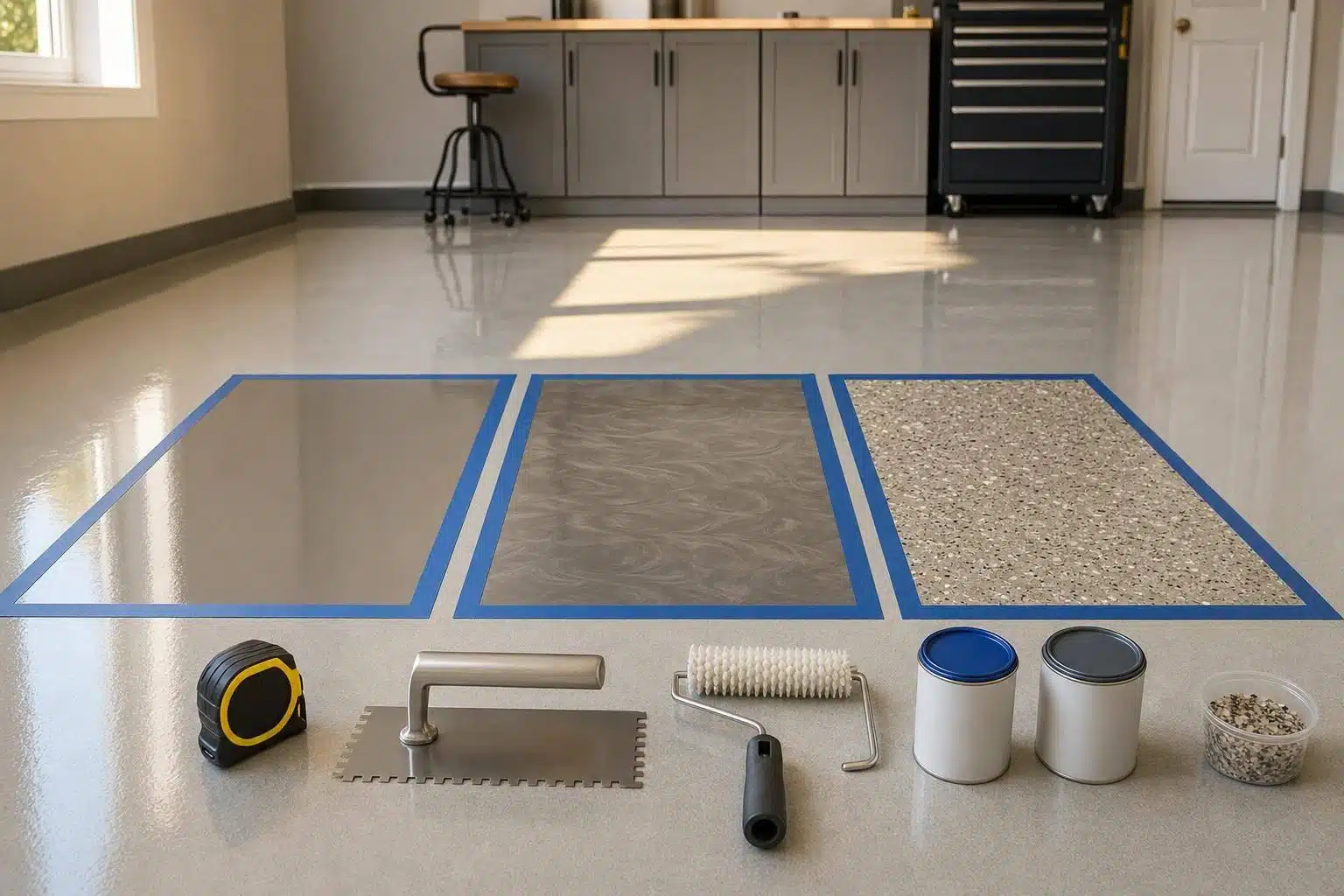
Learn how epoxy, polyurea, and polyaspartic coatings protect floors from heavy impacts, chemicals, and wear while reducing downtime.
Regular daily, weekly, and monthly care prevents damage and preserves polyurea floors' durability and finish.
Compare chemical strippers and mechanical tools for removing sealers, paint, epoxy, and adhesives from concrete, with costs and safety tips.
Compare how climate and soils change basement waterproofing needs—solutions for clay-driven pressure and high water tables.
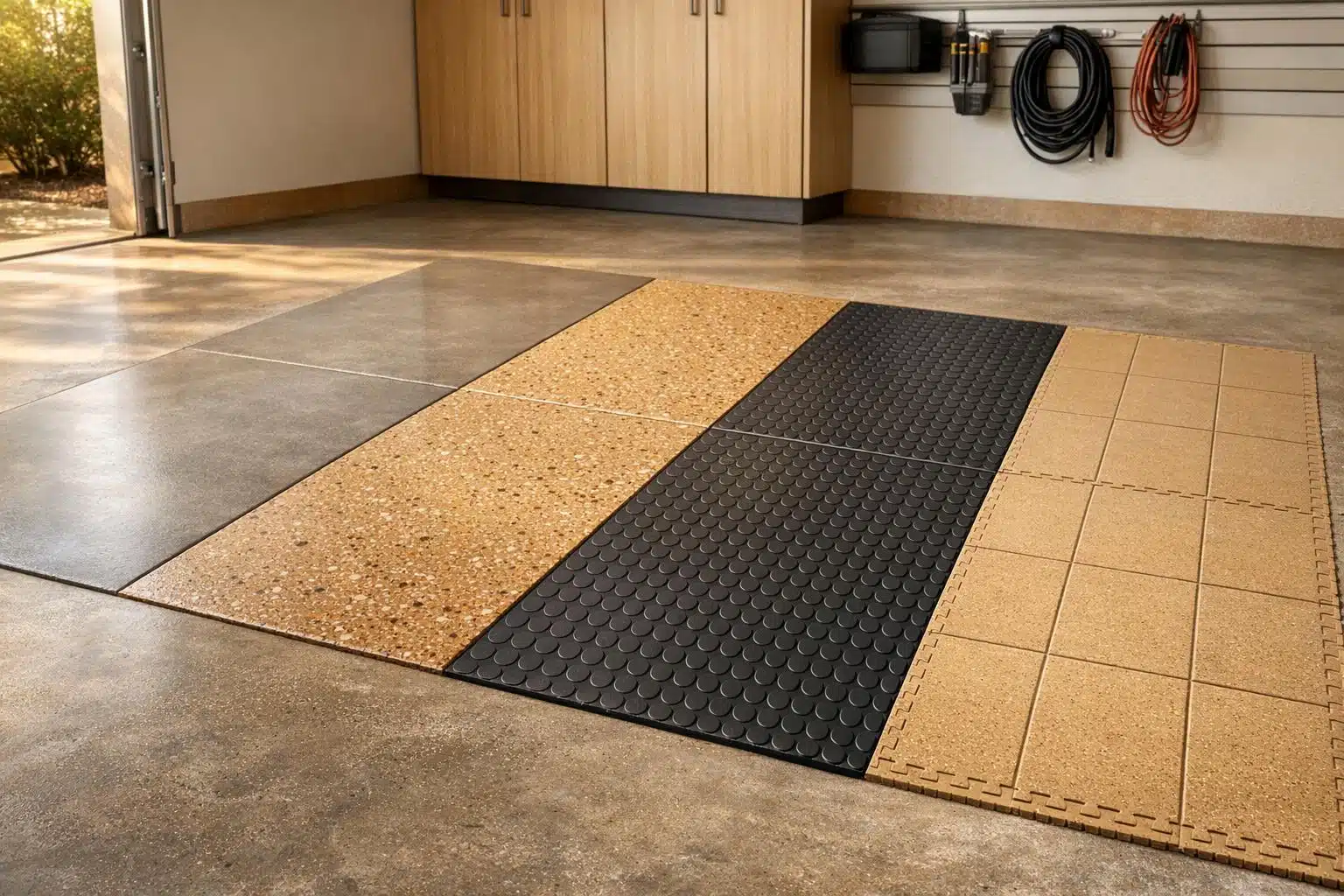
Compare five showroom flooring options by install time, durability, and downtime to choose the quickest, most durable solution.
Polyurea cures fast and stretches for extreme, high-movement joints; epoxy resists moisture and chemicals in heavy-traffic areas.
Methods to test concrete floor moisture: plastic sheet, calcium chloride, RH probes, and meters, plus reading results and mitigation.