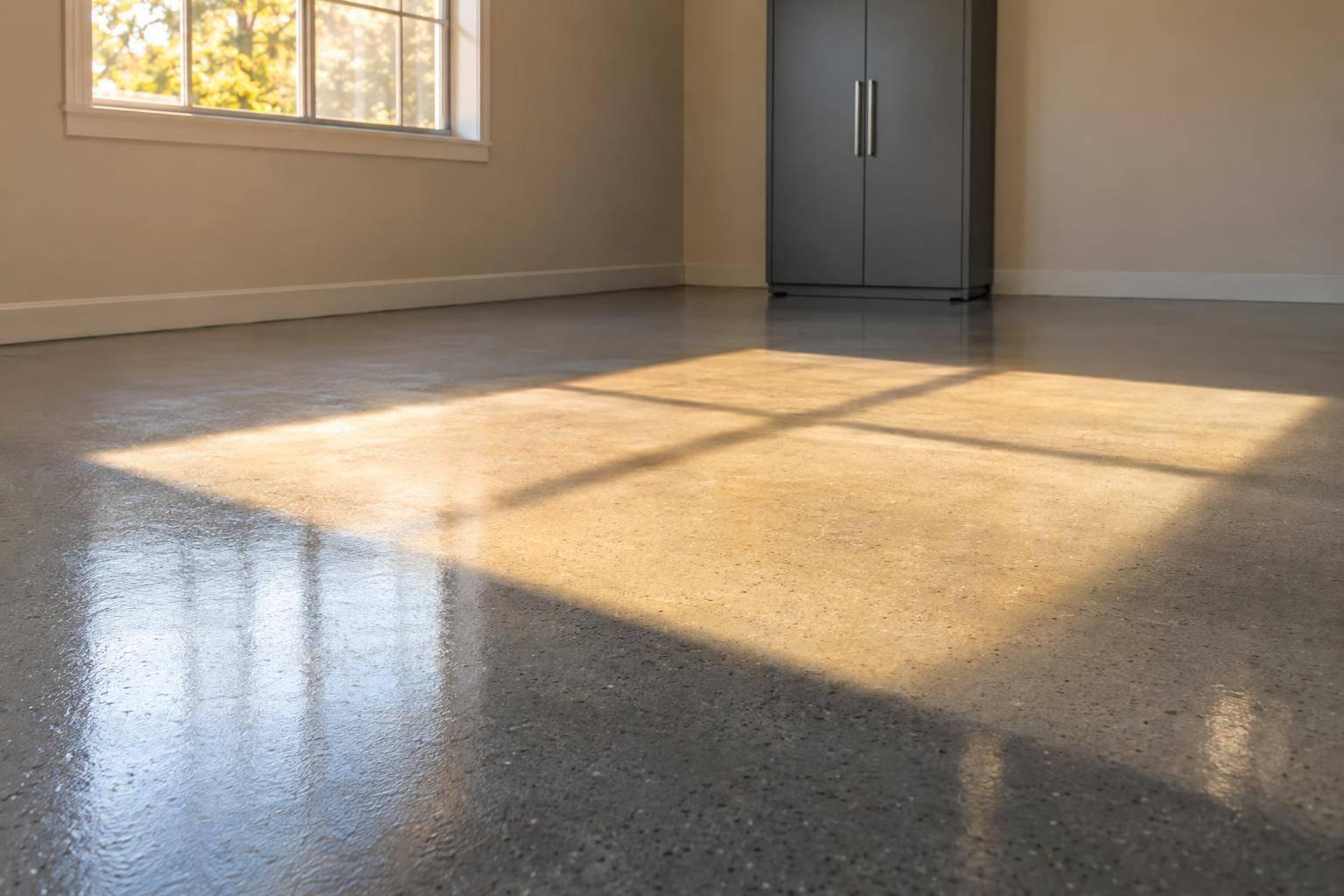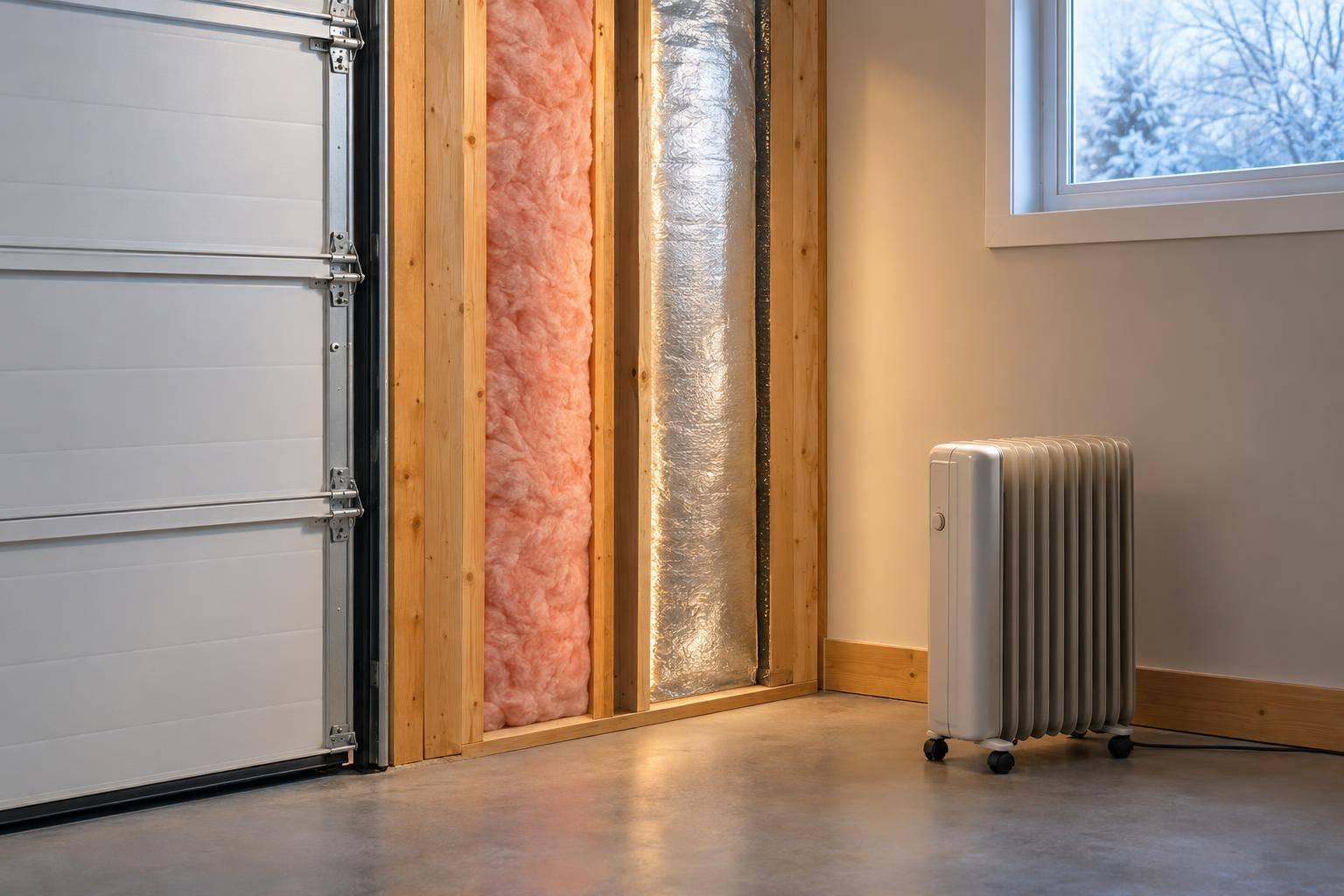
When it comes to home improvement projects, transforming a dull, cracked concrete floor into a stunning, showroom-quality surface is a game-changer. Epoxy garage floor coatings are a popular choice among homeowners in North Idaho and Eastern Washington, including Spokane and the Tri-Cities, thanks to their durability, aesthetic appeal, and low-maintenance requirements. However, getting the perfect epoxy floor requires more than just pouring a product and hoping for the best.
This guide dives into the top mistakes people make with epoxy garage floors and how to avoid them, ensuring your project turns into a long-lasting investment rather than a costly redo.
The Basics of Epoxy Coating Preparation
Why Surface Preparation is Non-Negotiable
One of the most critical aspects of a successful epoxy floor is the preparation of the concrete surface. A common myth is that acid etching vs. grinding is sufficient to prepare the floor. In reality, grinding the concrete is the gold standard for ensuring the coating adheres properly.
- Why Grinding Matters:
Grinding removes soft or damaged top layers of concrete, dirt, and grime. More importantly, it opens up the concrete’s pores, giving the epoxy a solid surface to bond with. Skipping this step increases the risk of peeling or failure, especially in high-traffic areas like garages and patios.
How to Identify and Fix Cracks
Another misconception is that epoxy will simply "cover up" cracks in the floor. Epoxy, especially high-quality products, is designed to sink into imperfections rather than hide them. To achieve a seamless finish:
- Patch the Cracks Properly: Use specialized products designed to fill cracks.
- Grind Down the Patches: Once the filler cures, grind them smooth to match the surrounding surface. This ensures the final coat looks flawless without visible seams.
sbb-itb-a0e5ae3
Product Quality: Don’t Settle for Less
Not all epoxy coatings are created equal. Cheap, store-bought kits may seem tempting, but they often lead to disappointment. Here’s what you need to know about choosing the proper materials:
The Importance of 100% Solids Epoxy
High-quality epoxy coatings, such as epoxy or polyaspartic coatings, last longer and perform better under stress. These products may cost more upfront, but their durability and resistance to:
- Hot Tire Pickup: Low-quality or water-based epoxies are prone to peeling under the heat generated by car tires. Investing in premium products eliminates this issue.
- Chemical Resistance: High-grade coatings provide superior protection against oil, grease, and other contaminants common in garages and industrial spaces.
- UV Stability: Advanced coatings are less likely to yellow or fade over time, maintaining their appearance for years.
Application Techniques: Achieving a Professional Finish
Even with the best materials, improper application can lead to uneven layers, bubbles, or flaking. Mastering a few key techniques will ensure that your epoxy floor not only looks amazing but also performs as expected.
Full Broadcast of Flakes
Sprinkling decorative flakes randomly is a mistake that can compromise both the appearance and texture of the floor. Instead, opt for a full broadcast technique:
- How It Works: Fully saturate the wet epoxy with flakes, ensuring even coverage. This not only enhances durability but also adds a slightly textured surface, making the floor safer and less slippery.
Mastering the Mixing Process
Epoxy coatings often consist of two parts: resin (Part A) and hardener (Part B). The ratio, mixing time, and application window (known as pot life) are critical.
- Tips:
- Follow the manufacturer’s instructions precisely.
- Mix only what you can apply within the pot life to avoid waste.
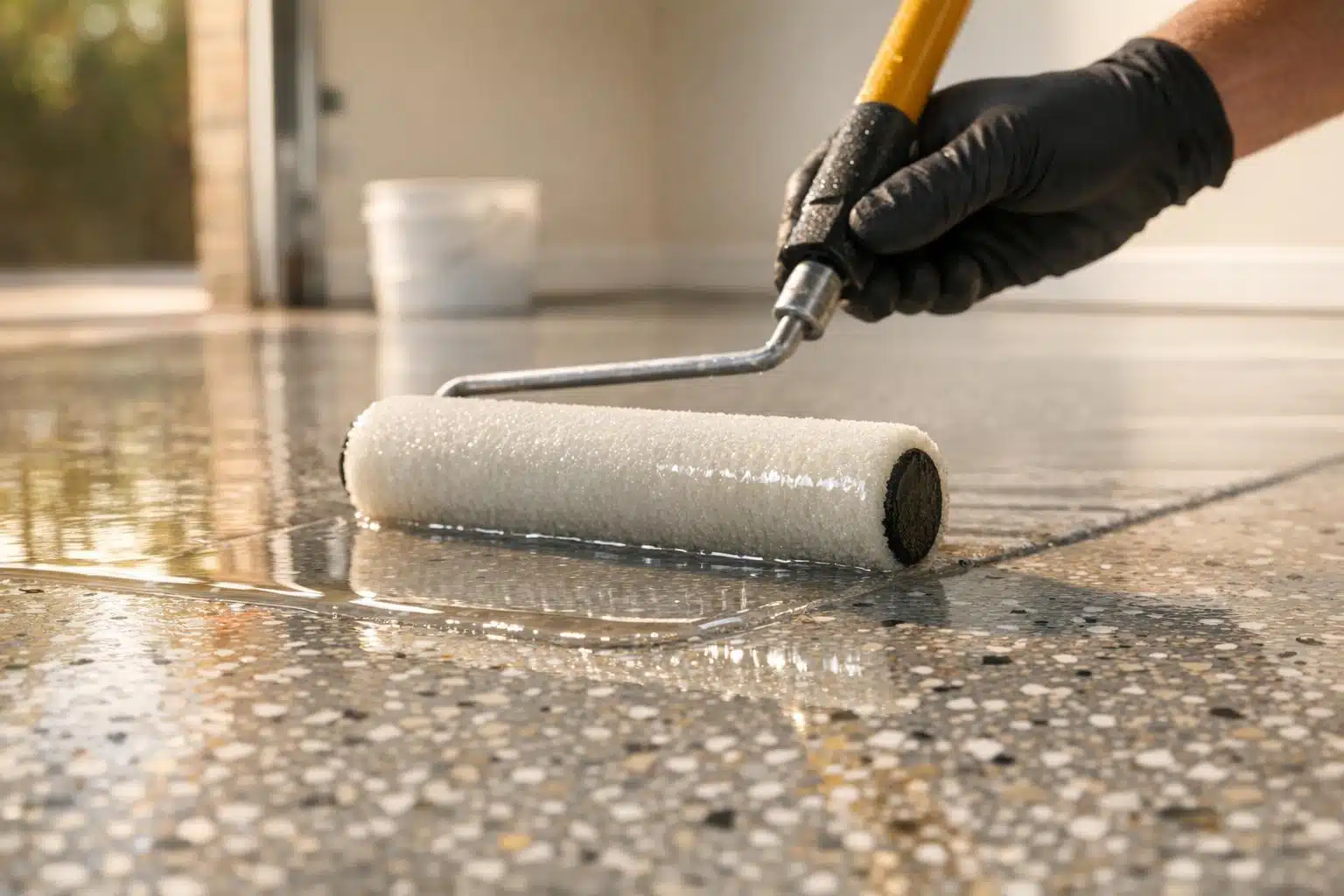
- Use the right tools, such as 18-inch rollers, to spread epoxy evenly.
Layering and Top Coats
Achieving a seamless, waterproof finish for long-term durability involves:
- Base Coat: Apply the initial layer of epoxy to bond with the concrete.
- Flake Broadcast: Add decorative flakes while the base coat is still wet.
- Top Coat: Seal everything with a high-quality polyaspartic vs epoxy top coat for maximum strength and resistance to wear.
Addressing Concrete Moisture Problems
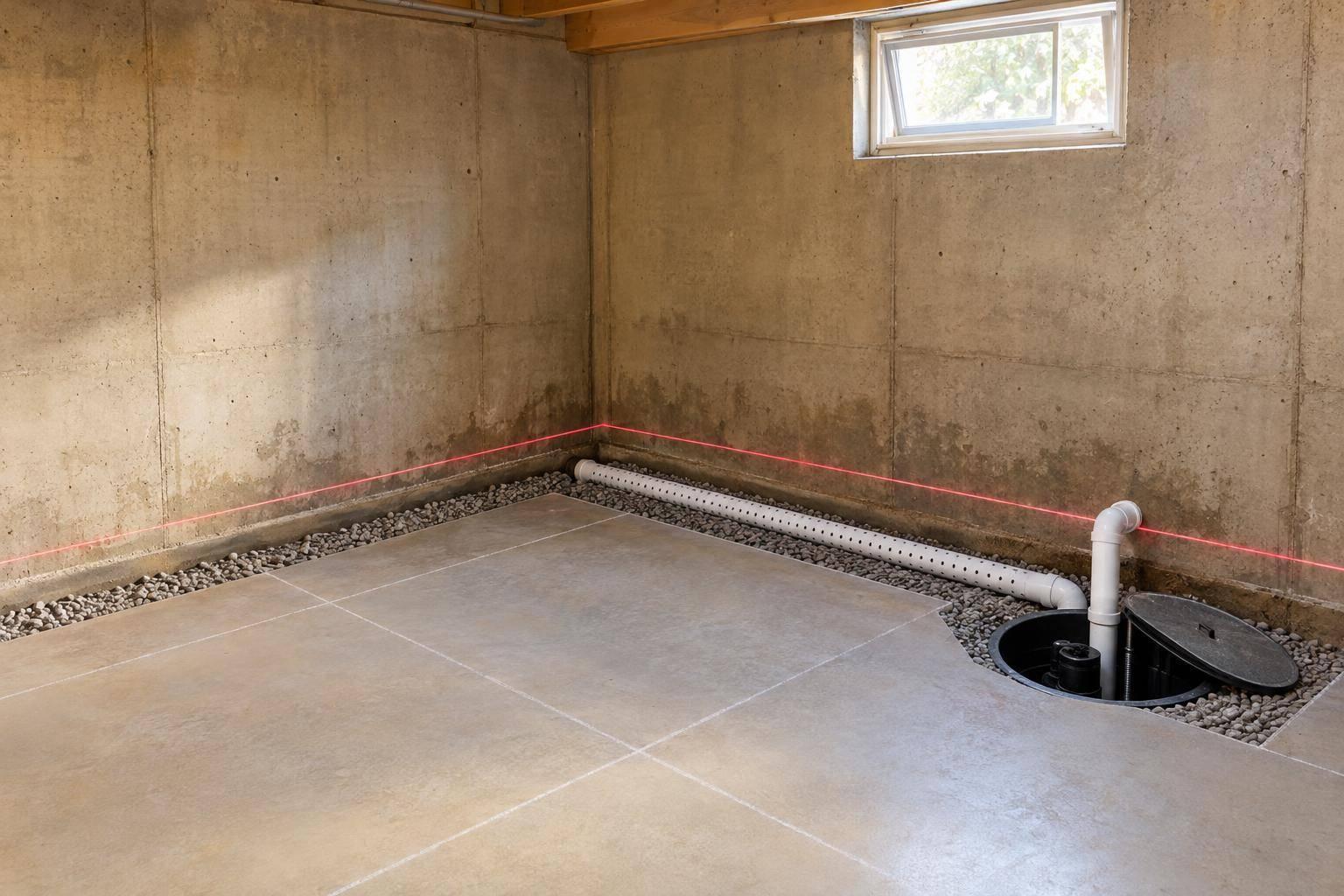
Moisture rising through concrete slabs is a hidden issue that can sabotage an epoxy project. If moisture is trapped under the epoxy, it can cause blistering and peeling.
Identifying Moisture Issues
Look for signs of efflorescence, the white powdery residue caused by minerals carried to the surface by moisture. Testing for moisture is crucial, especially with older concrete that may lack a vapor barrier.
Solutions for Moisture Problems
If moisture is detected:
- Apply a moisture-blocking epoxy primer before the main coating.
- This extra step prevents moisture vapor from compromising the epoxy’s adhesion.
Why DIY Can Be Costly Without Proper Knowledge
While epoxy flooring can be a rewarding DIY project, improper techniques and cheap products often lead to costly mistakes. Common issues include peeling, uneven coverage, and poor durability, which may require professional intervention to correct.
For those considering tackling an epoxy floor themselves, investing in proper training or working alongside an experienced professional is highly recommended. This approach not only saves time but also ensures the project’s success.
Key Takeaways
- Preparation is key: Grinding the concrete surface ensures proper adhesion and prevents peeling.
- Don’t skip the cracks: Properly fill and smooth cracks before applying epoxy for a seamless finish.
- Invest in quality materials: Use 100% solids epoxy or polyaspartic coatings for long-lasting results.
- Avoid hot tire pickup: Cheap store-bought kits are prone to failure under heat from car tires.
- Choose the right technique: Full broadcast flakes enhance both durability and aesthetics.
- Watch out for moisture: Test for moisture vapor and use a blocking primer if needed.
- Follow mixing guidelines: Improperly mixed epoxy can cure unevenly, leading to wasted product and poor results.
- Seek expertise: Whether through training or hiring professionals, ensure you understand the process to avoid costly mistakes.
Conclusion
Epoxy flooring offers a transformative upgrade for garages, patios, and industrial spaces, but getting it right requires knowledge, preparation, and attention to detail. By avoiding common mistakes and using high-quality products and techniques, you can achieve a durable, beautiful surface that adds value to your property.
Homeowners and small business owners in North Idaho and Eastern Washington can benefit greatly from these insights, ensuring their spaces are both functional and visually appealing for years to come.
Source: "STOP! Don’t Epoxy Your Garage Floor Until You Watch This (Top 5 Mistakes)" – Mike Day Concrete (Everything About Concrete), YouTube, Mar 4, 2026 – https://www.youtube.com/watch?v=pGiccC5-UUU