Polyurea floor coatings outlast epoxy by a long shot. Here’s the quick breakdown:
- Lifespan: Polyurea lasts 15+ years, epoxy only 3-5 years
- Durability: Polyurea is 4x stronger than epoxy
- Weather resistance: Polyurea handles UV rays and moisture better
- Chemical resistance: Polyurea outperforms epoxy
- Drying time: Polyurea cures in 24 hours, epoxy takes 1-2 weeks
- Cost: Polyurea costs more upfront but saves money long-term
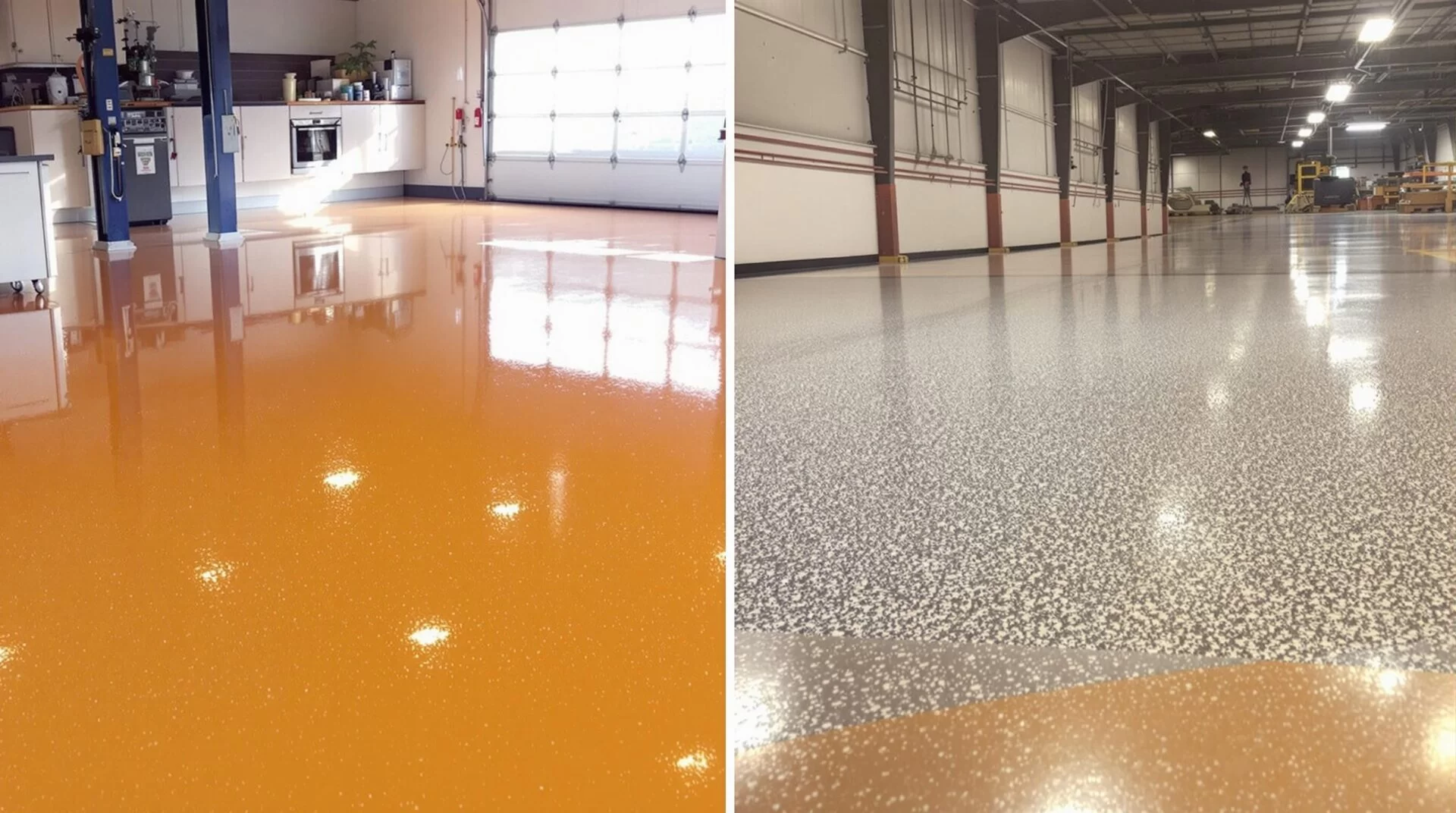
For North Idaho and Eastern Washington homeowners and businesses, polyurea is the clear winner for garage floor coating options, patios, and high-traffic areas.
Quick Comparison:
| Factor | Epoxy | Polyurea |
|---|---|---|
| Lifespan | 3-5 years | 15+ years |
| Strength | Good | Excellent |
| UV Resistance | Poor | Excellent |
| Chemical Resistance | Good | Excellent |
| Drying Time | 1-2 weeks | 24 hours |
| Cost | $2-7/sq ft | $7-12/sq ft |
Related video from YouTube
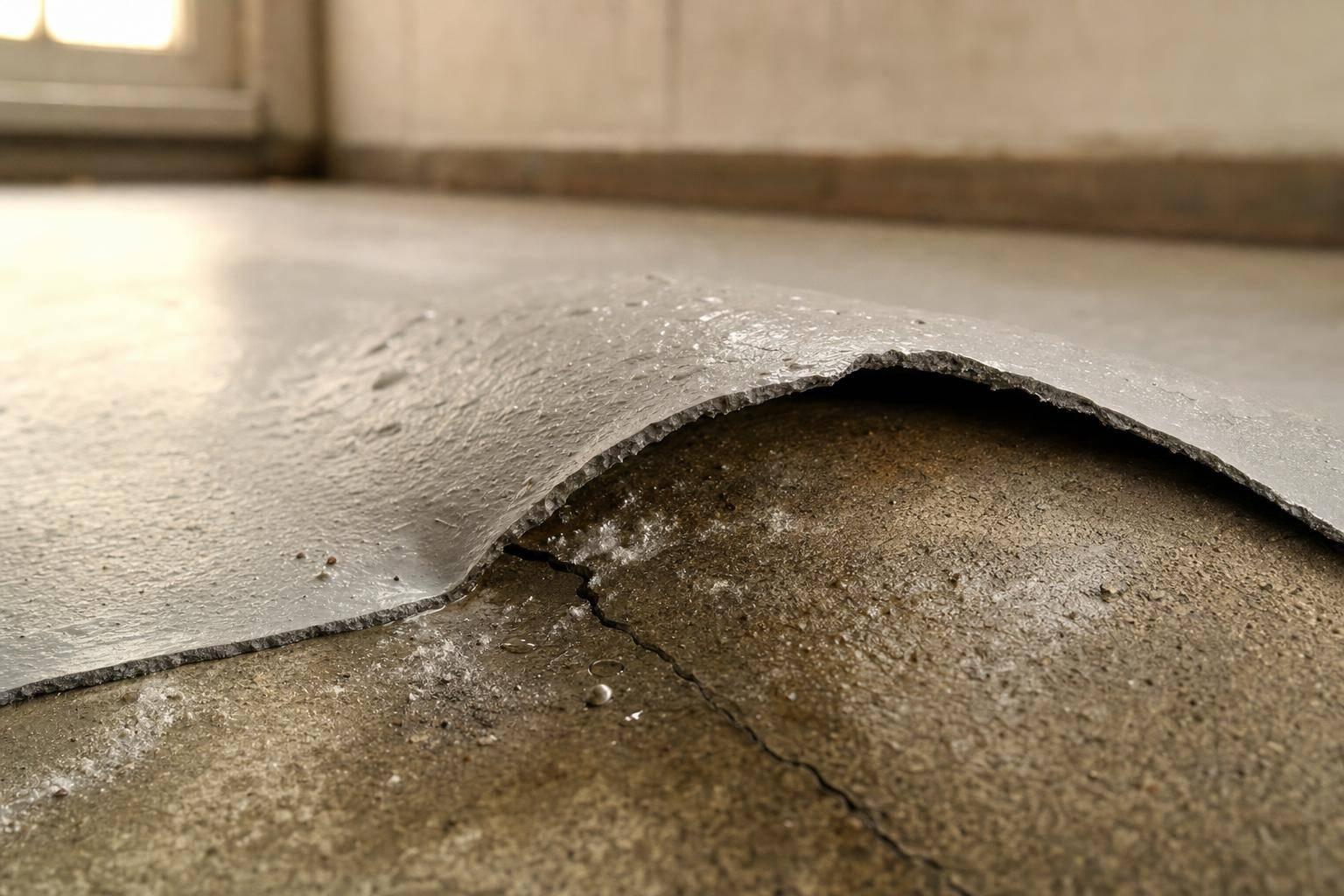
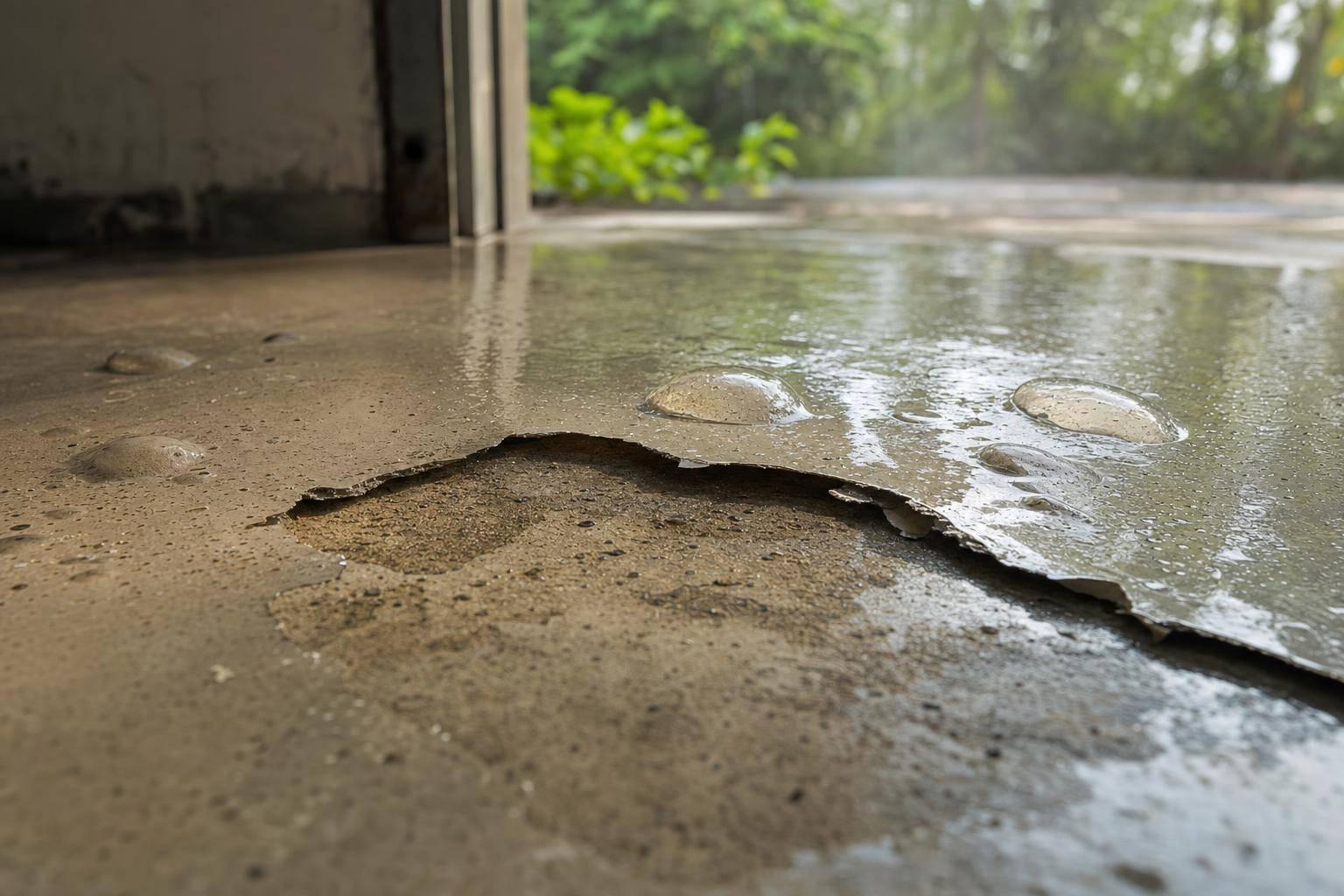
This video highlights why many homeowners are moving away from traditional options like epoxy; especially if you’ve noticed signs of floor damage, if you’re calculating the cost and deciding, learn how to choose a garage floor coating that stands the test of time. This includes ensuring your concrete is protected from water damage and other environmental stressors.
What Are Floor Coatings?
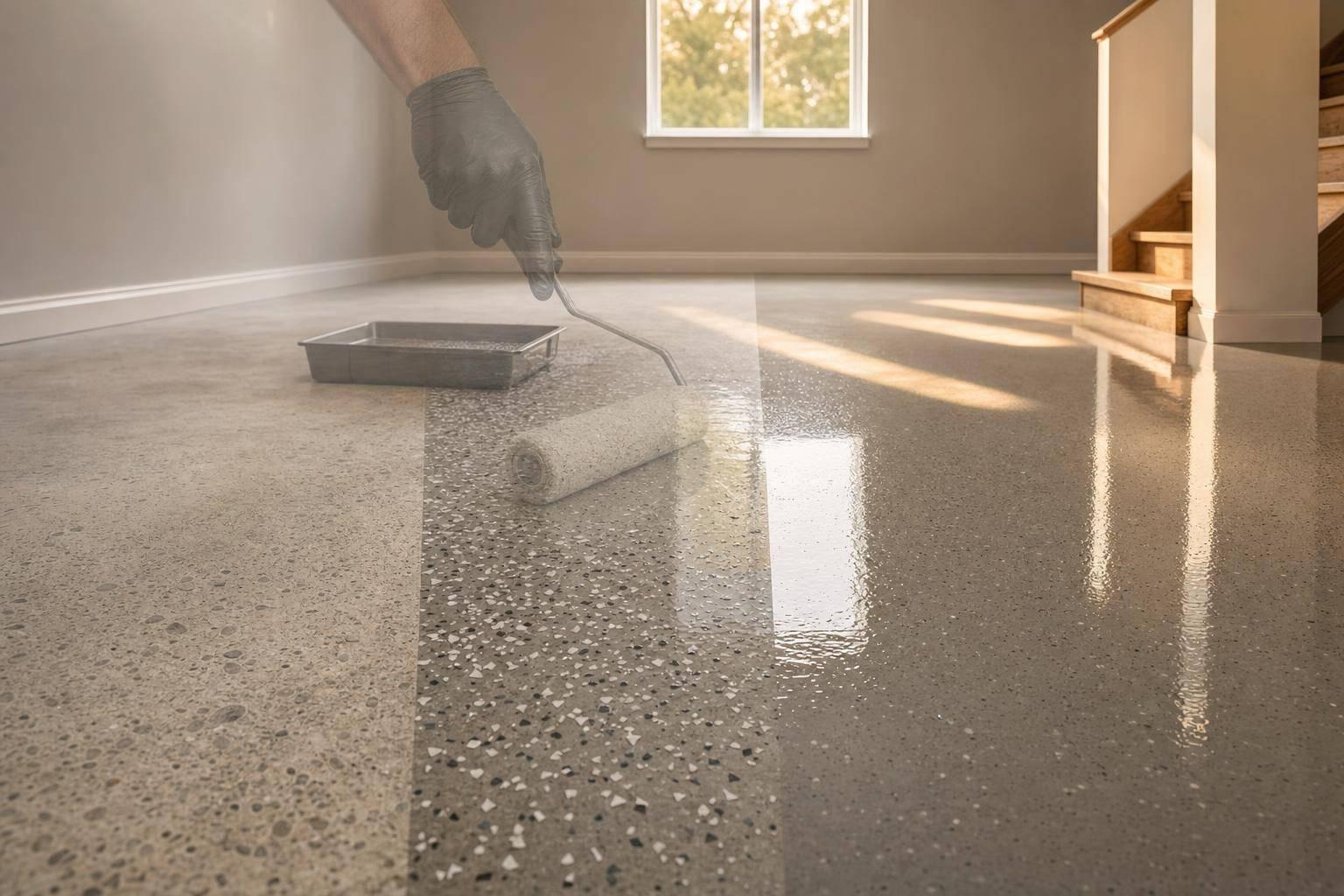
Floor coatings are tough layers that protect concrete surfaces. They make floors stronger, better-looking, and more useful. Let’s break down the differences between epoxy and polyurea coatings.
Epoxy is made from epoxy resins and hardeners. Mix them together, and you get a hard plastic that sticks to concrete like glue. It’s tough stuff – resistant to chemicals and wear-and-tear.
Polyurea is the new kid on the block, invented in the late 1980s. It’s a synthetic polymer made by mixing a diamine with a diisocyanate. The result? A super flexible material that’s great at protecting concrete from moisture and salt damage. It sticks to all sorts of surfaces – concrete, metal, you name it.
How They’re Made
The way these coatings are made affects how well they work:
Epoxy:
- Two main parts: epoxy resin (Part A) and amine compounds (Part B)
- Mix them, and you get inert plastic
- Comes in different types, like water-based vs solvent-based coatings
- Usually needs multiple layers for the best protection
Polyurea:
- Made by mixing isocyanate and a resin blend
- Can be pure polyurea or a hybrid with polyol
- Dries FAST – we’re talking minutes here
- Super flexible, moves with the concrete underneath
These differences mean each coating shines in different situations. Take Croc Coatings in North Idaho and Eastern Washington. They use a special Penntek Evolution coating that’s polyurea-based. They say it’s four times stronger than regular epoxy. That’s some serious muscle!
When it comes to keeping water out, polyurea takes the cake. Andy Phelan from Rhino Linings Corporation puts it this way: "Polyurea was invented in the early 1980s when a less moisture-sensitive form of polyurethane was desired." In other words, polyurea laughs in the face of moisture. This makes it an excellent choice for preventing mold growth on concrete surfaces.
Both coatings are tough, but they require different polyurea vs. epoxy cleaning and maintenance routines:
- Epoxy is hard and rigid. Great for areas that need to handle heavy loads.
- Polyurea is flexible and can take a hit. Perfect for places with temperature swings or movement.
Now, let’s compare polyurea and epoxy costs. Polyurea might cost more upfront (about $7 to $12 per square foot), but it can last 3 to 5 times longer than epoxy. In the long run, that could mean more bang for your buck.
How Long Each Type Lasts
Floor coatings aren’t created equal when it comes to durability. Let’s compare epoxy and polyurea:
Epoxy coatings have been around for a while, but they don’t last forever. You’re looking at 3 to 5 years before they start showing wear. That means you’ll probably need to recoat several times over 15 years.
Polyurea vs. generic coatings? Polyurea is the new kid on the block, and it’s tough. These coatings can last about 15 years. That’s a big jump from epoxy.
Here’s a quick breakdown:
| Coating Type | Average Lifespan | Reapplications in 15 Years |
|---|---|---|
| Epoxy | 3-5 years | 3-4 times |
| Polyurea | 15 years | Usually once |
The difference is clear. You might be recoating epoxy floors multiple times, but a polyurea coating from a good provider like Croc Coatings in North Idaho and Eastern Washington could last the whole 15 years with just one application.
What affects these lifespans? For epoxy, sunlight, heavy foot traffic, and chemical spills can wear it down faster. Polyurea handles these challenges better because it’s more flexible and chemical-resistant.
"Our coating is four times stronger than regular epoxy. This means our customers enjoy a floor that not only looks great but also stands the test of time", says Jim Hobart, co-founder of Croc Coatings, about their polyurea-based Penntek Evolution coating.
It’s not just about the initial application. Good maintenance is key for both coatings. For epoxy, clean regularly and avoid harsh chemicals. Polyurea needs less maintenance, but keeping it clean and fixing any damage quickly will help it reach that 15-year mark.
The environment matters too. Garage floors in high-traffic homes will probably last longer than a busy commercial space. That’s why companies like Croc Coatings offer different options for homes and businesses.
Weather and Chemical Protection
Not all floor coatings can handle tough conditions equally. Let’s compare how epoxy and polyurea stand up to the elements and harsh chemicals.
Sun and Water Damage Protection
Sunlight and water can wreak havoc on floor coatings. Here’s the breakdown:
Epoxy:
- UV Resistance: Poor. It yellows and loses shine in sunlight.
- Water Resistance: Decent, but not perfect. Can absorb water over time.
Polyurea:
- UV Resistance: Top-notch. Stays stable and colorfast in sunlight.
- Water Resistance: Excellent. It actually repels water.
"Polyurea is more UV, moisture, and chemical resistant, more flexible and durable, which enables it to withstand heat and cold temps without peeling or cracking. It dries to the touch in seconds and cure time is faster." – Jed Stellmacher, owner at Oak Ridge Foam & Coating Systems, Inc.
This matters a lot in places like North Idaho and Eastern Washington, where you might get bright sun one day and heavy rain the next. Croc Coatings, a local company, uses a polyurea-based Penntek Evolution coating designed for these weather swings.
Chemical Resistance
Both coatings resist chemicals well, but polyurea edges out:
| Coating | Chemical Resistance | Best For |
|---|---|---|
| Epoxy | Good | Garages, workshops |
| Polyurea | Excellent | Industrial settings, high-traffic areas |
Polyurea’s non-porous surface fends off a wide range of chemicals, making it ideal for industrial floors prone to spills.
Temperature Changes
In areas with extreme temperature swings, like Eastern Washington:
- Epoxy: Can crack in cold temps.
- Polyurea: Flexes with temperature changes without cracking.
Jim Hobart from Croc Coatings says: "Our polyurea coating is four times stronger than regular epoxy. This means it can handle the temperature extremes we see in this region without losing its integrity."
Long-Term Performance
Over time, the differences become clear:
- Epoxy coatings: Usually last 3-10 years.
- Polyurea coatings: Can last over 20 years with proper care.
This longevity isn’t just about initial toughness. It’s about day-to-day performance against sun, rain, spills, and temperature changes.
For folks in North Idaho and Eastern Washington, this means less hassle and fewer reapplications. Whether it’s a garage floor facing oil spills and sunlight, or a commercial space dealing with heavy foot traffic and chemical exposure, polyurea offers better protection against the elements and daily wear and tear.
sbb-itb-a0e5ae3
Putting It Down and Drying Time
Floor coatings differ in installation and drying time, impacting how quickly you can use your space. Let’s compare epoxy and polyurea coatings.
Epoxy Installation:
Epoxy application is more complex:
- Clear the area, clean thoroughly, and fix cracks
- Apply a primer coat first
- Mix resin and hardener to start a chemical reaction
- Best applied between 55°F and 80°F
Polyurea Installation:
Polyurea offers some perks:
- No primer needed
- No mixing required
- Works with less surface prep
- Can be applied from 20°F to 140°F
- Easier to work with
Drying Times Compared
Polyurea has a clear advantage here:
| Coating | Walk-On Time | Vehicle Use | Full Cure |
|---|---|---|---|
| Epoxy | 24 hours | 7 days | 1-2 weeks |
| Polyurea | 4-8 hours | 24 hours | 24 hours |
Polyurea’s quick drying time is a big plus for businesses. Jim Hobart from Croc Coatings says:
"Our polyurea coating allows businesses to get back up and running quickly. In just 24 hours, they can have vehicles back on the floor. That’s a game-changer for many of our commercial clients."
For DIYers, polyurea’s fast drying means less chance of dust settling on the wet surface. But you’ll need to work fast.
Epoxy’s longer drying time gives you more time to apply it evenly. But you’ll need to plan for more downtime.
Pro Tip: Fall is often the best time to coat a garage floor. Temperatures are just right, and you’re less likely to track in leaves or snow while it’s curing.
Don’t forget: Good ventilation is a must for both coatings, especially epoxy due to its stronger smell and longer drying time. Always follow the safety guidelines. Once installed, you’ll also want to know how to maintain concrete coatings to ensure they last as long as possible.
Strength Testing
Floor coatings need to be tough. They face daily abuse from heavy objects, scratches, and wear. Let’s see how epoxy and polyurea stack up.
Scratch and Drop Protection
Garages and work areas are rough on floors. Here’s the scoop on epoxy and polyurea:
Epoxy: It’s hard and resists scratches from tools and light impacts. But it’s not bulletproof. Heavy items can chip or crack it, especially when it’s cold and brittle.
Polyurea: This stuff is tough. It’s more flexible, so it absorbs impacts better. Croc Coatings in North Idaho uses a polyurea-based Penntek Evolution coating that’s seriously strong.
"Our coating is four times stronger than regular epoxy. This means it can handle dropped tools, heavy machinery, and even the occasional car jack mishap without breaking a sweat", says Jim Hobart, co-founder of Croc Coatings.
Let’s break it down:
| Factor | Epoxy | Polyurea |
|---|---|---|
| Impact Resistance | Good | Excellent |
| Scratch Resistance | Very Good | Excellent |
| Flexibility | Low | High |
| Chemical Resistance | Good | Excellent |
But numbers only tell part of the story. Real-world tests show what these coatings can really do.
Falling Ball Test: Drop a steel ball on each coating. Polyurea usually shows a smaller dent. This matters in auto shops where tools might fall.
Abrasion Resistance: The Taber Abrasion Test measures wear under controlled conditions. Polyurea often beats epoxy here. This is key for high-traffic areas like commercial garages.
Chemical Spills: Stuff spills in garages and workshops. Polyurea’s non-porous surface handles more chemicals than most epoxy coatings. Less staining and damage over time, even in tough spots.
Temperature Changes: Big deal for North Idaho and Eastern Washington folks. Epoxy can crack when it’s cold, but polyurea flexes. Great for outdoor use or unheated garages.
"In our region, we see temperatures from below freezing to over 100°F. Our polyurea coating handles these swings without cracking or peeling. That’s peace of mind for our customers", Hobart adds.
It’s not just about day one strength. Polyurea shines in the long run. Good epoxy might last 5-10 years, but polyurea can go strong for over 20 years with proper care, offering an impressive polyurea garage floor lifespan. Knowing how to maintain polyurea floors is the key to that longevity.
For homeowners and businesses, this means real savings. Fewer reapplications, less downtime, and lower costs over time.
Keeping Floors Looking Good
Want your epoxy or polyurea floor to stay stunning? Here’s how to keep it in top shape.
Regular Care Steps
Epoxy and polyurea floors need different care. Let’s break it down:
Daily Maintenance:
Grab that broom or dust mop daily. It’s simple but crucial.
Jim Hobart from Croc Coatings says:
"Even our tough polyurea coatings benefit from daily sweeping. It’s the easiest way to prevent micro-scratches and maintain that showroom shine."
Weekly Cleaning:
- Epoxy: Warm water + mild soap. Mix 1/3 cup dish soap in 4-5 liters of water.
- Polyurea: Damp mop + pH-neutral cleaner. Skip harsh chemicals.
Spill Management:
Act fast on spills for both coatings. For polyurea, use paper towels or kitty litter on oil or chemical spills. With epoxy, watch out for car fluids – they can stain if left too long.
Deep Cleaning:
Every few months, give your floor some extra love:
1. Epoxy Floors:
Soft-bristle brush or floor scrubber with gentle cleaner. No pressure washers – they’re too harsh.
2. Polyurea Floors:
These can take more. Use a floor scrubber with a soft brush and mild detergent. Rinse well after.
Long-Term Care:
| Coating Type | Reseal Every | Inspect Every |
|---|---|---|
| Epoxy | 2-3 years | 6 months |
| Polyurea | 5-7 years | 1 year |
Croc Coatings suggests yearly checks for polyurea floors in North Idaho and Eastern Washington. Hobart explains:
"Our climate can be tough on floors. An annual check helps catch any issues early, ensuring your floor lasts its full 15-20 year lifespan."
Pro Tips:
- Use furniture pads to avoid scratches.
- Put mats at doors to catch dirt and water.
- In garages, use drip trays under cars for oil leaks as part of your garage space optimization.
Keep these tips in mind, and your floor will thank you with years of great looks and performance.
Conclusion
After exploring floor coatings, it’s clear: polyurea outshines epoxy for North Idaho and Eastern Washington folks seeking a tough, long-lasting solution.
Here’s the breakdown:
Polyurea lasts about 15 years. Epoxy? 3-5 years tops. That’s way less hassle for you.
Polyurea can take a beating. It shrugs off impacts, chemicals, and UV rays like a champ. Perfect for the Pacific Northwest’s mood swings.
Sure, you might compare DIY vs. professional epoxy costs. But pro-installed polyurea? That’s next-level stuff.
Polyurea costs more upfront ($7-12 per square foot vs epoxy’s $2-7). But do the math – it’s cheaper long-term.
Jim Hobart from Croc Coatings nails it:
"Our coating is four times stronger than regular epoxy. This means our customers enjoy a floor that not only looks great but also stands the test of time."
Got a garage, patio, or basement in the area? Polyurea’s your guy. It cures in 24 hours, so you’re back to normal FAST.
Running a business? Think polyurea for high-traffic spots or industrial spaces. It laughs at chemicals and wear-and-tear. Workshops, warehouses, commercial kitchens – you name it.
Yeah, polyurea costs more at first. But think long-term: fewer touch-ups, less downtime, lower maintenance costs. Smart move, right?
FAQs
Is polyurea really better than epoxy?
In most cases, yes. Polyurea beats epoxy in several key areas:
Polyurea is tougher and more flexible than epoxy. It can take a hit and bounce back better. It also handles heat like a champ – stable up to 266°F and can even take short bursts up to 430°F. That’s great for garage floors with hot tires or industrial spaces that get toasty.
When it comes to chemicals, oils, and solvents, polyurea stands its ground. And unlike epoxy, it won’t turn yellow or break down in sunlight. That makes it perfect for outdoor spots like patios or pool decks.
Jim Hobart from Croc Coatings in North Idaho puts it this way:
"Our polyurea-based Penntek Evolution coating is four times stronger than regular epoxy. For our customers in Eastern Washington and North Idaho, this means a floor that can handle everything from harsh winters to scorching summers without breaking a sweat."
How long does a polyurea floor last?
Take care of your polyurea floor, and it’ll stick around for 15 to 20 years. That’s a lot longer than epoxy, which usually needs a fresh coat every 3-5 years.
A few things can affect how long it lasts:
- How much foot traffic it gets
- If it’s exposed to chemicals or sunlight
- If it was installed correctly
- How well you clean and maintain it
Croc Coatings is so confident in their polyurea floors that they offer a lifetime warranty for residential use. That’s pretty impressive.