Uncategorized


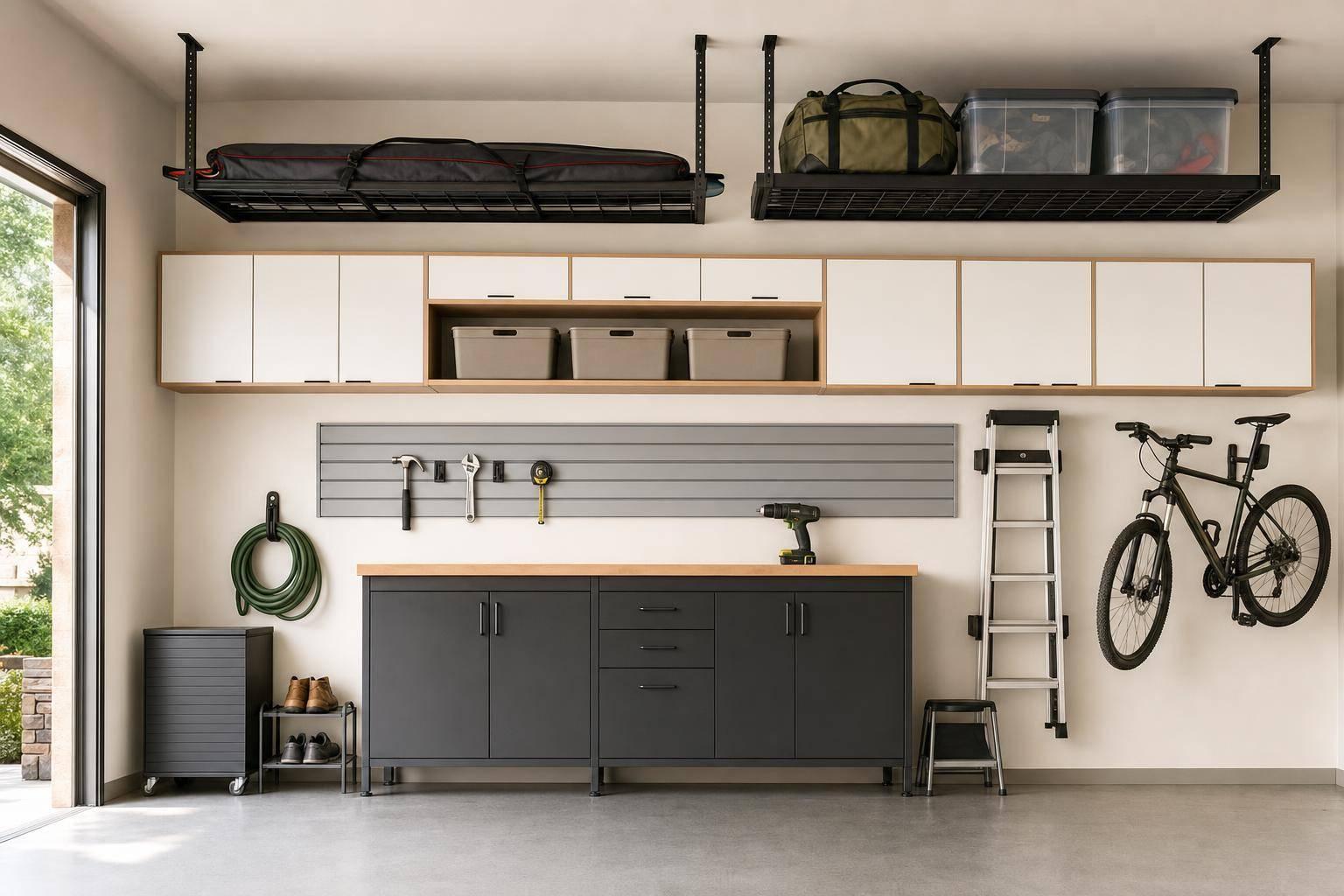
Organize your garage into four zones – floor, primary wall, upper wall, ceiling – keep daily items within reach and seasonal gear overhead.
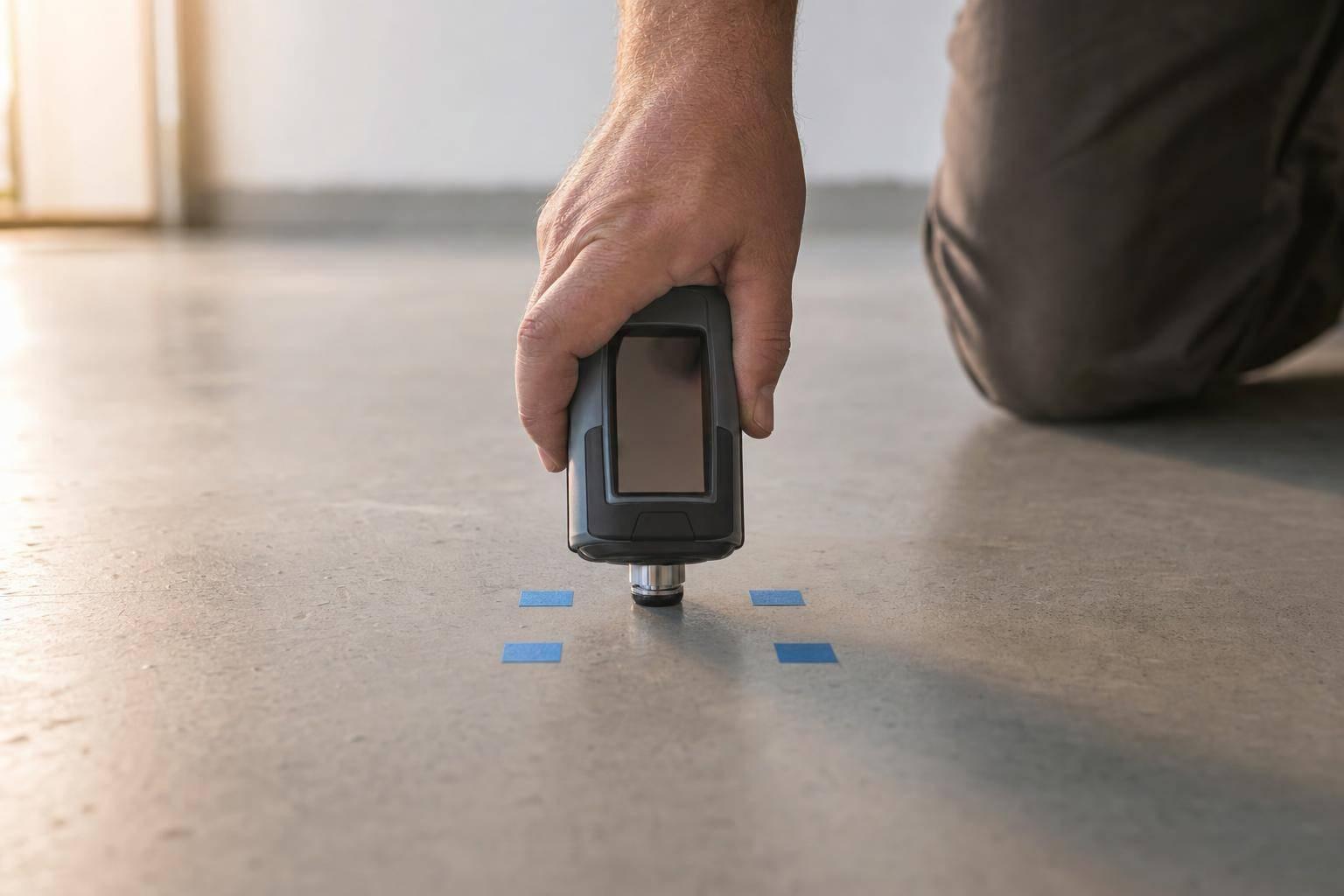
Measure dry film thickness on cured concrete with ultrasonic gauges: test multiple spots, average readings, and compare to spec.
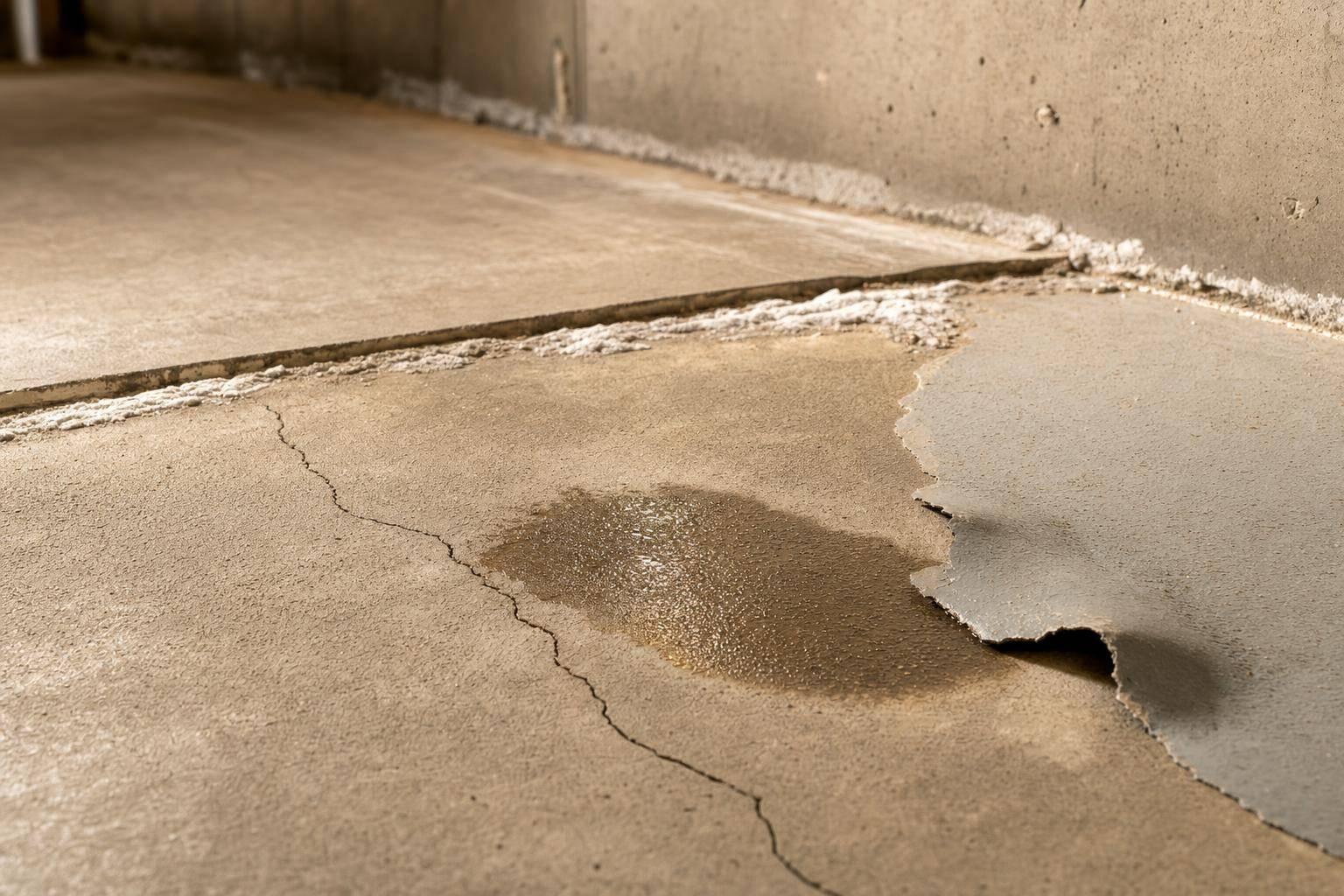
Cracks, damp spots, peeling coatings, efflorescence, or uneven slabs — know thresholds and when to call a pro.
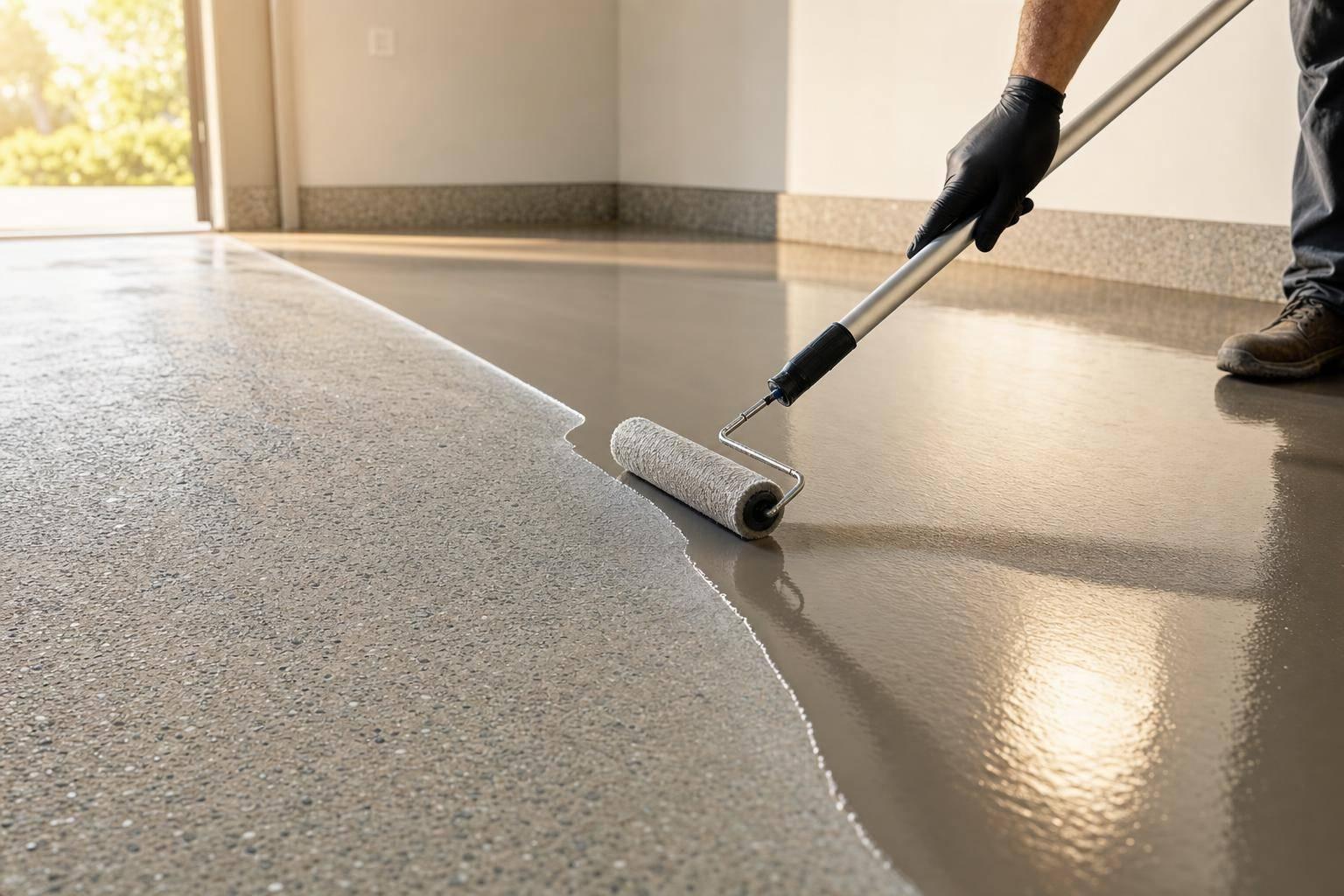
Learn how polyaspartic floor coatings work, how they compare with epoxy and PU, where to use them, and how pros handle prep, mixing, install, repair, and pricing.
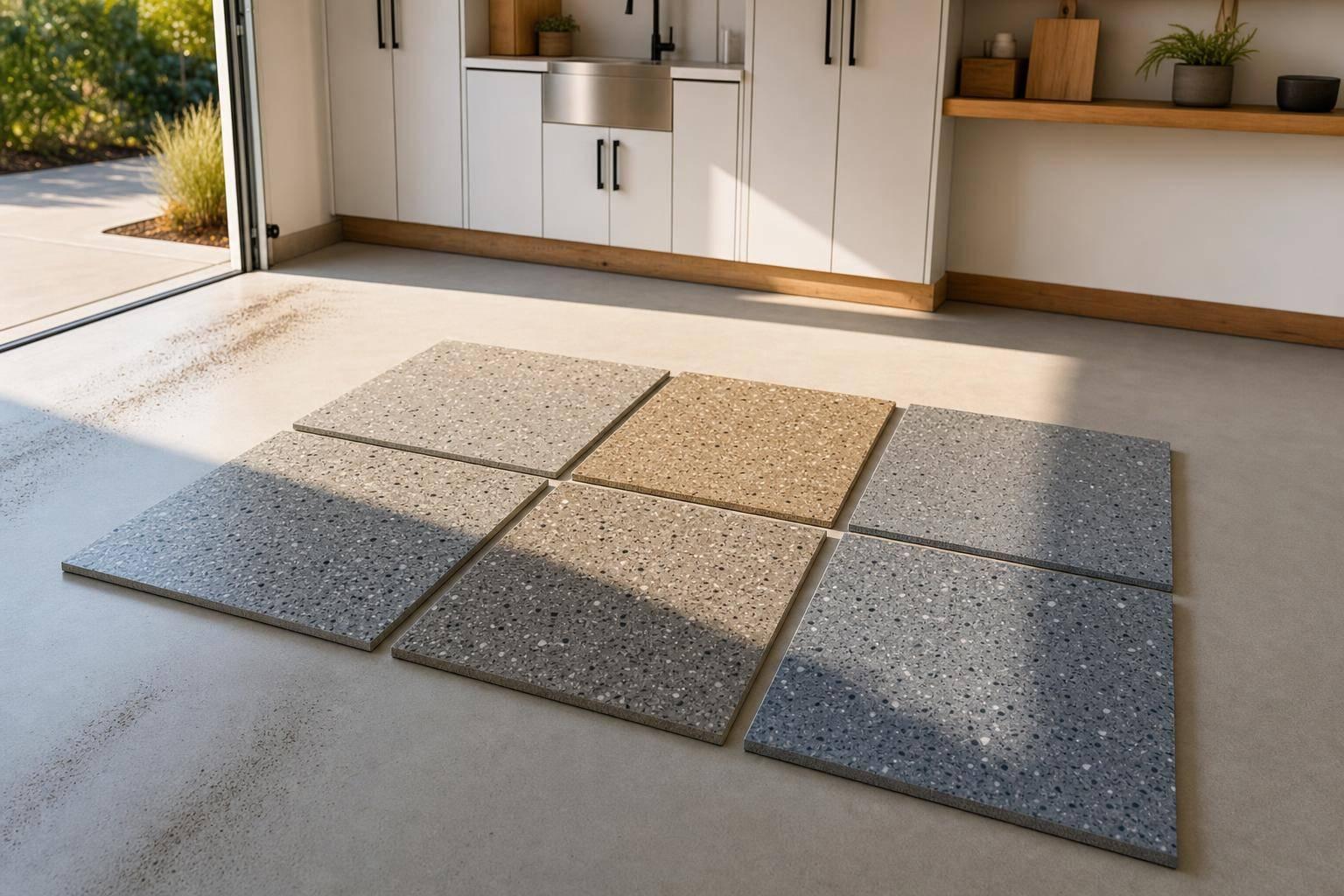
Choose polyaspartic floor colors that match room finishes, hide dirt, suit sun exposure, and pair with a durable flake system.
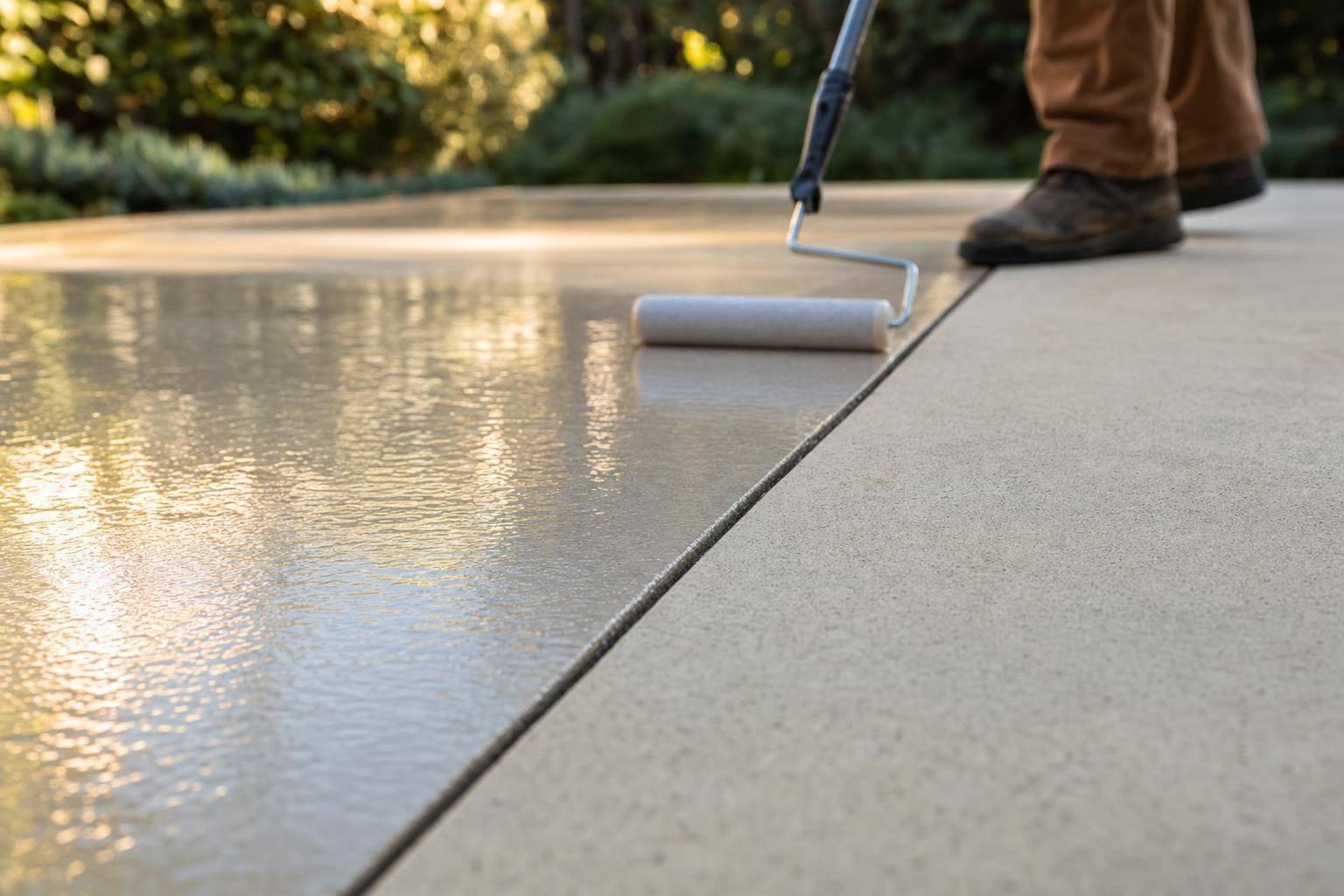
Use polyaspartic on sound, dry, well-prepped patios and walkways for UV-stable, durable finish; it won’t fix movement or moisture issues.
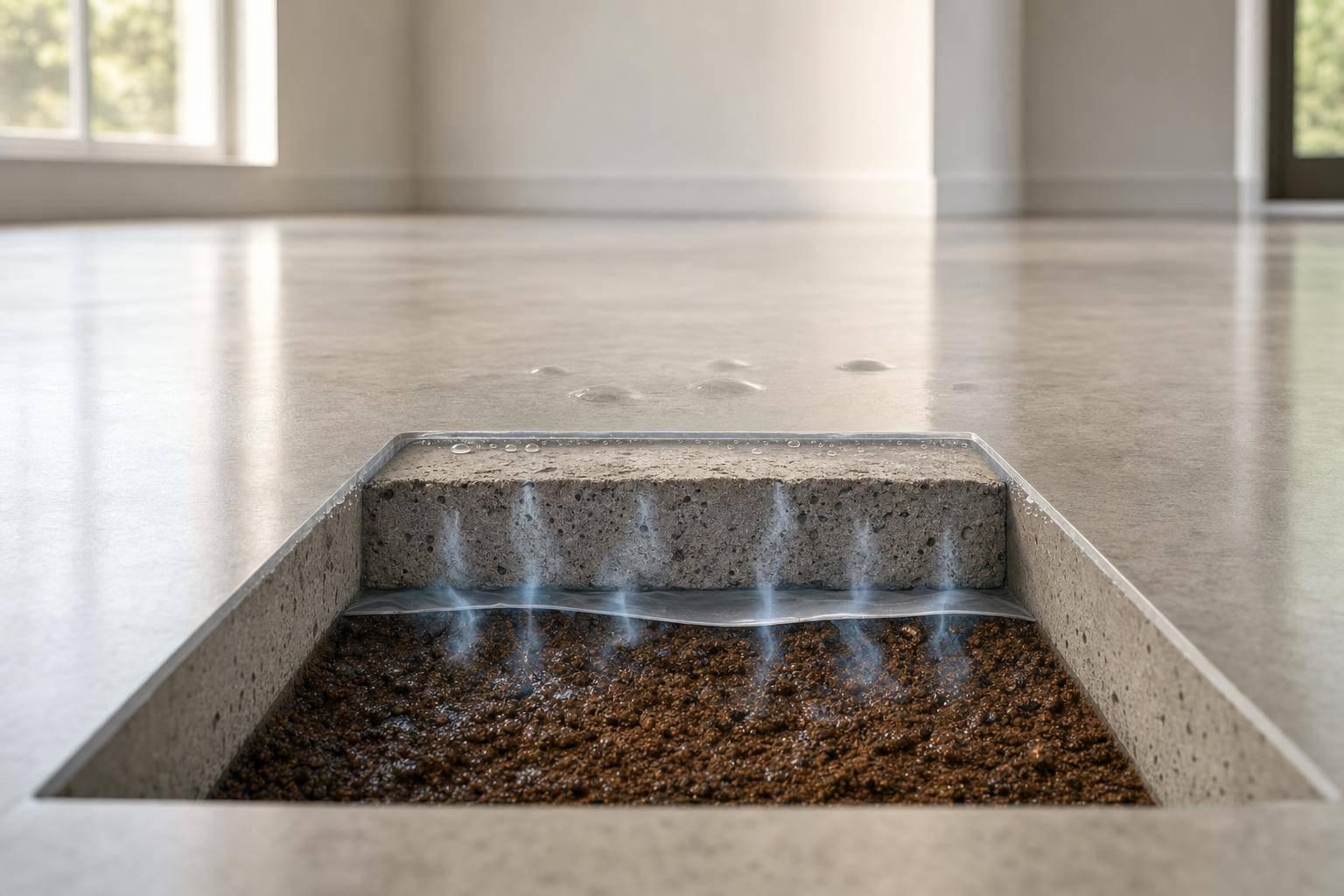
Most concrete coating failures start below the slab—test for trapped moisture, stop the water, then coat.
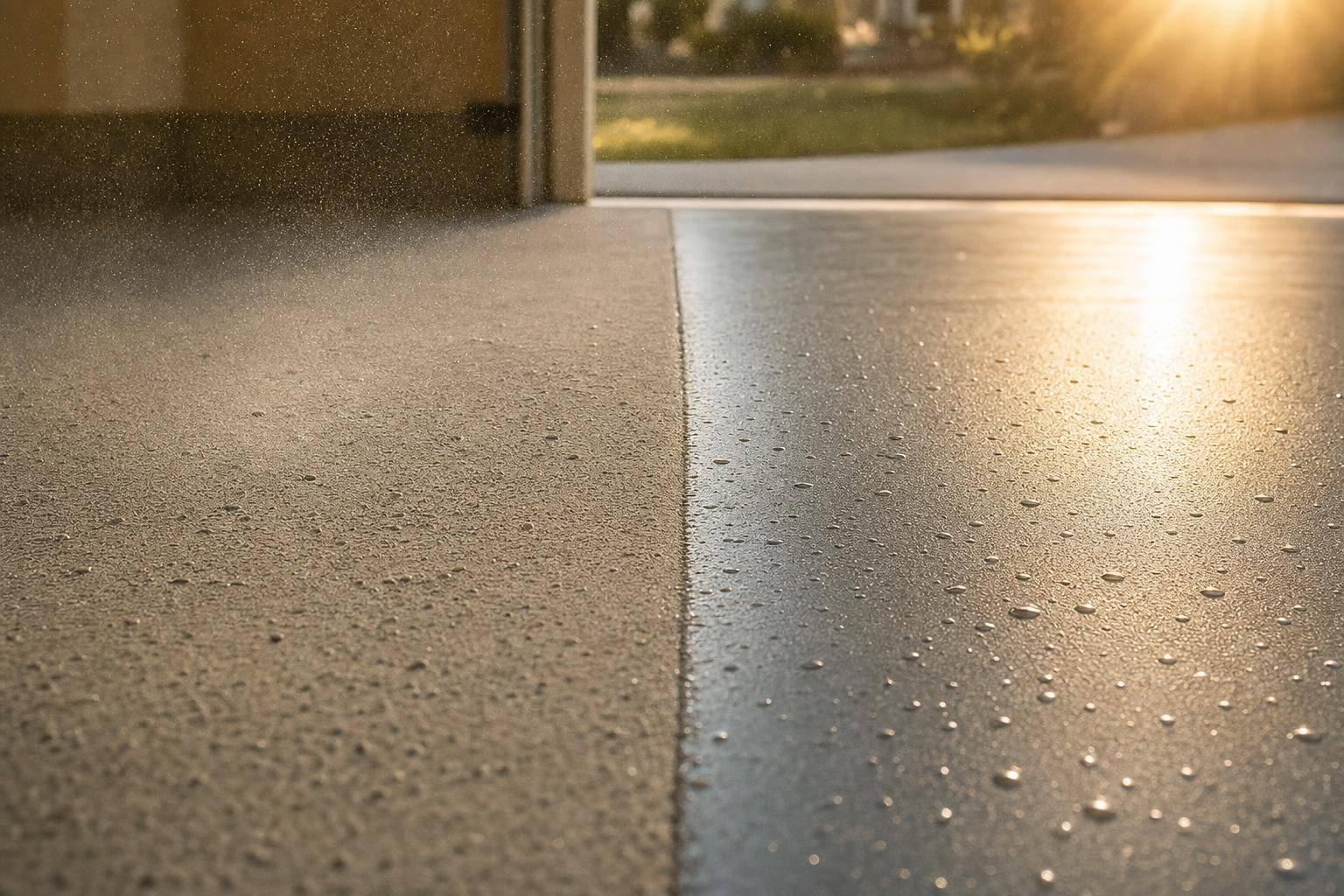
Seal concrete with polyurea to stop dust, block moisture, and cut garage cleaning and slab wear in harsh climates.
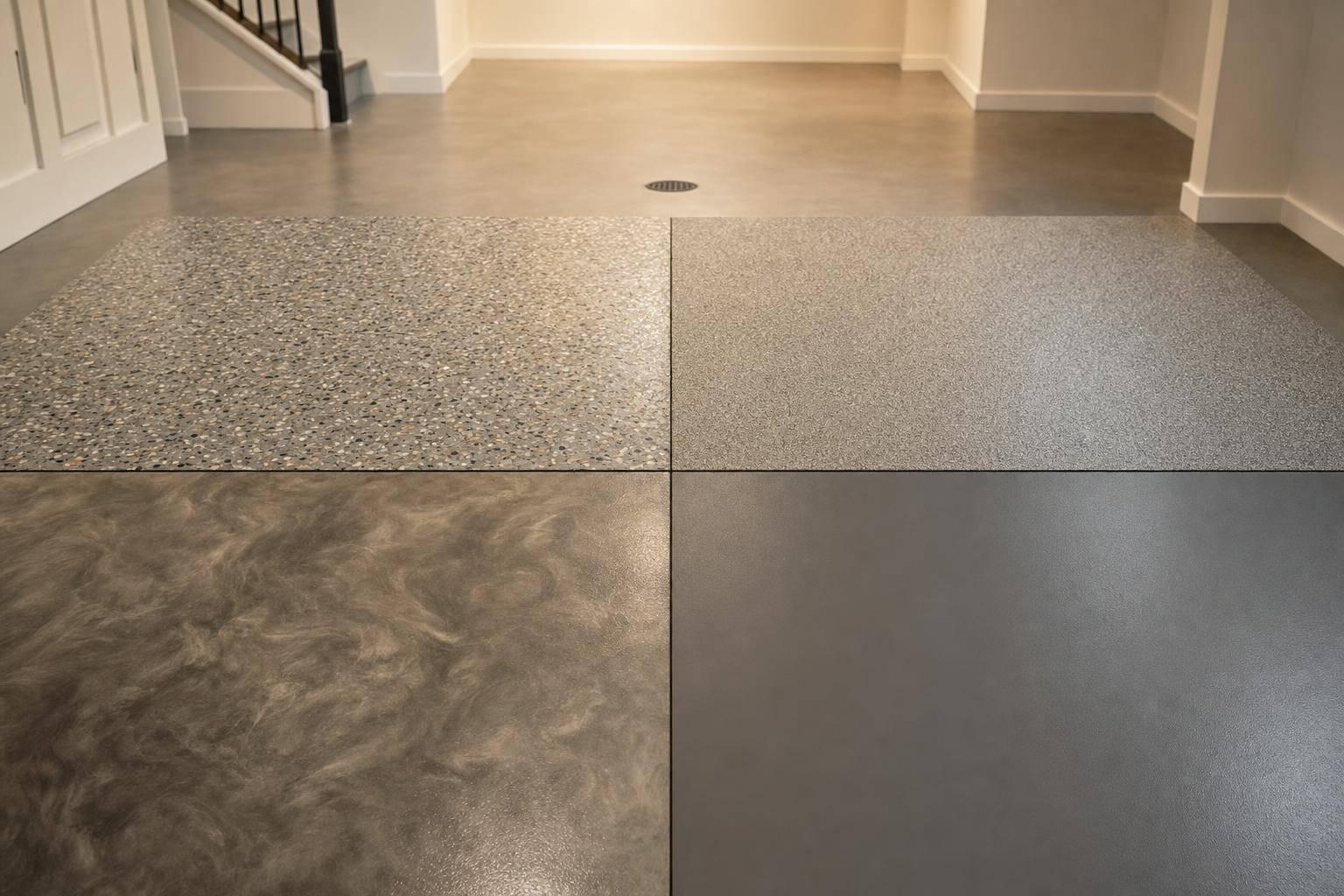
Compare decorative chip, quartz, metallic, and solid-color polyurea for high-traffic, moisture-prone basements; slab prep and moisture control matter.
See how a cluttered garage turns into a showroom-style workspace for $5,000, with planning, storage, lighting, flooring, and workbench updates.

Don't Settle for Epoxy

Croc Coatings installs Penntek® polyurea floor systems that are up to 4x stronger than traditional epoxy, UV stable, and backed by a lifetime warranty. Get your free quote today.