Garage Floor Coating Guide: Plan Your Project with Ease
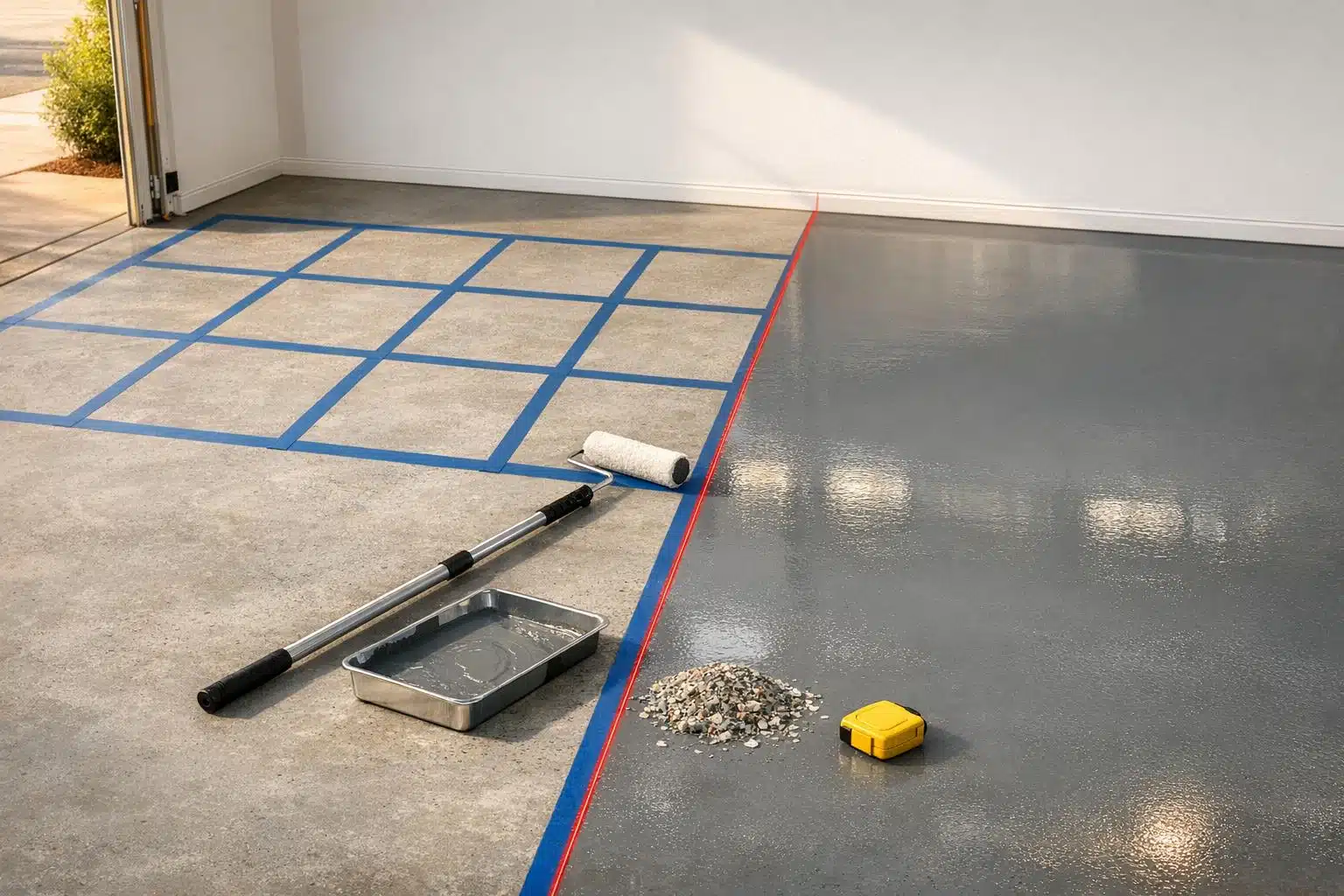
Planning to revamp your garage with a fresh, durable finish? Estimating the right amount of material is a crucial first step to avoid mid-project hiccups. A tool like a garage floor coating cost estimator simplifies this by crunching the numbers for you—whether your space is a cozy single-car setup or a sprawling workshop. Just input a few details about your area and the type of finish you’re eyeing, and you’re set with a ballpark figure to start shopping.
Why Accurate Estimates Matter
Getting the quantity right saves you from overspending on extra product or running short when you’re halfway through. Different materials, like epoxy or other protective sealants, have varying coverage rates depending on their formula and your surface’s condition. Porous concrete might soak up more, while a smooth, prepped floor could stretch a gallon further. Beyond just cost, knowing your needs helps with scheduling—nobody wants a delayed project because of a last-minute store run.
Take the Next Step
Armed with a reliable estimate, you can confidently pick up supplies and tackle your flooring upgrade. Remember to double-check with a local expert if your space has unique quirks. A little prep goes a long way toward a slick, professional-looking result! To ensure success, be sure to avoid common epoxy mistakes during the application process.
FAQs
How accurate is this garage floor coating calculator?
Our calculator gives a solid estimate based on standard coverage rates for epoxy, polyurea, and polyurethane coatings. It calculates your garage area and divides it by the typical coverage per gallon or liter. That said, every project is unique—surface conditions, application thickness, and even temperature can affect the actual amount you’ll need. We always suggest checking with a professional or the coating manufacturer for precision, especially for larger jobs.
What’s the difference between epoxy, polyurea, and polyurethane coatings?
Great question! Epoxy is a popular, durable option that bonds well to concrete and resists stains—think 200 square feet per gallon on average. Polyurea is tougher and faster-curing, often covering about 250 square feet per gallon, perfect for heavy-duty use. Polyurethane offers a flexible, UV-resistant finish but covers less, around 180 square feet per gallon. Each has its strengths, so pick based on your garage’s needs and traffic.
Can I use this tool for non-garage floors?
Absolutely, you can use it for any flat surface where you’re applying these coatings, like a basement or workshop floor. Just measure the length and width of the area, pop those numbers in, and select your coating type. The math works the same way. Keep in mind, though, that irregular surfaces or multiple coats might throw off the estimate a bit, so adjust accordingly or get a second opinion if it’s a tricky space.