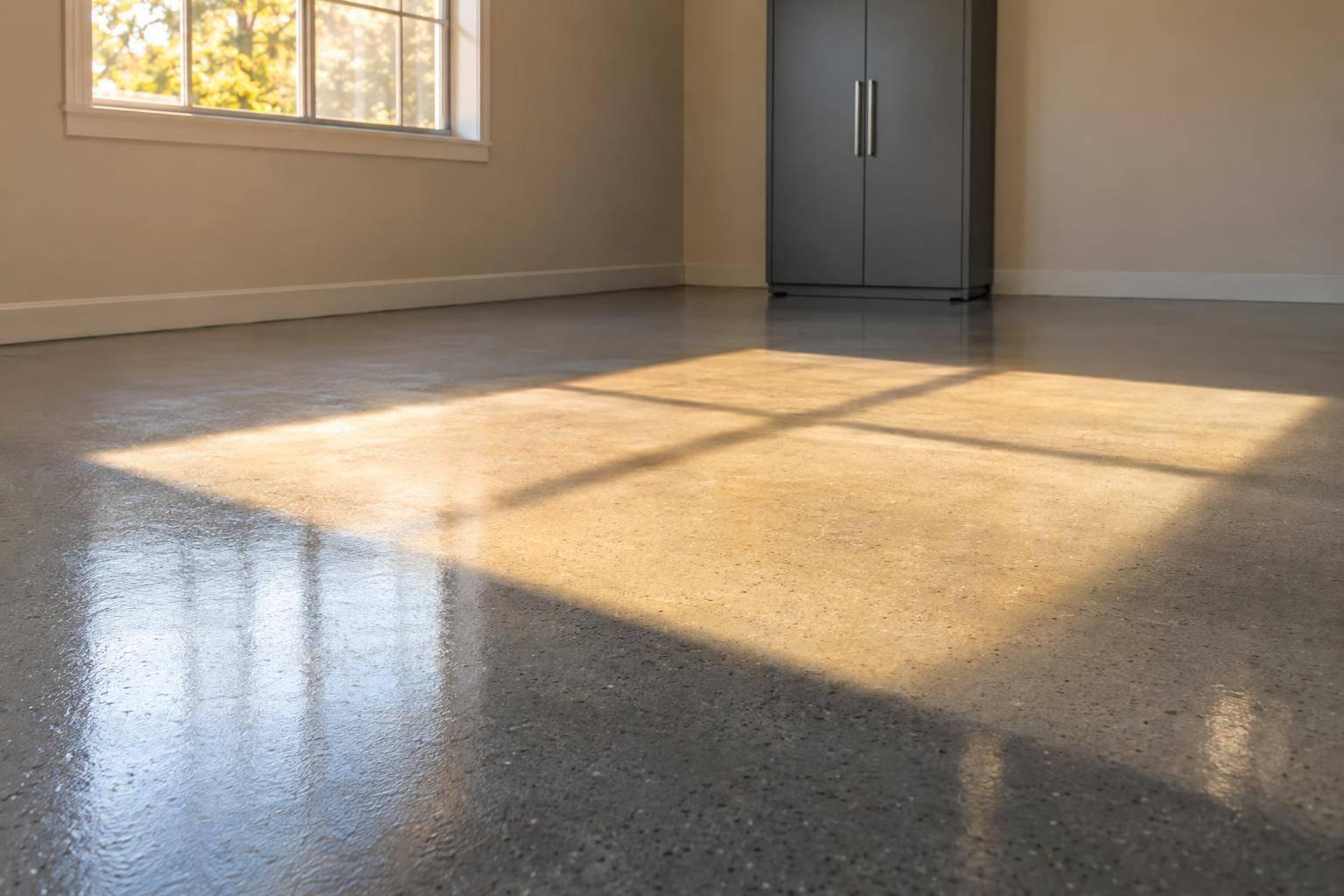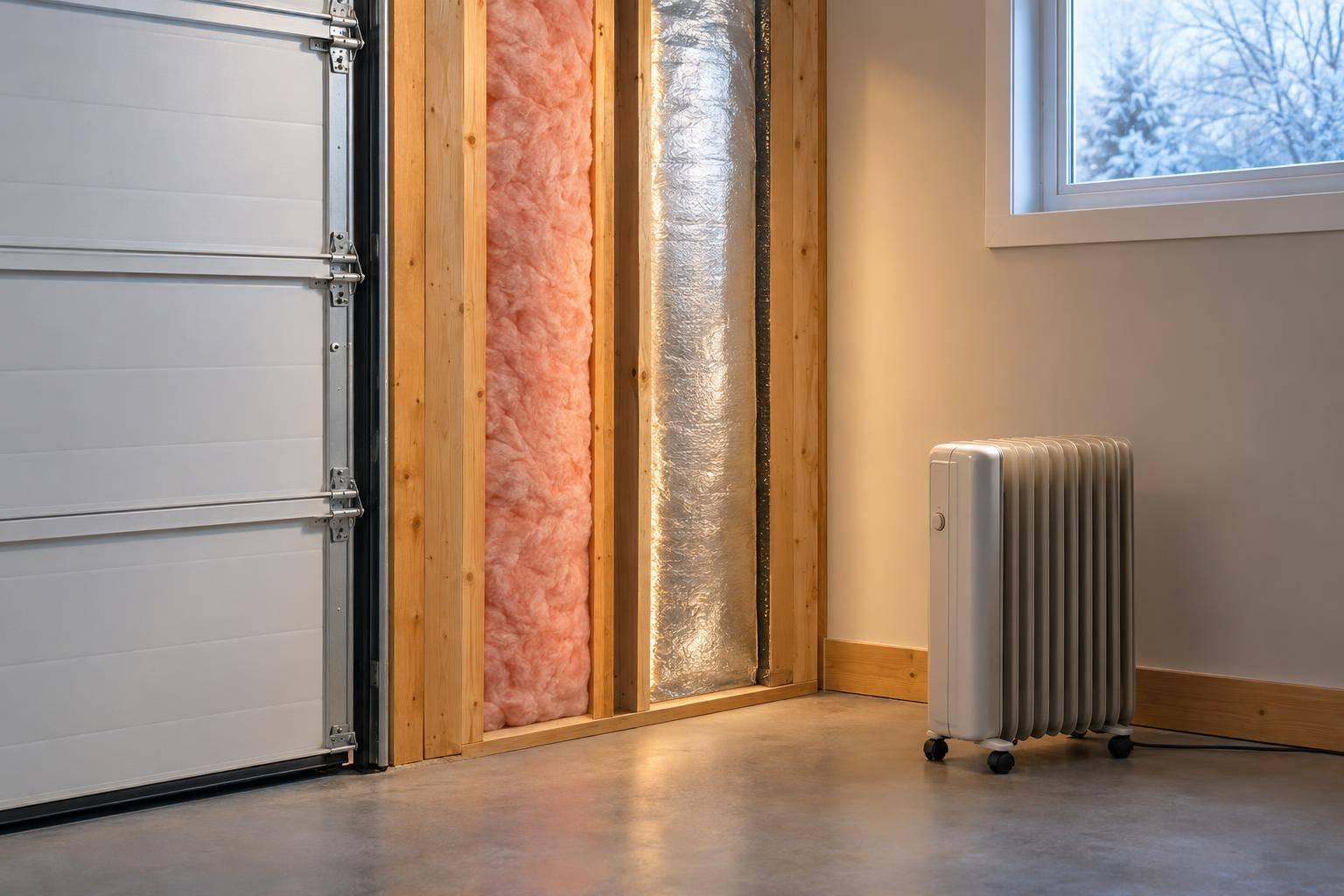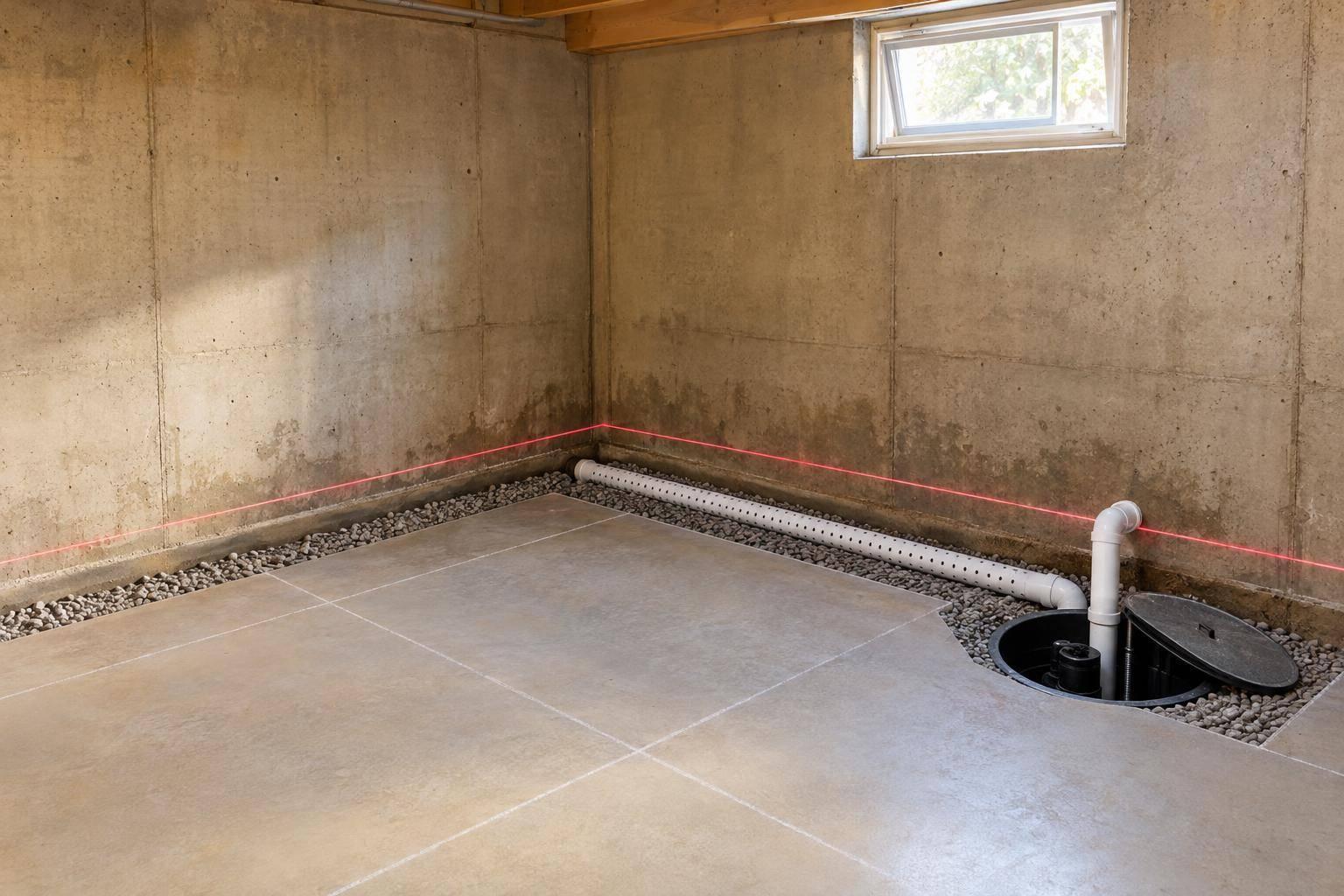

VOC regulations ensure safer air quality but raise questions about coating durability. Modern low-VOC coatings, designed to meet strict emission standards, now rival or even surpass older formulations in performance. Here’s what you need to know:
- What are VOCs? Volatile Organic Compounds are chemicals that evaporate during coating application, contributing to air pollution.
- Regulations: Massachusetts enforces stringent VOC limits under 310 CMR 7.00, requiring manufacturers to comply with caps like 600 g/L for topcoats and 1.7 lbs/gal for surface prep products.
- Durability: Research confirms low-VOC coatings, like water-based polyurethanes and acrylate-polyurethane hybrids, match or exceed the durability of older coatings, offering UV resistance, chemical protection, and long-term stability.
- Environmental Impact: These coatings reduce harmful emissions, improving indoor air quality and lowering ground-level ozone creation.
- Challenges: Climate factors, such as UV exposure and temperature shifts, impact coating performance, especially in harsh climates like North Idaho and Eastern Washington.
Key takeaway: Low-VOC coatings meet both regulatory demands and durability expectations, proving they’re a solid choice for protecting concrete surfaces while reducing harmful emissions.
Research Summary: Low-VOC Coating Performance
Durability Test Results for Low-VOC Coatings
Research shows that low-VOC coatings can perform as well as, or even better than, traditional options when it comes to durability. Water-based polyurethane (PUR) coatings are specifically engineered for long-term mechanical strength, making them ideal for high-traffic concrete surfaces like garage floors and commercial spaces. According to the Centre for Energy and Environmental Technologies, these coatings provide a stable emission profile while effectively protecting surfaces.
Acrylate-polyurethane (ACR–PUR) hybrids stand out for their excellent UV resistance and quick drying times, which ensure strong adhesion to concrete substrates.
Low-VOC fluoropolymer coatings, which comply with AAMA 605-98 weathering standards, also meet federal VOC limits. Industrial maintenance coatings, designed to endure extreme conditions like temperatures above 250°F, heavy abrasion, and chemical exposure, must meet the federal VOC cap of 450 grams per liter. However, stricter regulations in states like Massachusetts limit VOC content to 350 grams per liter under the Ozone Transport Commission Phase I standards.
These findings highlight the balance between performance and environmental compliance.
How Low-VOC Coatings Reduce Environmental Impact
Low-VOC coatings don’t just excel in durability – they also offer environmental benefits. With people spending over 90% of their time indoors, the long-term stability of emissions is crucial. Traditional coatings often release harmful compounds like toluene and styrene, which are linked to respiratory issues and sick building syndrome. While acute emissions from these coatings drop significantly within 60 days of application, some chemicals can linger longer.
Reducing VOC levels improves both indoor air quality and environmental health. VOCs interact with nitrogen oxide under UV light to create ground-level ozone, which contributes to respiratory problems and global warming. By lowering VOC content from the federal limit of 450 g/L to as little as 250 g/L – or even 100 g/L in areas with stricter regulations – low-VOC coatings significantly cut harmful emissions while maintaining the protective qualities needed for concrete surfaces .
"Water-based coatings… appeal lies in their mechanical resistance, adhesion, UV durability, and more favourable ecological properties compared to solvent-based coatings."
– Jana Růžičková et al., Researchers
sbb-itb-a0e5ae3
New Technologies in VOC-Compliant Coating Systems
New coating systems are stepping up to meet the challenge of combining strict VOC regulations with durable, high-performance finishes. By utilizing advanced materials, these systems are not only meeting low-VOC requirements but also improving durability and functionality.
Silicone Epoxy vs. Polyurethane: Performance Comparison when comparing industrial floor coatings
VOC-compliant materials are transforming the industry by reducing harmful solvents. This shift addresses issues like long-term off-gassing, which can release VOCs that contribute to respiratory irritation and headaches. Both silicone epoxy and polyurethane systems are designed to lessen environmental impact while enhancing indoor air quality.
These advancements have paved the way for proprietary systems like Penntek Evolution, which push the boundaries of performance within strict VOC guidelines.
Croc Coatings‘ Penntek Evolution System

The Penntek Evolution industrial coating system represents a leap forward in VOC-compliant concrete protection. This unique formula offers four times the strength of traditional epoxy while adhering to stringent environmental standards. By combining advanced polymer technology with low-VOC chemistry, it eliminates the need for harsh solvents without sacrificing performance.
Designed for a variety of applications – garage floors, basements, patios, pool decks, and industrial spaces – this system is tailored for durability and long-term use in regions like North Idaho and Eastern Washington. With its one-day installation process, it minimizes downtime, and the lifetime warranty highlights its reliability and strength over time.
How Climate Affects Coating Durability
The durability and performance of VOC-compliant coatings are heavily influenced by climate conditions. Factors like temperature shifts, humidity, and UV exposure directly affect the chemical behavior of these coatings, from the curing process to their long-term stability.
VOC Emissions After Application and Long-Term Stability
Even after curing, VOCs (volatile organic compounds) continue to release into the air. This gradual off-gassing can impact indoor air quality and the coating’s structural integrity over time. Temperature and humidity play a significant role in how quickly VOCs are released. For instance, higher temperatures can accelerate this process, especially in warmer climates or during heat waves.
Because VOCs naturally evaporate at room temperature, the continuous release of these compounds can subtly alter the coating’s chemical composition. Over time, these changes may affect the material’s durability and performance. To maintain a healthier indoor environment, total VOC concentrations should ideally stay below 0.5 mg/m³. Proper ventilation during and after application is essential to control vapor release as the coating cures and ages.
These emission patterns, driven by climate, create unique challenges for coatings in specific regions.
Coating Performance in North Idaho and Eastern Washington
Regional climates bring their own set of challenges for coating durability, and the conditions in North Idaho and Eastern Washington are no exception. This area experiences dramatic seasonal temperature swings, from freezing, snowy winters to scorching, dry summers. Add to that varying humidity levels and intense summer UV exposure, and coatings in this region face a tough test.
UV radiation, in particular, can change critical physical properties of coatings, such as their glass transition temperature and crosslink density. For example, in acrylic polyol/melamine formaldehyde systems, UV exposure increases both crosslink density and glass transition temperature. In contrast, polyurethane clearcoats experience a reduction in crosslink density, even as the glass transition temperature rises. Gloss retention often serves as a key measure of a coating’s long-term stability under these conditions.
To address these challenges, industry innovators have introduced advanced solutions. One example is Croc Coatings’ Penntek Evolution system, which uses advanced polymer technology to handle extreme temperatures and resist UV degradation. Its low-VOC formulation minimizes ongoing emissions while maintaining durability across seasonal shifts, making it particularly suited to the diverse conditions found in North Idaho and Eastern Washington.
This highlights just how much climate impacts the long-term performance of coatings, emphasizing the need for tailored solutions in different regions.
Durability Metrics: Coating Type Comparison
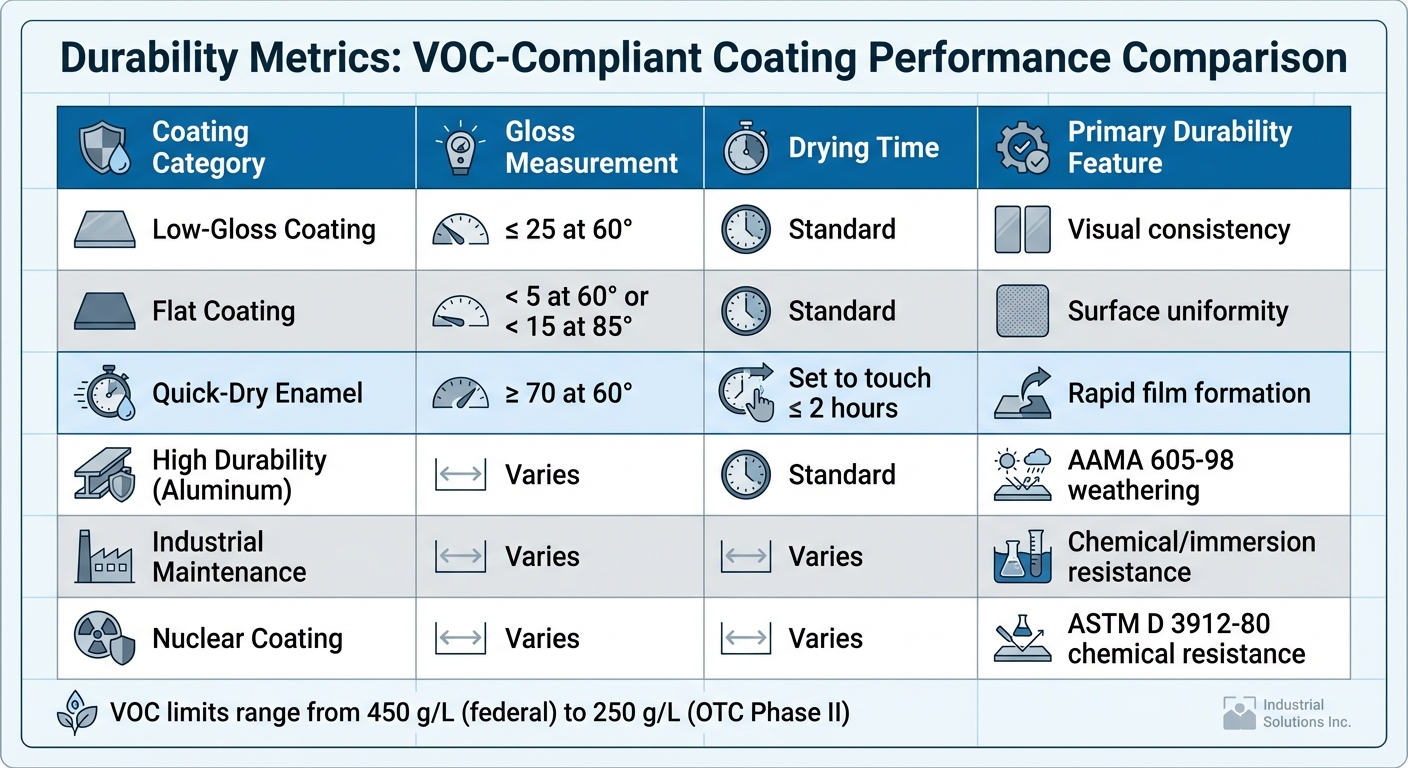
VOC-Compliant Coating Types Performance Comparison Chart
This section dives into how VOC-compliant coatings stack up when measured against key performance metrics, shedding light on their behavior under practical conditions.
When evaluating VOC-compliant coatings, specific performance indicators help differentiate their durability and effectiveness. These metrics are essential for understanding how coatings hold up over time.
Gloss retention is a critical measure of a coating’s long-term stability. Following ASTM Method D 523-89, gloss is assessed at either 60 degrees or 85 degrees. For low-gloss coatings, a reading of ≤25 on a 60° glossmeter is standard, while flat coatings must score below 5 on a 60° meter or under 15 on an 85° meter. These figures are strong predictors of how well a coating maintains its appearance over time.
Drying and curing speed also play a major role in durability. For example, a "quick-dry" VOC-compliant enamel sets to touch within 2 hours, becomes tack-free in 4 hours, and dries hard in 8 hours. Faster curing often means better chemical crosslinking, which enhances the coating’s resistance to wear and environmental factors.
Chemical and corrosion resistance varies significantly depending on the coating type. Industrial maintenance coatings, for instance, are designed to endure harsh conditions like chemical immersion, temperatures above 250°F (120°C), and heavy abrasion – capabilities that standard architectural coatings lack. Pretreatment wash primers, a specific type, must include at least 0.5 percent acid by weight to ensure proper adhesion and corrosion protection on bare metal surfaces.
Durability Data Table: Coating Types Compared
| Coating Category | Gloss Measurement | Drying Time | Primary Durability Feature |
|---|---|---|---|
| Low-Gloss Coating | ≤ 25 at 60° | Standard | Visual consistency |
| Flat Coating | < 5 at 60° or < 15 at 85° | Standard | Surface uniformity |
| Quick-Dry Enamel | ≥ 70 at 60° | Set to touch ≤ 2 hours | Rapid film formation |
| High Durability (Aluminum) | Varies | Standard | AAMA 605-98 weathering |
| Industrial Maintenance | Varies | Varies | Chemical/immersion resistance |
| Nuclear Coating | Varies | Varies | ASTM D 3912-80 chemical resistance |
Meeting these durability benchmarks while adhering to VOC limits – ranging from 450 g/L federally to 250 g/L under OTC Phase II – pushes manufacturers to develop advanced formulations. These challenges highlight how stringent Massachusetts VOC limits are shaping the next generation of coatings.
Massachusetts VOC Standards and Concrete Coating Durability
Massachusetts enforces some of the toughest VOC (volatile organic compound) regulations in the country under 310 CMR 7.00, managed by the Department of Environmental Protection (DEP). These rules set strict emission limits for coatings used in the state, ensuring that the applied mixtures comply with legal VOC thresholds. For example, surface preparation products are capped at 1.7 pounds per gallon, while primers and sealers are generally limited to 550–575 grams per liter. To further reduce emissions, the regulations mandate the use of specific application methods, such as High Volume Low Pressure (HVLP) spray equipment.
What’s unique about these laws is the shared responsibility they impose. Property owners, contractors, and coating manufacturers must all ensure compliance with Reasonably Available Control Technology (RACT) requirements. This includes proper labeling of products with manufacture dates or batch codes to verify compliance. These rigorous standards push manufacturers to create products that not only meet legal limits but also deliver high performance.
How Croc Coatings Meets VOC Standards with Durable Solutions
Croc Coatings has developed a practical solution to meet these stringent regulations with its Penntek Evolution industrial coating system. This system uses eco-friendly polyurea and epoxy formulations, significantly reducing off-gassing – a critical factor, especially for indoor applications. By keeping VOC levels below 0.5 mg/m³, the system ensures healthier indoor air quality while offering a finish that’s four times stronger than traditional epoxy coatings.
What sets this system apart is its ability to balance environmental compliance with exceptional durability. The advanced formulation adheres to Massachusetts’ strict requirements while maintaining top-tier mechanical strength. Croc Coatings further backs its products with a lifetime warranty for residential applications and a 5-year warranty for commercial projects, proving that eco-conscious solutions can also deliver long-lasting performance.
Conclusion
Research confirms that VOC regulations, established under federal standards like 40 CFR Part 59, do not compromise the durability of coatings. Concrete protective and industrial maintenance coatings are specifically designed to endure tough conditions such as freeze-thaw cycles, extreme temperatures exceeding 250°F, and heavy abrasion – qualities essential for challenging environments like North Idaho and Eastern Washington.
Massachusetts has set a high bar with its strict VOC limits, and individual states like Washington have established specific VOC rules to ensure environmental compliance. Coatings that comply with industry benchmarks, such as ASTM C 1315-95 for concrete curing and sealing compounds, achieve a dual purpose: they provide long-term protection against water intrusion, chemical exposure, and UV damage while maintaining environmental responsibility. Key performance indicators like gloss retention, fast curing, and chemical resistance ensure these coatings meet ASTM standards and the demands of extreme climates. This blend of compliance and performance is crucial when selecting durable, eco-conscious coatings.
In regions like Spokane and the Tri-Cities, property owners need solutions that outperform traditional epoxy with superior freeze-thaw resistance. Croc Coatings’ proprietary Penntek Evolution system proves that low-VOC formulations can deliver superior strength and longevity. From safeguarding basements against moisture to enhancing slip resistance in commercial spaces, VOC-compliant products stand out by offering both environmental care and exceptional durability.
FAQs
Do low-VOC coatings last as long as older coatings?
Low-VOC coatings, while eco-friendly, sometimes fall short in terms of longevity compared to older formulations. However, recent regulations aim to improve both their durability and overall performance. Ongoing studies are examining how these advancements affect the lifespan and effectiveness of these coatings.
How do Massachusetts VOC limits affect what coatings I can use?
Massachusetts has strict regulations on VOCs (Volatile Organic Compounds), setting limits on the emissions that coatings can produce. To comply, manufacturers have developed low-VOC or VOC-free coatings. Opting for these compliant products not only ensures adherence to environmental standards but can also influence the durability of the coating. Fortunately, many modern formulations are designed to reduce emissions without sacrificing performance, offering a dependable option for projects within the state.
What climate factors shorten a coating’s lifespan?
Climate conditions, such as extreme temperature changes and exposure to UV radiation, can significantly shorten a coating’s lifespan. These factors accelerate the breakdown process, causing the coating to deteriorate and wear out more rapidly over time.