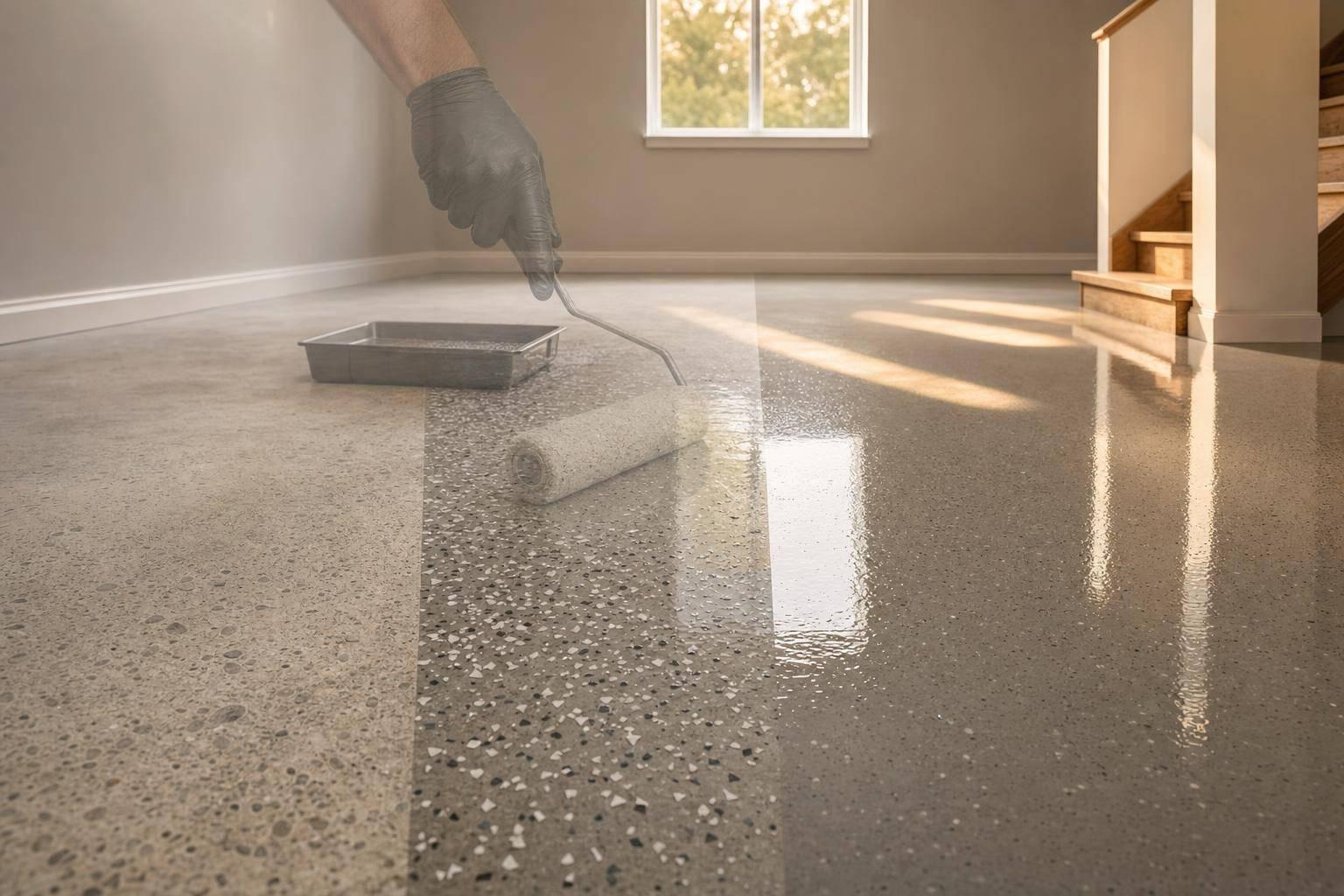
Polyurea floor coatings cost $5 to $10 per square foot installed, with most homeowners spending between $2,000 and $5,800 for a standard two-car garage. The final price depends on your project’s size, surface condition, material grade, and any custom add-ons you choose.
Here’s a quick look at what drives polyurea coating costs:
- Per Square Foot: $5–$10 installed, including materials ($6–$8/sq ft) and labor ($2–$5/sq ft)
- By Project Size: A two-car garage runs $2,000–$5,800; a three-car garage runs $2,900–$8,600
- Material Grade: Standard ($5–$6/sq ft), Premium ($6–$8/sq ft), Industrial ($8+/sq ft)
- Add-Ons: Decorative flakes, custom colors, and non-slip additives add 15%–40% to the base price
- Vs. Epoxy: Polyurea costs more upfront but lasts 4x longer with far less maintenance
Key Takeaway: Polyurea coatings carry a higher initial cost than epoxy, but their 20+ year lifespan and near-zero maintenance requirements make them a smarter long-term investment — especially for high-traffic areas like garages, driveways, and pool decks.
How Much Does Polyurea Coating Cost in 2026?
Polyurea coating prices have remained relatively steady into 2026, driven by strong market growth — the U.S. polyurea market surpassed $281 million in 2024 and is projected to reach nearly $519 million by 2034, according to Precedence Research. For homeowners, that means more installers, more competitive pricing, and better product availability than even a few years ago.
Here’s what you can expect to pay by project type:
| Project Type | Typical Size | Estimated Cost (Installed) |
|---|---|---|
| One-Car Garage | 250–300 sq ft | $1,250–$3,000 |
| Two-Car Garage | 400–500 sq ft | $2,000–$5,800 |
| Three-Car Garage | 600–800 sq ft | $2,900–$8,600 |
| Basement | 500–1,000 sq ft | $2,500–$10,000 |
| Patio / Pool Deck | 300–600 sq ft | $1,500–$6,000 |
| Driveway | 600–1,200 sq ft | $3,000–$12,000 |
These ranges include both materials and professional installation. Surfaces with cracks, pitting, or heavy contamination will require additional prep work, which can push costs toward the higher end of each range.
Polyurea Coating Cost Per Square Foot
Polyurea coatings typically range from $5 to $10 per square foot installed. Here’s how that breaks down:
| Cost Component | Price per Square Foot |
|---|---|
| Polyurea materials | $6–$8 |
| Professional labor | $2–$5 |
| Total (installed) | $5–$10 |
Material costs vary by grade — a basic standard-grade polyurea runs $5–$6 per square foot, while premium and industrial-grade formulations with enhanced UV resistance and chemical durability can reach $8 or more. Labor costs fluctuate with your region: urban markets and areas with a higher cost of living typically land at the upper end of the $2–$5 range.
For commercial and industrial projects, costs often run higher due to stricter performance specifications, thicker application requirements, and larger surface areas that demand more material and labor.
Cost Factors That Affect Polyurea Pricing
Knowing what drives polyurea coating costs helps you budget accurately and avoid surprises. Here are the seven factors that have the biggest impact on your final quote.
Materials and Quality
The type and grade of polyurea you choose has the single biggest impact on pricing:
| Material Quality Level | Cost per Square Foot | Best For |
|---|---|---|
| Standard Grade | $5–$6 | Basic residential garages, low-traffic areas |
| Premium Grade | $6–$8 | High-traffic garages, patios, basements |
| Industrial Grade | $8+ | Commercial floors, workshops, heavy-duty needs |
Higher-grade polyurea formulations offer better UV stability, chemical resistance, and abrasion resistance — qualities that directly extend the coating’s lifespan and appearance over time.
Project Scope and Surface Condition
Larger projects benefit from some economies of scale on labor, but the total material cost scales linearly with square footage. The bigger variable is surface condition:
- A clean, smooth concrete slab in good condition needs minimal prep — just grinding and cleaning
- Floors with cracks, spalling, or deep pitting require crack repair, patching, and more extensive surface preparation, which can add 15%–25% to the total
- Customizations like decorative flakes, non-slip additives, or metallic finishes add 15%–40% on top of the base price
Location and Labor
Where you live affects your quote in several ways:
- Local labor rates: Contractors in high-cost urban markets charge more per square foot
- Material transportation: Distance from suppliers can add delivery fees
- Regional competition: More installers in your area often means more competitive pricing
- Permits and regulations: Some municipalities require permits for coating work, adding $50–$200
- Climate: Humidity and temperature during installation can require climate control measures that increase labor time
Polyurea vs. Epoxy vs. Polyaspartic: Cost Comparison
If you’re weighing polyurea against epoxy or other coatings, the upfront price only tells part of the story:
| Coating Type | Cost per Sq Ft | Typical Lifespan | Cure Time | UV Resistance |
|---|---|---|---|---|
| Polyurea | $5–$10 | 20+ years | 4–6 hours | Excellent |
| Epoxy | $3–$10 | 5–10 years | 24–72 hours | Poor (yellows) |
| Polyaspartic | $6–$9 | 10–15 years | 2–4 hours | Very Good |
Polyurea costs more than basic epoxy upfront, but its 20+ year lifespan and fast one-day cure time mean you avoid the re-coating cycles that epoxy demands every 5–10 years. When you factor in the cost of re-doing an epoxy floor twice over the same period, polyurea often comes out cheaper over the life of the floor.
Polyaspartic coatings sit between the two on price and performance — faster curing than polyurea but with a slightly shorter lifespan.
Additional Costs and Add-Ons
Beyond the base coating, these common upgrades affect your final invoice:
| Add-On Service | Cost Impact | What You Get |
|---|---|---|
| Surface Preparation (grinding, crack repair) | +15%–25% | A smooth, bonded substrate |
| Custom Colors | +10%–20% | Color-matched to your space |
| Decorative Flakes | +15%–30% | Textured, slip-resistant finish |
| Non-slip Additives | +10%–15% | Extra traction for wet areas |
Most homeowners choose at least one add-on, with decorative flakes being the most popular upgrade — they hide dust and minor imperfections while adding grip underfoot.
DIY vs. Professional Installation: What’s the Real Cost?
If you’re wondering, “Can I apply polyurea myself?” — technically yes, but the numbers tell a clear story.
DIY polyurea kits run $2 to $4 per square foot for materials alone, compared to $5–$10 per square foot for professional installation. On a 500-square-foot two-car garage, that looks like $1,000–$2,000 in DIY materials versus $2,500–$5,000 for a pro.
But here’s what DIY doesn’t account for:
- Equipment rental: Concrete grinders, moisture meters, and spray rigs cost $200–$500 per day to rent
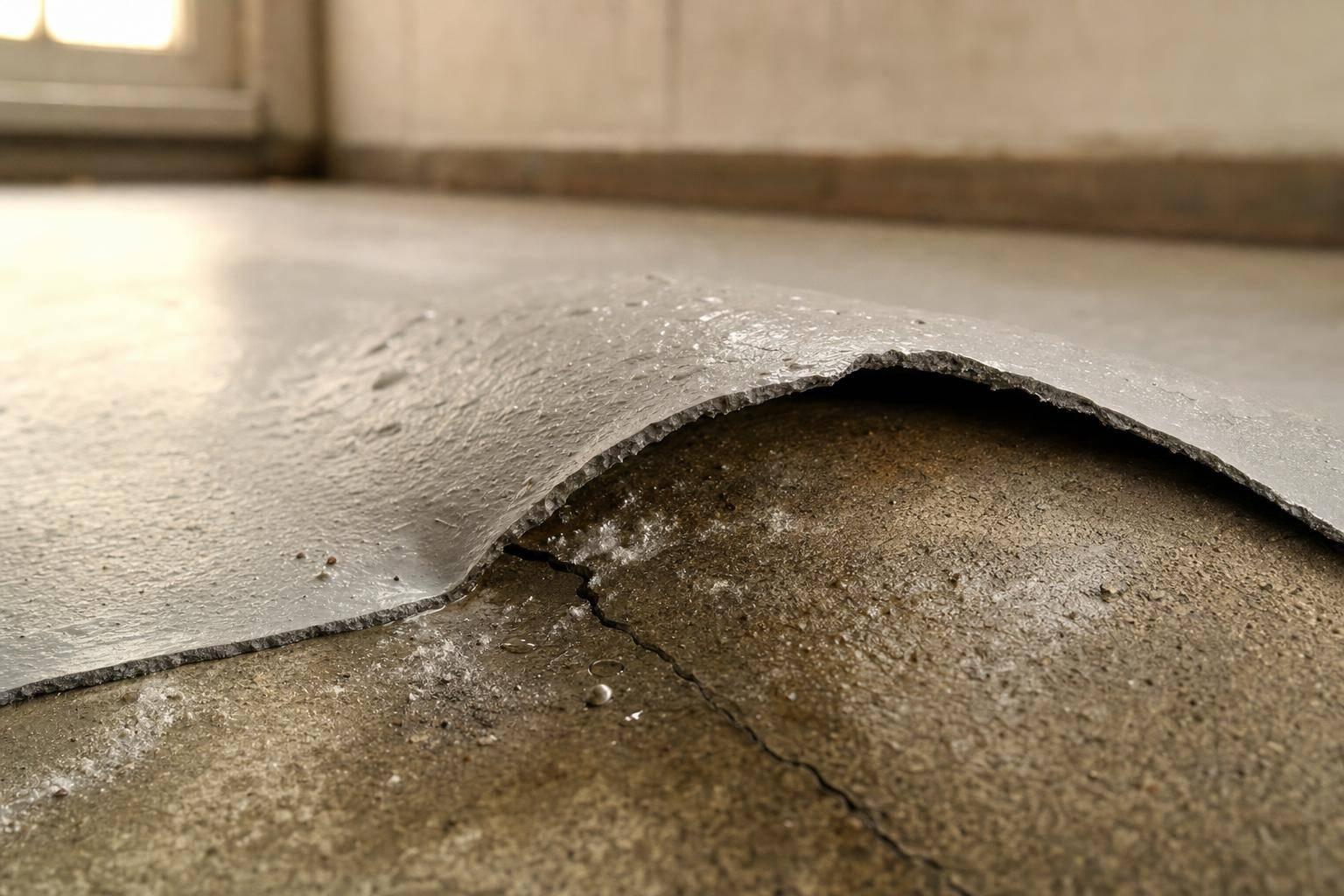
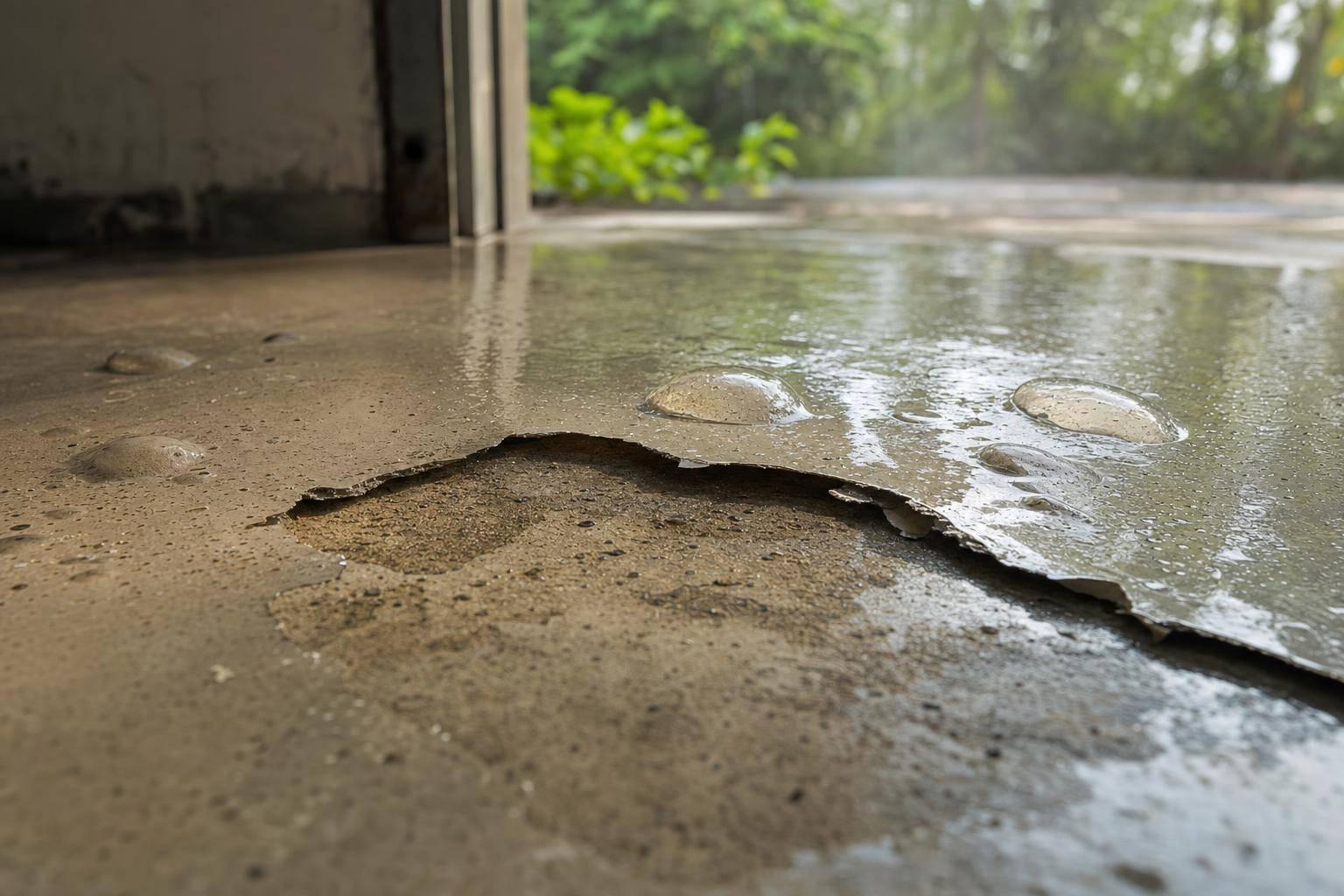
- Surface prep: DIYers routinely underestimate the grinding and crack-repair work — and polyurea won’t bond properly to poorly prepped concrete
- Material waste: First-time applicators often waste 10%–20% of the product through mixing errors and overspray
- No warranty: Most polyurea manufacturer warranties are void without certified professional installation
- Time: A pro completes a two-car garage in one day; a DIY job often spans a full weekend or longer
When you add equipment rental, potential waste, and the value of a lifetime warranty, the real cost gap between DIY and professional installation shrinks considerably — and the risk of a failed DIY job that needs professional re-doing tips the scale firmly toward hiring a certified installer from the start.
Polyurea Coating Disadvantages to Consider
Polyurea is an exceptional coating, but it’s not without trade-offs. Here’s an honest look at the downsides:
- Higher upfront cost: At $5–$10 per square foot, polyurea costs more than epoxy ($3–$10/sq ft) and significantly more than concrete paint or sealers. You’re paying for performance, but the initial check is larger.
- Professional installation required: Unlike epoxy kits sold at home improvement stores, polyurea demands specialized equipment and training. DIY isn’t really an option if you want a lasting result — and manufacturer warranties depend on certified installation.
- Fast cure time limits working windows: Polyurea sets in hours, which is great for turnaround but leaves zero margin for error during application. An inexperienced installer can’t fix mistakes once the material begins to gel.
- Aromatic polyurea is UV-sensitive: Lower-cost aromatic polyurea formulations can chalk or discolor under prolonged sun exposure. For outdoor applications like pool decks and patios, you need aliphatic polyurea — which costs more.
None of these are deal-breakers for most homeowners. The key is going in with eyes open: polyurea rewards you with decades of low-maintenance performance, but only when installed by a qualified professional using the right formulation for your space.
Selecting a Contractor
sbb-itb-a0e5ae3
Selecting a Contractor
What to Look For
Choosing the right contractor is as important as choosing the right coating. Certifications from the Polyurea Development Association (PDA) and a track record of completed projects are essential — they confirm your installer understands proper surface preparation, application techniques, and safety protocols.
| Requirement | Why It Matters |
|---|---|
| PDA Certification & Licensing | Verifies formal training and regulatory compliance |
| Liability Insurance | Protects you from damage during installation |
| Project Portfolio | Demonstrates experience with projects like yours |
| Documented Safety Protocols | Ensures safe material handling |
Questions to Ask Any Contractor
- Experience: How many polyurea projects have you completed? When were you certified?
- Surface Preparation: Walk me through how you handle cracked or pitted concrete.
- Application Process: What’s your step-by-step method from prep to final cure?
- Warranty: What exactly does your warranty cover, and for how long?
- Timeline: Can you complete my project in one day, and what’s your scheduling availability?
Be wary of contractors who hesitate to provide references or detailed answers. A qualified professional is transparent about their process and proud to showcase past work.
Croc Coatings: A Trusted Provider
Croc Coatings, serving North Idaho and Eastern Washington, meets every standard above. As the region’s exclusive Penntek Evolution certified installer, they bring:
| Feature | Benefit |
|---|---|
| 4x Stronger than Epoxy | Built for decades of daily use |
| One-Day Installation | Minimal disruption — cures in hours, not days |
| Lifetime Warranty | Long-term peace of mind |
| Custom Solutions | Tailored to residential and commercial needs alike |
With over 1,700 completed projects and 340+ five-star reviews, Croc Coatings provides free in-home consultations and custom quotes — so you know your exact price before committing.
Getting the Most from Your Investment
Installation Best Practices
A successful polyurea installation comes down to preparation and precision. The process follows a clear sequence:
- Surface preparation: Thorough grinding, crack repair, and moisture testing
- Controlled application: Precise mixing ratios, correct temperature and humidity conditions
- Quality checks: Adhesion testing and uniform-coverage verification
Addressing surface damage before application is the single most important step — it directly determines how well the coating bonds and how long it lasts.
Warranty and Upkeep
Most polyurea warranties span 10 to 20 years and cover material defects, delamination, and color stability — provided you follow basic maintenance guidelines. Annual professional inspections catch early wear before it becomes a problem and keep your warranty valid.
Long-Term Care
A simple routine keeps your polyurea floor looking new:
- Weekly: Sweep or dust-mop to remove grit
- Monthly: Deep clean with a mild detergent to prevent chemical buildup
- As needed: Use protective mats in high-traffic zones
- Annually: Schedule a professional inspection
Clean spills promptly with mild soap, and avoid harsh solvents or abrasive cleaners that can dull the finish.
"Regular maintenance and proper care can extend the life of your polyurea coating significantly. The key is addressing small issues before they become major problems," says the Polyurea Development Association.
For commercial spaces, keeping a maintenance log documents cleaning and inspection activities — helpful for warranty claims and for spotting wear patterns early.
Summary
Polyurea coatings cost $5 to $10 per square foot installed, with a typical two-car garage landing between $2,000 and $5,800. The final price reflects material quality, labor rates, and project complexity. While polyurea carries a higher upfront cost than epoxy, its 20+ year lifespan, one-day installation, and minimal maintenance needs make it the stronger long-term value.
Key pricing variables to keep in mind:
- Material grade: Standard ($5–$6/sq ft), Premium ($6–$8/sq ft), Industrial ($8+/sq ft)
- Labor: $2–$5 per square foot, influenced by local market rates and project complexity
- Surface prep: Adds 15%–25% for floors needing crack repair or extensive grinding
- Add-ons: Decorative flakes, custom colors, and non-slip treatments add 15%–40%
"Regular maintenance and proper care can extend the life of your polyurea coating significantly. The key is addressing small issues before they become major problems," says the Polyurea Development Association.
DIY polyurea kits may look cheaper on paper, but the real cost — equipment, waste, voided warranties, and the risk of a failed application — makes professional installation the smarter financial choice for nearly every homeowner. Compared to epoxy and polyurethane alternatives, polyurea’s combination of durability, speed, and low maintenance justifies the investment.
For the best results, hire a certified contractor with verifiable polyurea experience. Understanding these cost factors upfront ensures you get a fair quote and a floor that performs for decades.
FAQs
How much does polyurea cost per sq ft?
Polyurea coatings cost $5 to $10 per square foot installed, including materials ($6–$8/sq ft) and professional labor ($2–$5/sq ft). The final price varies with your project’s size, surface condition, material grade, and location.
Why is polyurea so expensive?
Polyurea’s price reflects its performance: 4x stronger than epoxy, UV-stable, chemical-resistant, and capable of lasting 20+ years with minimal maintenance. You’re paying for a one-time installation that outlasts multiple epoxy re-coating cycles — making it more cost-effective over the life of the floor despite the higher upfront cost.
Can I apply polyurea myself?
You can buy DIY polyurea kits at $2–$4 per square foot, but successful DIY application is difficult. Polyurea requires specialized spray equipment, precise mixing ratios, and thorough surface preparation — and it cures in hours, leaving no room for error. Most manufacturer warranties are void without certified professional installation. The cost of fixing a failed DIY job often exceeds the price of hiring a pro from the start.
How long does polyurea last?
With proper installation and basic maintenance, polyurea coatings last 20 years or more. Compare that to epoxy (5–10 years) and polyaspartic (10–15 years), and polyurea offers the longest service life of any common concrete coating.