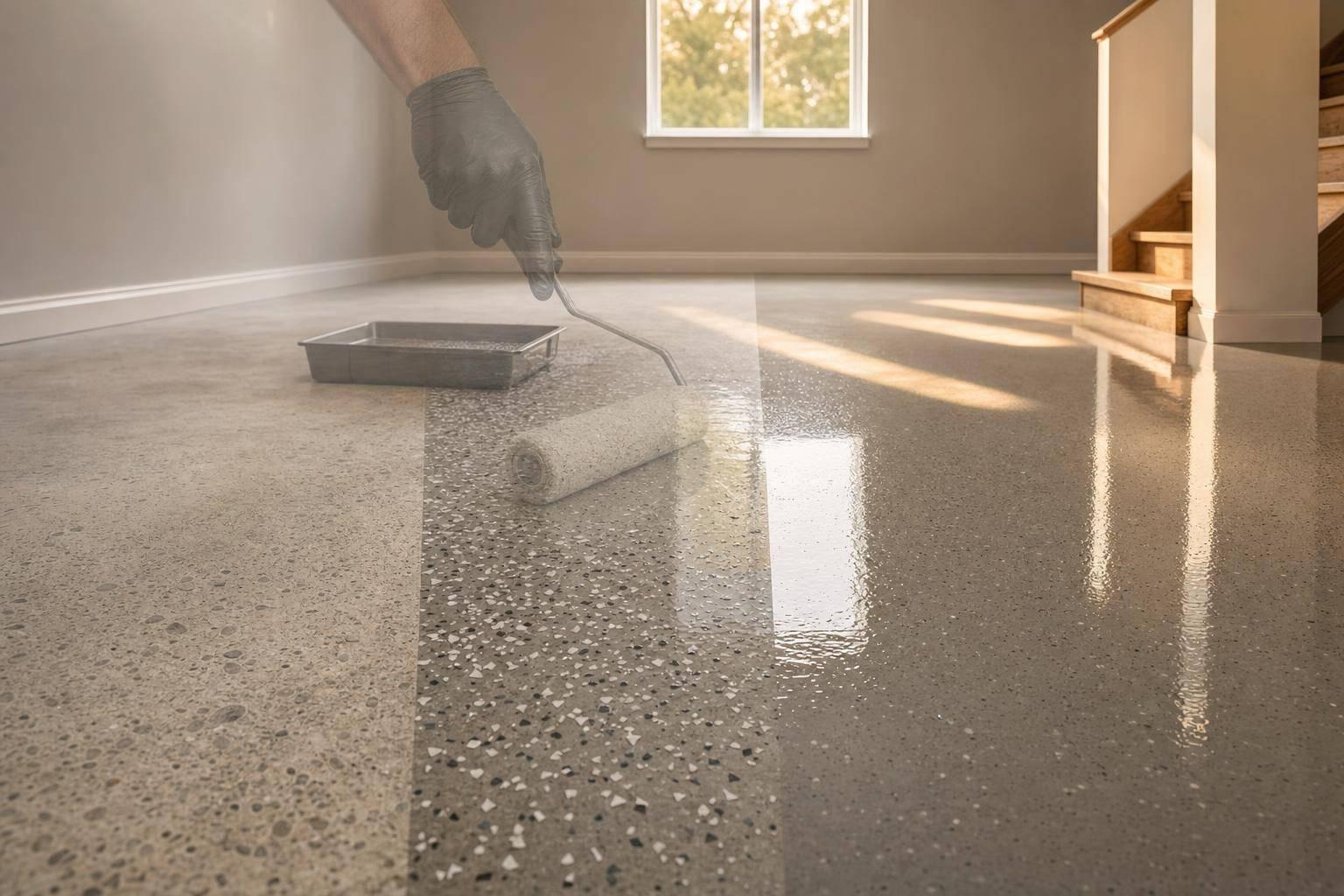
Polyurea is the best choice for pool decks because it outperforms alternatives like epoxy and stained concrete in durability, UV resistance, and safety. It resists cracking, peeling, and yellowing, even under intense sunlight and temperature changes. Unlike epoxy, which can become brittle and slippery, polyurea offers decorative slip-resistant pool deck finishes and handles moisture, chlorine, and pool chemicals effortlessly. While polyurea coatings cost more upfront ($7–$12 per square foot), their 20+ year lifespan and low maintenance make them a smart investment. Epoxy is cheaper ($4–$7 per square foot) but lasts only 5–10 years and struggles with UV exposure. Stained concrete is mostly decorative and lacks protection, requiring frequent resealing. For a long-lasting, safe, and visually appealing pool deck, polyurea is the clear winner. See our guide to the best concrete coatings for pool decks for a full comparison of all your options.
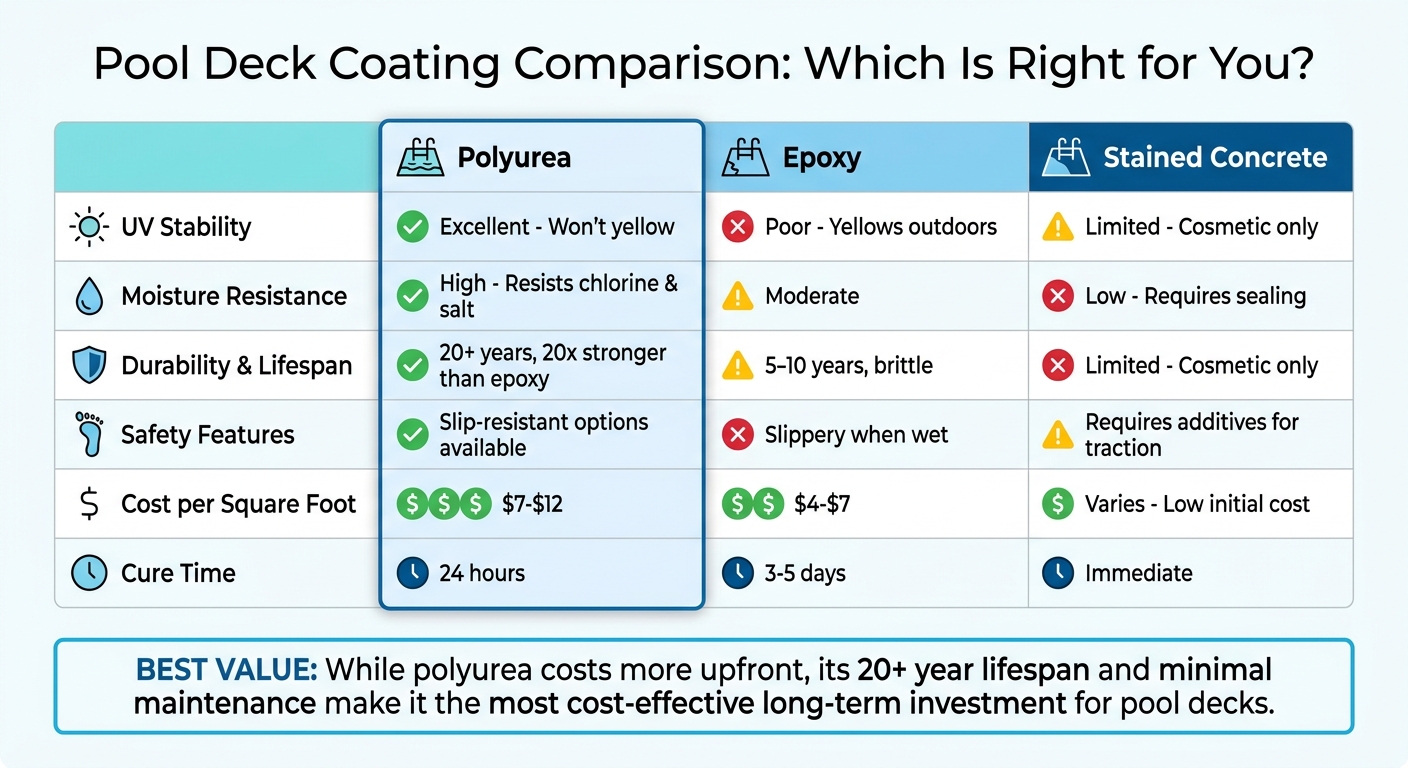
Pool Deck Coating Comparison: Polyurea vs Epoxy vs Stained Concrete
1. Polyurea Coatings
UV Stability
Polyurea coatings excel at holding their color and finish even under constant sunlight. Unlike standard epoxy, which tends to yellow over time, polyurea retains its clear and vibrant look, keeping your pool deck visually appealing throughout the year. You can even use a pool deck coating color selector to find the perfect match for your home’s aesthetic. Its UV-resistant formula makes it a solid choice for outdoor spaces exposed to intense sunlight.
Moisture Resistance
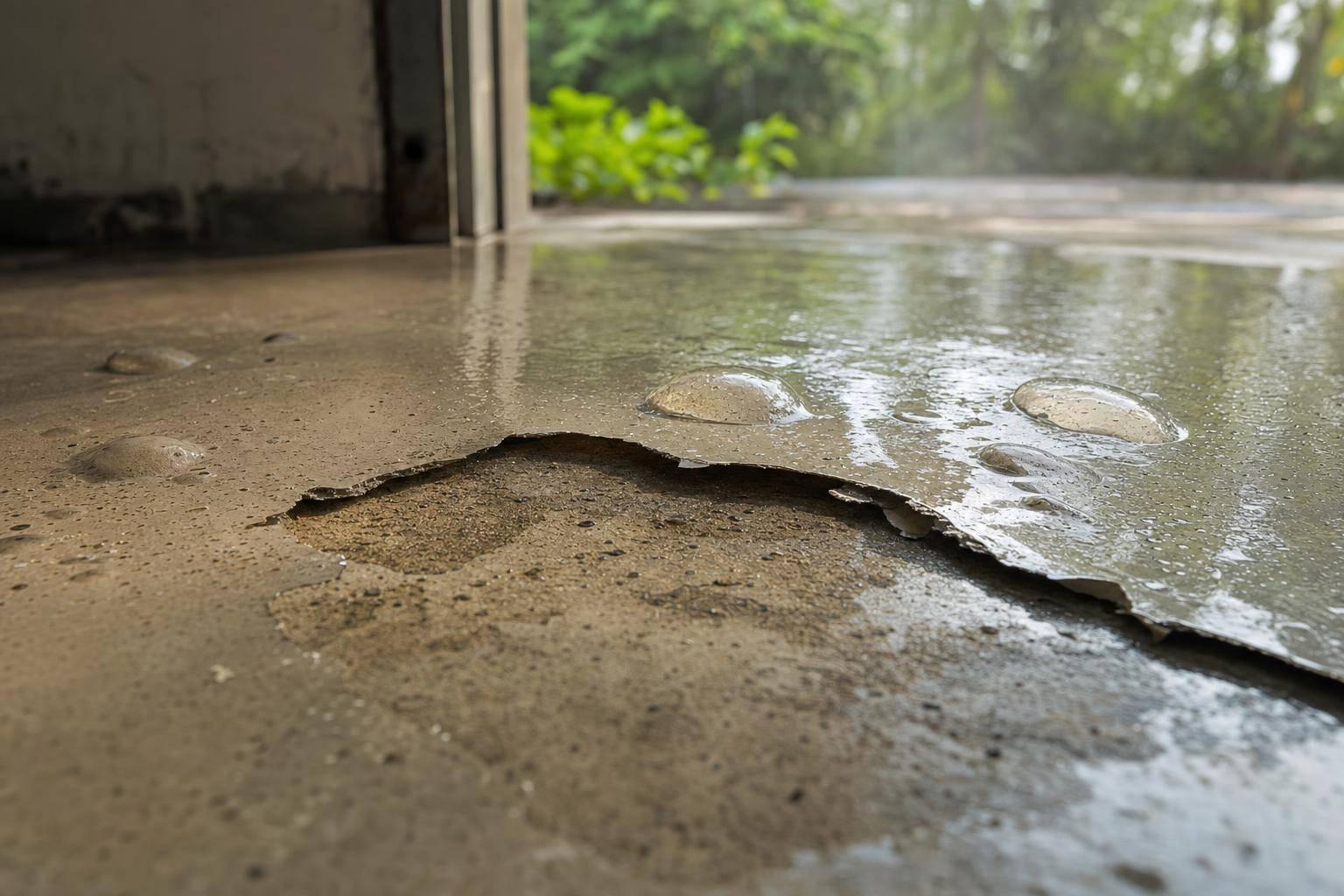
Water is often a big challenge for pool deck surfaces, but polyurea handles it with ease. It’s completely resistant to moisture, salt, and harsh chemicals like chlorine and sunscreen. This protective barrier prevents issues like cracking, peeling, or degradation, even in environments exposed to saltwater or pool chemicals.
Durability
When it comes to strength, polyurea coatings outperform traditional epoxy by a wide margin – they’re up to 20 times stronger. This toughness makes them highly resistant to cracking or peeling, even as the concrete underneath expands and contracts due to temperature changes. Plus, they cure quickly, becoming walkable in just 8–10 hours and fully ready for use within 24 hours.
Safety Features
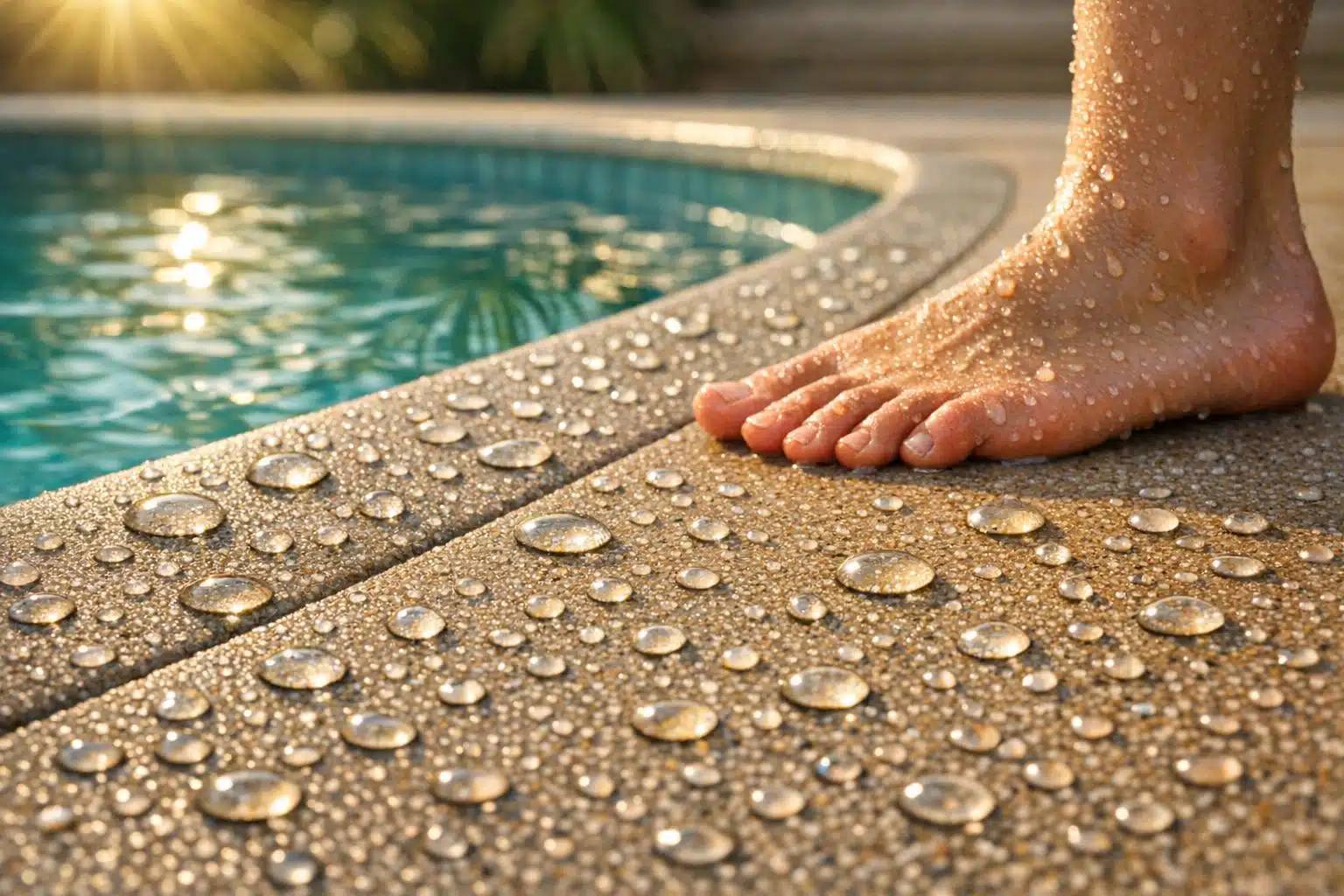
Safety is a top priority for pool decks, and polyurea coatings deliver with compare non-slip pool deck coating options. A clear topcoat cures to a satin finish, improving traction on wet surfaces. Additionally, these coatings are eco-friendly, featuring low VOC levels and minimal odor, making them safer for outdoor use.
Long-Term Value
Polyurea coatings are built to last. Their durability and low-maintenance properties mean they can maintain a high-gloss finish for a lifetime when applied properly. This longevity ensures you get a pool deck that coating vs resurfacing vs replacement.
With all these advantages, polyurea stands out as a top-tier choice for creating durable, safe, and visually stunning pool decks.
sbb-itb-a0e5ae3
2. Epoxy Coatings
UV Stability
Epoxy coatings don’t hold up well against sunlight. As Floortek Coatings puts it:
Epoxy is not UV stable. This means it has zero protection against sunlight. Any exposure to UV rays – even indirect light from a garage window or an open door – will cause it to break down.
This lack of UV resistance often leads to further durability issues, especially under regular wear and tear.
Durability
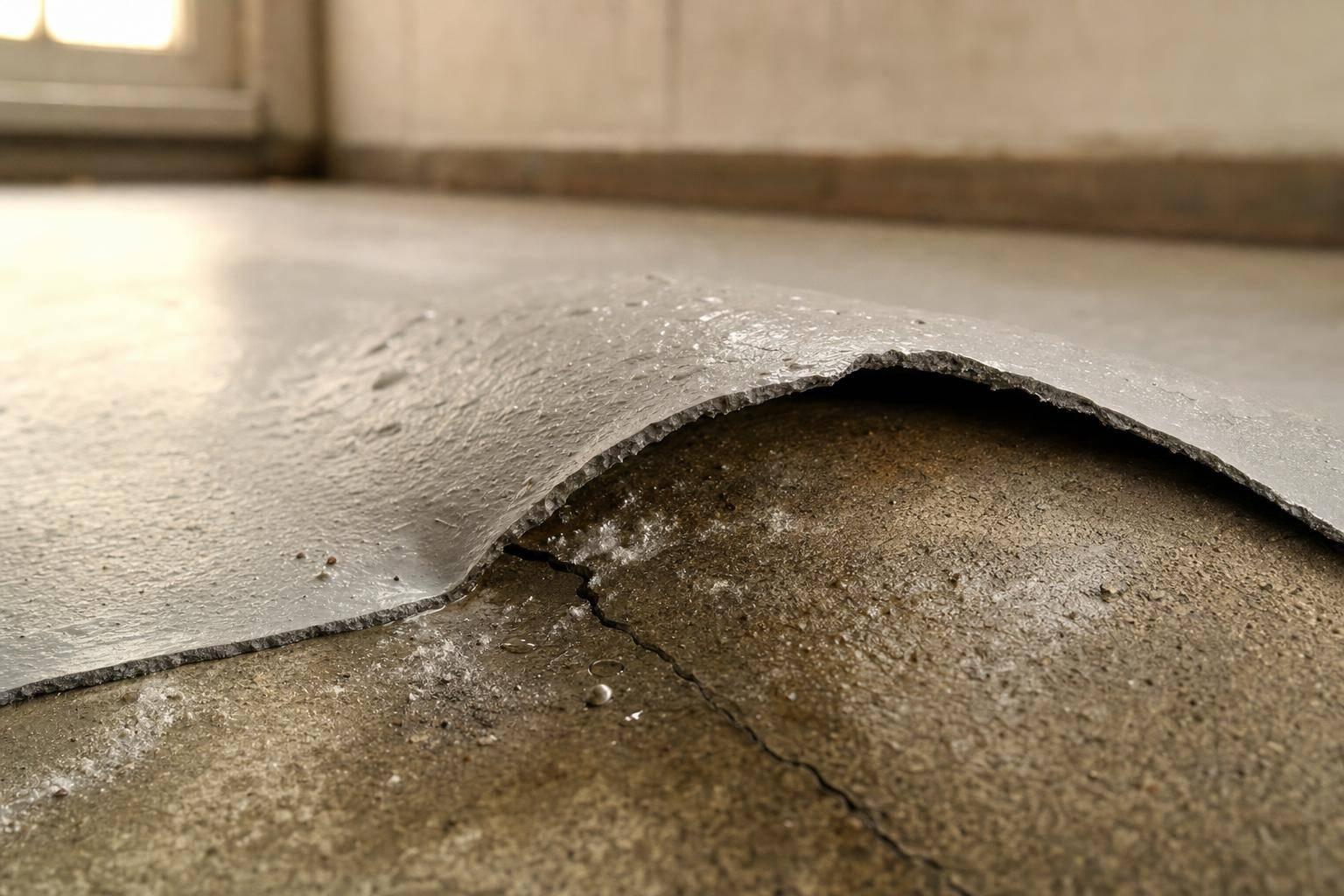
Epoxy’s rigidity and its shallow bond with concrete make it prone to cracking, chipping, and peeling. Floortek Coatings explains:
When your concrete slab moves with seasonal temperature swings, the brittle epoxy can’t keep up. This stress causes it to crack, chip, and delaminate.
On average, epoxy coatings last between 2 to 5 years before needing repair or replacement. Its porous surface also tends to absorb stains over time, unlike polyurea coatings, which offer a non-porous alternative.
Safety Features
While epoxy coatings can have a sleek, high-gloss finish, this feature becomes a safety concern when the surface is wet. Slippery conditions can be mitigated by adding slip-resistant treatments or textured flakes during the application process. Still, maintaining adequate traction requires consistent upkeep of the surface texture.
Cost Value
Epoxy coatings are priced at $4–$7 per square foot, making them an affordable upfront option. However, their short lifespan of just 2 to 5 years often results in higher long-term maintenance costs . This makes them less cost-effective over time when considering polyurea vs. epoxy costs and durability.
Kool Deck vs. Penntek Industrial Coatings: Which Is Better For A Pool Deck Coating?
3. Stained Concrete
Stained concrete is often chosen for its ability to enhance the visual appeal of a surface, though it doesn’t offer the same level of protection as engineered coatings.
UV Stability
One advantage of stained concrete is its resistance to UV discoloration. Since the color penetrates the concrete rather than sitting on the surface, it avoids the yellowing that surface coatings sometimes experience. However, prolonged exposure to sunlight can still lead to fading over time.
Durability
While staining improves the look of concrete, it doesn’t address structural issues like cracking, spalling, or damage caused by polyurea vs. epoxy freeze-thaw resistance compared. This is especially problematic for pool decks, where constant exposure to water, pool chemicals, and debris can speed up wear and tear, often leading to repairs sooner than expected.
Safety Features
A major drawback of stained concrete is its lack of built-in slip resistance, which can make wet surfaces, like those around pools, hazardous. To improve traction, methods such as acid etching or adding non-slip sealers can be used. When choosing a finish, it is helpful to understand polyurea vs. epoxy texture differences to ensure long-term safety. However, these solutions don’t last forever – they wear down with use and need regular reapplication to remain effective.
Cost Value
At first glance, stained concrete seems like a budget-friendly choice. But over time, the need for resealing or resurfacing to preserve its appearance and water resistance can add up. While it delivers an affordable way to achieve a polished look, it falls short in terms of long-term protection, especially when compared to polyurea coatings.
Advantages and Drawbacks
When it comes to pool decks, constant exposure to water and UV light means choosing the right coating is crucial. Comparing polyurea, epoxy, and stained concrete can help you decide which material suits your needs best.
Polyurea stands out for its durability and UV stability, making it resistant to yellowing and fading. Its flexibility allows it to handle temperature changes without cracking, and it’s 20 times stronger than epoxy. While the upfront cost is higher – ranging from $7–$12 per square foot – its long lifespan of over 20 years and minimal maintenance requirements make it what pool deck coatings cost.
Epoxy is the most budget-friendly option, with costs between $4–$7 per square foot. However, it’s not ideal for outdoor use. UV exposure can cause yellowing and degradation, and its rigid nature makes it prone to cracking as the concrete expands and contracts. With a lifespan of only 5–10 years, it also requires more frequent upkeep.
Stained concrete is primarily cosmetic, enhancing the deck’s appearance but offering little in terms of protection. It lacks slip resistance and structural reinforcement, requiring frequent resealing to maintain safety and functionality.
Here’s a quick comparison of these materials based on key features:
| Feature | Polyurea | Epoxy | Stained Concrete |
|---|---|---|---|
| UV Stability | Excellent (won’t yellow) | Poor (yellows outdoors) | Limited (cosmetic only) |
| Moisture Resistance | High | Moderate | Low (requires sealing) |
| Durability | 20+ years, flexible | 5–10 years, brittle | Limited (cosmetic only) |
| Safety | Slip-resistant options | Slippery when wet | Requires additives |
| Cost per sq. ft. | $7–$12 | $4–$7 | Varies (low initial cost) |
| Cure Time | 24 hours | 3–5 days | Immediate (staining only) |
Each option has its strengths and weaknesses, so your choice will depend on your budget, maintenance preferences, and the specific needs of your pool deck.
Conclusion
When it comes to choosing the right coating for your pool deck, polyurea stands out as the superior option compared to epoxy and stained concrete. Its ability to stretch – thanks to elongation rates exceeding 300% – means it can handle temperature shifts and seasonal changes without cracking. Plus, unlike epoxy, which tends to yellow under UV light, aliphatic polyurea coatings maintain their color even under direct sunlight.
Polyurea is also incredibly durable – up to 20 times stronger than standard epoxy – making it highly resistant to pool chemicals, salt water, and everyday wear and tear. While the cost ranges from $7 to $12 per square foot, compared to epoxy’s $3 to $7, polyurea’s 15–20+ year lifespan helps offset the initial investment.
Another advantage is its quick curing time. Polyurea coatings are walkable within 8–10 hours and fully ready for use in just 24 hours. In contrast, epoxy typically takes 24–72 hours to cure, highlighting the polyurea curing vs epoxy differences, which can be inconvenient during busy summer months.
For homeowners in North Idaho and Eastern Washington, Croc Coatings offers the Penntek Evolution system, a top-notch solution specifically designed for pool decks and outdoor surfaces. This industrial-grade coating is four times stronger than epoxy, UV-stable, and backed by a lifetime warranty. Even better, it can be installed in just one day, so you can start enjoying your upgraded pool deck almost immediately.
If you’re looking for a pool deck solution that offers long-lasting durability, safety, and minimal upkeep, polyurea is the clear winner for residential needs.
FAQs
How long does a polyurea pool deck coating really last?
A polyurea pool deck coating can last 20 years or more when applied correctly and maintained properly. It’s highly regarded for its durability, flexibility, and ability to resist cracking and wear from environmental factors, making it a reliable choice for pool decks.
Will polyurea stay cool and not get too hot in direct sun?
Polyurea coatings are known for their durability and ability to cool, heat-reducing pool deck coatings. That said, without proper UV resistance, extended exposure to direct sunlight can lead to fading or surface wear, gradually affecting their appearance.
What prep does my concrete need before a polyurea coating?
Before you apply a polyurea coating, make sure the concrete is thoroughly cleaned. This means getting rid of dirt, grease, and any loose debris. You’ll also need to etch the surface using a concrete etching solution. This step creates a rough texture, which helps the coating stick better. Proper preparation like this is key to ensuring the coating adheres well and lasts a long time.
Related Blog Posts
- 5 Best Concrete Coatings for Pool Decks
- Polyurea vs. Epoxy: UV Stability Comparison
- Top 5 Benefits of UV-Stable Polyurea Coatings
- Polyurea vs. Epoxy: Best for Humid Areas