If you want outdoor concrete that feels safe, the best choice is usually a light-to-medium texture matched to the space. Smooth finishes can get slick fast when wet, and many outdoor surfaces aim for about 0.55 wet DCOF, while wet barefoot areas like pool decks often target 0.60+.
Here’s the short version:
- Broom finish: solid grip, low upkeep, good for entries and walkways
- Exposed aggregate: strong traction, but rougher on bare feet
- Stamped concrete: looks good, but often needs added slip control
- Mechanical profiling: mostly a prep step for older concrete
- Textured coatings: even grip, easier cleaning, and often better barefoot comfort
Climate changes the best pick:
- In Spokane and North Idaho, rain, shade, and about 20–30 freeze-thaw cycles each winter can make slick surfaces worse
- In the Tri-Cities, summer heat can push bare concrete to 130–150°F
- Light-colored textured coatings can cut surface temps by about 15–30°F
What matters most is simple:
- Entries: stronger texture
- Patios: balance grip and easy cleaning
- Pool decks: wet traction + barefoot comfort + cooler surface
Quick comparison
| Surface | Wet Grip | Barefoot Feel | Upkeep | Best Fit |
|---|---|---|---|---|
| Broom finish | Good to very good | Medium | Low | Entries, walks, patios |
| Exposed aggregate | Very good | Rougher | Medium | Slopes, driveways, pool edges |
| Stamped concrete | Fair to good* | Good | Higher | Decorative patios, entries |
| Mechanical profiling | Good to very good | Medium to rough | Medium | Older slabs before recoating |
| Textured coatings | Good to very good | Often best for bare feet | Medium | Pool decks, patios, resurfacing |
*Usually needs the right sealer and slip additive.
I’d sum it up like this: pick texture for safety first, then comfort, then looks. After that, the sealer and cleaning routine decide whether that grip lasts.
How Do I Make Concrete Slip Resistant? FAQ Video by CoverTec Products
sbb-itb-a0e5ae3
Grip-First Texture Trends and the Main Surface Types
Outdoor concrete has moved toward finishes that build traction into the surface itself. That shift makes sense. People want a deck or patio that feels safe when wet without turning it into sandpaper.
The main surface options fall into five groups, and each one handles grip and comfort a little differently.
Surfaces that reduce slipping without feeling too rough
Pool decks and patios need traction without a harsh feel. That matters most in spots where people walk barefoot, kids play, or guests sit and move around.
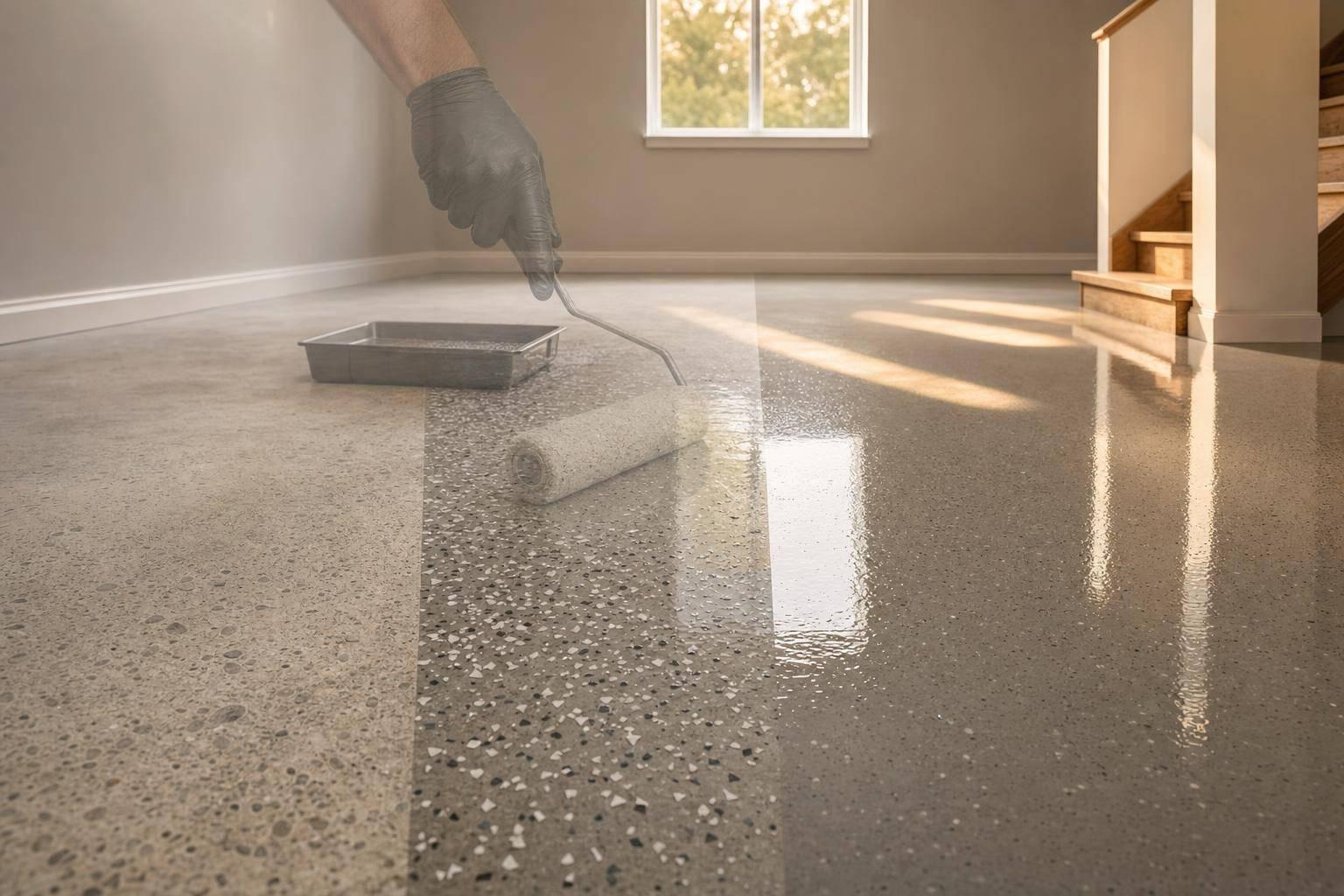
Right now, the biggest trend is light to moderate texture. The goal is simple: create enough friction to cut slip risk in wet conditions without the rough feel of heavy aggregate or coarse industrial finishes. Many newer coating systems build that texture directly into the coating layer through broadcast flakes, fine mineral textures, or traction additives. In other words, the slip resistance is part of the system itself instead of coming from a gritty top layer that can wear down over time.
For pool decks and other wet barefoot areas, a wet DCOF of 0.60 or higher is a practical target.
Broom, exposed aggregate, stamped, mechanical, and textured coatings: a short review
Each surface type creates grip in its own way, and each comes with trade-offs.
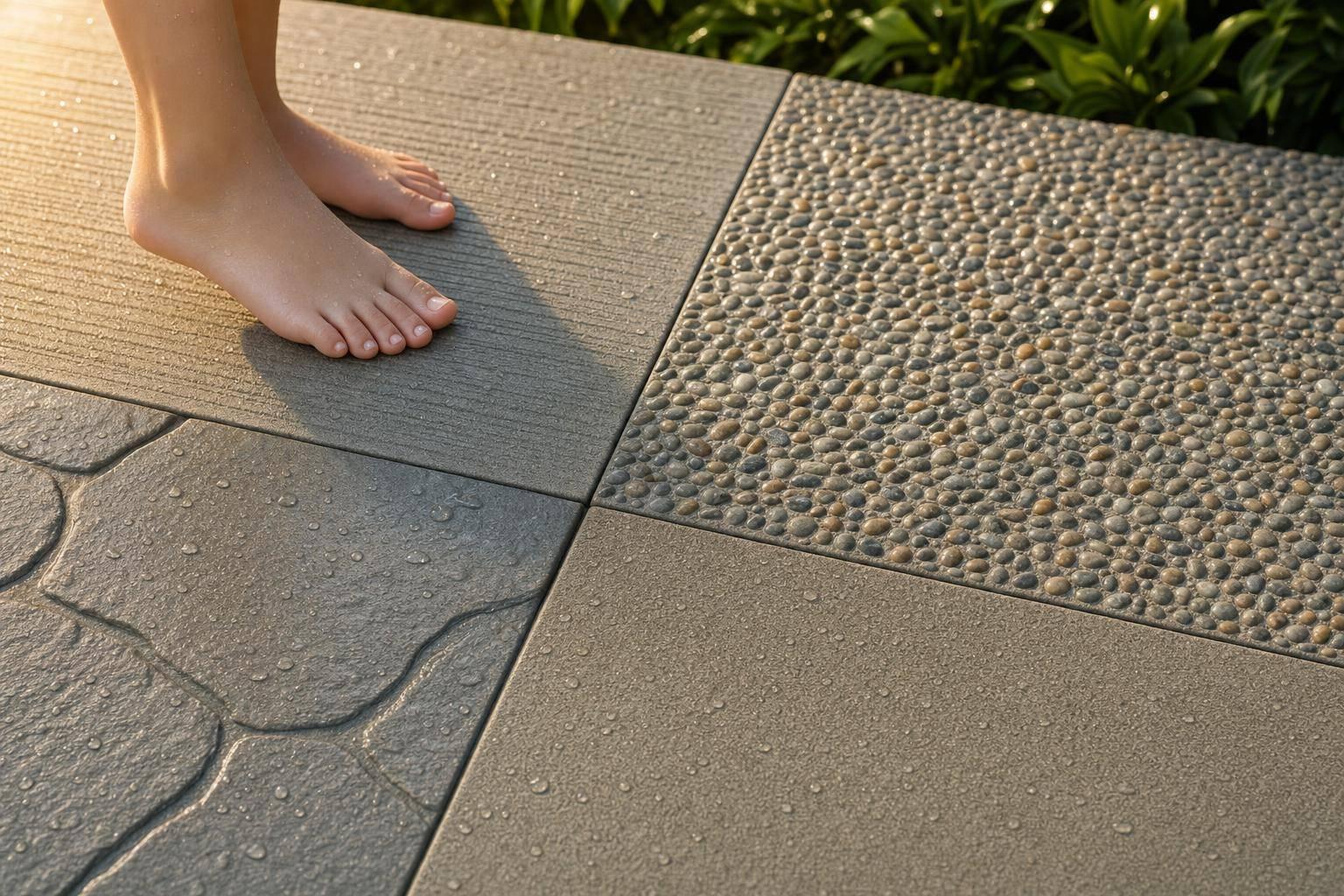
Broom-finished concrete is the most common starting point. A fine broom finish is applied to fresh concrete to create parallel ridges that add friction without making the surface look busy. It’s cost-effective, works well in wet conditions, and tends to stay cooler underfoot than darker or heavily sealed surfaces. A coarser broom finish fits better in high-risk areas like ramps or utility zones, not patios or pool decks where people go barefoot.
Exposed aggregate takes a different route by revealing the stone or pebble in the concrete mix. That gives the surface a natural texture with strong grip and a more decorative look. The trade-off is comfort. Larger or sharper pieces can feel rough underfoot, and leaves, dust, or other debris can collect between stones in places with lots of trees or wind.
Stamped concrete is mostly chosen for looks. It can mimic stone, brick, or wood, and it often stands out more than plain concrete. The catch is that the stamped areas between pattern ridges can be fairly smooth. That’s why it tends to work best when extra traction is built in through texture depth and fine non-slip additives in sealers or overlays. Without those, stamped concrete near a pool or in a shaded, damp entry area can be a poor choice.
Mechanical profiling includes grinding, shot-blasting, and scarifying. This is a surface preparation step, not the final finish. It roughens older concrete so a new coating can bond better. The finished slip performance still depends on the coating or sealer applied after that. It’s most useful when resurfacing older slabs that have become too smooth over time.
Textured coating systems use broadcast flakes or mineral additives to create a uniform finish with light grip. They’re easier to clean than rougher surfaces, and they keep their texture without depending on a gritty topcoat that may wear off. Many of these systems are sold for barefoot areas and are made to stay comfortable while still meeting wet-traction targets for pool decks and patios.
The right pick still depends on climate and exposure, especially for patios, entries, and pool decks. You can also use a slip-resistant coating selector to find the best match for your specific project.
Matching Texture to Climate for Patios, Entries, and Pool Decks
Climate trims down your texture options fast. A finish that holds up well in Kennewick can struggle on a shaded entry in Coeur d’Alene, and the reverse is just as common. After you pick the texture type, local weather usually decides how well that finish wears over time.
North Idaho and Spokane-area conditions: rain, shade, and freeze-thaw cycles
The Inland Northwest brings its own mix of problems. Coeur d’Alene, Hayden, Post Falls, and Spokane get regular rain and snow, and many surfaces stay damp for long periods. Shaded entries and north-facing walkways are often the worst spots. Moisture hangs around, moss or algae can start to grow, and a light texture may start to feel slippery.
Spokane and nearby areas typically go through 20–30 freeze-thaw cycles each winter. That repeated expansion and contraction can lead to micro-cracking and surface scaling. Over time, texture may wear down, or the surface may develop uneven spots that trap water.
For entries and walkways in this part of the region, medium-to-coarse broom finishes and textured coating systems with integrated traction tend to be the safest bet. Stamped surfaces usually need extra traction for wet weather. Breathable sealers work best on broom finishes, while stamped or coated surfaces need topcoats rated for that use so grip and wear hold up.
Moisture is the big driver in the Inland Northwest. In the Tri-Cities, heat takes that role.
Tri-Cities and hotter summer zones: heat, dry conditions, and surface comfort
The Tri-Cities – Richland, Kennewick, and Pasco – bring a different set of concerns. Average summer highs reach about 89°F in July and August, and stretches above 100°F are common. In this climate, grip still matters, but heat and UV wear matter just as much.
Bare concrete pool decks in direct sun can hit 130–150°F, which is hot enough to cause first-degree burns on bare skin in under five seconds. Light-colored, textured coating systems can lower surface temperature by 15–30°F compared with untreated concrete. Around pools and patios, that change is easy to notice when you’re barefoot.
Dry weather also means less moss and algae. But smoother surfaces can still pick up a slick film from dust, pollen, and grease from outdoor cooking. So even in hotter areas, a mild texture still makes sense around entries and gathering spaces.
Best surface fit by use: patio, front entry, and pool deck
Patios, entries, and pool decks don’t ask for the same thing. Each one needs a different mix of grip, heat control, and upkeep, and climate changes which factor matters most.
Patios in both climate zones tend to do best with a finish that’s easy to clean and keeps steady grip through normal use, like outdoor meals, grilling, and seasonal debris. A sealed, non-porous textured coating or a low-relief stamped pattern with a non-slip additive can handle spills and hose rinsing without a lot of upkeep.
Front entries and walkways carry the highest slip risk because they collect tracked-in rain, snow, and deicing residue. This is where stronger texture makes the most sense. A coarse broom finish or a purpose-built non-slip coating system is usually the better call, especially in North Idaho and Spokane where wet weather and freeze-thaw conditions can stick around for months.
Pool decks need the most careful balance. The TCNA design minimum for wet pool decks is a DCOF of 0.55. In the Tri-Cities, that often points to a light-colored, fine-textured finish that stays cooler and feels better under bare feet. In Spokane or Coeur d’Alene, that same deck also has to deal with spring runoff and irrigation overspray without turning slick. Croc Coatings uses this region-specific approach with textured coating systems for patios, pool decks, and entries across North Idaho and Eastern Washington.
Next, sealer behavior and upkeep decide how long that traction lasts.
Maintenance, Sealer Behavior, and a Side-by-Side Surface Comparison
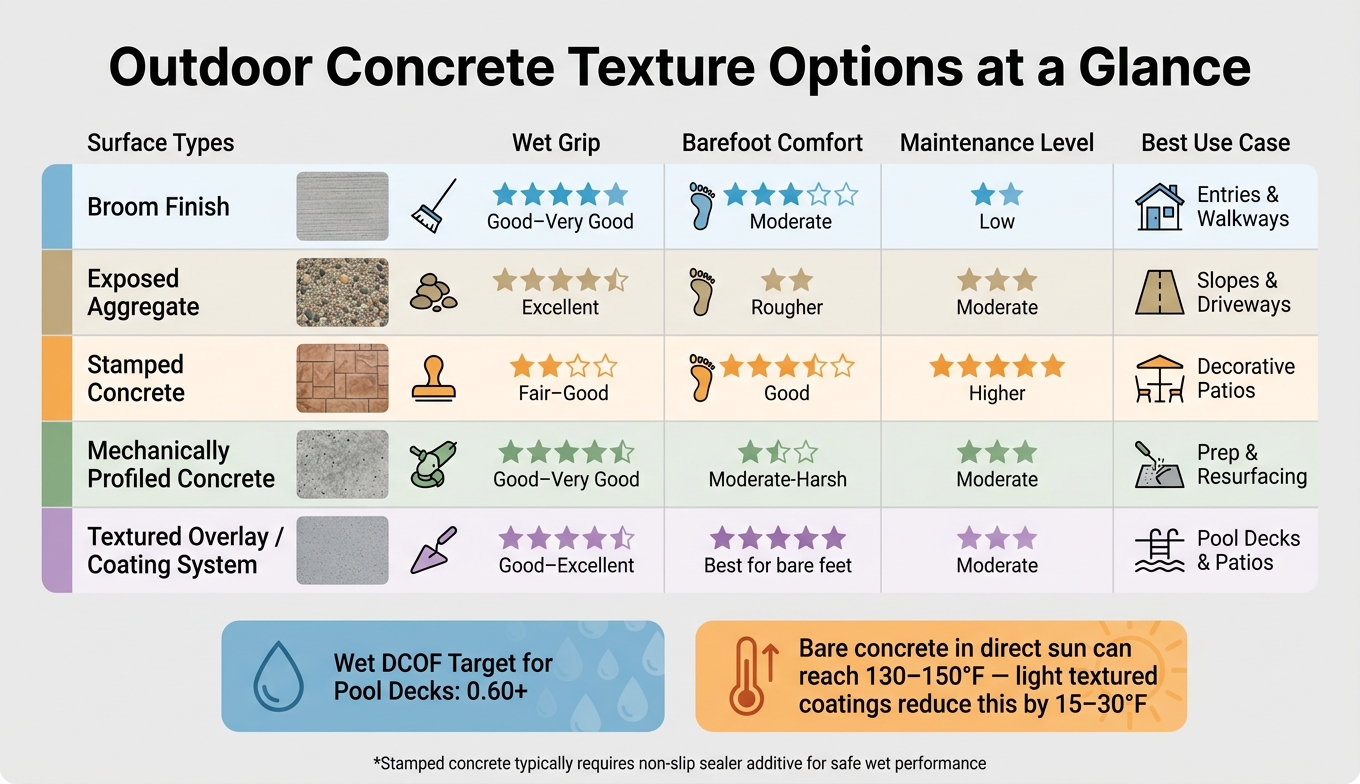
Outdoor Concrete Texture Types: Grip, Comfort & Maintenance Compared
Texture gives concrete its grip. But the sealer you choose – and how you maintain the surface – decides how long that grip sticks around. The chart below helps line up traction, comfort, and upkeep so you can pick the right finish for the space.
How sealers and traction additives affect slip resistance
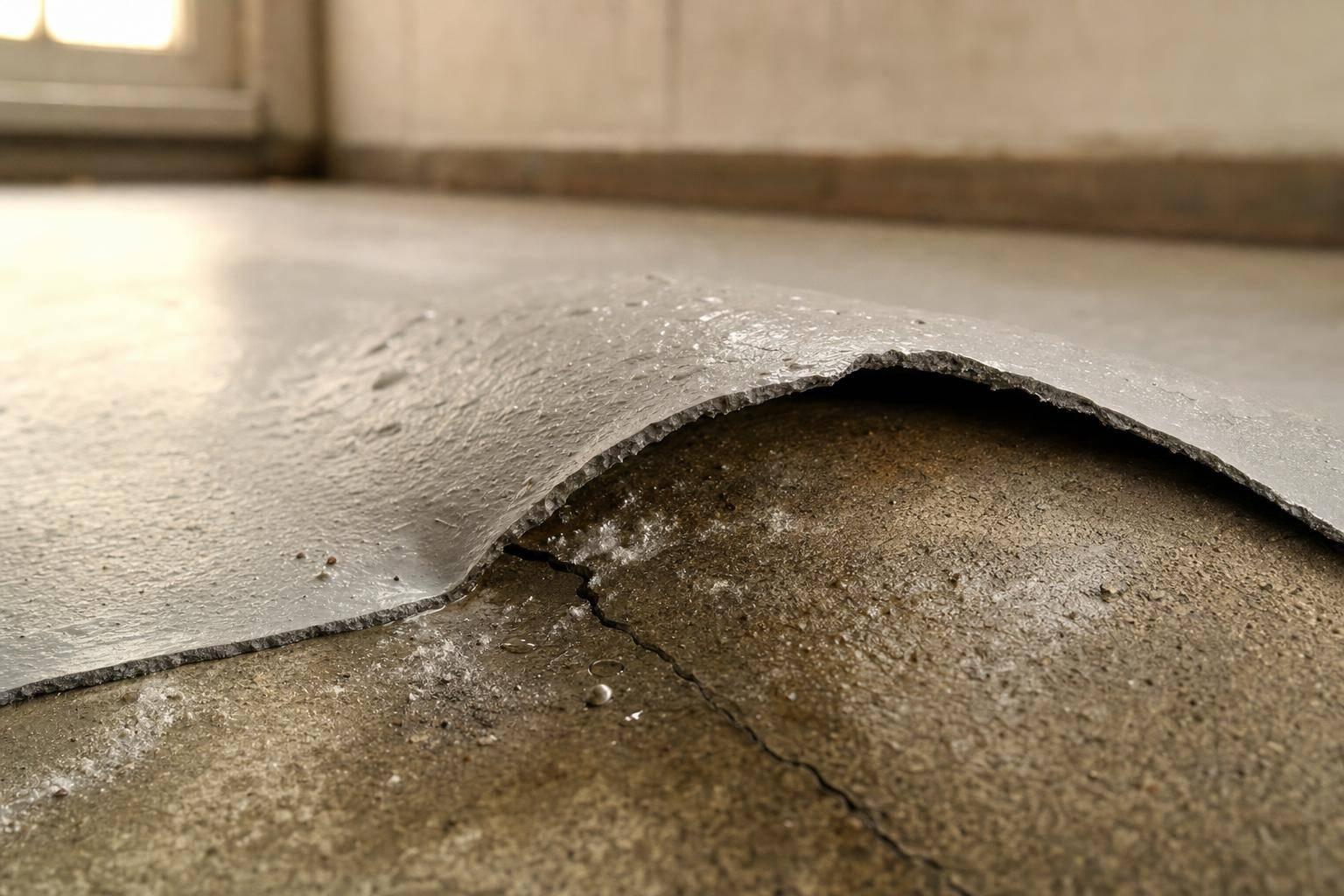
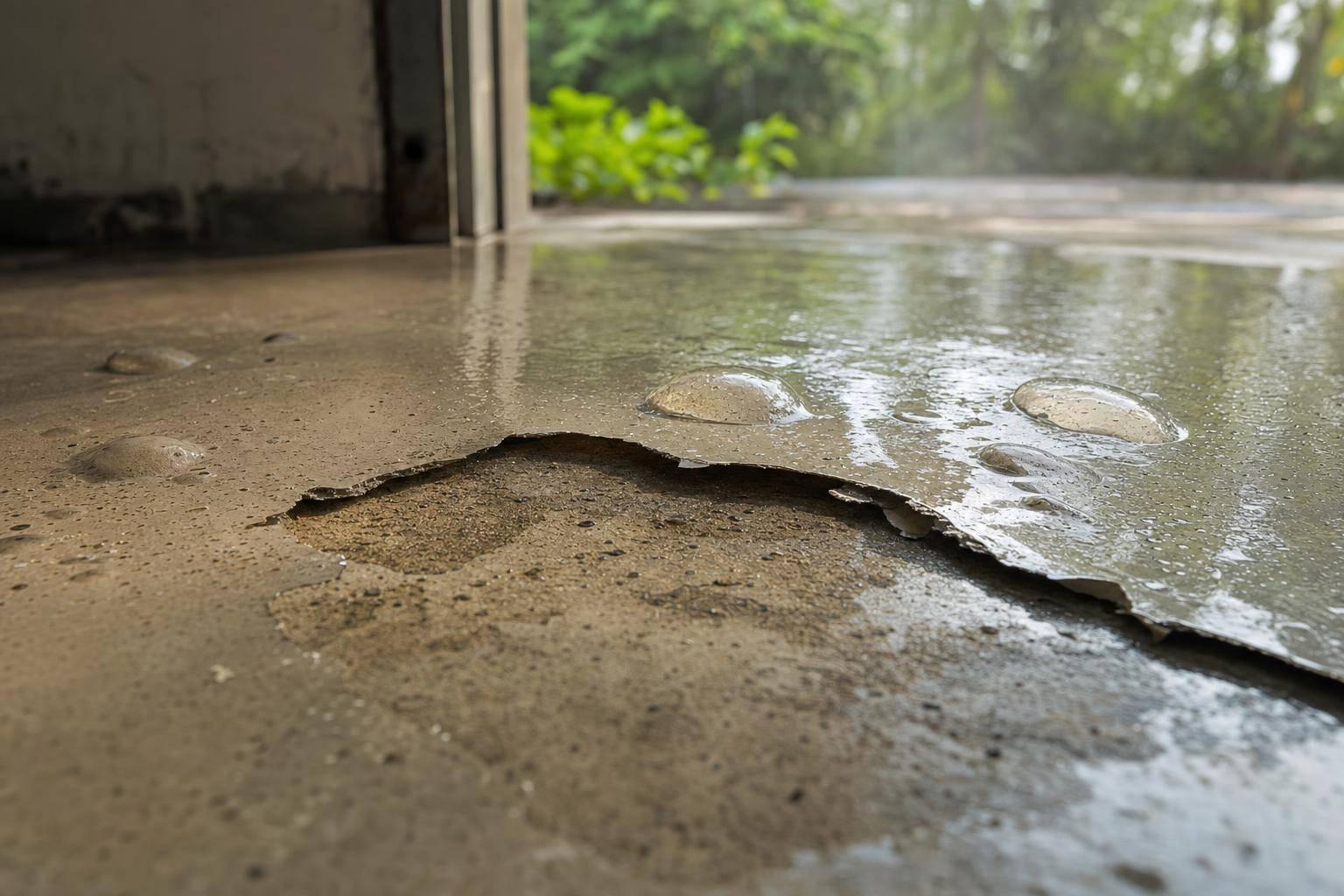
Film-forming acrylic sealers can turn into a problem when they’re laid on too heavy or recoated without proper prep. They may fill broom grooves and stamped texture, especially on pool decks and shaded entry areas. Over time, that can leave the surface slicker than it started.
Penetrating sealers work differently. They help guard against moisture and freeze-thaw damage without changing the feel of the surface, which makes them a better choice when barefoot comfort matters.
If you do use a film-forming sealer, add traction media. Polymer grit tends to spread more evenly than sand and feels less harsh underfoot. A common range is 3 to 6 oz per gallon. Use coarse grit in higher-risk spots and fine grit for general patio areas.
Cleaning and resealing habits that keep texture working
Texture only helps when it stays exposed. Dirt, debris, and slick buildup can clog broom lines or fill gaps in exposed aggregate, making a textured surface act more like a smooth one. That’s why routine care matters. Regular sweeping, occasional scrubbing with a mild detergent, and light pressure washing help keep the surface profile open and working.
Shaded or damp areas need extra attention. On north-facing entries in places like Coeur d’Alene or Spokane, mildew and algae are common trouble spots. Treating them early with a household bleach solution, then rinsing well, helps stop the slick film that can form even on rough textures.
Freeze-thaw weather adds another layer. Packed snow and ice should be removed as soon as possible, and it’s smart to avoid de-icing salts. That helps protect both the concrete surface and the traction it provides.
Many decorative outdoor concrete surfaces need resealing every 2 to 3 years in high-traffic or sun-exposed areas. And each time you reseal, the traction additive needs to be renewed too. In bright, sunny places like the Tri-Cities, UV exposure can wear down sealer life faster, so it makes sense to lean toward more UV-stable or penetrating products.
One last point: always clean the surface and let it dry fully before resealing. If new sealer goes over trapped dirt or moisture, it won’t bond well and can cut traction.
Comparison table: outdoor concrete texture options
Use the chart below to match grip, comfort, and maintenance to the surface.
| Surface Type | Grip | Barefoot Comfort | Maintenance | Best Use |
|---|---|---|---|---|
| Broom finish | Good to very good | Moderate; can feel coarse | Low | Patios, entries, driveways, utility walks |
| Exposed aggregate | Excellent | Moderate; rougher underfoot | Moderate | Sloped walks, driveways, pool-adjacent areas |
| Stamped textured concrete | Fair to good; depends on sealer and additive | Good; comfort varies by pattern depth | Higher; regular resealing required | Decorative patios and entries with added slip resistance |
| Mechanically profiled concrete | Good to very good | Moderate; can feel harsher | Moderate; texture can trap debris | Paths, entries, and higher-risk exterior areas |
| Textured overlay / coating system | Good to excellent when formulated with traction media | Often the most comfortable high-traction option | Moderate; follows the recoat schedule | Pool decks, patios, and resurfacing projects where design and safety both matter |
In North Idaho and Eastern Washington, wet weather, freeze-thaw cycles, and strong UV exposure put these choices to the test. For projects across the region, Croc Coatings‘ Penntek Evolution system builds grip into the base coat, broadcast texture, and topcoat. Maintenance focuses on routine cleaning, checking the topcoat from time to time, and re-topcoating on the manufacturer’s schedule. That keeps patios, pool decks, and entries working safely over time.
Practical Guidance for Exterior Projects in North Idaho and Eastern Washington
When a textured coating system fits local outdoor concrete best
Once you’ve compared the main texture options, the last call usually comes down to three things: how the surface will be used, what the local weather does to it, and how much upkeep you want to deal with.
A textured coating tends to make the most sense when outdoor concrete needs to handle slip resistance, looks, and low upkeep at the same time. That’s a common need for homeowners in North Idaho and Eastern Washington, especially on front entries, backyard patios, pool decks, and walkways.
Here’s the simple way to think about it:
- Use a lighter texture for patios
- Use stronger traction for entries
- Use the highest-grip finish for pool decks
In wetter, shaded spots, or in freeze-thaw areas around Coeur d’Alene or Spokane, wet traction should come first. Those surfaces can get slick fast, and that’s where texture earns its keep. In the Tri-Cities, a lighter color paired with moderate texture can help cut surface heat while still giving you grip when moisture shows up.
For projects across this region, that’s the approach Croc Coatings uses. Croc Coatings serves Coeur d’Alene, Spokane, the LC-Valley, and the Tri-Cities with Penntek Evolution, one-day installation, and a lifetime residential warranty. Since the coating is installed as one system, the grip level can be matched to the surface itself and the way it’s exposed to weather.
Conclusion: balanced texture is the right call
The best texture isn’t the roughest one. It’s the one that fits the job.
Near water and on shaded entries, wet grip matters most. On patios and pool decks, where bare feet are part of the picture, comfort matters more. And there’s one detail people often miss: too much sealer can reduce traction.
For residential outdoor concrete in this part of the country, that kind of balance is the practical standard. When texture matches the climate, the way the space gets used, and a cleaning and resealing routine people will actually stick with, the surface tends to keep doing its job over time.
FAQs
Which texture is safest for a wet pool deck?
For a wet pool deck, a high-texture or gritty finish is the safest pick because it gives you the most grip when water and bare feet are part of the daily mix.
These high-traction surfaces are often recommended for pool decks and other wet zones because they help cut down the risk of slips and falls. In barefoot areas like pool surrounds, a Class B or C slip-resistance rating is usually the target.
Will a sealer make outdoor concrete more slippery?
Yes. A sealer can make outdoor concrete more slippery, especially when it’s wet, because sealed concrete usually has less friction than unfinished concrete.
The fix is simple: use a slip-resistant texture or additive, and make sure the surface is finished the right way. For patios, entryways, and pool decks, go with a textured, slip-tested finish instead of a smooth sealer.
What texture works best in freeze-thaw climates?
The best texture in freeze-thaw climates strikes a balance between traction and flexibility, while also keeping moisture out. Concrete expands and contracts as temperatures shift, so rigid coatings can crack under that stress.
That’s why flexible, non-porous systems like polyurea and polyaspartic technologies tend to perform better when the weather swings from cold to warm and back again. On icy or wet surfaces, a higher-texture finish with micro-aggregates or aluminum oxide helps keep grip more consistent and can help move water off the surface.