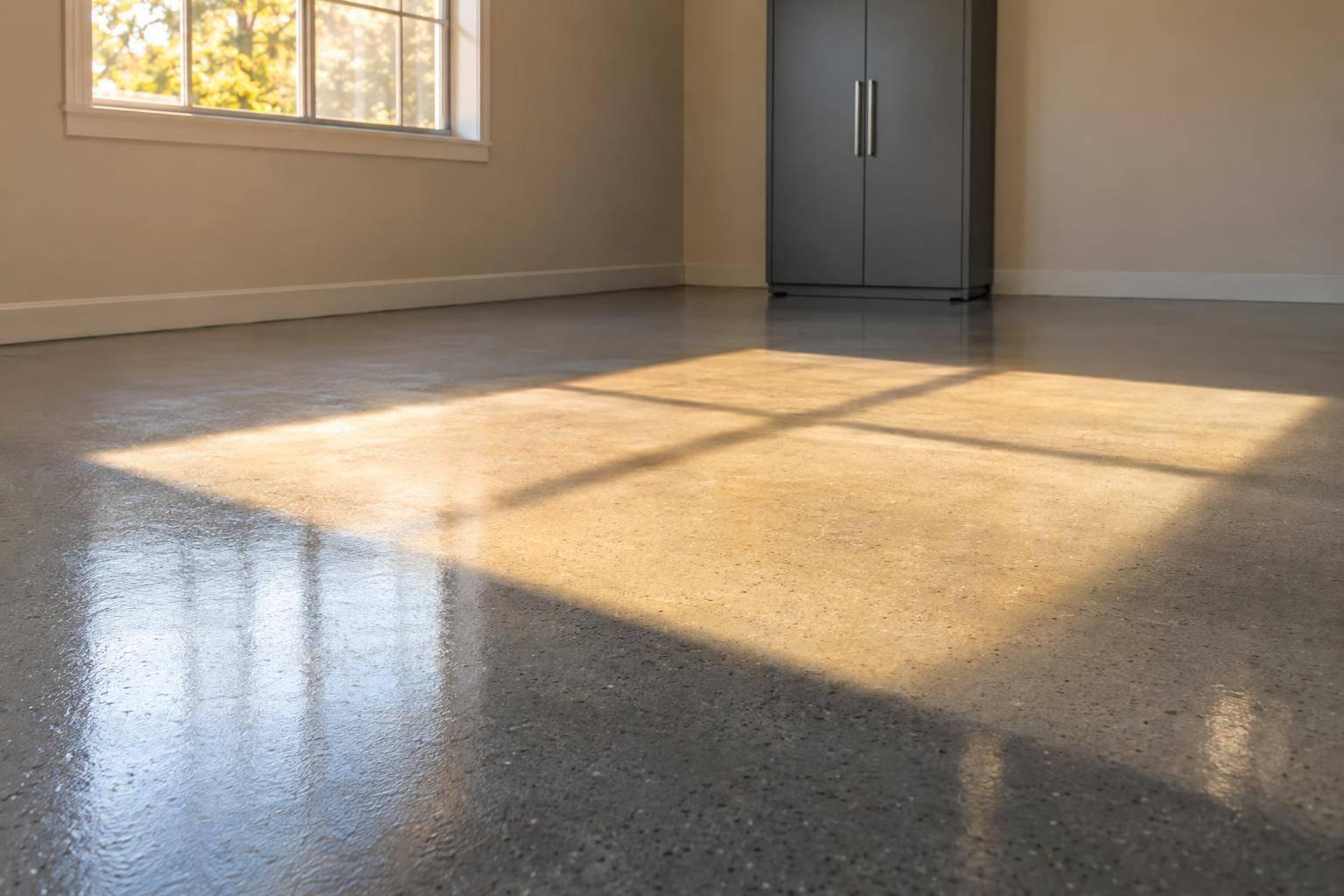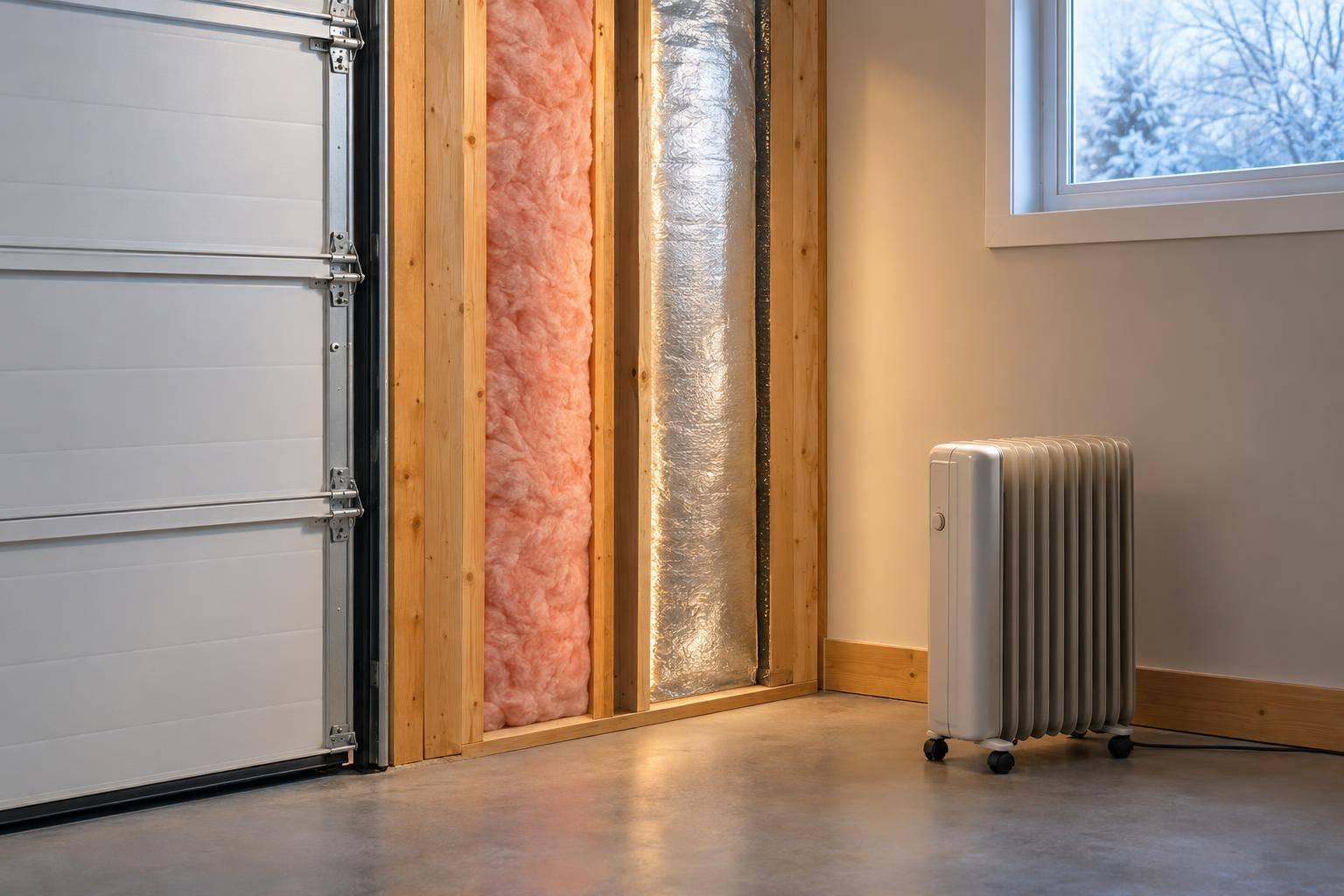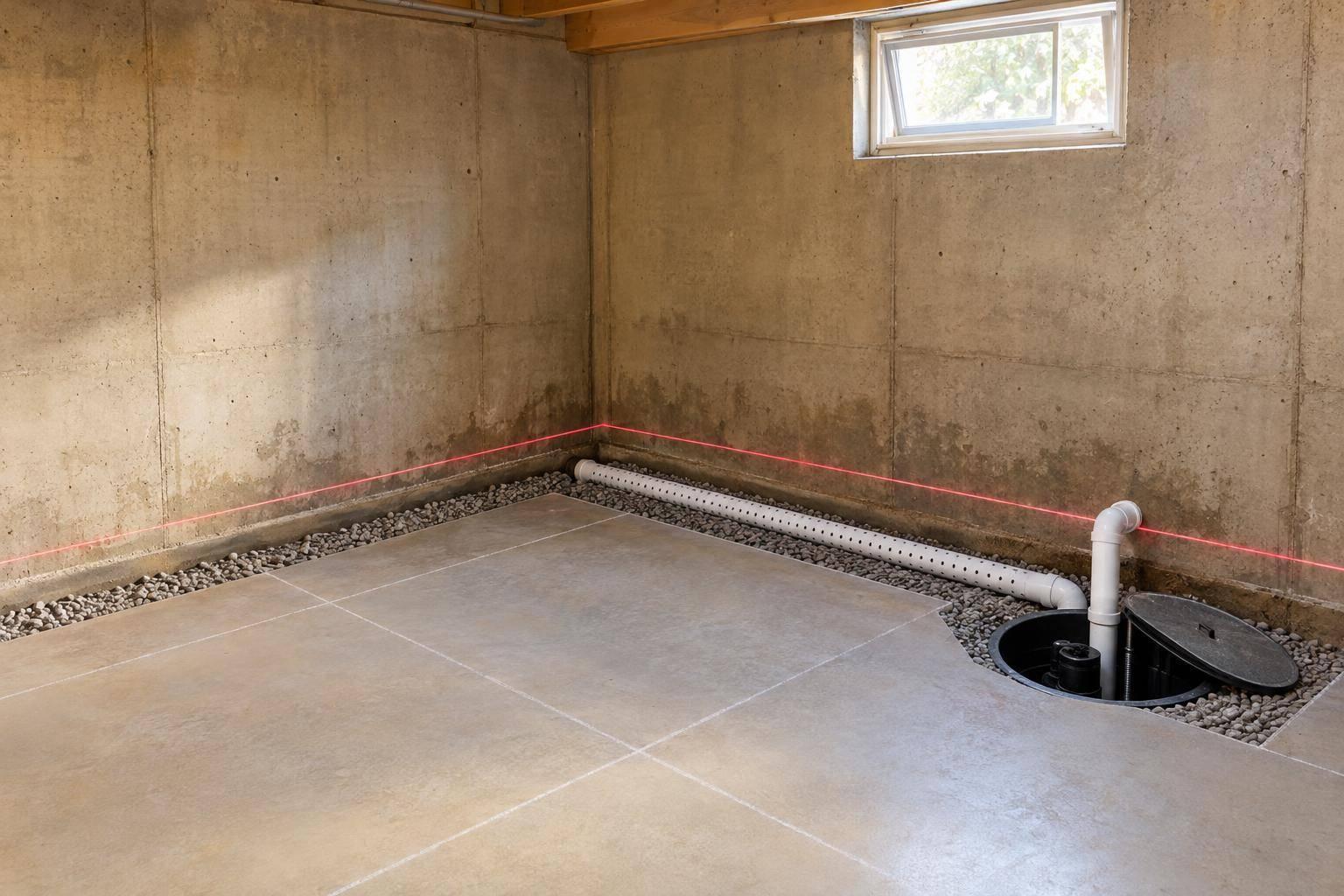
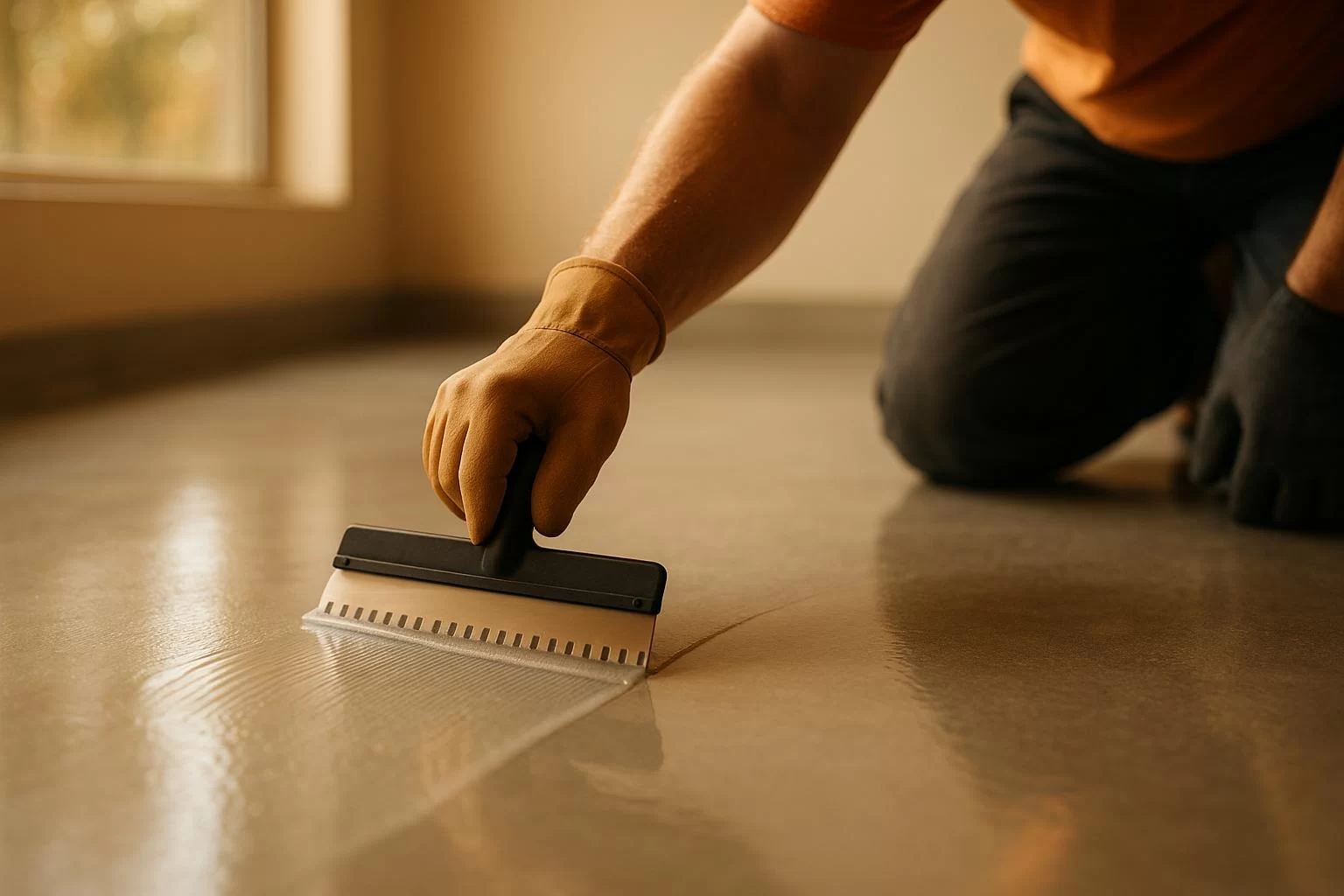
Understanding how chemical resistance impacts slip performance can help you maintain your surface’s safety over time.
Stay Safe with a Slip-Resistant Coating Plan
Creating a safer environment starts with the right tools and know-how, especially when it comes to preventing slips and falls on tricky surfaces. Whether you’re managing a bustling commercial space or just sprucing up your home deck, planning to choose anti-slip coatings tailored to your needs can make all the difference. Floors like concrete, which you can make slip-resistant with specialized coatings, wood, or tile each have unique quirks, and factoring in whether they’re indoors or exposed to the elements adds another layer to consider.
Why Surface Safety Matters
Every year, countless accidents happen due to slick floors lacking proper grip. High-traffic zones, damp areas, or weathered outdoor paths are often the culprits. That’s where a thoughtful approach to chemical-resistant floor coatings come in—pairing the right materials with your specific setup. For example, a gritty additive might transform a hazardous walkway into a secure path, keeping everyone on their feet.
Tailored Solutions for Every Space
No two areas are quite the same. A busy outdoor concrete slab demands a different fix than a quiet indoor hallway. By assessing factors like usage and foot traffic, you can pinpoint the perfect safety measure. Tools that guide you through this process are invaluable, ensuring you don’t overlook key details while setting up a protective layer that lasts.
FAQs
What makes a slip-resistant coating necessary?
Slips are a leading cause of injuries, especially on wet or worn surfaces. A good coating with the right additive—like silica sand or polymer grit—creates friction to prevent falls. Think of it as giving your floor a grippy texture that keeps everyone steady, whether it’s a rainy outdoor deck or a bathroom tile floor after a shower. Our tool helps you pick what works best for your space.
Can I use the same coating for indoor and outdoor areas?
Not always. Indoor and outdoor spaces face different challenges—weather, moisture, and foot traffic vary a lot. For instance, an outdoor concrete patio might need a tougher additive like silica sand to handle rain and heavy use, while an indoor tile might do better with a finer polymer grit for a smoother look. Our planner considers these factors to recommend what’s safest for each spot.
How much additive do I need for my project?
It depends on your surface area and the recommended coverage rate, which our tool calculates for you. For a standard 100 square feet, we’ll estimate the amount—like 1 lb of additive—based on the type and usage. If your space is bigger or smaller, just scale it up or down proportionally. We keep it simple so you can focus on getting the job done right.