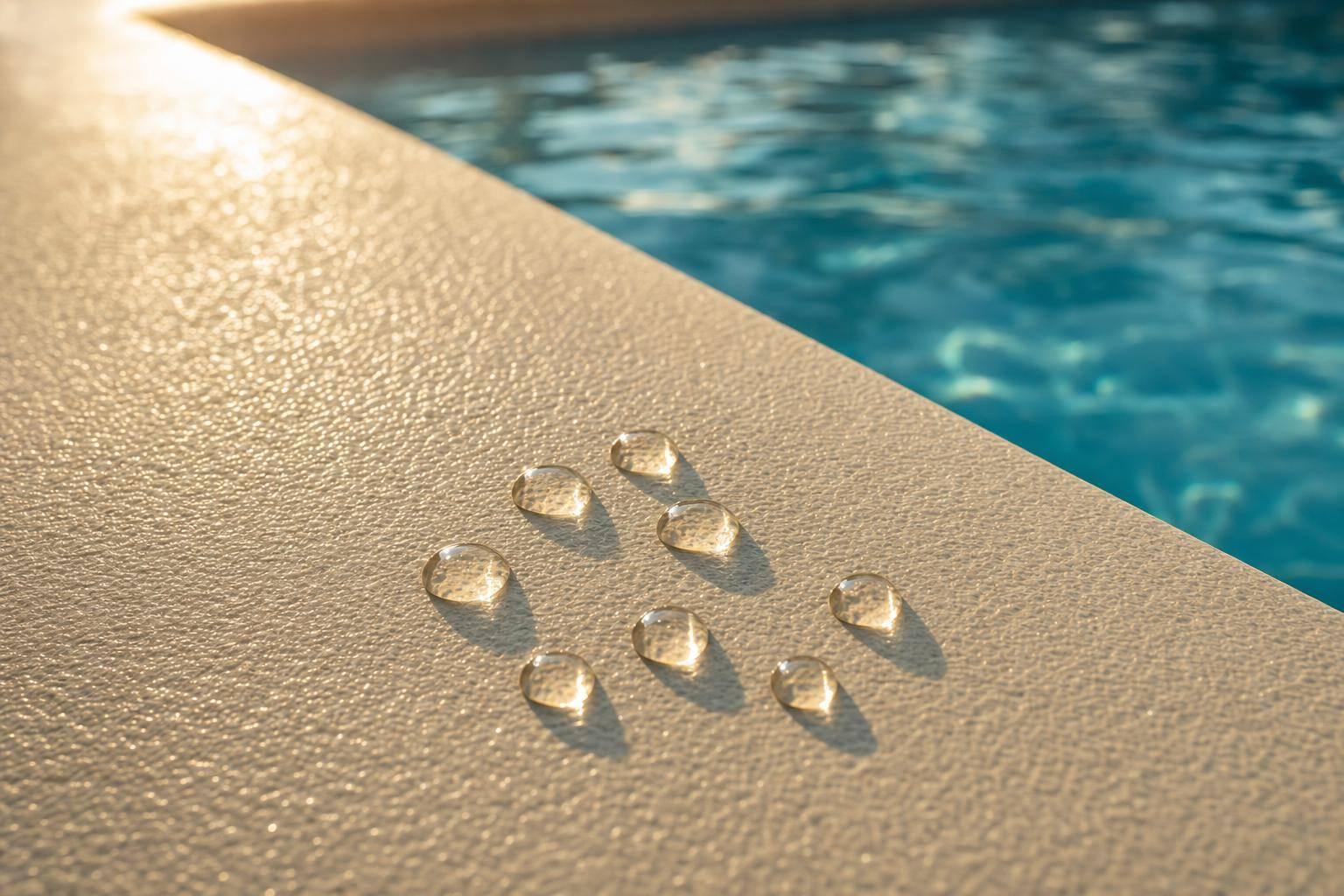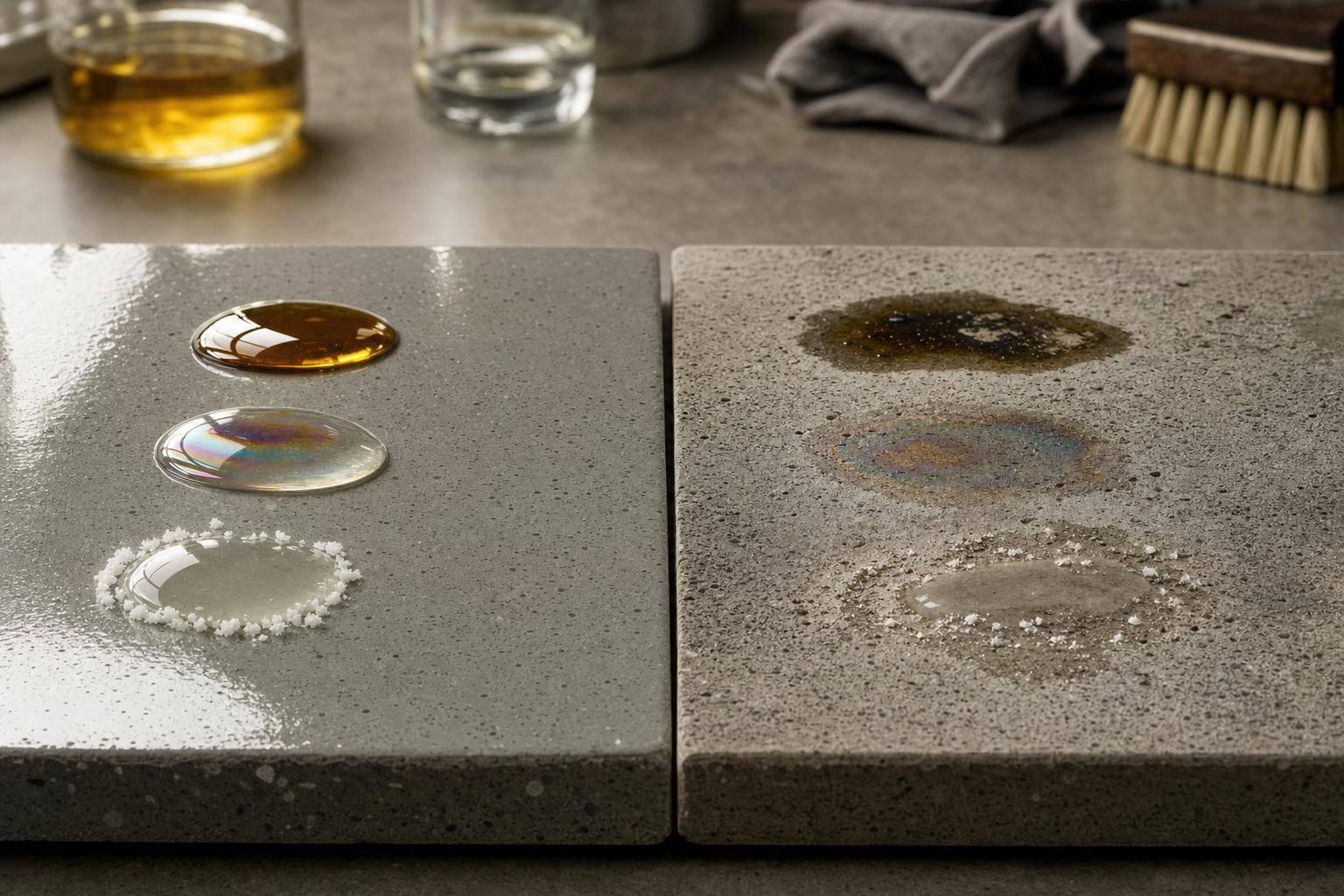
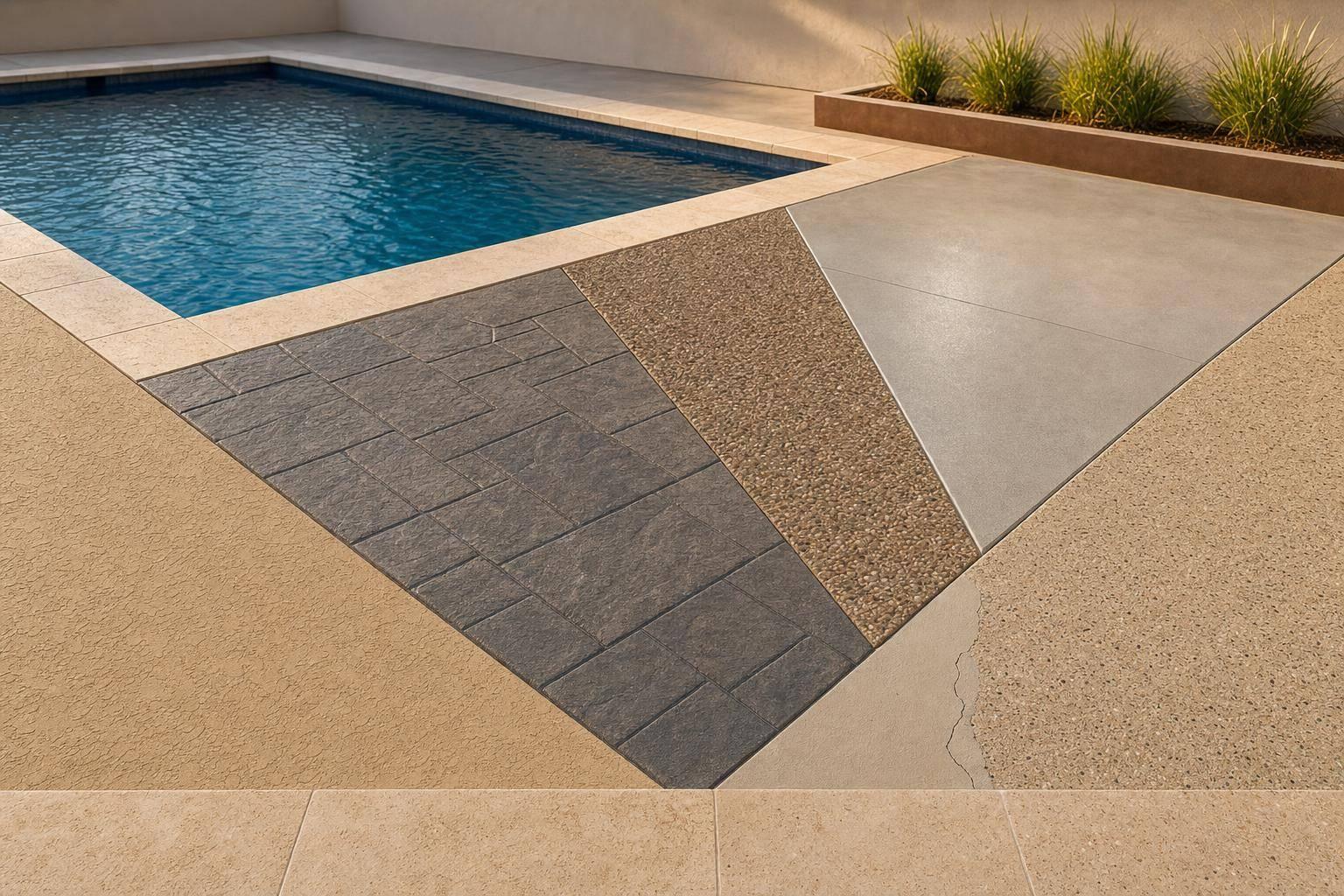
Estimate the Cost to Refresh an Existing Pool Deck
A worn, faded, or lightly cracked pool surround doesn’t always need a full tear-out. A Pool Deck Resurfacing Cost Calculator helps homeowners estimate what it may cost to refinish an existing deck using common options like acrylic coatings, cool deck finishes, concrete overlays, stamped overlays, paver overlays, and spray texture systems. It’s a practical way to compare surface treatments side by side before reaching out for bids.
What Affects Price Most?
The biggest cost drivers are deck size, current condition, and the type of finish you choose. Basic coatings often cost less than decorative stamped or paver-style upgrades, while damaged surfaces need more prep before any new finish goes down. Cleaning, old coating removal, crack repair, and slip-resistant texture can all push pricing higher.
Compare Comfort, Style, and Budget
If heat reduction matters most, cool deck and lighter textured coatings are often strong choices. If appearance is the priority, stamped and decorative overlay systems usually offer more design flexibility. This pool deck resurfacing cost calculator is built for existing decks only, giving homeowners a clear budgeting tool for repair and refinishing work. It also includes a reminder that severe damage or drainage problems may point to replacement instead of resurfacing.
FAQs
What’s the difference between resurfacing and replacing a pool deck?
Resurfacing means improving the top layer of an existing pool deck rather than tearing it out and building a brand-new one. It’s usually a good fit when the structure is still sound but the surface looks dated, rough, stained, or lightly cracked. If the deck has major movement, serious drainage problems, sinking sections, or widespread structural damage, resurfacing may only be a short-term fix and full replacement could make more sense.
Which resurfacing option is best if my pool deck gets very hot in the sun?
Cool deck coatings and many acrylic-based or spray texture systems are often the best choices for heat reduction because they’re designed to reflect more sunlight and feel more comfortable under bare feet. Color also matters: lighter shades usually stay cooler than dark finishes. If staying comfortable in peak summer heat is a top priority, look for a heat-reducing finish and ask contractors which products perform best in your climate.
How accurate is a pool deck resurfacing cost calculator?
A calculator is best used as a planning tool, not a final quote. It can give you a realistic price range based on deck size, surface condition, prep work, upgrades, and local labor costs, which makes it easier to compare options before meeting with contractors. Final pricing can still change based on hidden damage, drainage corrections, edge work, access to the yard, custom colors or patterns, and local material availability.