I’d choose a basement floor coating based on where the water comes from – not the label alone. Water-resistant finishes suit brief spills in a dry basement. Waterproof-rated systems resist liquid water only within their written limits. Neither fixes groundwater pressure or failed drainage.
Before choosing, I’d check 3 sources: surface leaks, moisture control for concrete, and groundwater seepage. Then I’d repair water entry, test the slab, and confirm the system’s preparation, curing, and warranty requirements.
Quick Comparison
| What to check | Waterproof-rated system | Water-resistant finish |
|---|---|---|
| Spills | Handles spills within written limits once cured | Suits brief spills cleaned up promptly |
| Standing water | Must have a stated exposure limit | Generally unsuitable |
| Moisture vapor | May need a separate vapor-control layer | Tolerance may be limited or unstated |
| Groundwater pressure | Requires drainage and water-entry repairs first | Not intended for this exposure |
| Concrete preparation | Needs specified preparation, repairs, and primer | Needs clean, prepared concrete |
| Basement use | Must match measured slab conditions | Best for reliably dry basements |
| Warning signs | Blistering, whitening, peeling, or water at edges | Staining, softening, peeling, or odors |
| Failed coating | Fix the moisture source, remove failed material, and retest | Fix the moisture source, remove damage, and dry the slab |
My rule: <u>get the limits in writing before installation</u>. That includes moisture tests, crack and joint details, slip resistance, cure times, and warranty exclusions – even when the floor looks dry. For Penntek Evolution through Croc Coatings, I’d request the exact system’s basement-floor requirements.
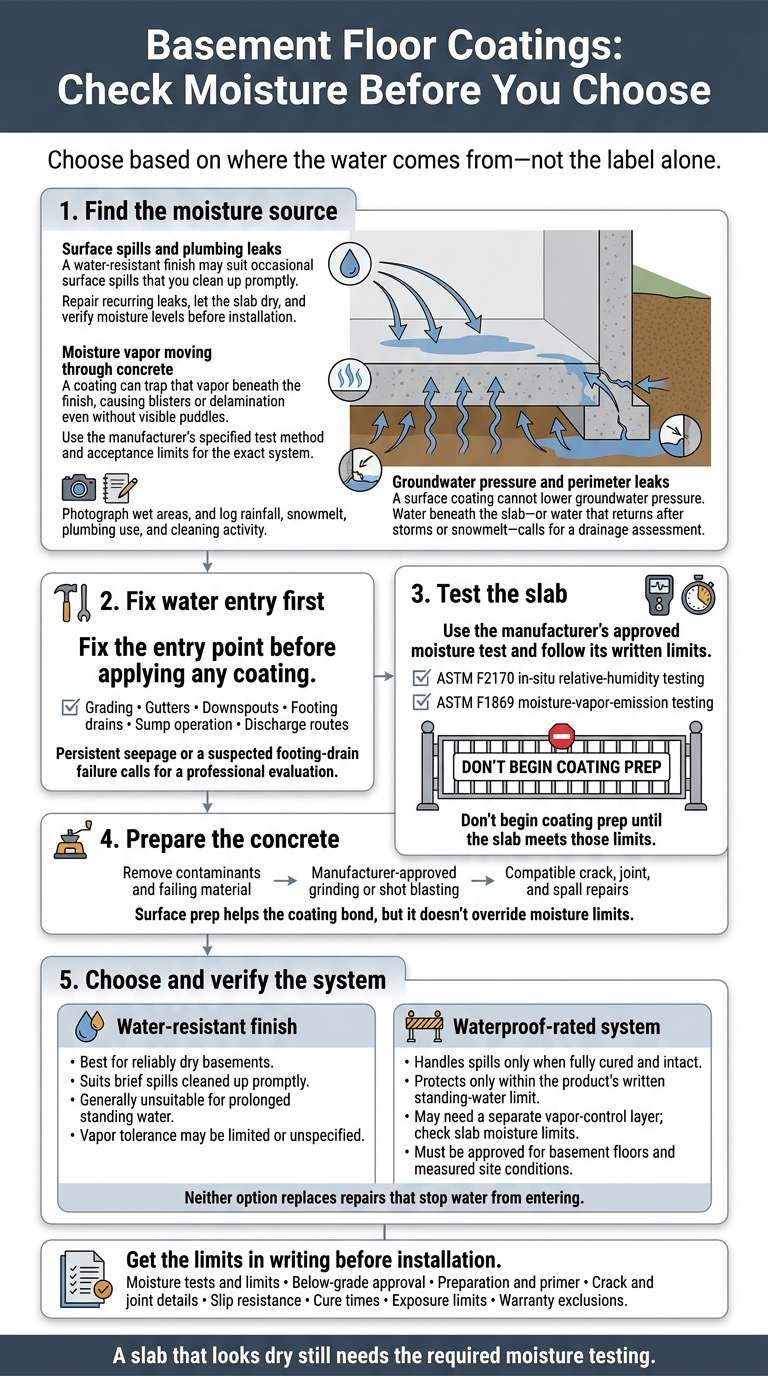
Basement Floor Coatings: Check Moisture Before You Choose
Waterproof vs. Water-Resistant Floor Coatings
Compare documented exposure limits, not just product labels. Your floor may need protection from spills, moisture vapor, or water pressure from below – and each calls for a different approach.
| Protection factor | Waterproof-rated coating systems | Water-resistant finishes |
|---|---|---|
| Surface spills | Handles spills only when fully cured and intact. | Best for brief spills wiped up promptly. |
| Standing water | Protects only within the product’s written standing-water limit. | Generally unsuitable for prolonged standing water. |
| Moisture vapor | May need a separate vapor-control layer; check slab moisture limits. | Vapor tolerance may be limited or unspecified. |
| Hydrostatic pressure | Requires drainage and water-entry repairs first; a coating cannot fix drainage. | Not intended to resist groundwater pressure. |
| Concrete preparation | Requires sound concrete, mechanical preparation, compatible repairs, and the specified primer. | Requires clean, properly prepared concrete and adequate adhesion. |
| Below-grade approval | Must be approved for basement floors and measured site conditions. | Best for reliably dry basements that need spill protection. |
| Failure symptoms | Blisters, whitening, peeling, delamination, or water at edges. | Staining, softening, peeling, odors, or adhesion loss. |
| Corrective work | Fix water entry, remove failed material, prepare the concrete, and retest before recoating. | Fix the moisture source, remove damaged finish, and let the floor dry before recoating. |
Even a waterproof label depends on the slab staying within the system’s tested limits.
Waterproof Coatings Have Exposure Limits
A floor-rated system can form a continuous barrier against liquid water, but the concrete must be sound, clean, properly prepared, and within the system’s moisture limits. The specified primer, film thickness, and cure time all matter. Verify vapor control, crack movement, and groundwater pressure separately.
Water-Resistant Finishes Handle Limited Spills
Water resistance varies by product. These finishes generally handle brief, incidental wetting – not recurring seepage or continuous saturation.
Water can still enter through joints, edges, seams, scratches, and impact damage. Moisture trapped beneath the finish can cause adhesion loss, odors, deterioration, or microbial growth in susceptible materials.
Review the Entire Floor System
Ask for the proposed substrate requirements, primer, repair materials, crack and joint details, moisture limits, exposure limits, and warranty exclusions. A slab that looks dry still needs the required moisture testing. Confirm the manufacturer’s testing method, which may call for in-situ relative-humidity or calcium-chloride vapor-emission testing.
Wall waterproofing paint is not floor-rated. Basement floors need a system that resists foot traffic and abrasion.
Get those limits in writing before installation on any basement project. If you’re working with Croc Coatings, request the specific Penntek Evolution system details and written below-grade requirements. Also request written confirmation of how joints and penetrations will be handled, when cleaning and foot traffic can begin, and which moisture conditions the warranty excludes.
sbb-itb-a0e5ae3
Find the Source of Basement Moisture
Different moisture sources need different fixes. Start by tracking when and where moisture appears. Photograph wet areas, and log rainfall, snowmelt, plumbing use, and cleaning activity. Concrete that looks dry on top may still hold moisture below the surface. How well a finish performs depends on documented slab conditions and the manufacturer’s installation requirements.
Surface Spills and Plumbing Leaks
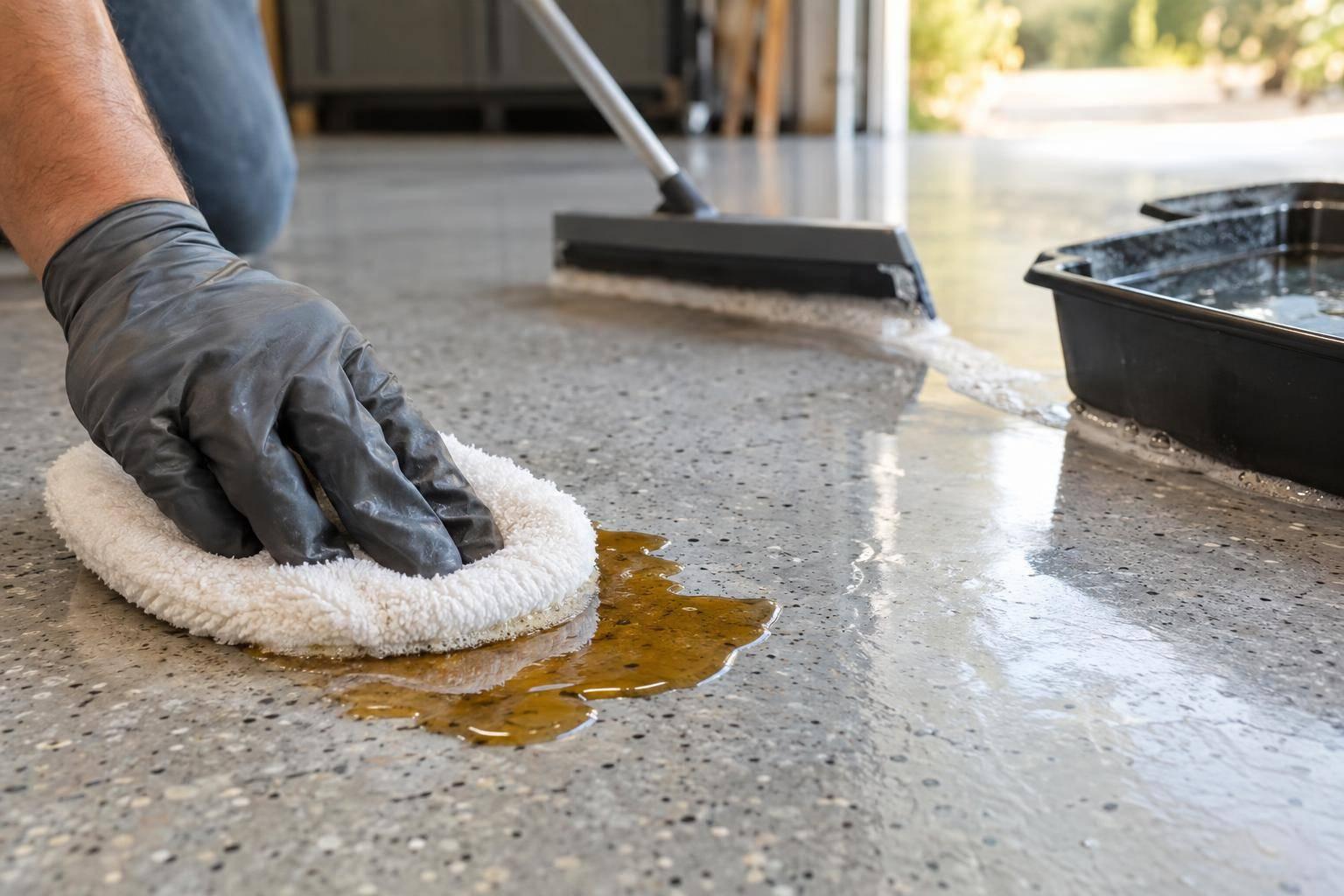
A water-resistant finish may suit occasional surface spills that you clean up promptly. Longer exposure calls for a waterproof-rated system with a written exposure limit.
Check nearby hoses, valves, drains, and appliances for drips, corrosion, or staining. If wetness tracks with plumbing use, get an inspection – not a thicker coating. Repair recurring leaks, let the slab dry, and verify moisture levels using a pre-installation checklist.
Moisture Vapor Moving Through Concrete
If the slab stays damp without visible leaks, look below the surface. Porous concrete can draw moisture from damp soil into the slab. A coating can trap that vapor beneath the finish, causing blisters or delamination even without visible puddles. Testing helps separate vapor issues from surface preparation problems.
Use the manufacturer’s specified test method and acceptance limits for the exact system. Record test locations, readings, dates, slab temperature, room temperature, and humidity. A documented moisture-vapor mitigation system has a defined role in controlling vapor beneath the finish. A decorative finish does not serve that role.
Groundwater Pressure and Perimeter Leaks
Dampness that returns after storms or snowmelt may come from below the slab or around its perimeter. Groundwater pressure can push water through cracks, joints, and wall-to-floor connections. Puddles, efflorescence, damp joints, and bubbles signal a problem, but they don’t identify a single cause.
A surface coating cannot lower groundwater pressure or repair failed drainage. Water beneath the slab – or water that returns after storms or snowmelt – calls for a drainage assessment. That assessment should cover grading, gutters, downspouts, footing drains, sump operation, and discharge routes.
Fix Moisture Problems Before Coating
Once you’ve found the moisture source, fix the entry point before applying any coating.
Repair Drainage and Water Entry Points
Check that the ground slopes away from the foundation, gutters are clean, downspouts extend away from the house, and footing drains are clear. Choose repairs based on the site’s slope, soil, and foundation conditions.
Persistent seepage or a suspected footing-drain failure calls for a professional evaluation. Repairs may include perimeter drainage, a properly sized sump pump with backup provisions, crack or joint repairs, or exterior foundation waterproofing. Let the slab stabilize after repairs, then test its moisture again.
Test Moisture and Prepare the Concrete
Use the manufacturer’s approved moisture test and follow its written limits. Approved methods may include ASTM F2170 in-situ relative-humidity testing or ASTM F1869 moisture-vapor-emission testing. Don’t begin coating prep until the slab meets those limits.
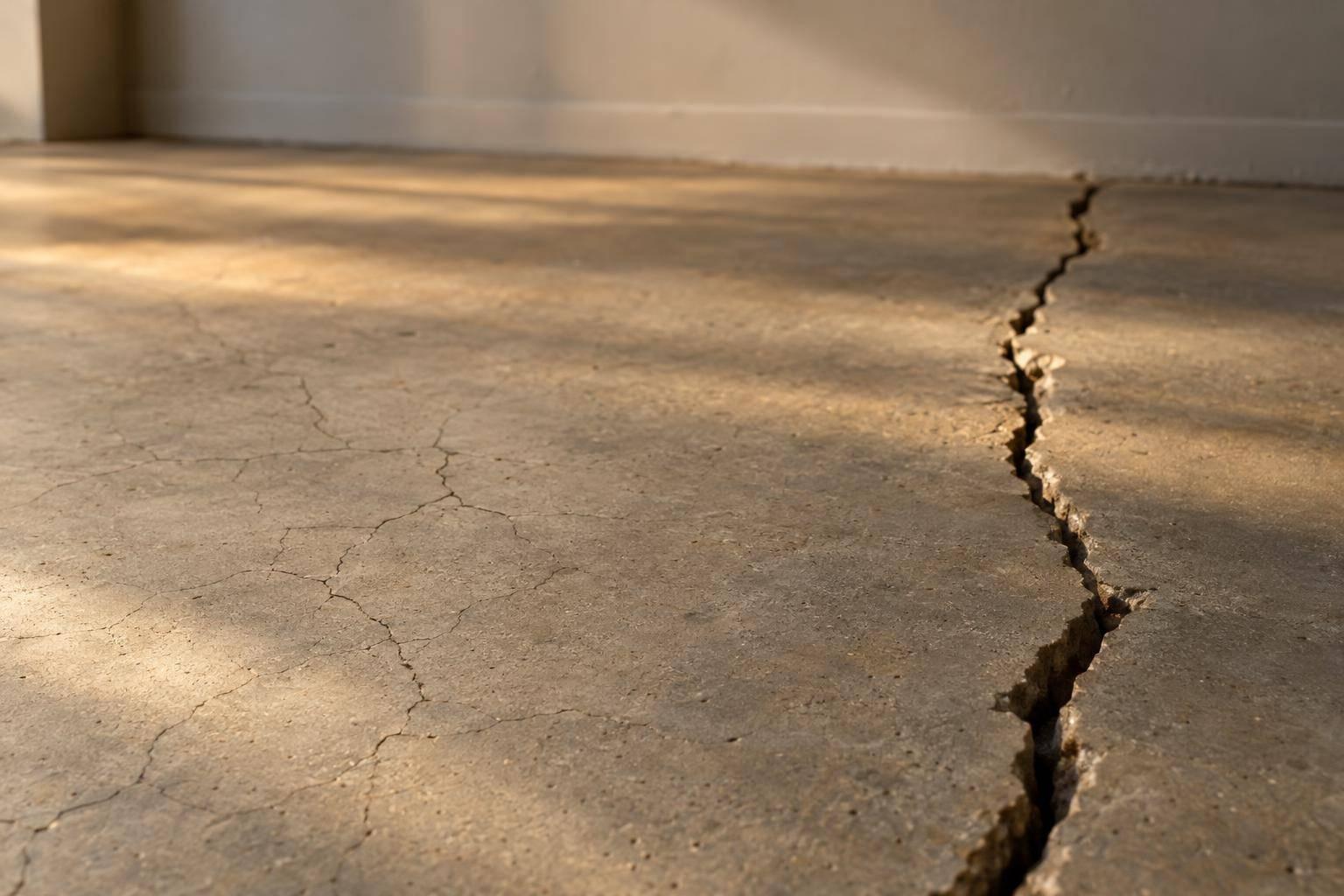
Remove contaminants and failing material. Then use manufacturer-approved grinding or shot blasting to create the required concrete surface profile. Inspect cracks, joints, and spalls, and specify compatible repairs before coating. Surface prep helps the coating bond, but it doesn’t override moisture limits.
Ask Croc Coatings About Basement Floor Requirements
For a basement floor, check whether the system is rated for your measured moisture conditions. When discussing Penntek Evolution with Croc Coatings, ask for written basement-floor requirements covering moisture limits, test procedures, slip resistance, and any vapor-control ratings.
Also confirm how cracks and joints will be handled and which moisture-related warranty exclusions apply. The written terms govern site readiness, moisture limits, and warranty coverage.
Conclusion: Fix Water Entry, Then Choose a Coating
Choose a water-resistant finish for a dry basement exposed only to brief spills. Use a waterproof-rated system only if the manufacturer’s documented limits for liquid water, moisture vapor, and hydrostatic pressure match your basement’s conditions. Neither option replaces repairs that stop water from entering.
Start by finding the source and fixing the water entry. Next, verify moisture limits, prepare the concrete, and install the system. Investigate new damp spots, blistering, peeling, or damp perimeter joints, and check the floor after heavy rain or snowmelt.
FAQs
How can I tell condensation from slab moisture?
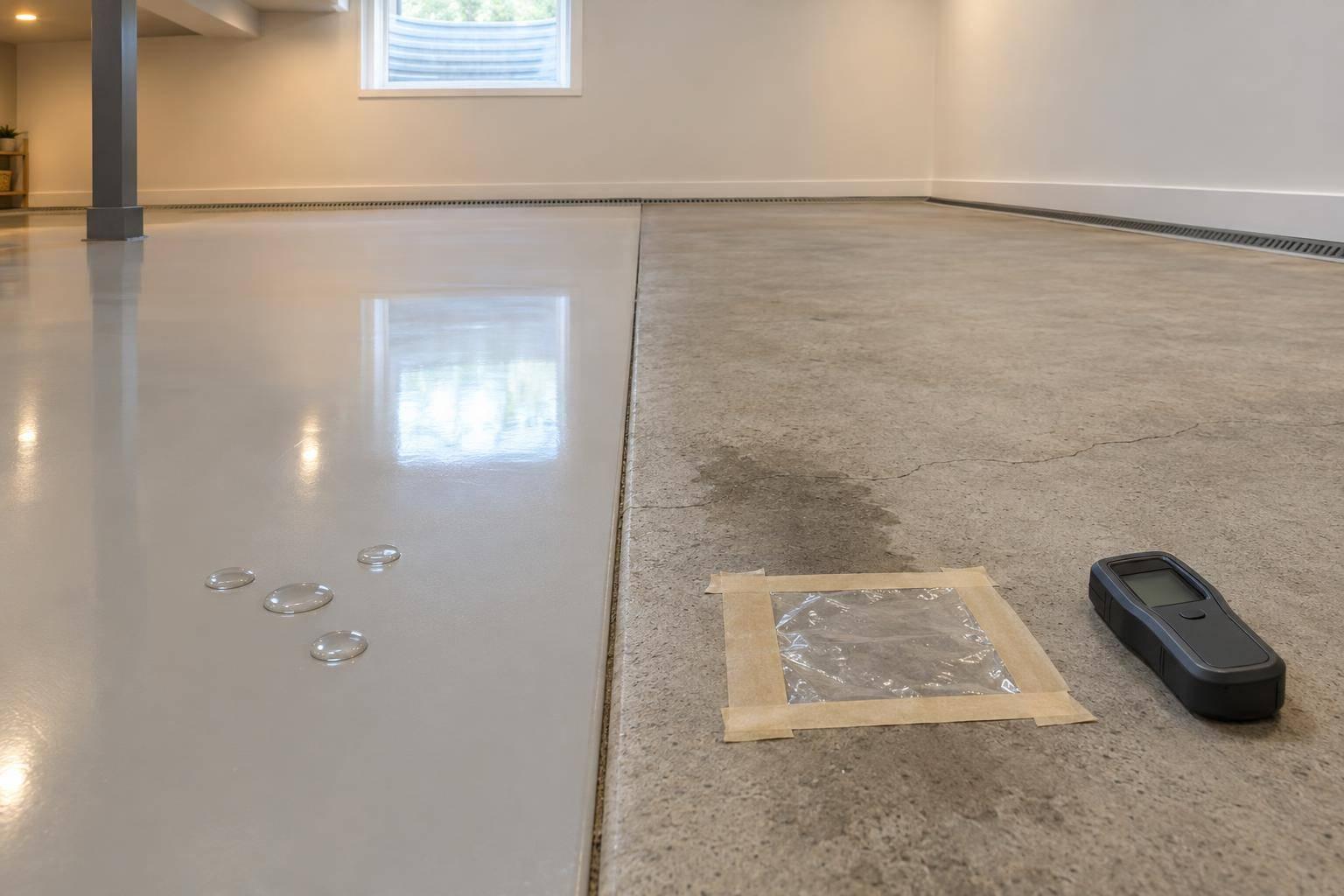
Try the plastic sheet test (ASTM D4263): Tape a 2-foot square of plastic sheeting to your basement floor and leave it in place for 16 to 48 hours. Water beads or darkened concrete beneath the plastic point to moisture in the slab. Beads only on top likely mean indoor humidity is causing condensation.
For definitive results and to confirm your slab is ready for a Croc Coatings installation, use professional moisture testing.
How soon after a basement leak can I coat the floor?
There’s no fixed waiting period. Wait until the water source has been repaired, moisture is fully controlled, and the slab is thoroughly dry. Applying a coating before the concrete meets the manufacturer’s moisture limits can lead to blistering or peeling.
After repairs, have a professional test the slab’s moisture, typically using ASTM F2170 or ASTM F1869. The results should confirm that moisture readings stay within the coating manufacturer’s limits.
Can I coat a basement slab without a vapor barrier?
Yes, but without an under-slab vapor barrier, the coating faces a high risk of failure. Moisture and groundwater pressure can cause it to peel or separate from the concrete, a problem called delamination.
Before coating, test the slab using ASTM F2170 (in-situ relative humidity) and ASTM F1869 (moisture vapor emission rate). Both results must meet the coating manufacturer’s limits. If moisture levels exceed those limits, address the source first or use a manufacturer-approved moisture-mitigating primer or vapor-control system.