Find the Right Floor Finish Without Guesswork
If you’re comparing epoxy floor alternatives, the best choice usually depends on more than looks. A garage, basement, patio, or workshop can each demand something different based on moisture, sun exposure, slab condition, traffic, and how much upkeep you’re willing to handle. That’s where a practical comparison tool can save time.
Compare Flooring Options Side by Side
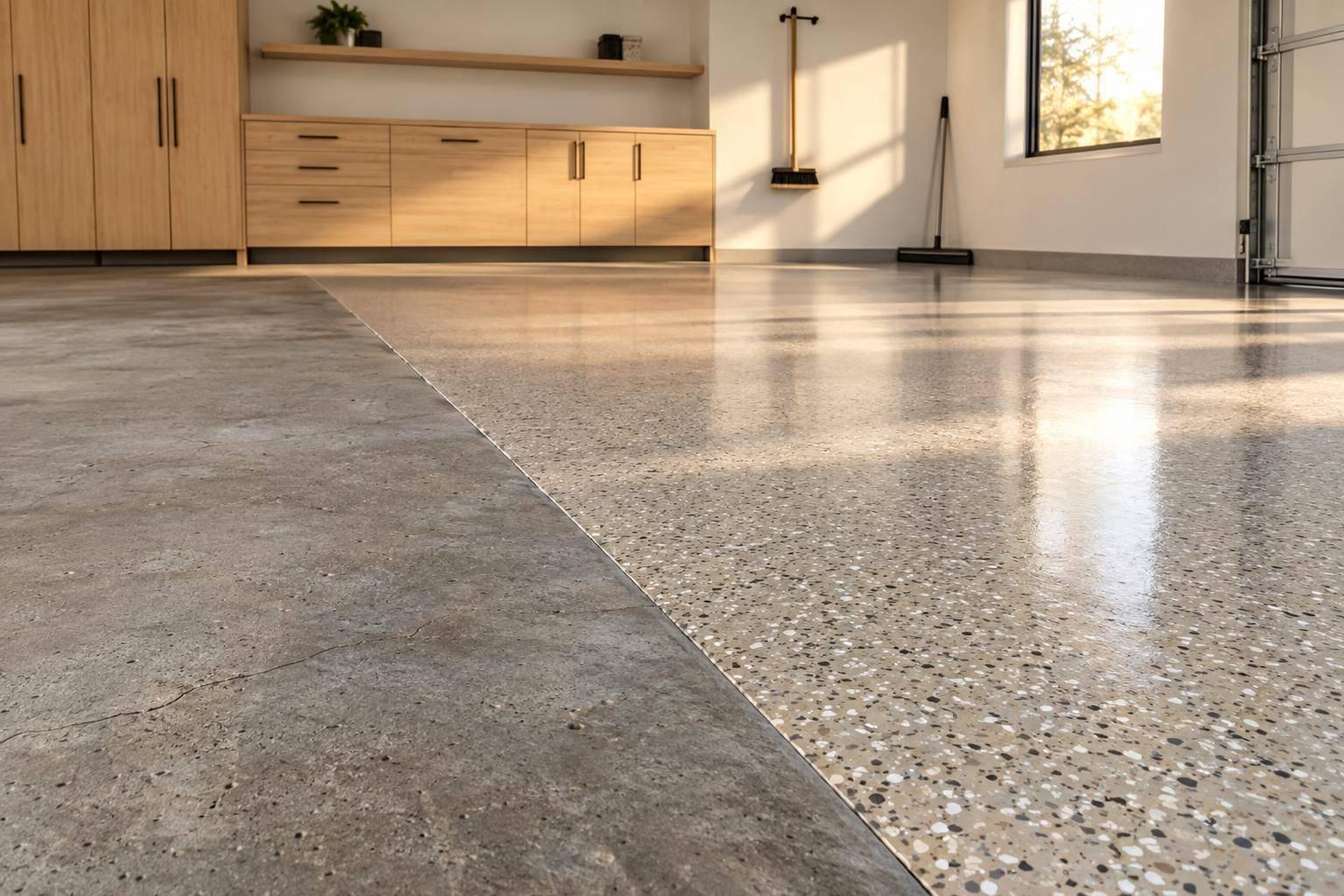
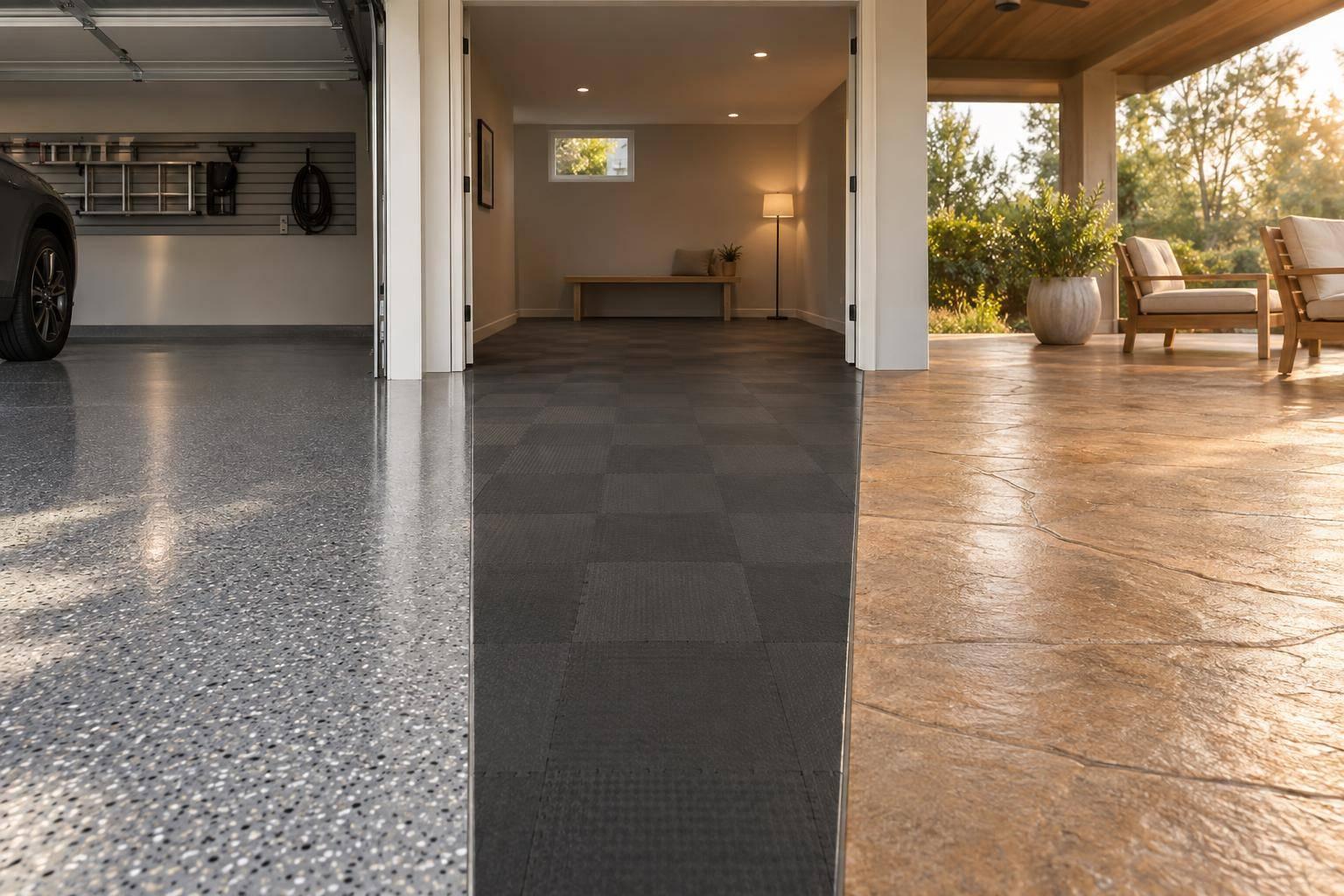
This tool helps homeowners evaluate popular alternatives like polyaspartic, polyurea, polished concrete, concrete stain and sealer, interlocking tiles, rubber flooring, and vinyl garage rolls. Instead of pushing one solution for every project, it weighs the details that actually affect performance. A damp slab, for example, may rule out certain systems, while direct sun can make UV stability a bigger priority.
Recommendations Based on Real Conditions
The tool uses your inputs to rank the best epoxy floor alternatives for your space, budget, and installation style. It also highlights prep needs for cracked, pitted, or previously coated concrete and explains when a textured finish or anti-slip additive may help. If you’re looking at garage floor coating alternatives or broader flooring options for utility spaces, this gives you a clearer starting point before you buy materials or call an installer.
Real-world results can vary based on local slab condition, product quality, and installer practices.
FAQs
What’s the best alternative to epoxy for a garage floor?
It depends on how you use the garage and what the slab is like. For many homeowners, polyaspartic and polyurea are strong alternatives because they cure quickly, resist wear well, and can perform better than traditional epoxy in some conditions. If UV exposure matters, polyaspartic often stands out. If cost is a bigger concern, concrete stain and sealer, interlocking tiles, or vinyl rolls may make more sense. The best choice really comes down to your budget, prep needs, moisture risk, and whether you’re doing the job yourself or hiring a pro.
Are DIY-friendly options included in the recommendations?
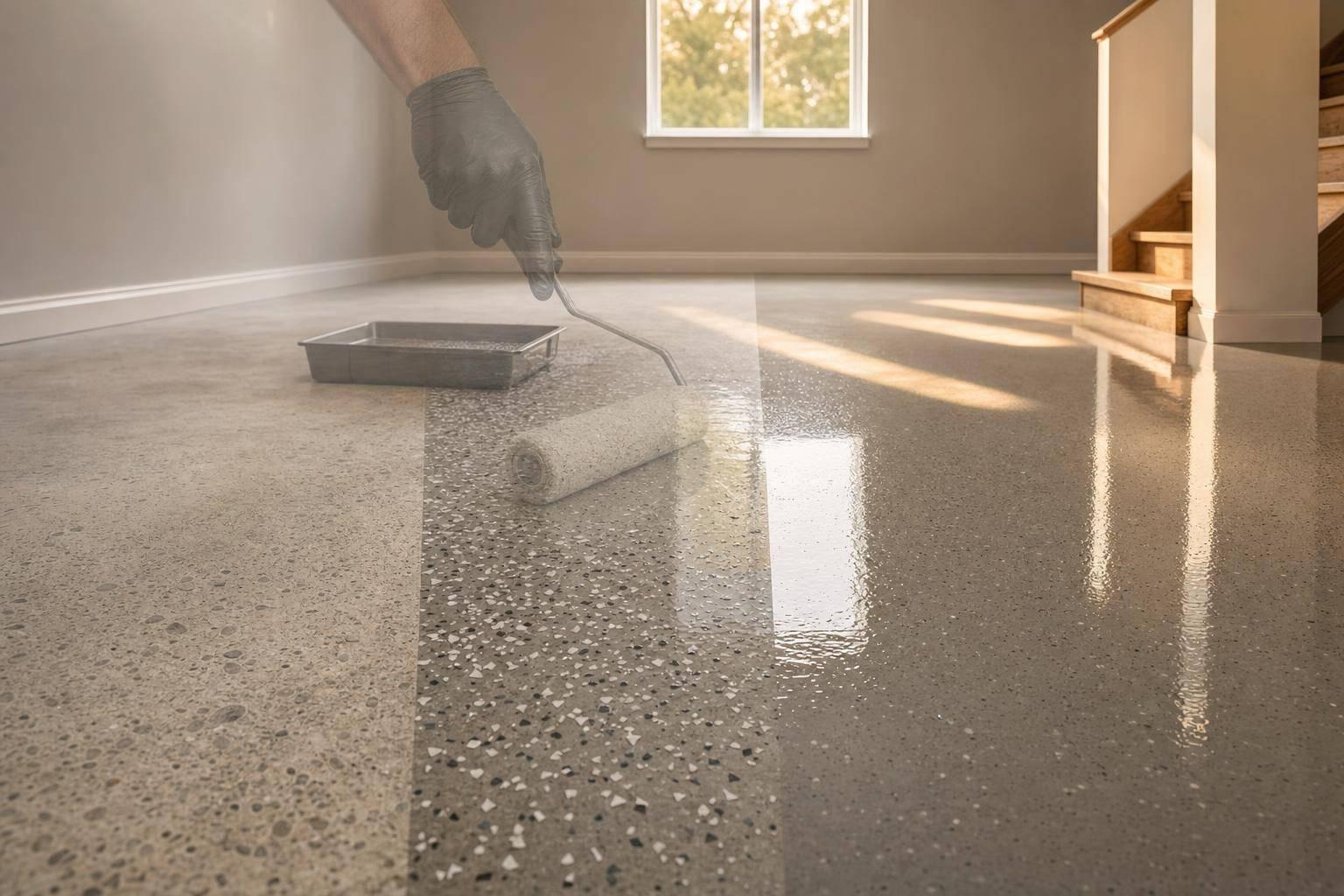
Yes. The tool adjusts rankings when you choose DIY installation, so easier systems tend to rise and more demanding products move down the list. That matters because some coatings have very short working times, require careful mixing, or depend on professional surface prep to perform well. DIY-friendly options may include interlocking floor tiles, vinyl garage rolls, or simpler concrete stain and sealer systems, depending on your space and conditions.
Can this tool tell me if my concrete needs prep before flooring is installed?
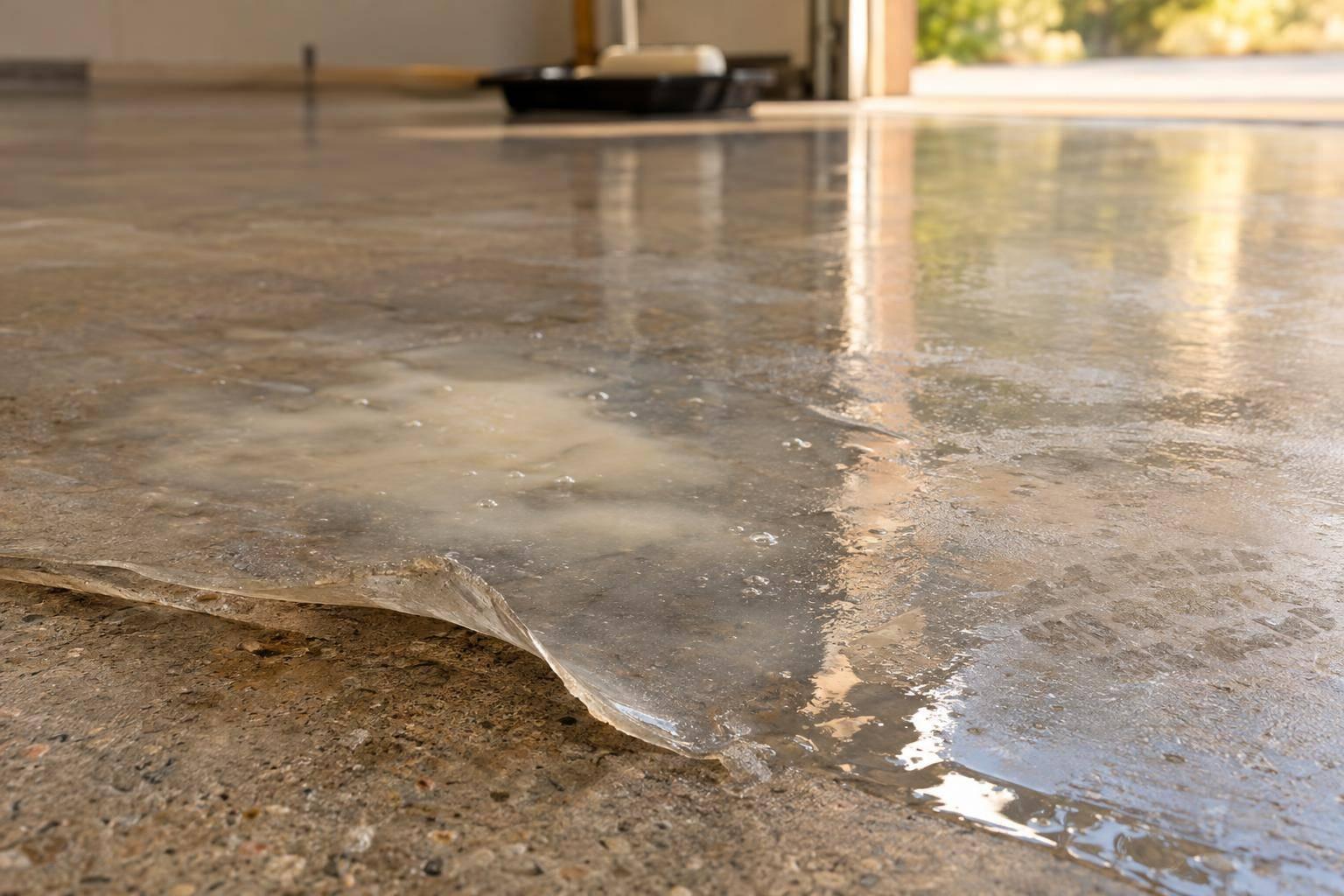
Yes, and that’s one of the most useful parts of it. If you select hairline cracks, pitting, moisture issues, or a previously coated slab, the tool adds a prep checklist tailored to that condition. It helps you understand whether crack filling, grinding, moisture testing, coating removal, or patching may be needed before installation. That prep work can have a huge effect on how well any floor system holds up over time.