Polyurea Garage Floor Estimator and Fit Guide
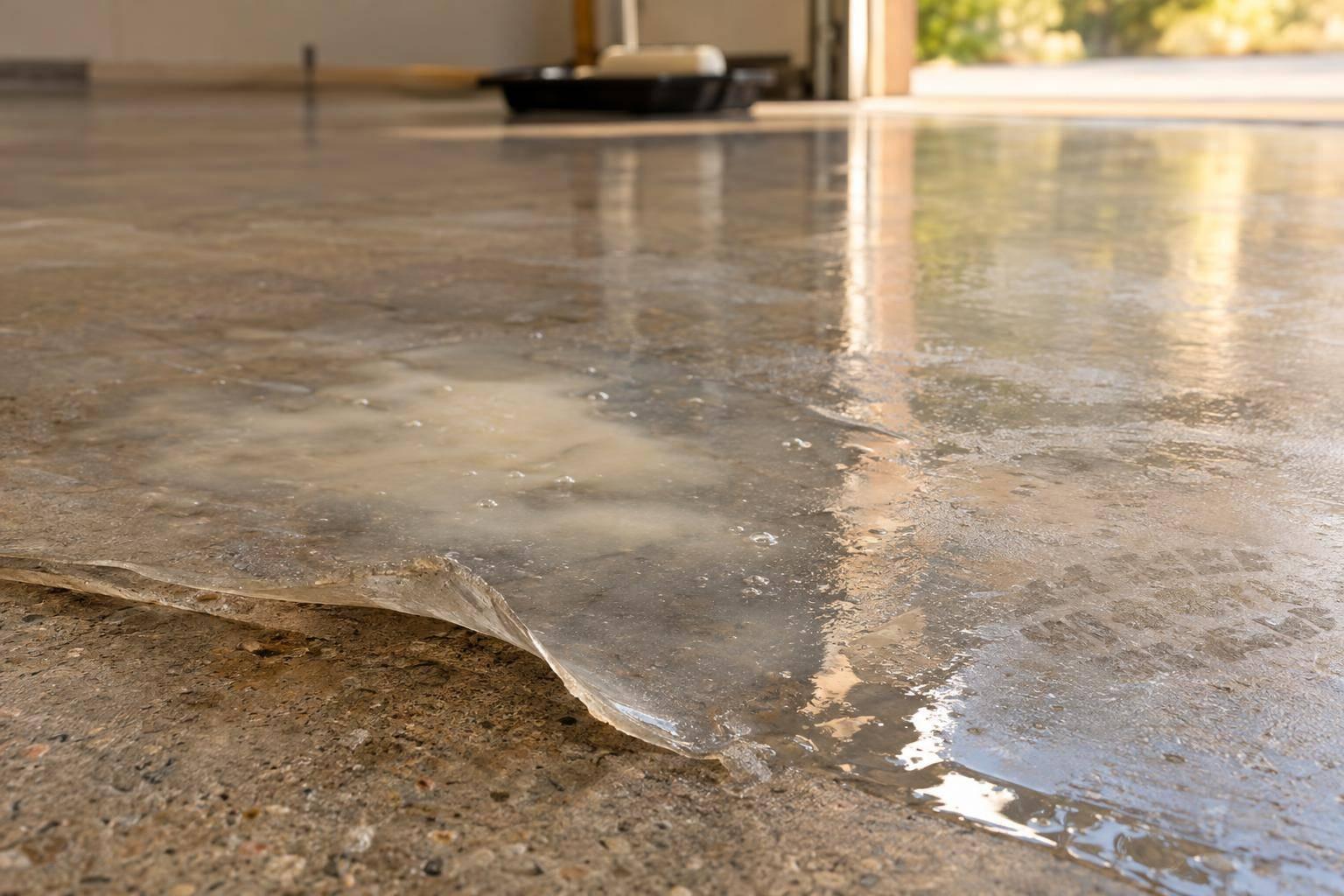
A polyurea garage floor estimator helps homeowners look past marketing claims and focus on what actually drives results: slab condition, usage, climate, and prep. A clean, newer slab used for daily parking may be a strong candidate, while oil staining, existing coatings, or moisture concerns can shift the project into a prep-heavy category. That distinction matters because coating performance often depends more on substrate readiness than the product label.
What This Tool Helps You Evaluate
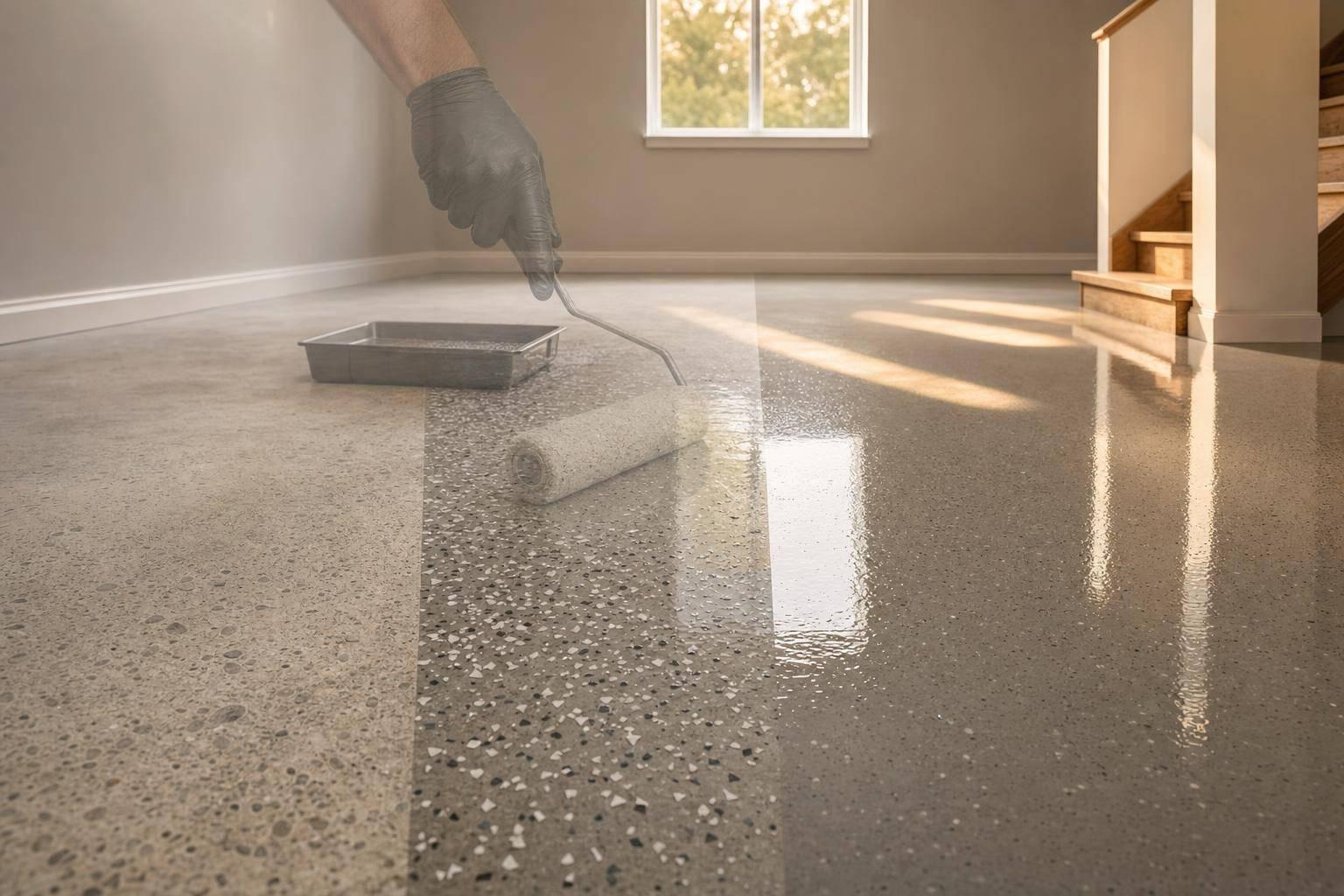
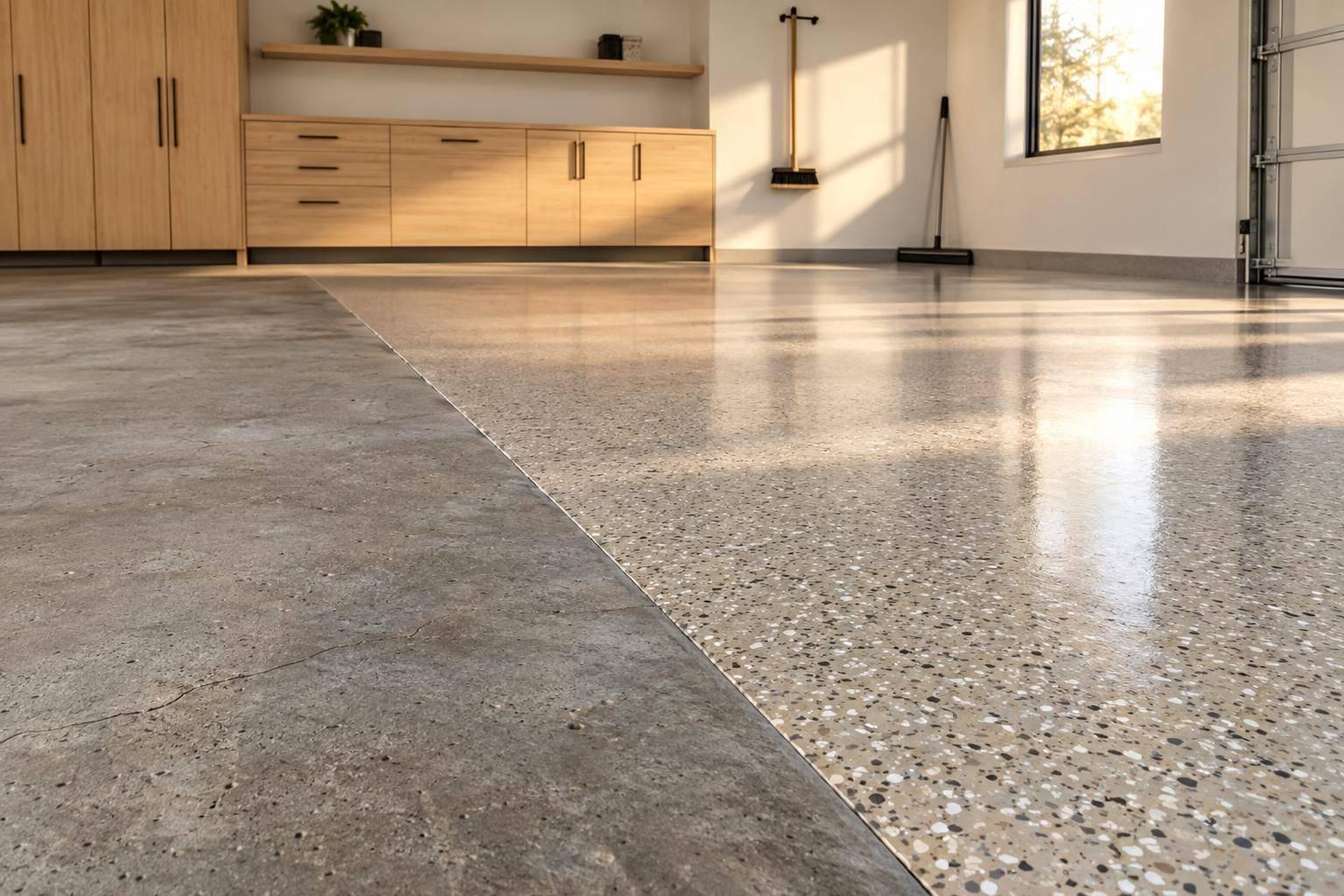
This garage coating fit-check tool reviews square footage, finish style, and job complexity to place your project into a rough cost tier rather than a formal quote. It also explains how decorative flakes or textured finishes may change appearance, traction, and maintenance expectations.
Polyurea vs Other Garage Floor Coatings
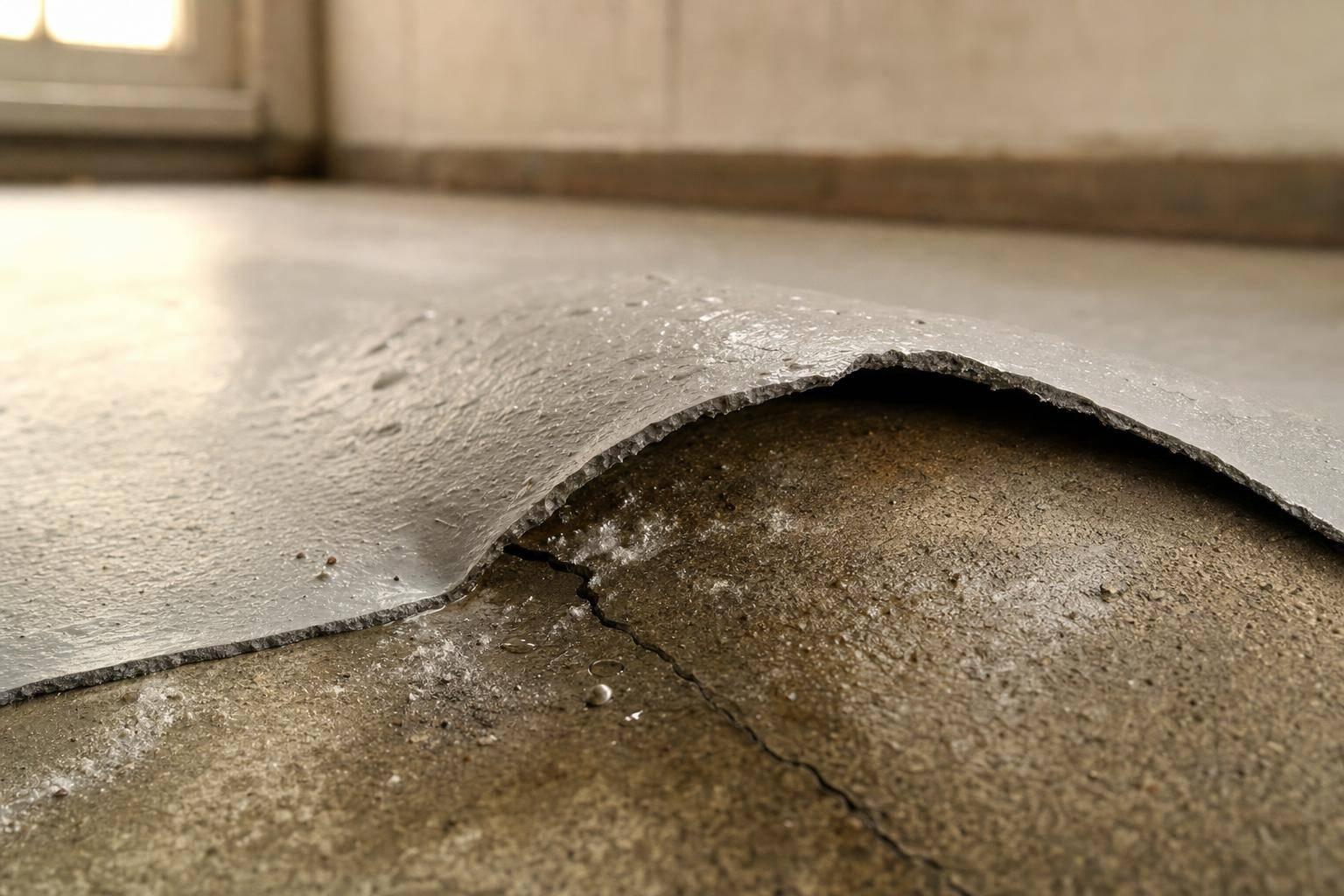
A polyurea garage floor estimator is especially useful when comparing polyurea with epoxy or polyaspartic systems. Polyurea is often appealing for fast cure time, durability, and resilience in demanding garages, but it isn’t automatically the best answer for every slab. If your floor has moisture vapor issues or a failing previous coating, surface prep and system design deserve close attention before any installer gives recommendations.
FAQs
Is polyurea always the best choice for a garage floor?
Not always. Polyurea can be an excellent fit when you want fast return to service, strong adhesion, good chemical resistance, and better flexibility in demanding conditions. But the slab still decides a lot. If you have moisture vapor issues, heavy contamination, failing old coatings, or widespread surface damage, prep quality becomes the real make-or-break factor. In some garages, a different system or a more layered approach may make more sense than jumping straight to polyurea.
How does polyurea compare with epoxy or polyaspartic?
Polyurea is often chosen for its fast cure, toughness, and ability to handle temperature swings better than more rigid coatings. Epoxy can still be a reasonable option for lower-demand spaces or projects where a slower working time is helpful. Polyaspartic is often used as a topcoat or as part of a system when UV stability and appearance retention matter. The right comparison isn’t just product versus product. It’s substrate condition, prep requirements, climate, usage, and whether you want a simple solid color or a broadcast flake system.
Can a homeowner realistically DIY a polyurea garage floor project?
Some homeowners research it with the goal of understanding the process, but professional application is commonly preferred. Polyurea has a short working time, which means mixing, spreading, and back-rolling need to happen quickly and correctly. Surface prep is also critical, especially with oil staining, cracks, old coatings, or moisture concerns. If the slab is very clean and the system is straightforward, a DIY-minded homeowner may still explore the category, but many people choose a pro because mistakes tend to show up in adhesion and long-term performance.