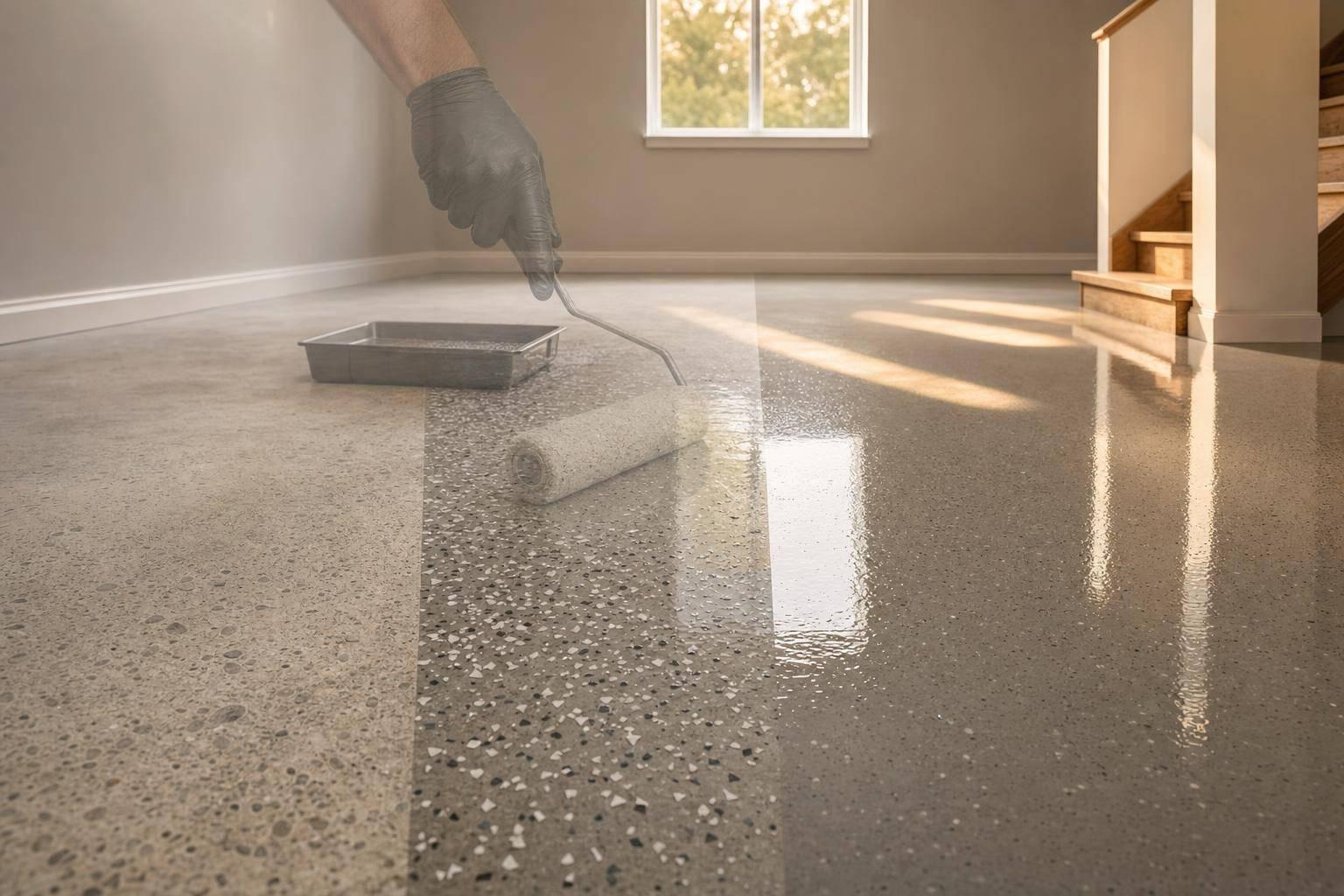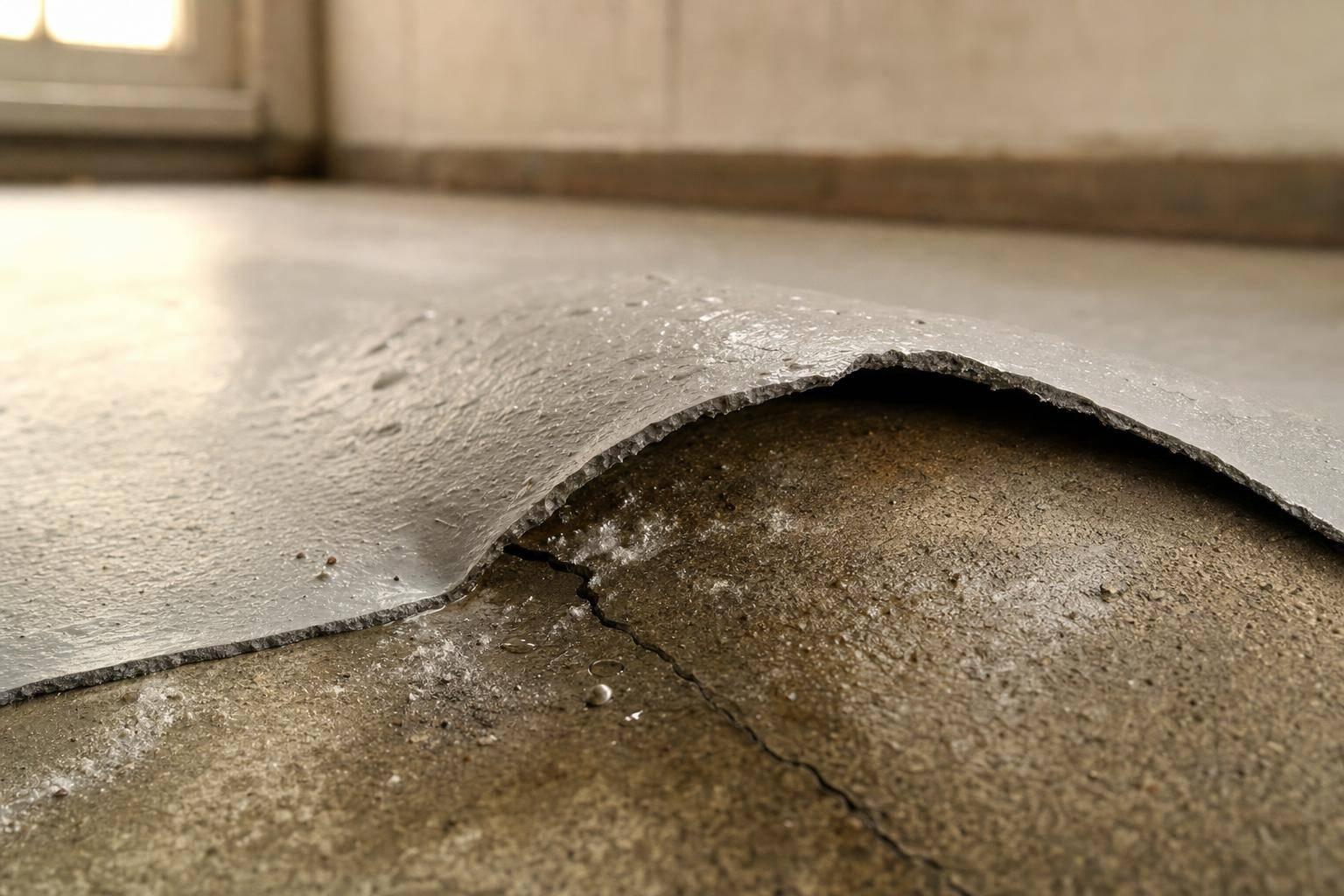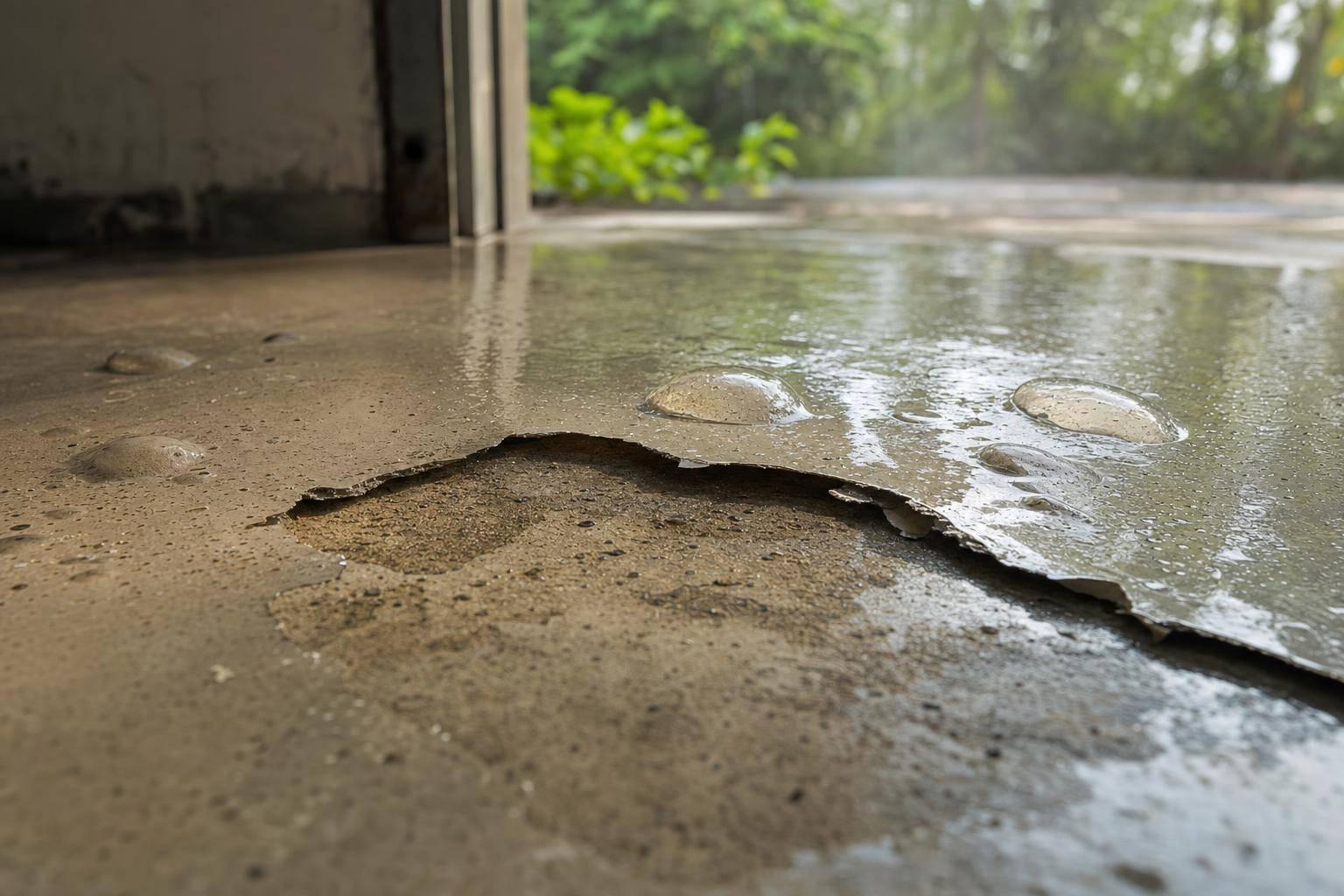
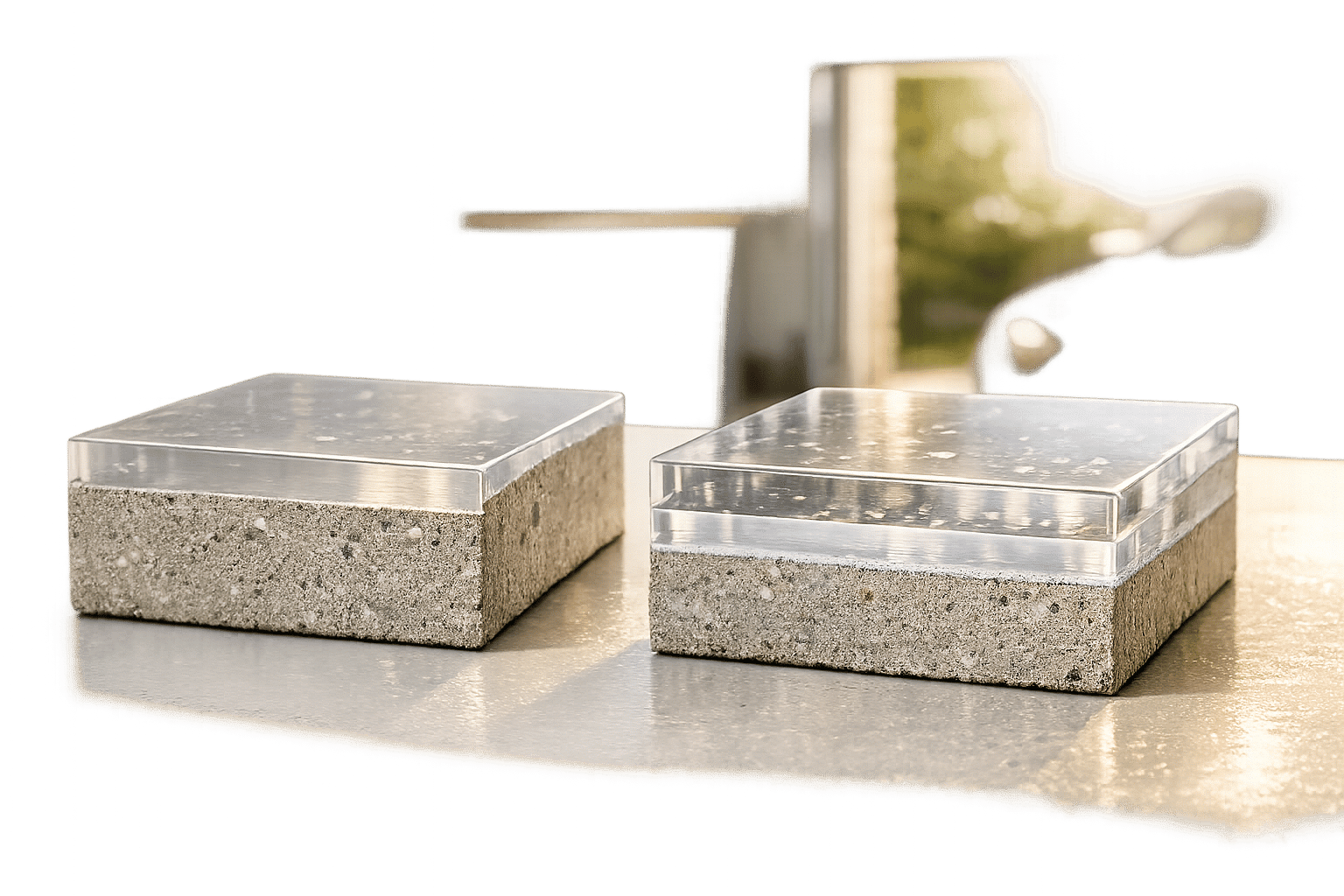
When choosing between polyurea and polyaspartic coatings for your garage floor, the decision boils down to durability, UV resistance, and application methods:
- Polyurea: Ideal as a base coat due to its rapid cure time (5–15 seconds) and strong adhesion to concrete. (Properly testing adhesion is critical for long-term success.) However, it’s prone to UV yellowing, making it less suitable for areas exposed to sunlight.
- Polyaspartic: Works best as a topcoat thanks to its UV stability, extended working time (20–45 minutes), and superior resistance to chemicals and abrasion. It maintains clarity and gloss even under prolonged sunlight.
For the most effective results, many professionals recommend a hybrid system: a polyurea base coat for adhesion and a polyaspartic topcoat for long-term protection. This combination balances cost, durability, and appearance.
Quick Comparison
| Feature | Polyurea | Polyaspartic |
|---|---|---|
| UV Resistance | Poor; yellows under sunlight | Excellent; non-yellowing |
| Cure Time | Extremely fast (5–15 seconds) | Slower (20–45 minutes) |
| Application | Requires spray equipment | Can be applied manually |
| Durability | High impact resistance | Better chemical and abrasion resistance |
| Cost | Lower | Higher |
For a durable, visually appealing garage floor, a hybrid system combining both coatings is often the best choice.
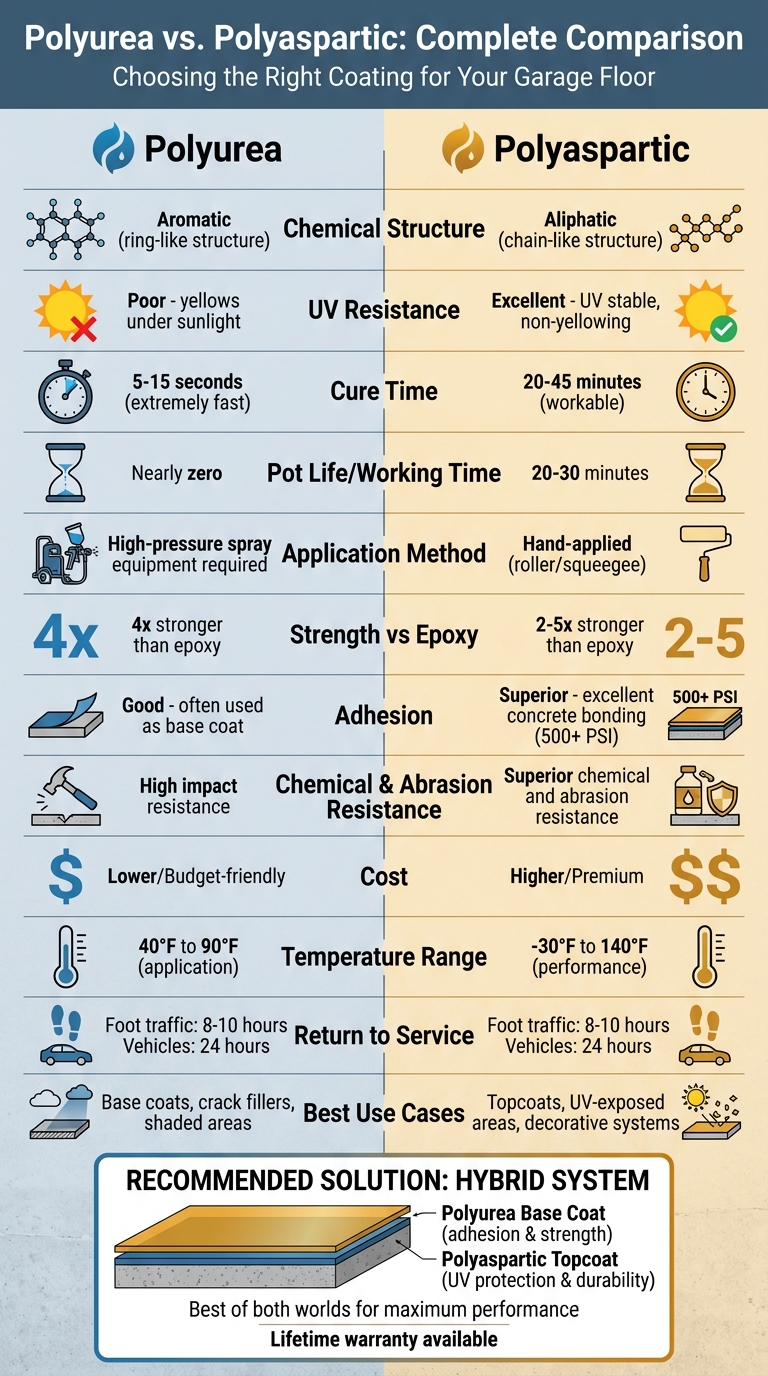
Polyurea vs Polyaspartic Coatings: Complete Comparison Chart for Garage Floors
Epoxy, Polyurea or Polyaspartic : Which is the BEST garage floor coating?
sbb-itb-a0e5ae3
Chemical Makeup and How They’re Related
Polyurea and polyaspartic coatings are both polyurethane derivatives, created by reacting an isocyanate with a resin blend. The primary distinction lies in the type of amine used in their formulations, which significantly impacts their curing times and performance characteristics. Let’s break down how these chemical differences influence their behavior.
Polyurea utilizes amine-terminated resins combined with aromatic methylene diisocyanate (MDI), enabling it to cure extremely fast – typically within 5 to 15 seconds. This rapid curing process ensures excellent bonding to concrete surfaces. However, the aromatic structure in polyurea makes it vulnerable to UV exposure, causing yellowing and chalking over time. As Mike B. from Resinwerks puts it:
Aromatic compounds like conventional polyureas are susceptible to UV degradation for a host of reasons and will yellow/degrade under UV exposure.
On the other hand, polyaspartic coatings incorporate polyaspartic esters, which are hindered amines that react with aliphatic polyisocyanates. This steric hindrance slows the reaction, extending the pot life to 45–90 minutes. This slower curing time allows for application using manual tools like rollers or squeegees. Additionally, the aliphatic structure of polyaspartic provides inherent UV stability, preventing yellowing and maintaining clarity even with prolonged sun exposure. These differences in chemical composition directly shape their application methods.
Polyaspartics, with their extended workability and UV resistance, are often applied as a topcoat. In contrast, polyurea’s rapid curing requires specialized high-pressure spray equipment, making it better suited as a base coat for strong adhesion to concrete. The combination of these two coatings creates a highly effective system: polyurea for bonding and polyaspartic for long-term protection and clarity under sunlight.
Cost also plays a role in their usage. Polyurea is less expensive to produce, while the refined resins and hardeners in polyaspartic coatings make them more costly. This price difference reinforces their roles, with polyurea commonly used as a base coat and polyaspartic as a premium topcoat. Despite their differences, both coatings share impressive traits like durability, flexibility, and resistance to chemicals and abrasion, making them highly reliable options for various applications.
Cure Times and Application
One of the standout differences between polyurea and polyaspartic coatings is how quickly they cure, which directly impacts how they’re applied and the overall project timeline. Polyurea cures almost instantly after mixing, making it nearly impossible to apply using standard tools like rollers or squeegees. This rapid reaction is why polyurea was initially used in industrial settings, such as truck-bed linings, where fast set times were critical. For garage floors, applying polyurea typically requires professional spray equipment and precise techniques. On the other hand, polyaspartic coatings offer a more manageable application process.
Polyaspartic coatings cure more slowly, with a recoat window of about 2 to 4 hours. This extended working time gives installers the flexibility to evenly spread the material using manual tools without worrying about it drying too quickly. This slower pace also makes polyaspartic coatings easier to work with, especially when adding decorative flakes to the surface.
Both coatings are known for their efficiency, allowing projects to be completed quickly. As mentioned earlier, they can handle foot traffic within 8 to 10 hours and are ready for vehicles in just 24 hours. This fast turnaround enables one-day installations using quick-cure coatings, like those offered by Croc Coatings, where the entire process – from surface prep to applying a polyurea base, broadcasting flakes, and sealing with a polyaspartic topcoat – can be completed in a single workday.
Environmental conditions also play a big role in how these coatings cure. At an ideal temperature of 70°F, both coatings cure as expected. Warmer temperatures speed up the chemical reaction, while cooler temperatures slow it down. Installers also need to keep an eye on moisture levels, as humidity can cause surface issues or delay curing. If a polyaspartic topcoat remains slightly tacky but requires a second layer, professionals often use spike shoes to safely navigate the surface.
UV Resistance and Durability
When it comes to UV exposure, polyurea and polyaspartic coatings behave quite differently. Polyurea coatings are generally "aromatic,"** which makes them prone to UV degradation – they tend to yellow when exposed to sunlight. On the flip side, polyaspartic coatings are "aliphatic," meaning they are fully UV stable and resistant to yellowing.
Because of this vulnerability, polyurea is often used as a pigmented base coat. The pigment helps mask any yellowing while providing a durable foundation layer. For areas exposed to direct sunlight – like patios, driveways, and garage entrances – polyaspartic is the go-to choice for a topcoat. It holds its high gloss and clarity over time, ensuring decorative finishes, like flake systems, stay vibrant and clear. This distinction in UV performance also plays a role in the overall durability of these coatings.
Durability Beyond UV Exposure
Both polyurea and polyaspartic coatings are known for their exceptional durability, especially in challenging conditions. When compared to traditional epoxy, they offer far superior wear resistance. Their flexibility is a standout feature, allowing them to handle impacts and thermal expansion without cracking. However, polyaspartic tends to excel further, offering greater abrasion and chemical resistance. It can withstand exposure to salt, oil, and gasoline, making it a strong choice for high-traffic areas like long-lasting garage floor coating options.
Another major advantage is their ability to adapt to temperature changes. Unlike epoxy, which is brittle and prone to chipping, polyurea and polyaspartic coatings expand and contract with the concrete. This flexibility prevents damage during freeze-thaw cycles. Thanks to its UV stability and resilience, polyaspartic can last up to four times longer than traditional epoxy.
When you’re considering garage floor coatings, it’s a good idea to ask whether the material is aromatic or aliphatic. For topcoat applications where aesthetics and UV resistance are key, aromatic systems should generally be avoided.
Polyurea vs. Polyaspartic: Side-by-Side Comparison
Now that we’ve explored the individual traits of polyurea and polyaspartic coatings, here’s a clear side-by-side comparison. The table below highlights the key differences, making it easier to see how they measure up.
| Feature | Polyurea | Polyaspartic |
|---|---|---|
| Chemical Type | Aromatic (ring-like structure) | Aliphatic (chain-like structure) |
| UV Resistance | Poor; yellows and degrades in sunlight | Excellent; UV-stable and non-yellowing |
| Cure Time | Extremely fast (approx. 30 seconds) | Fast, but slower than polyurea (allows for leveling) |
| Pot Life (Working Time) | Nearly zero | 20–30 minutes |
| Application Method | High-pressure spray equipment required | Hand-applied (squeegee and roller) |
| Adhesion | Good; often used as a base coat | Superior; excellent concrete wetting abilities |
| Durability | High impact and abrasion resistance | Superior abrasion and chemical resistance |
| Cost | Lower / Inexpensive | Higher / Premium |
| Return to Service | Immediate (industrial applications) | Foot traffic in hours; vehicles in 24 hours |
| Best Garage Use | Base coats, crack fillers, liners | Topcoats, decorative flake systems, patios |
While the table provides a quick overview, let’s dive into some of these characteristics for more clarity.
Polyurea is a budget-friendly option, often used as a base coat due to its lower cost. However, its ultra-fast cure time – sometimes under 30 seconds – means it requires specialized spray equipment, and there’s little room for the material to properly penetrate the concrete surface. This makes it less forgiving during application.
On the other hand, polyaspartic coatings vs. epoxy, which include advanced resins and hardeners, come with a higher price tag but offer superior performance. With a working time of 20–30 minutes, they allow for better leveling and deeper penetration into concrete pores, creating a stronger bond.
When it comes to chemical resistance, polyaspartic coatings shine due to their aliphatic structure. Both materials are flexible and resist impact well, but polyaspartic stands out with better abrasion resistance, chemical durability, and long-term aesthetics. These qualities make it ideal for topcoats and decorative systems, especially in areas where UV stability matters for protecting floors from harsh conditions.
Polyurea: Pros and Cons
Polyurea offers a mix of benefits and challenges. Knowing both can help you decide if it’s the right fit for your garage floor.
One standout advantage is its impressive strength and flexibility. It’s rated as being 4 times stronger than standard epoxy, with some specialized polycuramine formulations claiming a strength boost of up to 20 times. Unlike epoxy, which can be brittle, polyurea’s flexibility allows it to move with the concrete, minimizing the risk of delamination. Plus, its non-porous, impermeable surface makes it resistant to automotive fluids like oil, gas, and brake fluid, which bead up for easy cleanup. Another perk? Its fast cure time – you can walk on it in 8–10 hours and park your car after just 24 hours. These features make polyurea a strong contender for garage flooring, especially in areas where durability and quick turnaround are priorities.
That said, polyurea isn’t without its downsides. UV sensitivity is a notable issue, particularly for aromatic polyureas. Exposure to sunlight can cause yellowing, so garages with large windows or direct sunlight might need a polyaspartic topcoat for UV protection. Additionally, polyurea’s moisture sensitivity and ultra-fast setting time mean that professional installation under controlled temperatures (between 40°F and 90°F) is essential. Industry expert Mike B. highlights another consideration:
Polyureas provide for a low-cost option, however they may not provide the same level of long-term performance as other types of materials – especially when it comes to adhesion.
Cost is another factor to weigh. Polyurea is generally more affordable upfront than polyaspartic coatings, making it a budget-friendly choice for base coatings. However, if used in high-UV environments without proper topcoat protection, you might face more frequent reapplications. This balance of affordability and durability makes polyurea a practical option for shaded garages or workshop spaces where UV exposure isn’t a major concern.
Polyaspartic: Pros and Cons
Polyaspartic coatings bring a lot to the table for garage floors, but they also come with some challenges.
One of their standout features is 100% UV resistance, which ensures a long-lasting, high-gloss, crystal-clear finish that won’t yellow over time like epoxy does. This makes them a great choice for areas exposed to natural light, such as patios or garages with windows. They also perform well across a wide temperature range – from as low as -30°F to as high as 140°F – making them reliable in the fluctuating conditions typical of garage environments. With a tensile strength of 2,900 psi and adhesion exceeding 500 psi to concrete, polyaspartic coatings are estimated to be 2 to 5 times stronger than traditional epoxy, ranking high when you compare industrial floor coatings. Plus, their non-porous surface resists hot-tire pickup, oil stains, road salts, and heavy impacts.
On the flip side, polyaspartic coatings cure slower than polyurea. While they cure much faster than epoxy – allowing the surface to be ready for use in about 24 hours – their 20–45 minute pot life requires precise application. Proper preparation is also key; the concrete surface must be mechanically profiled (like diamond grinding) rather than acid-etched to ensure strong adhesion. Additionally, temperature and humidity need to be carefully monitored during application to achieve the best results. These factors make the application process more demanding but ultimately contribute to the coating’s durability.
Another advantage is their ability to adapt to concrete movement. Thanks to their flexibility, polyaspartic coatings can handle the natural expansion and contraction of concrete without cracking or peeling. They are also formulated as 100% solids with little to no VOCs, making them a safer and more environmentally conscious option for indoor use.
Best Applications for Garage Floors
When deciding between polyurea and polyaspartic coatings for your garage floor, it all comes down to three key factors: sunlight exposure, temperature swings, and how you plan to use the space.
If your garage gets a lot of direct sunlight, polyaspartic is a must. Unlike aromatic polyurea, which can break down under UV rays, polyaspartic coatings stay UV stable and maintain their durability over time.
For garages in areas with extreme temperature changes, polyurea shines. Its flexibility allows it to expand and contract with the concrete during freeze-thaw cycles, which helps prevent cracking and peeling. Because of these strengths, many installers recommend combining both materials to get the best of both worlds.
Experts often suggest a hybrid system for the most effective results. For example, Croc Coatings’ Penntek Evolution system uses a polyurea base coat that deeply penetrates the concrete for strong adhesion, paired with a polyaspartic topcoat for added abrasion resistance standards, chemical protection, and UV stability. As one industry expert puts it:
The best floor isn’t one or the other – it’s a hybrid system that uses the best qualities of both materials.
This combination is especially practical for garages that double as workshops or see heavy use. It can handle everything from dropped tools and hot tire pickup to spills from oil, gasoline, and road salt.
For homeowners in areas like North Idaho and Eastern Washington, this hybrid approach is a game-changer. It tackles the challenges of regional temperature fluctuations and intense summer UV exposure. Plus, the system allows for quick installation – floors are ready for foot traffic in 8–10 hours and vehicle traffic within 24 hours. Adhesion pull tests show impressive results, with the concrete itself fracturing at 400–500 PSI before the coating bond gives way. With Croc Coatings’ lifetime warranty, this solution offers durability and peace of mind, combining the strengths of both materials for a long-lasting garage floor.
Hybrid Systems: Combining Both Coatings
Hybrid systems use a multi-layer method that merges the benefits of polyurea and polyaspartic coatings into one cohesive flooring solution. Typically, this involves a polyurea base coat paired with a polyaspartic topcoat, creating a surface that’s both durable and resistant to UV damage.
Here’s how it works: the polyurea base coat forms a strong molecular bond with the concrete, which helps prevent issues like peeling or delamination. This layer ensures excellent adhesion, while the polyaspartic topcoat adds a protective finish that stands up to long-term wear and tear.
After applying the polyurea base, decorative flakes are sprinkled onto the wet surface to enhance texture and color. You can explore various looks with a garage floor coating color selector. Then, the polyaspartic topcoat is applied as the final layer. With a pot life of about 20–30 minutes, polyaspartic coatings allow installers enough time to create a smooth, self-leveling finish. Plus, since polyaspartic is 100% UV stable, it prevents discoloration or fading caused by sunlight exposure.
The finished floor is built to withstand cracking, impacts, chemical spills, and even hot tire pickup—factors that influence the garage floor coating cost. Many high-quality hybrid systems are also "100% solids", meaning they contain minimal or no solvents and have ultra-low or zero VOCs. This drastically reduces chemical odors during and after installation. Another advantage? These floors can often be installed in just one day, with quick return-to-service times – unlike polyurea vs. epoxy comparisons show for traditional coatings, which may require up to five days before they’re ready for vehicle use.
An example of this hybrid approach is Croc Coatings’ Penntek Evolution system. It combines industrial-grade polyurea bonding with a UV-resistant polyaspartic finish and even comes with lifetime warranties, showcasing the effectiveness of this technique.
Choosing the Right Coating for Your Garage
When deciding on a coating for your garage, consider factors like sunlight, moisture levels, and temperature. For garages that get direct sunlight – whether through open doors or windows – a polyaspartic topcoat is ideal. It helps prevent yellowing and damage caused by UV exposure. If sunlight isn’t a concern, polyurea alone might work, but many experts still suggest using a hybrid system for better performance.
Testing moisture levels in your concrete is another key consideration. Ideally, these levels should be below 4%. If moisture is higher, applying vapor barrier primers can help protect your floor. Temperature also plays a role. Polyaspartic systems generally require application temperatures between 40°F and 90°F, though professional-grade materials can sometimes handle a broader range. These environmental details make professional advice invaluable.
"Selecting the right material for your project largely depends on balancing the benefits between performance and cost. There is no single product that is best for all projects." – Mike B., Resinwerks
Hybrid systems that combine polyurea and polyaspartic coatings are particularly effective. However, their installation demands skilled labor and specialized equipment. Polyurea cures in seconds, requiring advanced spray equipment, while polyaspartic coatings offer a 20–30 minute pot life, giving installers more time to work. Proper surface preparation is critical for both systems, as it ensures a strong molecular bond that helps prevent peeling.
For homeowners in North Idaho and Eastern Washington, Croc Coatings offers expert consultation and a one-day installation process with a lifetime warranty. Their Penntek Evolution system combines industrial-strength polyurea for bonding with a UV-resistant polyaspartic finish. From moisture testing to the final application, this system delivers a durable floor that can last 10–20 years.
FAQs
Do I need a polyaspartic topcoat if my garage gets sunlight?
If your garage gets a lot of sunlight, you don’t necessarily need a polyaspartic topcoat solely for UV protection. Polyaspartic coatings are naturally UV stable and resist yellowing over time. That said, adding a polyaspartic topcoat can boost durability and help your floor last longer. It’s especially useful if your current coating isn’t UV stable or if you want to maintain a polished, protected look in areas exposed to the sun.
How do I know if my concrete has too much moisture for these coatings?
Before applying polyurea or polyaspartic coatings, it’s crucial to ensure your concrete doesn’t have excess moisture. Here’s how you can test for it:
- Plastic Sheet Test: Tape a plastic sheet securely to the concrete, making sure the edges are sealed tightly. Leave it in place for 24-48 hours. Afterward, check for condensation or a darkened area underneath the sheet – this indicates moisture.
- Moisture Meter: For more accurate results, use a moisture meter. The acceptable moisture level is usually below 3-4%.
If your concrete shows high moisture levels, make sure to address the issue before applying any coating to avoid compromising its durability.
Can polyurea or polyaspartic be applied over cracks or old coatings?
Proper surface preparation is key when applying polyurea or polyaspartic coatings, especially over cracks or existing coatings. This involves steps like cleaning, sanding, or grinding the surface to ensure the coating adheres effectively. For cracks, using spot repairs or fillers beforehand is essential to avoid peeling or microcracking later on. Skipping these preparation steps can lead to problems like weak adhesion or reduced durability.