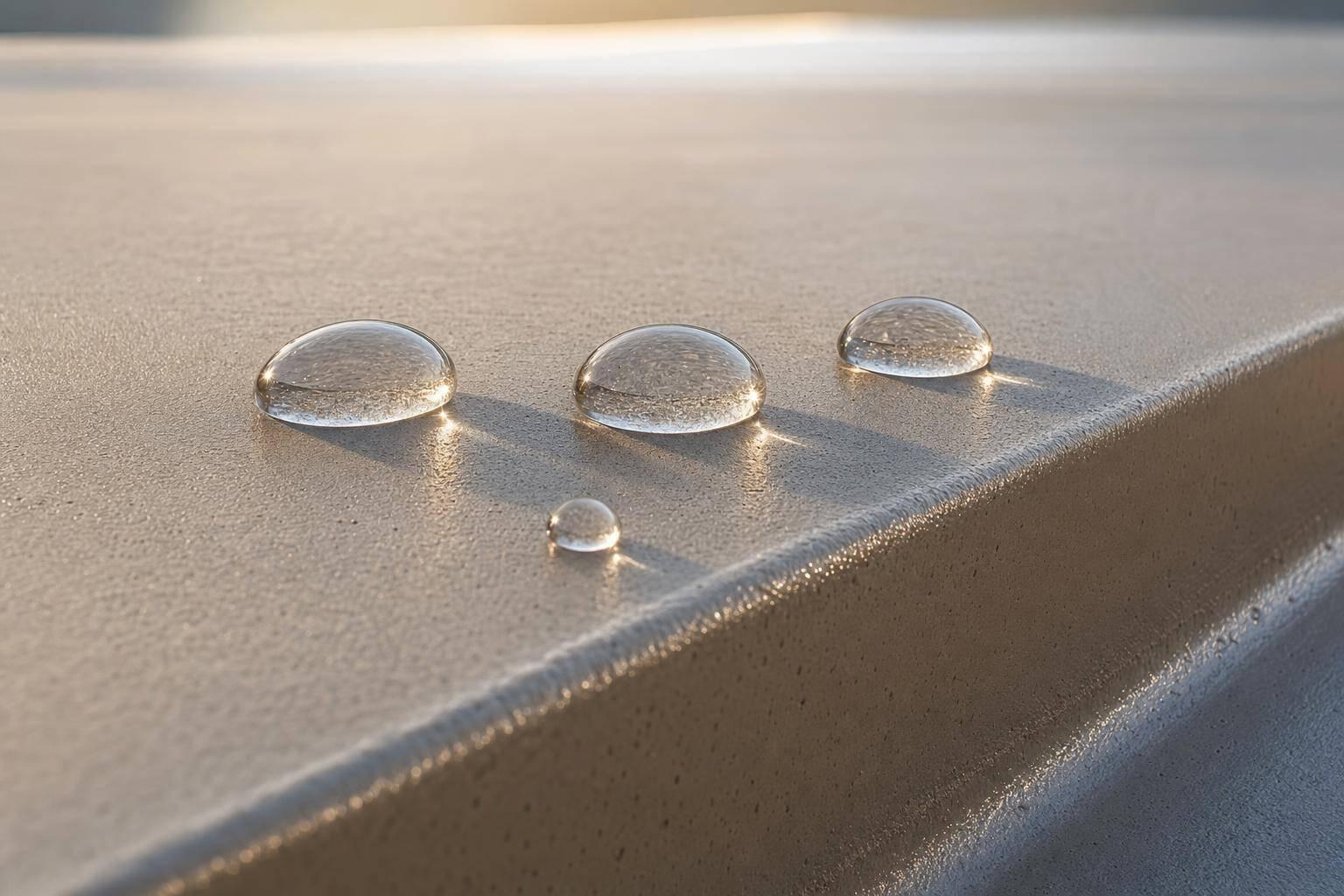
If water keeps hitting your concrete, polyurea is built to stop it. I’d sum it up like this: it forms a waterproof coating, stretches as the slab moves, handles -40°F to 350°F, and can often take vehicle traffic in 24 hours.
Here’s what matters most if you’re looking at garages, basements, patios, pool decks, or commercial floors in North Idaho and Eastern Washington:
- Water protection: polyurea creates a continuous membrane that helps keep moisture out
- Movement resistance: it can stretch 400% to 600%, which helps it span small cracks
- Fast return to use: many systems are walkable in 4 to 6 hours and drivable in 24 hours
- Cold-weather fit: it holds up well through freeze-thaw cycles, road salt, slush, and standing water
- Install quality matters: more than 80% of coating failures come from poor surface prep
- Best choice for wet areas: pure polyurea is usually a better pick than hybrid systems where moisture is a constant issue
- Service life: with proper install and care, it can last 20 to 30 years
A few job-site details make a big difference:
- Concrete usually needs a surface profile around CSP 3 to CSP 6
- Moisture levels often need to stay at or below 3 lbs per 1,000 sq ft per 24 hours
- Primer is often applied at 2 to 4 mils DFT
- Waterproof builds for higher-demand jobs can run about 60 to 200 mils
- Work should stop if relative humidity goes above 85%
If I had to put the whole article into one plain-English takeaway, it would be this: polyurea works well against water when the right formula is used, the slab is prepped the right way, and the coating is maintained over time.
Waterproofing a Deck with Polyurea.
sbb-itb-a0e5ae3
What Polyurea Coating Is
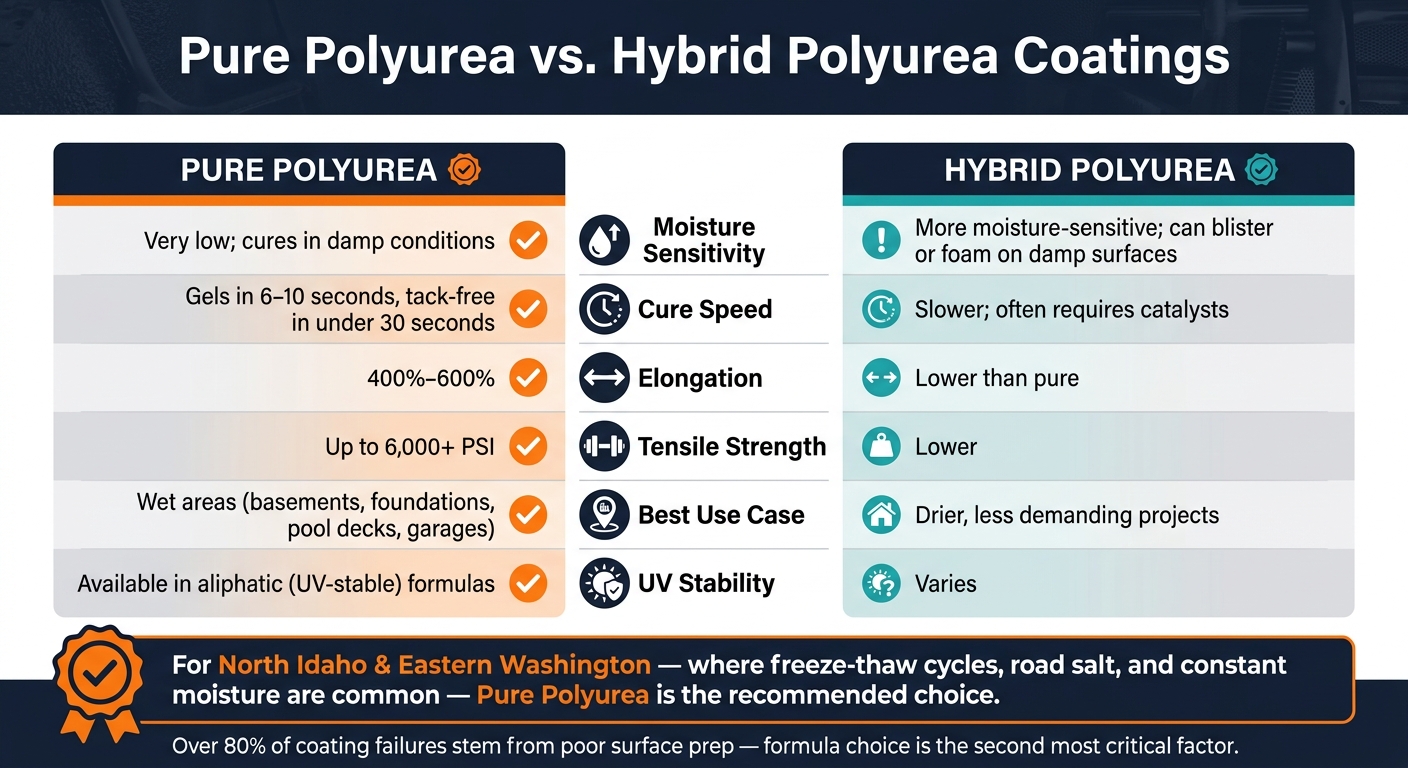
Pure Polyurea vs. Hybrid Polyurea: Which Is Right for Your Project?
To see why polyurea stands up to water so well, start with the way it cures and bonds.
Polyurea is a fast-curing, two-part coating that creates a dense waterproof membrane on concrete. It cures in seconds, gelling in 6–10 seconds and becoming tack-free in under 30 seconds , a significant advantage when comparing polyurea and epoxy curing. Its performance comes from both chemical and mechanical bonding to properly prepared concrete.
That fast reaction is what helps form a seamless barrier.
How Polyurea Forms a Protective Membrane
Polyurea is spray-applied as a liquid and cures almost at once. So instead of leaving joints or overlap points, it forms a monolithic, seamless layer. And that matters, because seams are often the first place old-school waterproofing systems fail.
The membrane can also stretch 400% to 600%, which lets it move with the concrete as it expands, contracts, or shifts. Some top-tier formulas can reach tensile strength above 6,000 PSI.
Pure vs. Hybrid Formulations
In wet areas, the biggest difference comes down to the formula.
| Feature | Pure Polyurea | Hybrid Polyurea |
|---|---|---|
| Moisture Sensitivity | Very low; cures in damp conditions | More moisture-sensitive; can blister or foam if the surface is damp |
| Cure Speed | Seconds to minutes | Slower; often requires catalysts |
| Elongation | 400%–600% | Lower than pure |
| Best Use | Wet areas | Drier projects |
For basements, foundations, and other wet zones, pure polyurea is the better fit. Hybrid blends make more sense for drier, less demanding jobs. Beyond performance, choosing the right system also saves money long-term by reducing maintenance and replacement costs.
Next comes the part that matters most: how that membrane blocks water under job-site conditions.
How Polyurea Blocks Water Intrusion
Here’s what polyurea is doing on the ground: it keeps water out through seam-free coverage, crack bridging, and a tight bond to concrete.
Seamless Coverage and Crack Bridging
Polyurea cures into one continuous membrane with no seams. That’s a big deal, because seams are often where older waterproofing systems start to fail. Water spots the weak point, slips into the gap, and then keeps moving.
Think of the coating like a flexible skin over the concrete. With elongation that can exceed 400%, it can stretch across hairline cracks and keep the seal in place as the slab moves with temperature swings or settling.
Adhesion and Stability in Wet Conditions
A waterproof coating doesn’t do much if it lets go of the surface. A strong bond helps stop water from traveling under the coating if damage happens, which cuts the chance of hidden delamination and structural damage.
Pure polyurea also resists breaking down from water over time. That makes it a solid fit for damp garages, basements with moisture problems, washdown areas, and other wet spaces. The key difference between pure and hybrid formulas comes down to moisture exposure: pure polyurea stays stable in places with constant moisture, while hybrid blends fit better in drier, less demanding areas.
The next section gets into the prep and cure details that help that bond hold up.
Where Polyurea Works Best
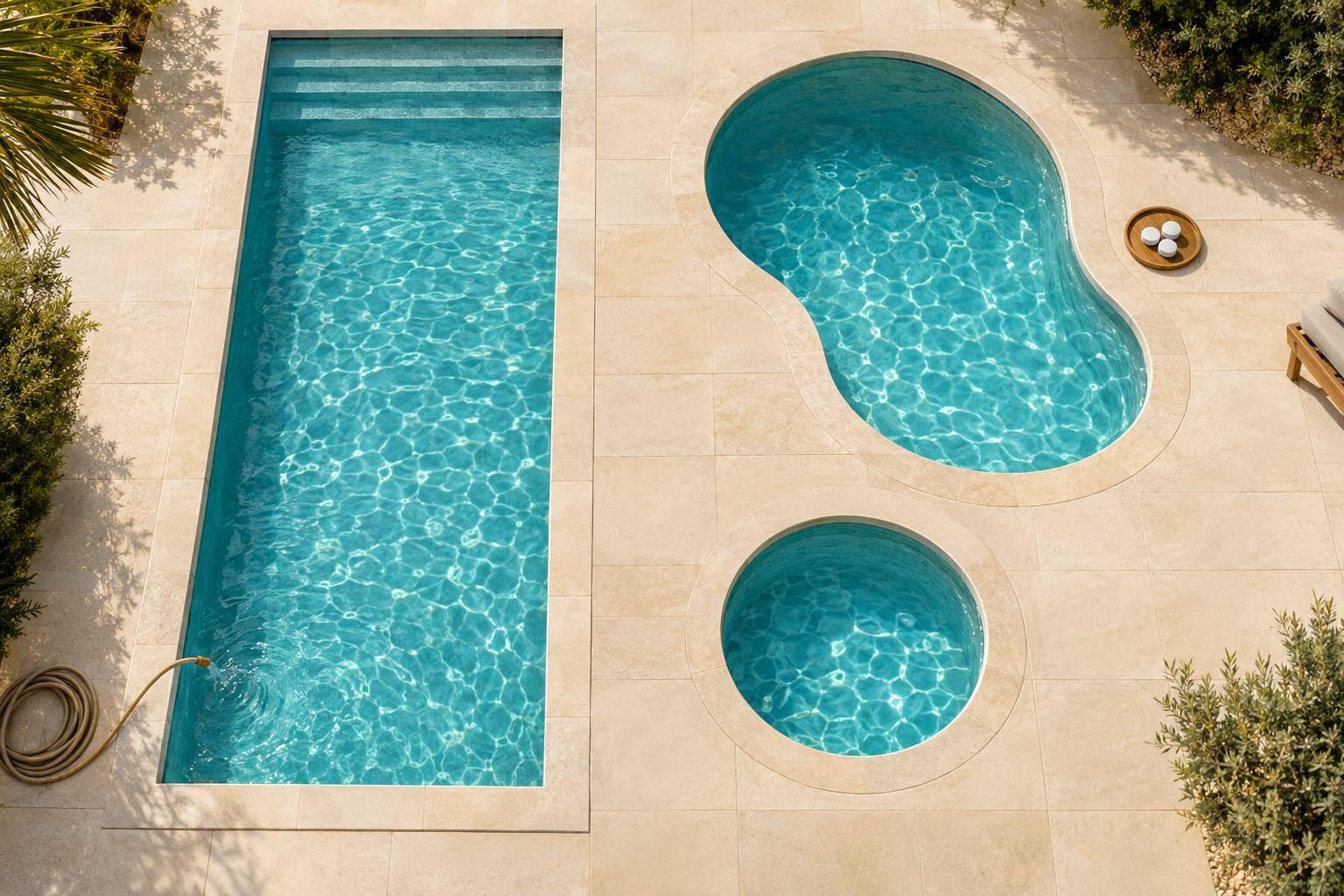
Once the membrane is down, polyurea tends to shine in places that deal with water day after day, offering superior polyurea vs. epoxy weather resistance. It’s a strong fit for garages, basements, foundations, patios, pool decks, and commercial floors where water exposure isn’t a one-off issue. This is where the coating earns its keep.
Garages, Basements, and Foundations
In North Idaho and Eastern Washington, garage floors take a beating from road salt, slush, and snowmelt. Over time, that moisture works its way into the concrete and starts wearing it down. Below-grade concrete deals with a similar problem from the other direction, with hydrostatic pressure moving up through the slab.
Polyurea creates a barrier that stops that moisture movement before it turns into surface damage. It bonds to the prepared slab and flexes with it as temperatures shift, which matters in places with cold winters and warm summers.
Patios, Pool Decks, and Commercial Floors
Above grade, waterproofing still matters anywhere sun, rain, and standing water come together. Aliphatic polyurea formulas are UV stable, so they won’t yellow or chalk out over time in direct sunlight. For pool decks across Eastern Washington, that’s a big deal.
You can also add slip-resistant aggregates to the topcoat. That helps make wet surfaces safer while still keeping a clean, finished look.
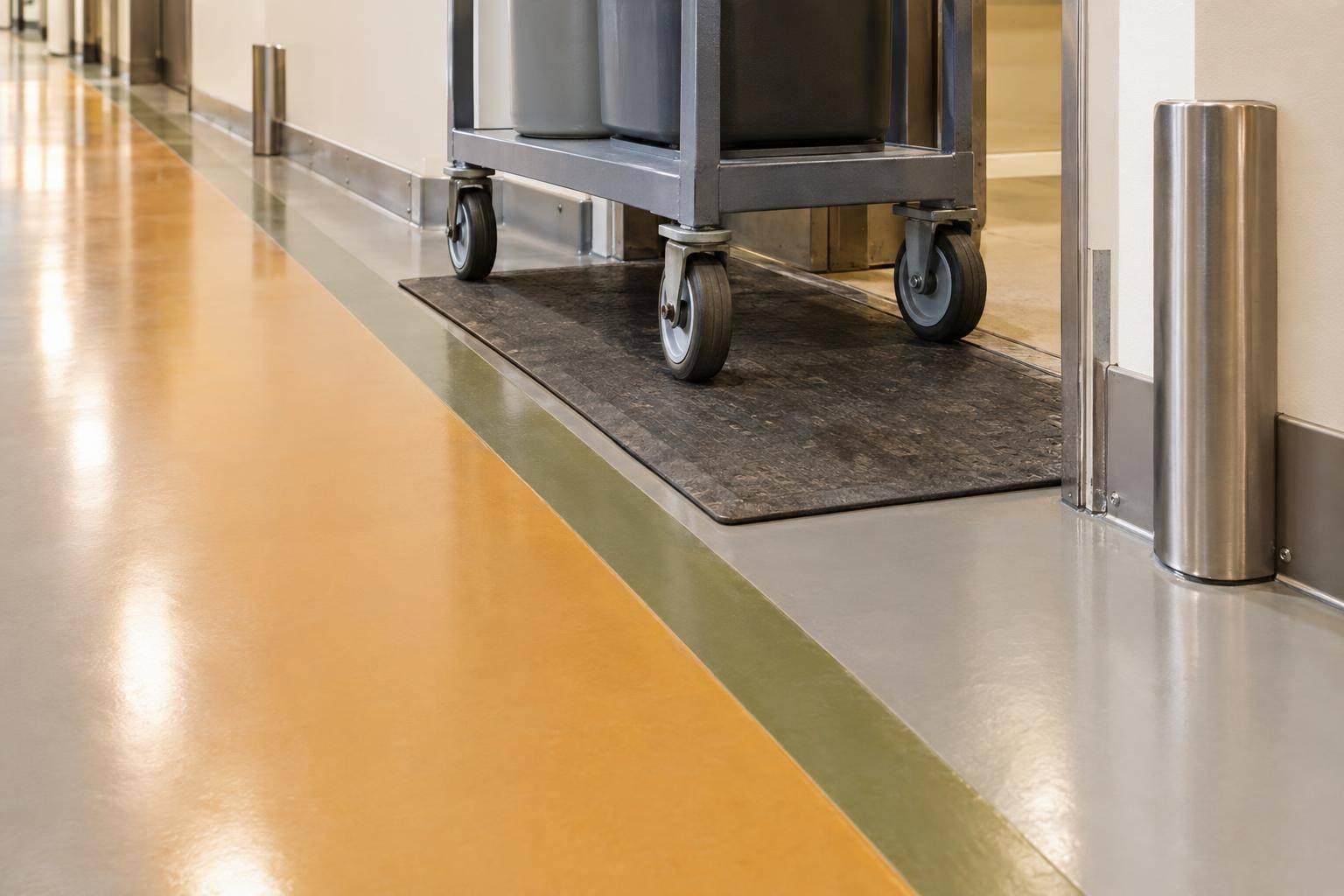
In retail and industrial settings, speed matters just as much as surface protection. Polyurea is walkable in 4 to 6 hours and fully drivable within 24 hours. That cuts downtime and makes it a smart choice for spaces that need to get back in use fast.
Installation Requirements for Lasting Water Protection
Once you’ve picked the right formula, installation is what decides if the barrier holds up. Polyurea is only as good as the surface under it. In fact, over 80% of coating failures trace back to inadequate surface preparation.
Surface Prep and Moisture Testing
Concrete needs a mechanical profile before coating goes down. Shot blasting often creates CSP 3–5, and the International Concrete Repair Institute (ICRI) calls for a surface profile between CSP 3 and CSP 6 for most polyurea jobs. That roughness gives the coating something to bite into, which helps stop peeling later on.
Moisture testing matters just as much. A slab can look fine and still hold enough vapor to blister or delaminate the coating. For most polyurea systems, the standard limit is 3 lbs per 1,000 sq ft per 24 hours, checked with a calcium chloride test (ASTM F1869) or in-situ relative humidity probes (ASTM F2170). Bridge movement joints with polyester or aramid scrim to cut stress and improve peel strength. That helps keep water from slipping through moving concrete.
Surface prep, not coating quality, is the usual failure point.
Primers, Thickness, and Cure Conditions
Once prep and moisture control are handled, film build becomes the next thing to watch. On smooth slabs or slabs with moisture risk, use a primer to steady the bond. Apply it at 2–4 mils dry film thickness (DFT). The primer chemistry also needs to match the polyurea system being used.
Film thickness has a direct effect on long-term water resistance. In flood-protection work, film build is often 60 to 200 mils. Apply at least two heated passes so the layers fuse into one membrane. Stop work if relative humidity goes above 85%. If you don’t, condensation can get trapped under the membrane and cause blistering. The substrate temperature also needs to stay above the dew point so condensation doesn’t form during cure and weaken the bond.
Long-Term Durability and Maintenance
Once the coating is in place, maintenance plays a big role in how long it keeps water out. When it’s installed the right way, polyurea can last 20 to 30 years with basic upkeep. That said, it isn’t a set-it-and-forget-it product. Its service life still comes down to installation quality and regular care.
Polyurea is about 4x stronger than epoxy, offers superior UV stability compared to epoxy, and resistant to acids, oils, road salts, and gasoline. For outdoor spaces, UV-stable formulas or UV-resistant topcoats can help limit yellowing and wear from sun exposure.
Cleaning, Drainage, and Routine Inspection
Daily care is pretty simple: sweep and mop on a regular basis. But the bigger maintenance tasks are the ones tied to moisture control.
Keep drainage paths clear. If water sits too long, it can put stress on the membrane. After winter, wash away de-icing salts and leftover residue.
If you spot chips or other damage, fix them fast. Repairs and patches tend to bond best within the manufacturer’s recoat window. Acting early helps stop water from working its way under the coating and weakening the bond.
Key Takeaways
Polyurea helps protect concrete from water intrusion because it forms a seamless layer, bonds tightly, and has high elongation. In plain English, that means it can move with the slab instead of cracking when the surface shifts or takes on pressure. It works well in the right setting, whether that’s a garage floor, basement, pool deck, or commercial space, and it works best when installation includes careful surface prep and moisture control.
With proper installation, clear drainage, and routine checks, polyurea can keep concrete protected from water for decades.
FAQs
How do I know if my concrete is too wet for polyurea?
Measure the moisture vapor emission rate before you install polyurea. The reading should stay below 3 pounds per 1,000 square feet per 24 hours.
Use ASTM-standard tests like calcium chloride (ASTM F1869) or in-situ relative humidity probes (ASTM F2170). If the results come in above the manufacturer’s limit, you have two options: apply a moisture vapor barrier primer or wait until the slab dries enough.
What maintenance helps polyurea last longer?
Routine cleaning and regular inspections can help a polyurea coating last longer. A little upkeep goes a long way.
Sweep the surface once a week, or use a leaf blower to clear away grit and debris. If that material sits too long, it can slowly wear down the finish.
For deeper cleaning, mop or rinse the surface once a month with mild dish soap or a pH-neutral cleaner. If something spills, clean it up right away.
Over the long run, it may also make sense to refresh the topcoat every 10 to 15 years.
Can polyurea be repaired if it gets chipped or damaged?
Yes. Polyurea is built to resist chipping and cracking, but damage can still happen.
That’s why it helps to check the coating on a regular basis. Small chips, cracks, or worn spots are much easier to deal with when you catch them early.
For Croc Coatings installations, the proprietary Penntek Evolution system is backed by a lifetime warranty for future issues.