Safer Pool Deck Choices Start With the Right Surface
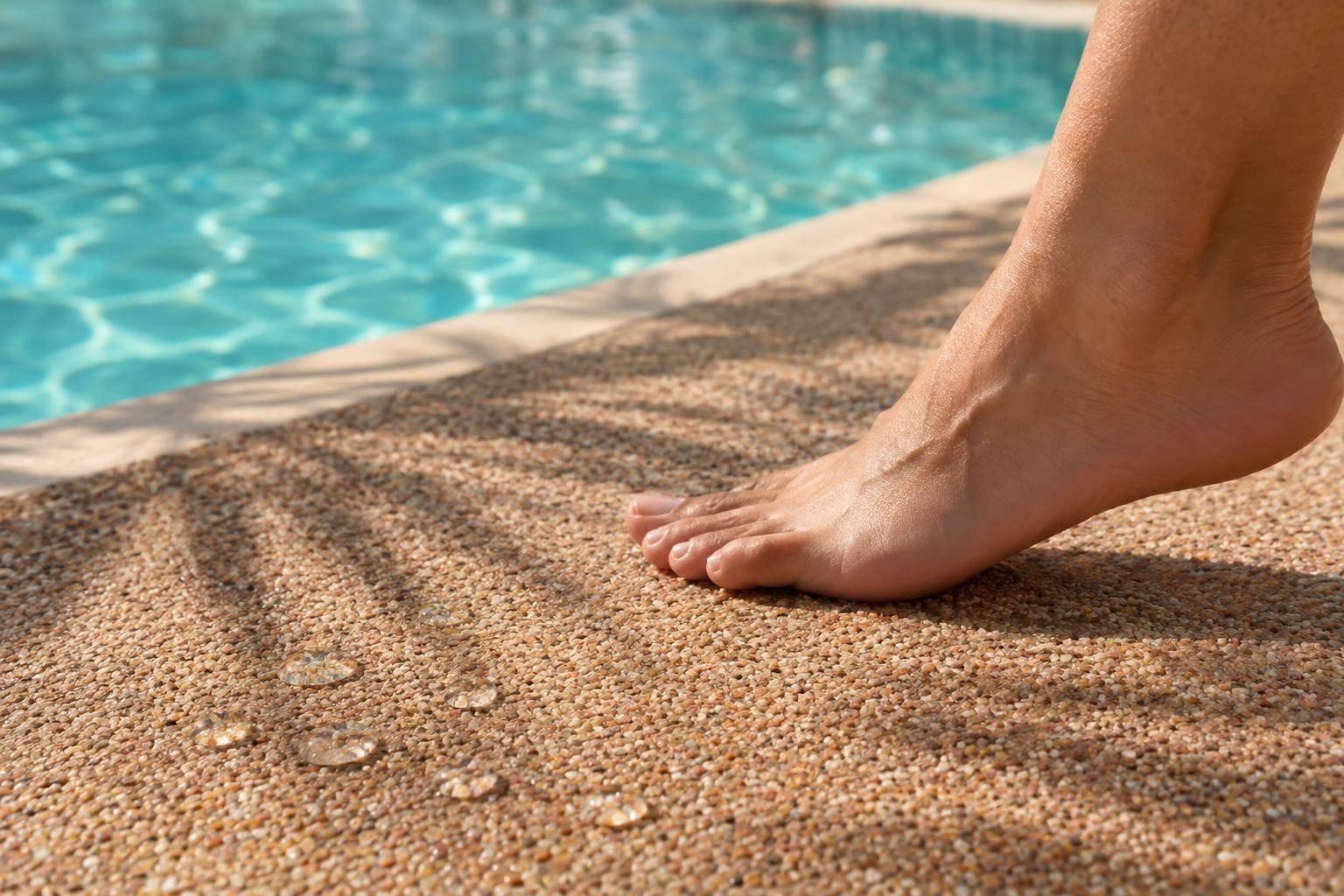
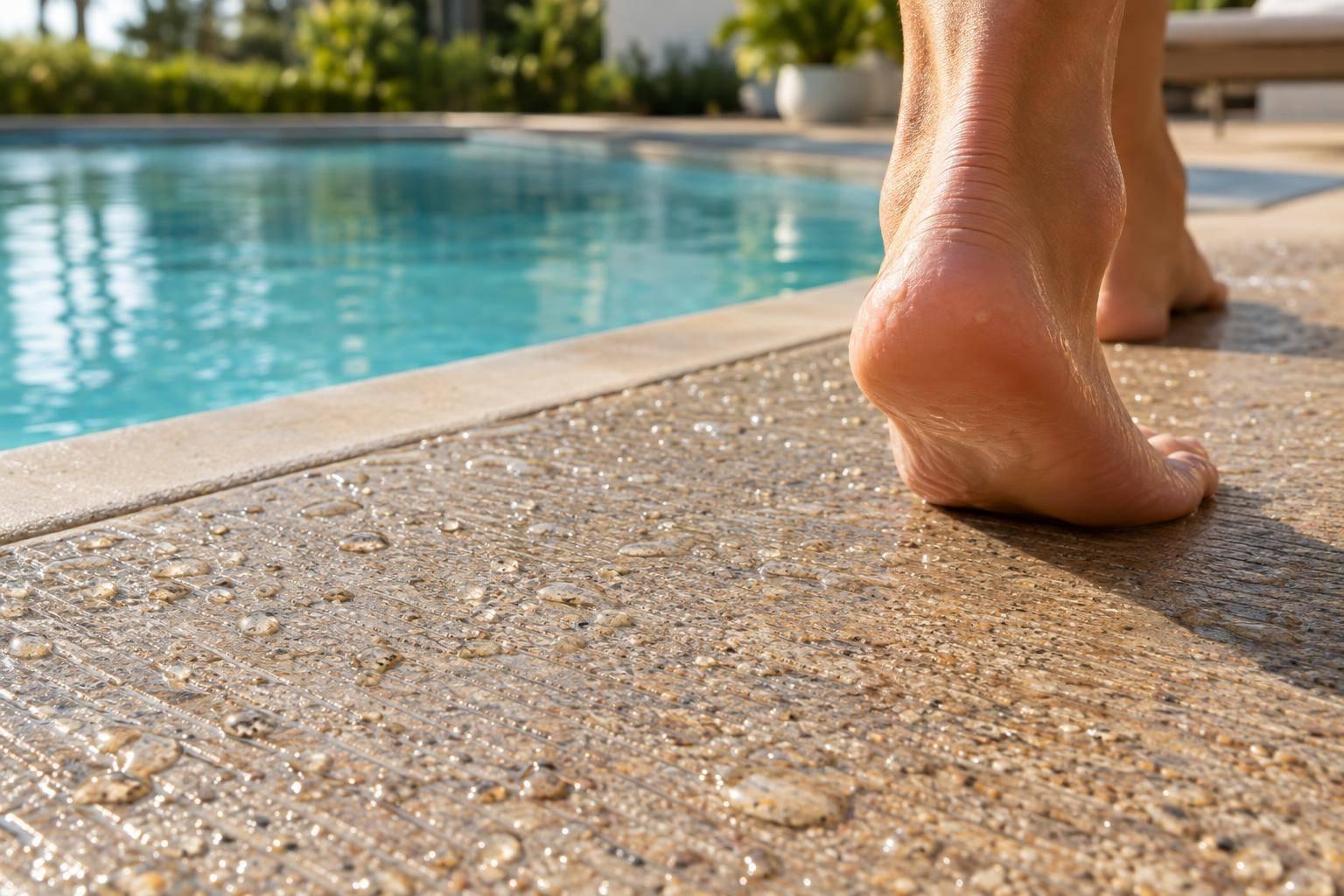
A slip resistant pool deck resurfacing project isn’t just about looks. Around a pool, traction, comfort, weather exposure, and maintenance all matter, and the wrong finish can create frustration long after installation. This tool helps homeowners, property managers, and contractors compare resurfacing systems based on how the deck is actually used.
Match the Finish to Real Conditions
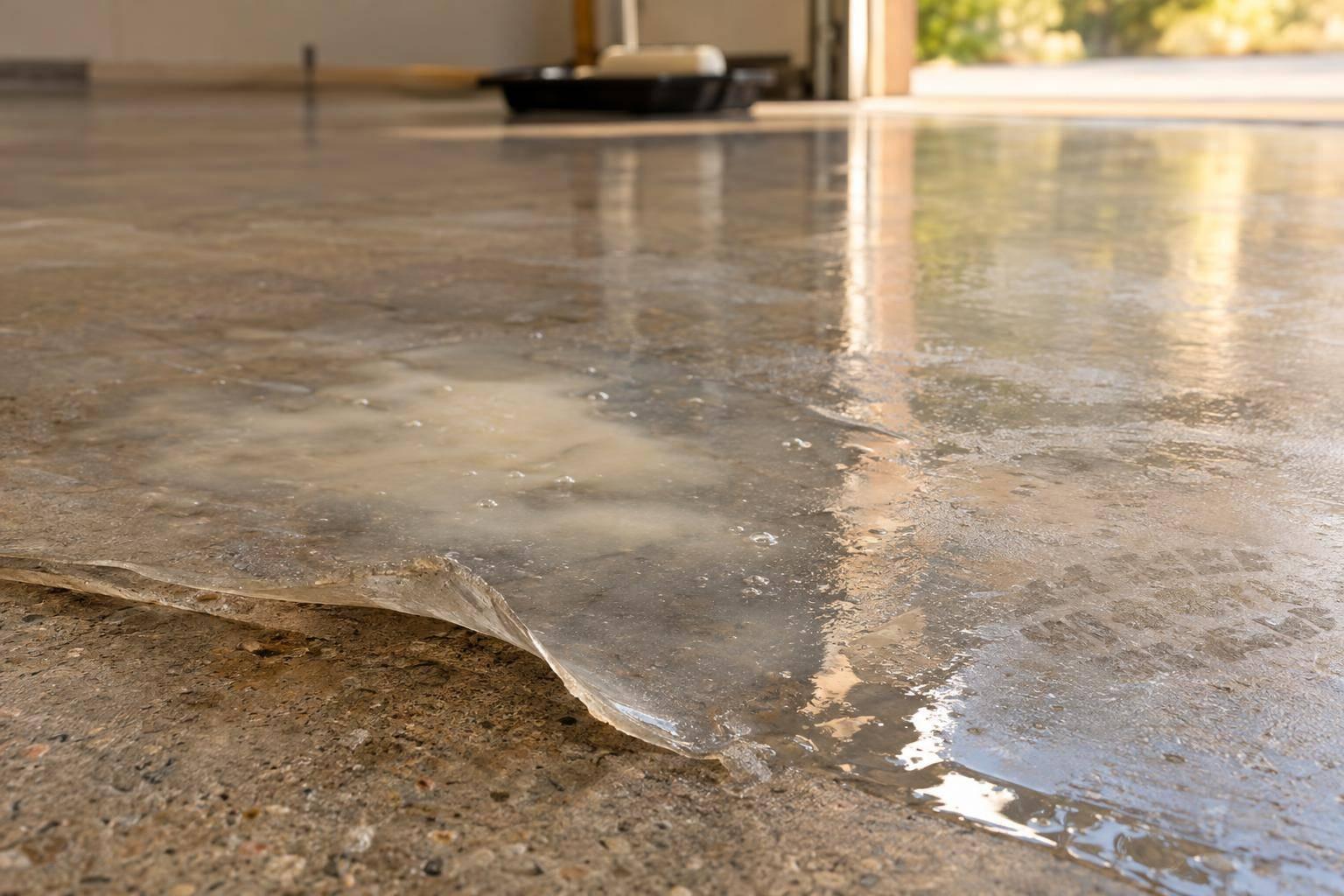
Some surfaces perform better in full sun, while others hold up more reliably in wet, humid, or freeze-thaw climates. If your deck has peeling coatings, cracks, fading, or uneven texture, prep work can be just as important as the finish itself. That’s why the recommender factors in existing deck condition before ranking options.
Compare Safety, Comfort, and Upkeep
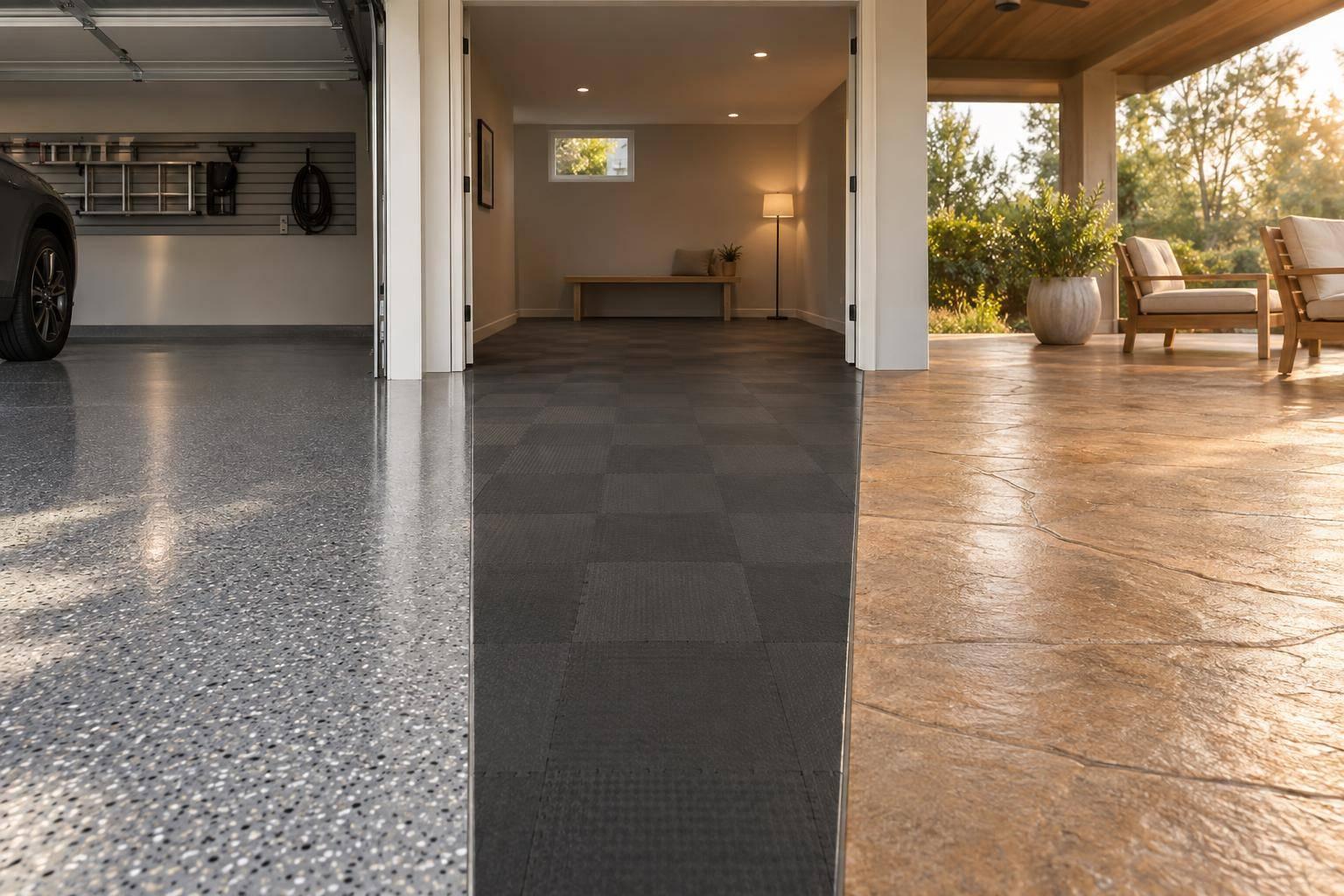
From acrylic lace systems to textured coatings, microtoppings, rubberized finishes, and specialty overlays, each option has tradeoffs. A good pool deck resurfacing recommender should weigh slip resistance without ignoring barefoot comfort or ease of cleaning. It should also avoid suggesting surfaces that need more resealing or maintenance than the user wants to handle.
Practical Guidance for Wet-Area Projects
Use this slip resistant pool deck resurfacing tool to narrow your choices, compare the top three options, and spot likely prep needs early. Always confirm local product specifications and installer experience for pool and wet-area applications.
FAQs
Will this tool tell me which pool deck surface is completely slip-proof?
No—and that’s intentional. No pool deck surface is completely slip-proof, especially in wet, splash-prone areas. What this tool does is help you compare resurfacing systems that can improve traction when properly selected, installed, and maintained. It also gives extra weight to safety when you choose factors like kids, seniors, frequent slickness, or high traffic, so the recommendations stay practical rather than overpromising.
How does the tool decide between comfort and traction?
It looks at both, then prioritizes based on risk. If you choose high-risk conditions such as seniors, commercial use, frequent rain, or regular slickness, the recommendations will lean more heavily toward stronger slip resistance. If barefoot comfort is a top priority and the safety risk is more moderate, it will avoid pushing overly aggressive textures that can feel harsh underfoot. The goal is a smart middle ground, not a one-size-fits-all answer.
Why does the tool include prep and repair warnings?
Because even the best resurfacing product can fail if the base surface is unstable. Peeling coatings, cracks, and uneven texture often point to prep work that needs to happen first, such as coating removal, crack repair, patching low spots, or surface profiling. Those warnings help users understand that resurfacing is not just about the finish layer—it also depends on the deck being structurally sound and properly prepared for wet-area use.