Find the Right Pool Deck Coating for Comfort and Durability
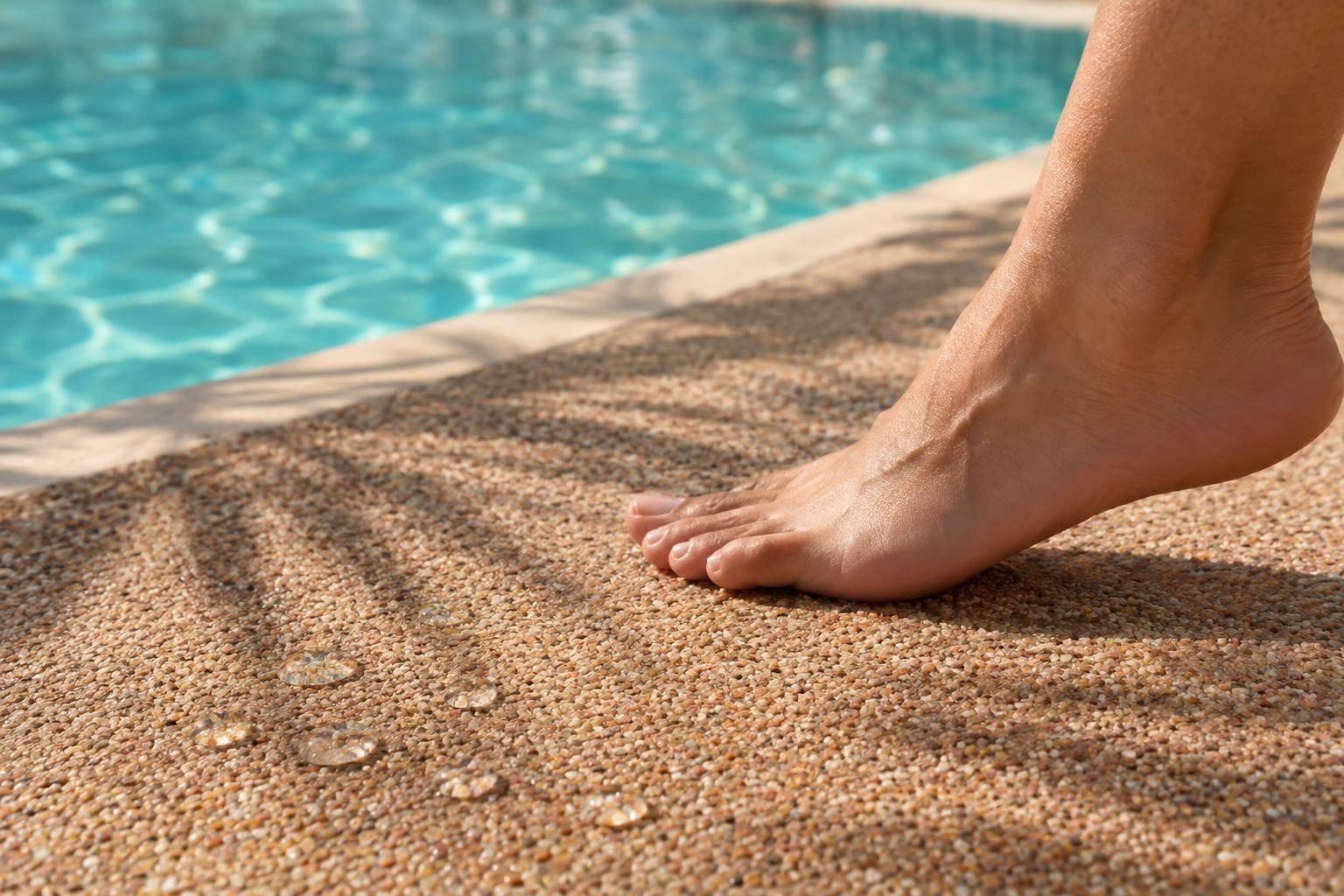
A rubberized pool deck coating selector can save you from choosing a surface that looks good on paper but struggles in real conditions. Around pools, comfort under bare feet matters, but so do traction, sun exposure, splash zones, and the condition of the existing deck. A coating that feels softer and cooler may be appealing, yet performance still depends on solid prep and a stable substrate.
What This Tool Helps You Evaluate
This tool reviews your deck size, surface material, current problems, and exposure conditions to estimate whether a rubberized finish is a strong fit. It also looks at issues like peeling paint, minor cracking, rough texture, and traffic level. That matters because a rubberized pool deck coating may work well on sound concrete, while previously painted or failing surfaces often need more intensive preparation first.
A Practical Way to Compare Fit
Instead of making broad promises, the tool gives a realistic recommendation with tradeoffs. You’ll see where a rubberized pool deck coating may shine for barefoot comfort, slip resistance, and crack-bridging potential, and where alternatives like acrylic resurfacing or textured concrete coatings may be the smarter long-term choice.
FAQs
Is a rubberized coating always a good choice for a pool deck?
Not always. Rubberized coatings can be a strong fit when you want a cooler, softer, more slip-conscious walking surface, especially around residential pools. But the substrate has to be sound. If the deck has peeling paint, unstable layers, or surface failure underneath, the coating may only perform as well as the prep work. That’s why the tool looks at both comfort goals and underlying surface conditions before suggesting a direction.
What if my pool deck has already been painted?
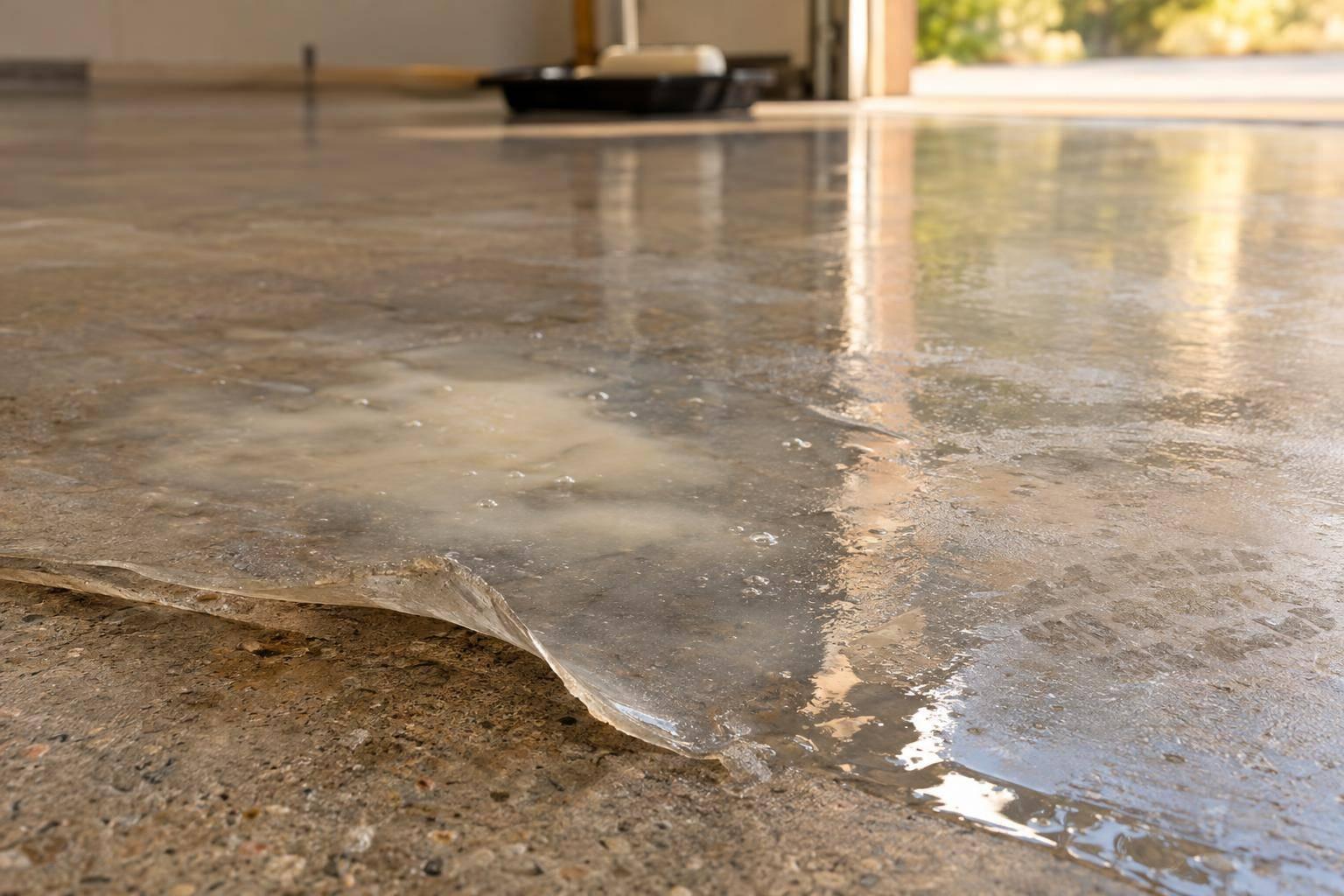
A previously painted deck deserves extra caution. Some painted surfaces can accept a new coating system, but only after proper cleaning, adhesion testing, and often mechanical prep or full removal of loose material. If the old coating is peeling or failing in multiple areas, applying a rubberized finish over it may lead to more peeling later. In those cases, the better move may be stripping, resurfacing, or switching to another system designed for the deck’s condition.
How does traffic level affect the recommendation?
Traffic matters more than many people expect. A residential backyard pool with light to moderate use may benefit from the comfort and slip-resistance features of a rubberized system. A hotel, apartment, or busy HOA pool deck can place much higher demands on wear resistance, appearance retention, and maintenance scheduling. The tool adjusts the recommendation so heavy-use settings don’t get an overly optimistic result when durability expectations may point toward a different deck coating system.