Compare Basement Flooring Costs With More Confidence
A basement flooring cost calculator gives homeowners a practical way to compare materials before requesting quotes. Pricing can vary a lot depending on the type of floor you choose, the condition of the basement slab, and whether the space needs moisture protection or extra prep work. A simple square-foot estimate rarely tells the full story.
What Changes Basement Flooring Prices?
Basement projects often include more than just flooring and labor. Old carpet or tile may need to be removed, the floor may need leveling, and some spaces benefit from an underlayment or dimple subfloor system. Room layout matters too—an open basement is usually faster and less expensive to install than multiple rooms with corners, closets, and obstacles.
A Smarter Way to Compare Options
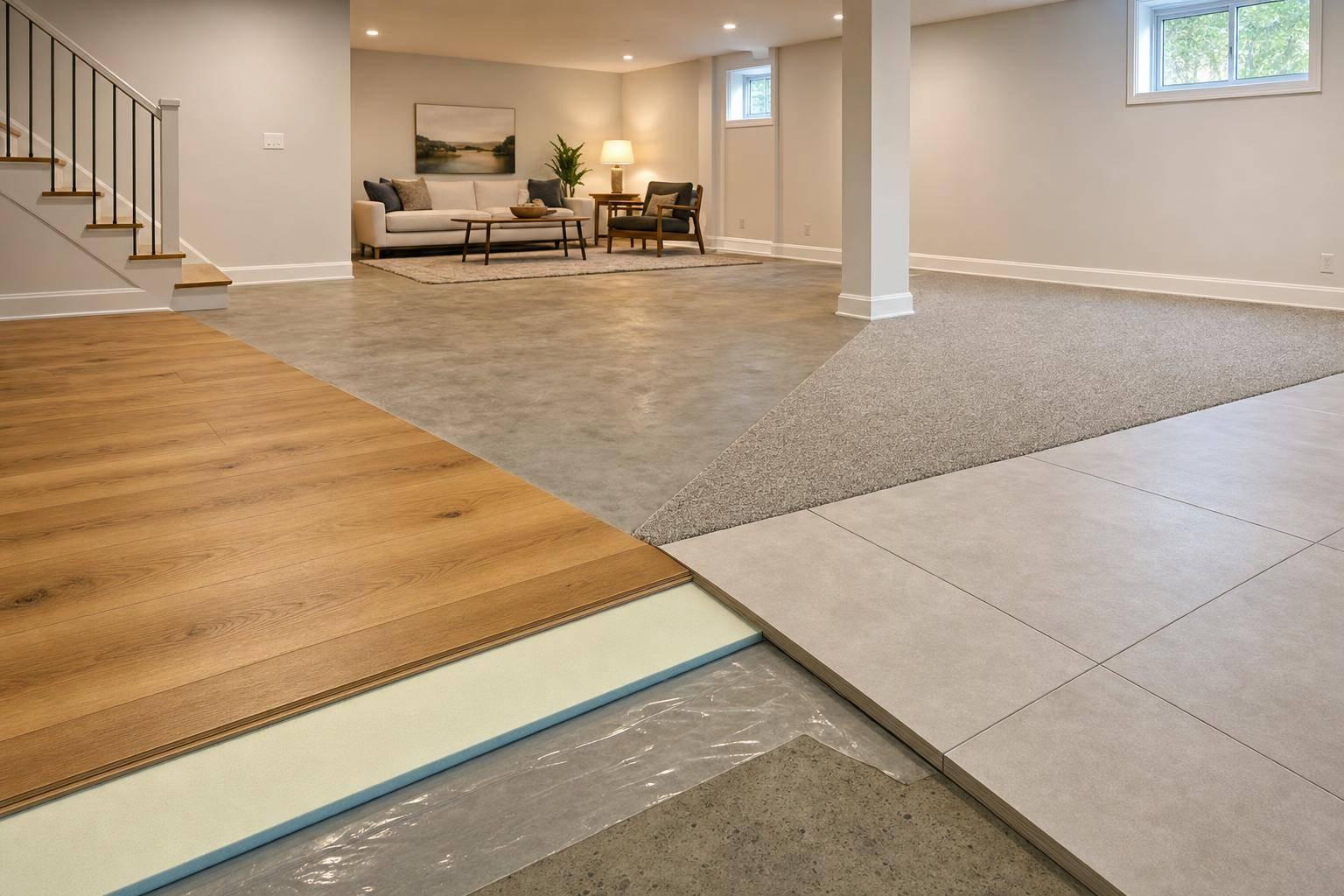
This basement flooring cost calculator helps you estimate installed pricing for luxury vinyl plank, laminate, carpet, tile, engineered hardwood, epoxy, and polished concrete. It also factors in moisture conditions, regional labor differences, trim replacement, and tax if you want to include it.
If you’re weighing comfort, durability, and budget, a basement flooring cost calculator can help you narrow your options before you talk to installers. It’s a helpful starting point for planning a realistic basement floor budget.
FAQs
Which flooring type is usually best for a basement?
It depends on how dry the basement stays and how you use the space. Luxury vinyl plank is a popular choice because it handles moisture better than many wood-based products and offers a finished look at a moderate price. Tile is another strong option for damp areas, while carpet can work in dry, finished basements where comfort matters most. If you have periodic dampness or active moisture issues, the right answer often starts with fixing the moisture source before installing any finish floor.
Why does moisture change the flooring estimate so much?
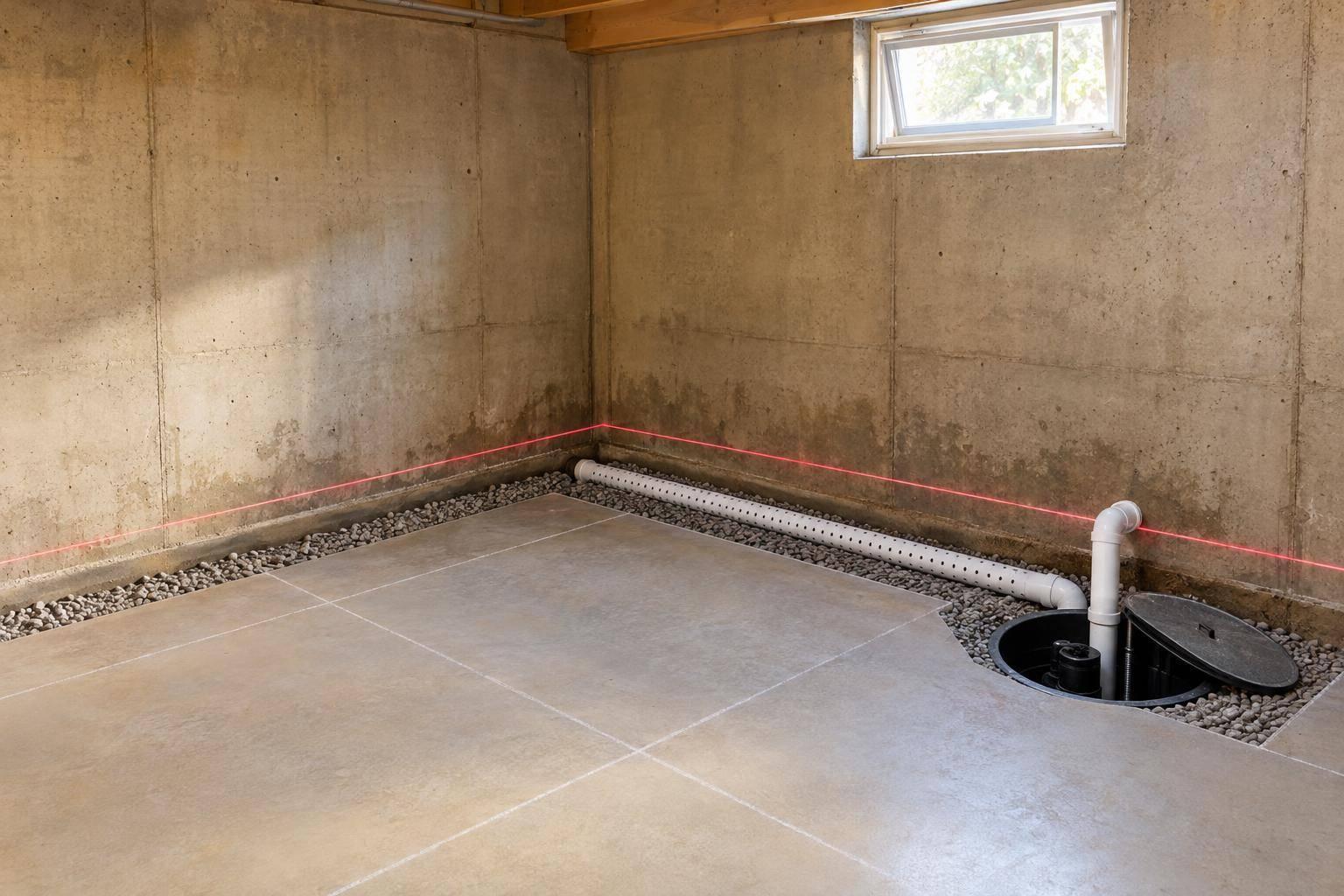
Basements are different from above-grade rooms because moisture can come through the slab, walls, or air. Even minor dampness may require better underlayment, added floor prep, or a more suitable material. If the space has active moisture issues, costs can rise quickly because some products may fail without corrective work. That’s why the calculator adds moisture-related adjustments and shows a warning when conditions suggest a higher risk.
Does the estimate include everything I might pay for?
It covers the major cost drivers homeowners usually compare: flooring material, installation, moisture-related adjustments, underlayment or subfloor systems, demolition, layout complexity, trim replacement, regional pricing, and optional tax. Still, real quotes can change based on slab cracks, leveling issues, furniture moving, stairs, transitions, or water intrusion repairs. Use the result as a planning range, then confirm details with a local flooring contractor.