Estimate Your Pool Deck Resurfacing Budget
A Pool Deck Coating Cost Calculator gives homeowners a practical way to budget for a surface refresh before requesting quotes. Whether you’re looking at a simple stain and sealer, an acrylic coating, Kool deck repair, or a spray texture finish, pricing can change quickly based on the deck’s condition and the upgrades you choose.
What affects the final cost?
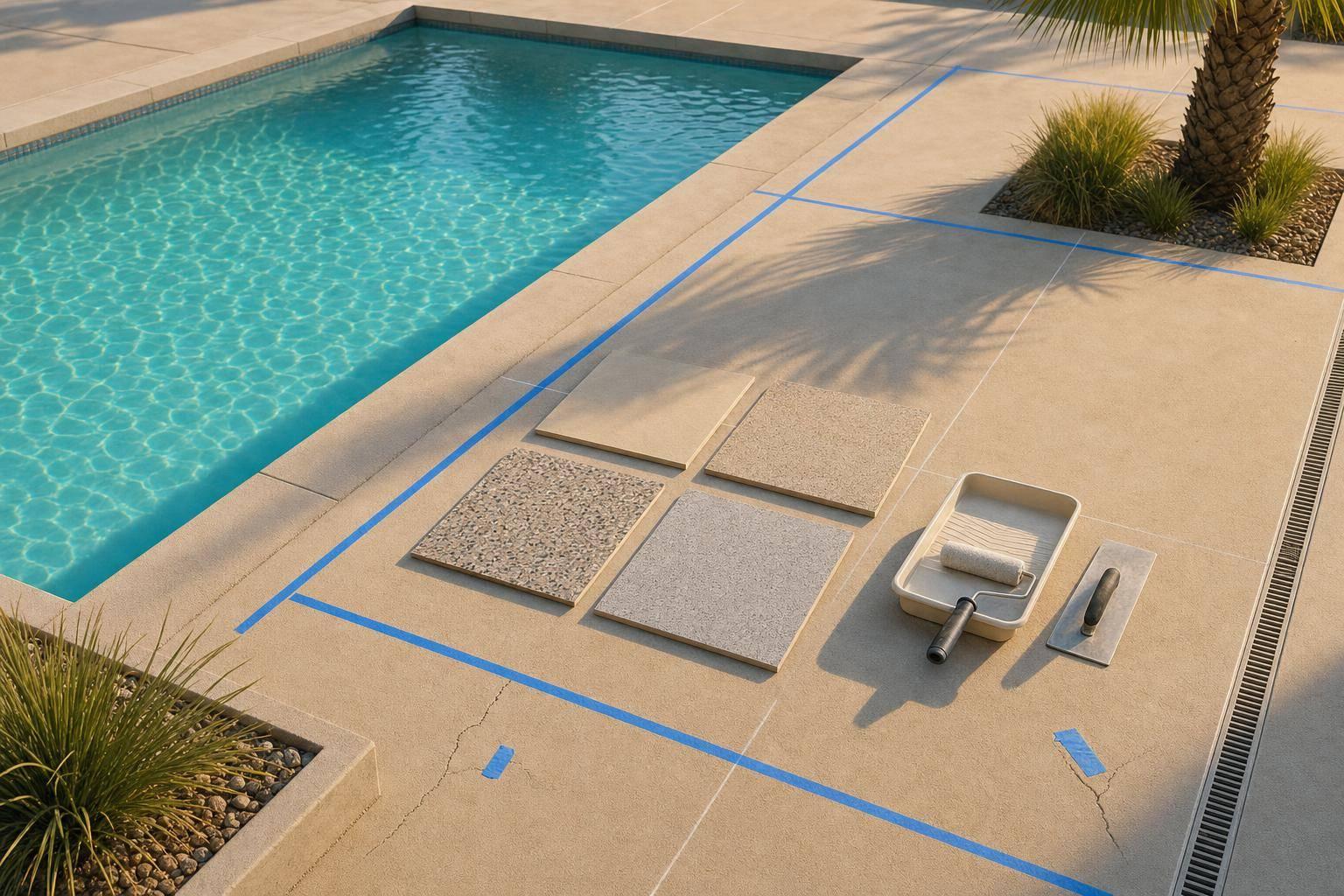
The biggest factor is usually square footage, but it’s not the only one. Crack repairs, spalling, old coating removal, added slip resistance, decorative finishes, and heat-reducing coatings all move the price. Decks with curves, custom edges, or drainage problems often cost more because they require extra labor and prep.
Why this calculator is useful
A good pool deck resurfacing cost estimate helps you compare options without guessing. You can see how a basic finish stacks up against a multi-color or patterned design, and whether repair work changes the budget enough to shift your plan. This Pool Deck Coating Cost Calculator is especially helpful if you want a realistic range rather than a single number that leaves out important details.
Keep in mind that access, layout, and hidden substrate issues may still affect contractor pricing once the deck is inspected in person.
FAQs
What’s the difference between Kool deck resurfacing and a standard acrylic deck coating?
Kool deck resurfacing is usually chosen when a pool deck needs a cooler, textured surface restored or repaired, especially on older decks that already have that type of finish. A standard acrylic deck coating is a broader category and can be a good fit for refreshing appearance, improving traction, and protecting the concrete. The right choice depends on the condition of your deck, the look you want, and whether heat reduction is a priority.
Why does pool shape complexity affect the estimate?
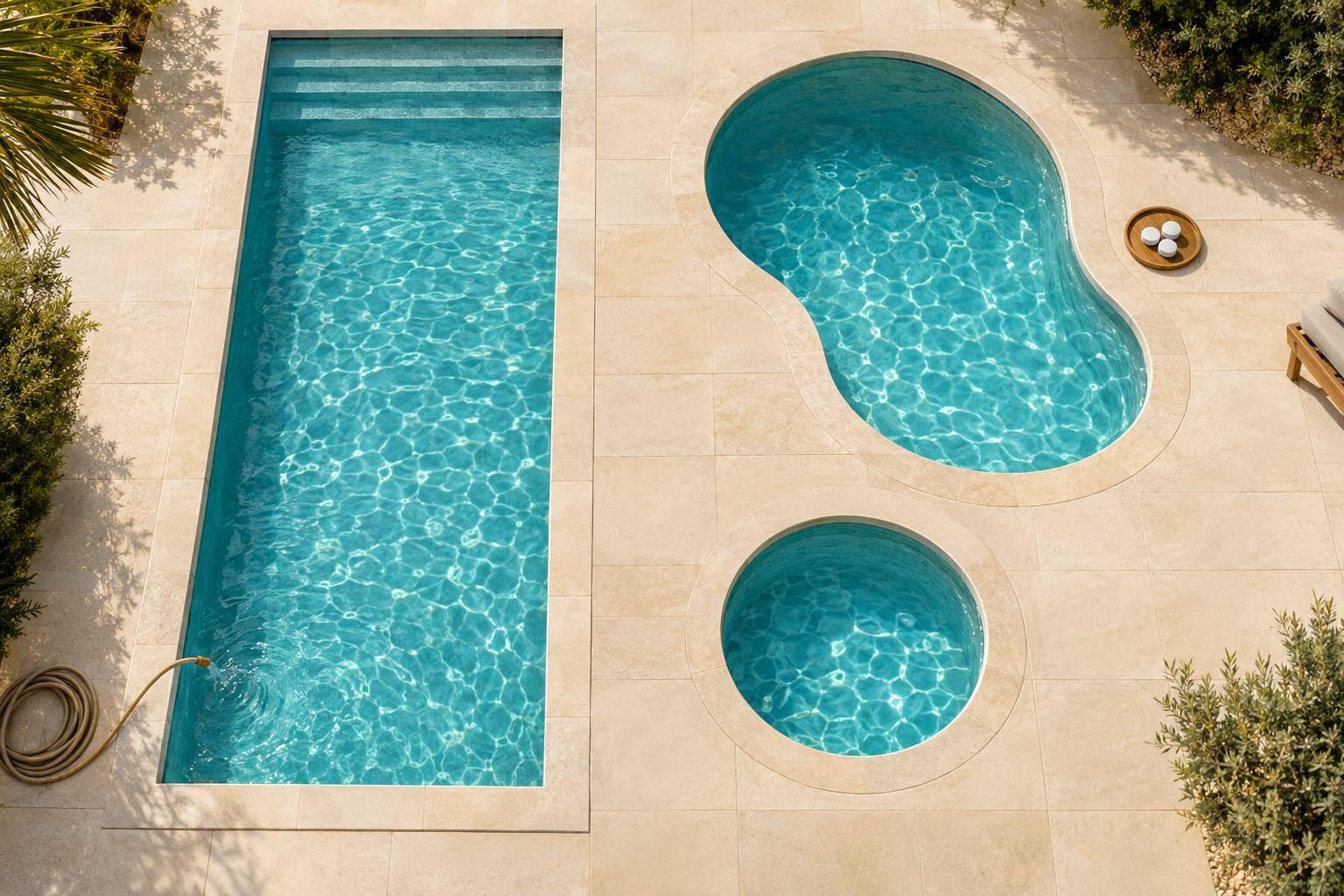
Straightforward decks are faster and easier to prep and coat. Once you add curved edges, tight cut-ins, custom borders, or unusual transitions around the pool, the labor goes up because there’s more detail work, more masking, and more time spent applying material cleanly. That’s why complex layouts often carry a flat adjustment instead of only a per-square-foot increase.
Should I be concerned if the calculator shows higher costs for repairs or drainage corrections?
Usually, yes—that’s worth paying attention to. Visible cracking, spalling, or drainage issues can shorten the life of a new coating if they aren’t addressed first. A fresh finish can improve appearance, but it won’t solve underlying movement, pooling water, or surface failure on its own. If you select significant repairs or major drainage corrections, think of the estimate as a sign that the deck may need more than cosmetic work before resurfacing.