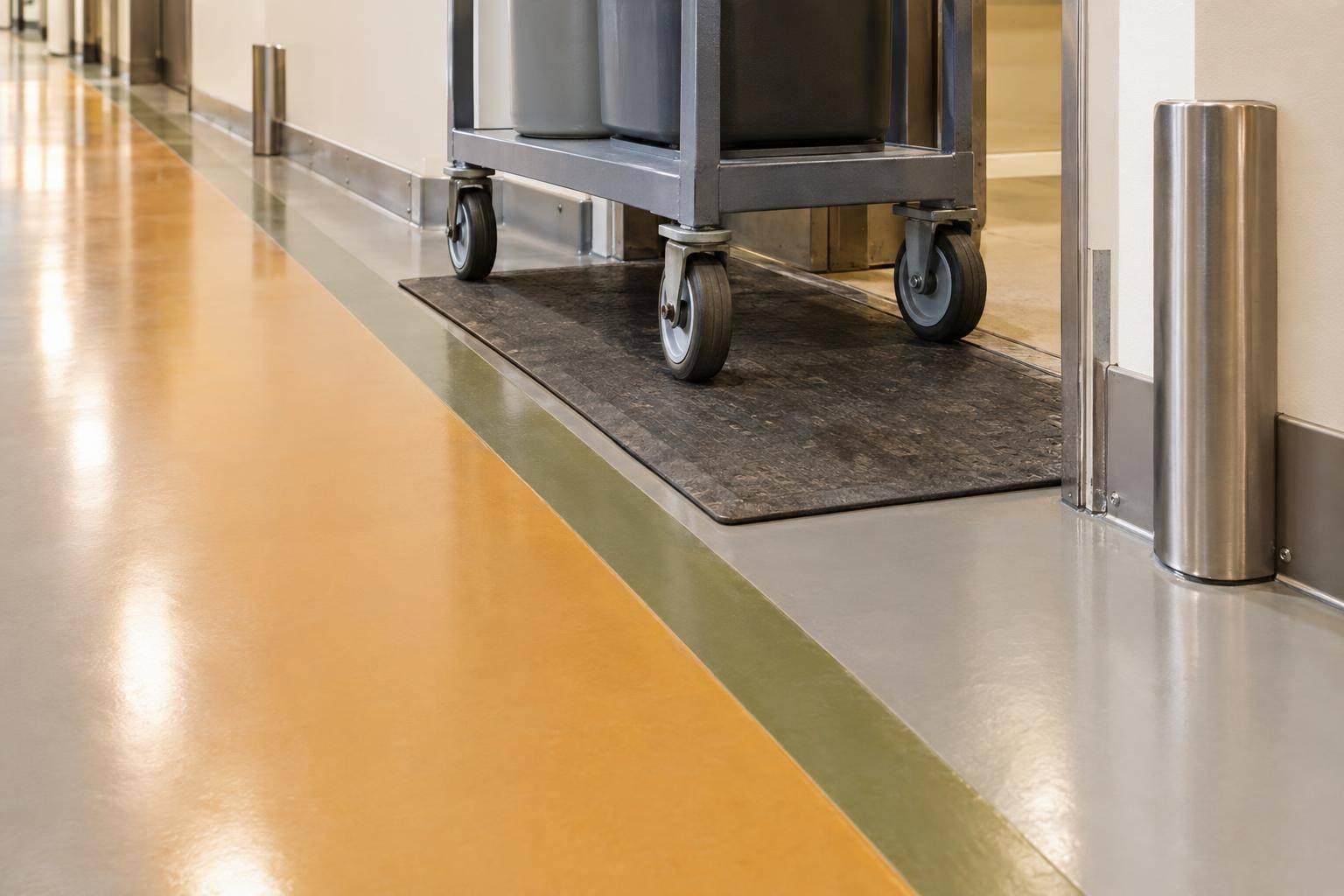
Once you have your measurements, you can explore different floor coatings to protect and enhance your new surface.
Estimate Flooring the Smarter Way
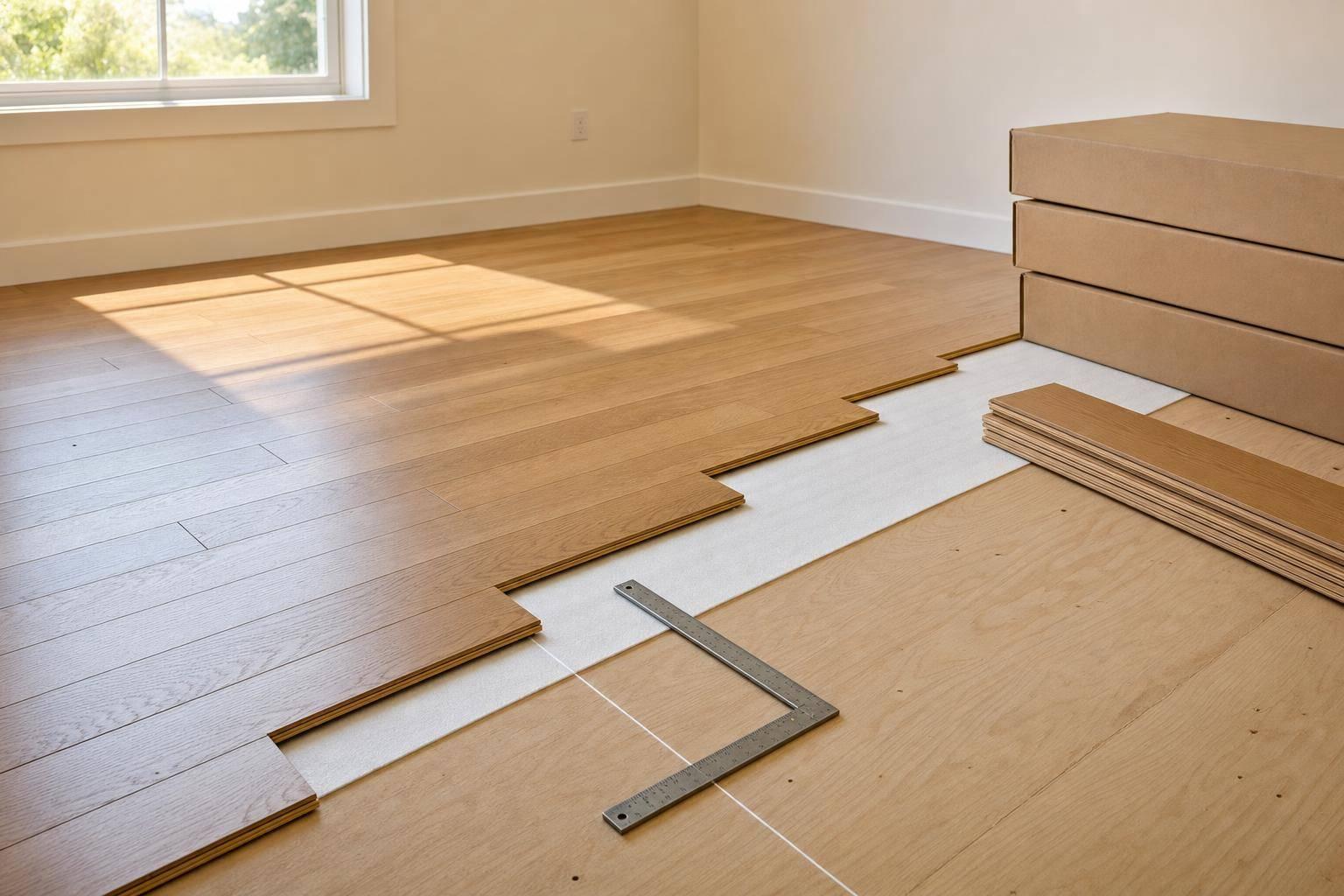
A good flooring calculator takes the guesswork out of planning a remodel or new installation. Instead of doing rough math on paper, you can quickly total one room or an entire project, convert measurements into square feet, and see how much material you’ll likely need after waste is added. That matters because flooring rarely installs with zero offcuts, especially around doorways, closets, cabinets, and irregular walls.
Why Waste Matters
A straight layout usually creates less scrap than a diagonal or herringbone pattern. The more cuts the installer has to make, the more material gets lost along the way. That’s why a reliable flooring waste calculator should account for layout style, not just room size. A little extra material can also help later if you need a repair or want matching boards or tiles on hand.
Plan Boxes and Budget with Confidence
Whether you’re pricing hardwood, laminate, tile, carpet, or vinyl plank, this tool helps you move from square footage to actual purchasing numbers. You can estimate by box coverage or use a per-square-foot rate for a quick budget check. If you want a practical flooring calculator for material planning, this gives you a clear room-by-room breakdown without overcomplicating the process.
FAQs
How much extra flooring should I buy for waste?
A good starting point depends on the layout pattern. Straight lay installations often work well with about 5% extra, while diagonal patterns usually need closer to 10%, and herringbone can land around 12% or more. Waste covers offcuts, trimming around walls, awkward corners, and mistakes during installation. If your room has lots of angles, tight spaces, or you want spare material for future repairs, it’s smart to keep a little extra on top of the default recommendation.
Does the calculator work for multiple rooms with different sizes?
Yes. You can enter rooms one by one, even if they have different dimensions, and the calculator will total everything for you. It also supports identical room counts, which is handy for projects like bedrooms, apartments, or office spaces with repeated layouts. That gives you a more realistic project total than estimating each area manually.
Should I estimate by box coverage or by square foot price?
Use box coverage if the flooring is sold in cartons, which is common for laminate, hardwood, vinyl plank, and engineered wood. The tool will divide your waste-adjusted total by the coverage per box and round up so you know how many full boxes to buy. If you’re comparing products priced by the square foot, that option is often faster and gives you a clean material cost estimate without needing packaging details.