Polyurea vs Epoxy Comparison Tool
Make a Smarter Coating Decision
Picking the right concrete coating isn’t just about price. A Polyurea vs Epoxy comparison tool helps you weigh the things that actually affect performance, like cure time, UV exposure, flexibility, and long-term wear. For a garage floor, basement, patio, or commercial space, the best choice depends on how the area is used and what conditions it faces.
What This Tool Helps You Compare
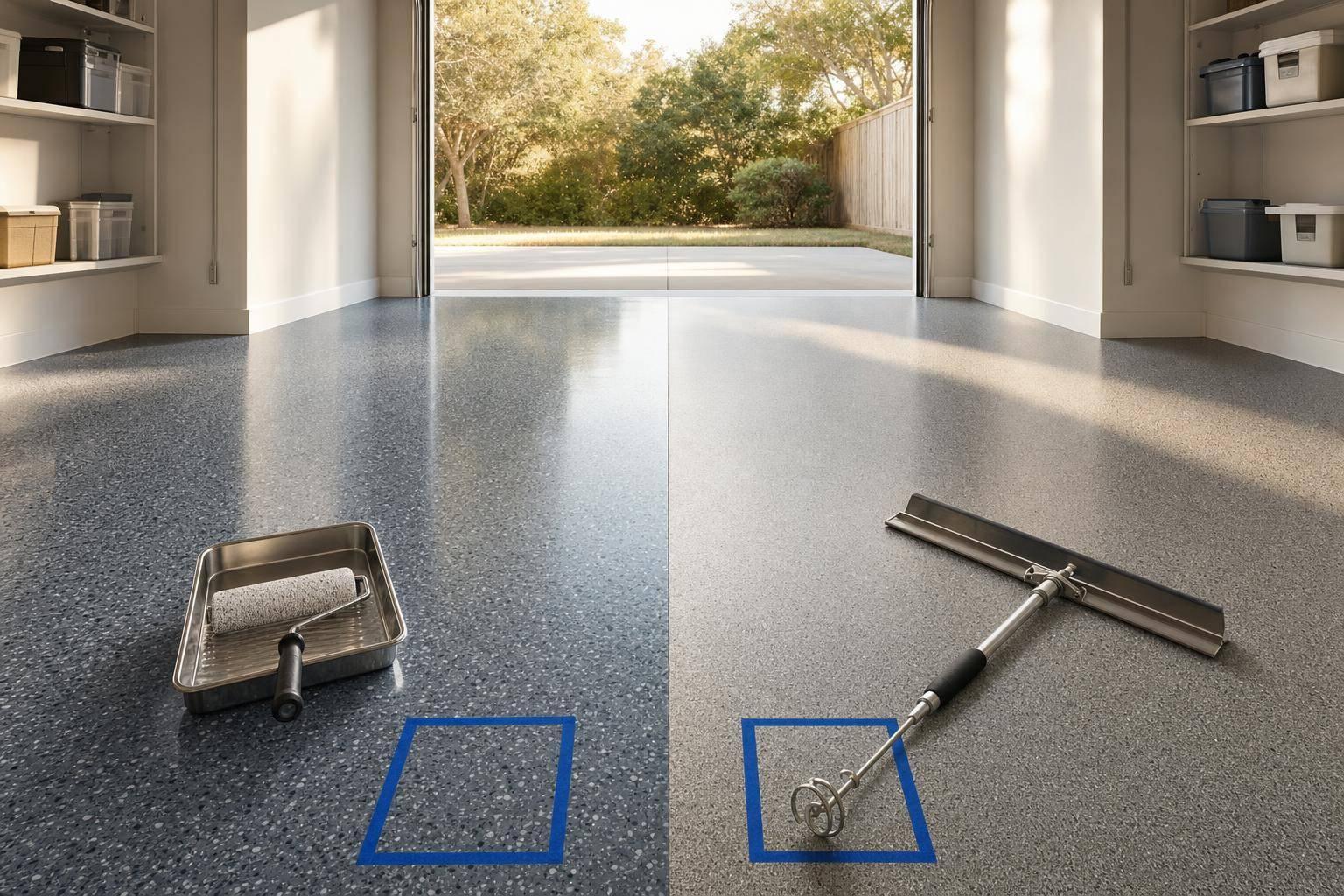
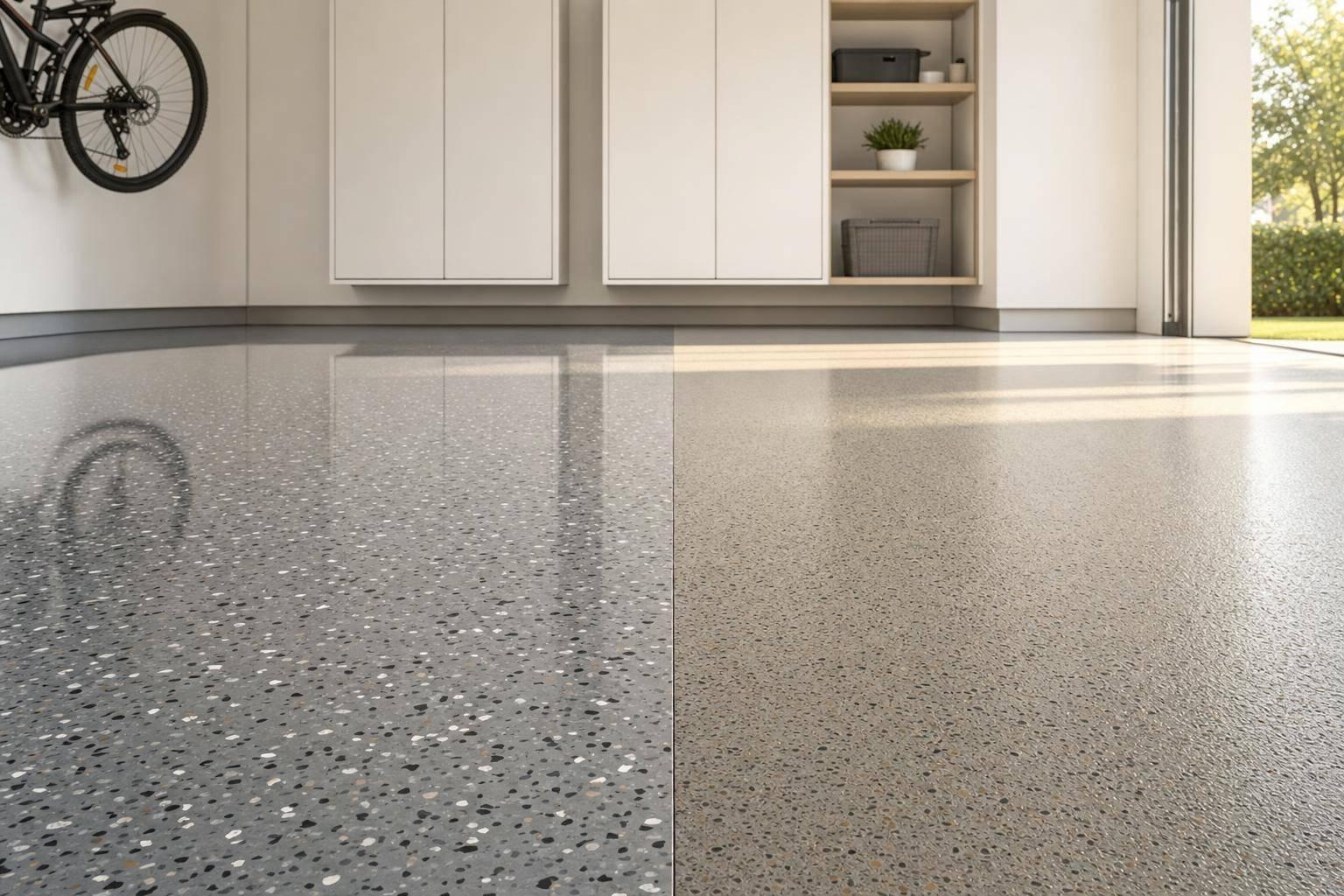
Polyurea is often preferred when you need fast installation, better sun resistance, and more flexibility in changing temperatures. Epoxy is usually the stronger value play for indoor decorative floors where budget matters more than same-day return to service. A good polyurea vs epoxy evaluation should also account for slab condition, climate, and whether moisture could become a problem.
Practical Guidance for Real Projects
This tool gives you a recommendation that feels more like advice from a coatings specialist than a generic chart. It compares key strengths, flags watch-outs, and explains the tradeoffs in plain English. If you’re trying to sort out polyurea vs epoxy for your specific project, this is a fast way to narrow the decision before you buy materials or hire an installer.
FAQs
When is polyurea usually the better choice than epoxy?
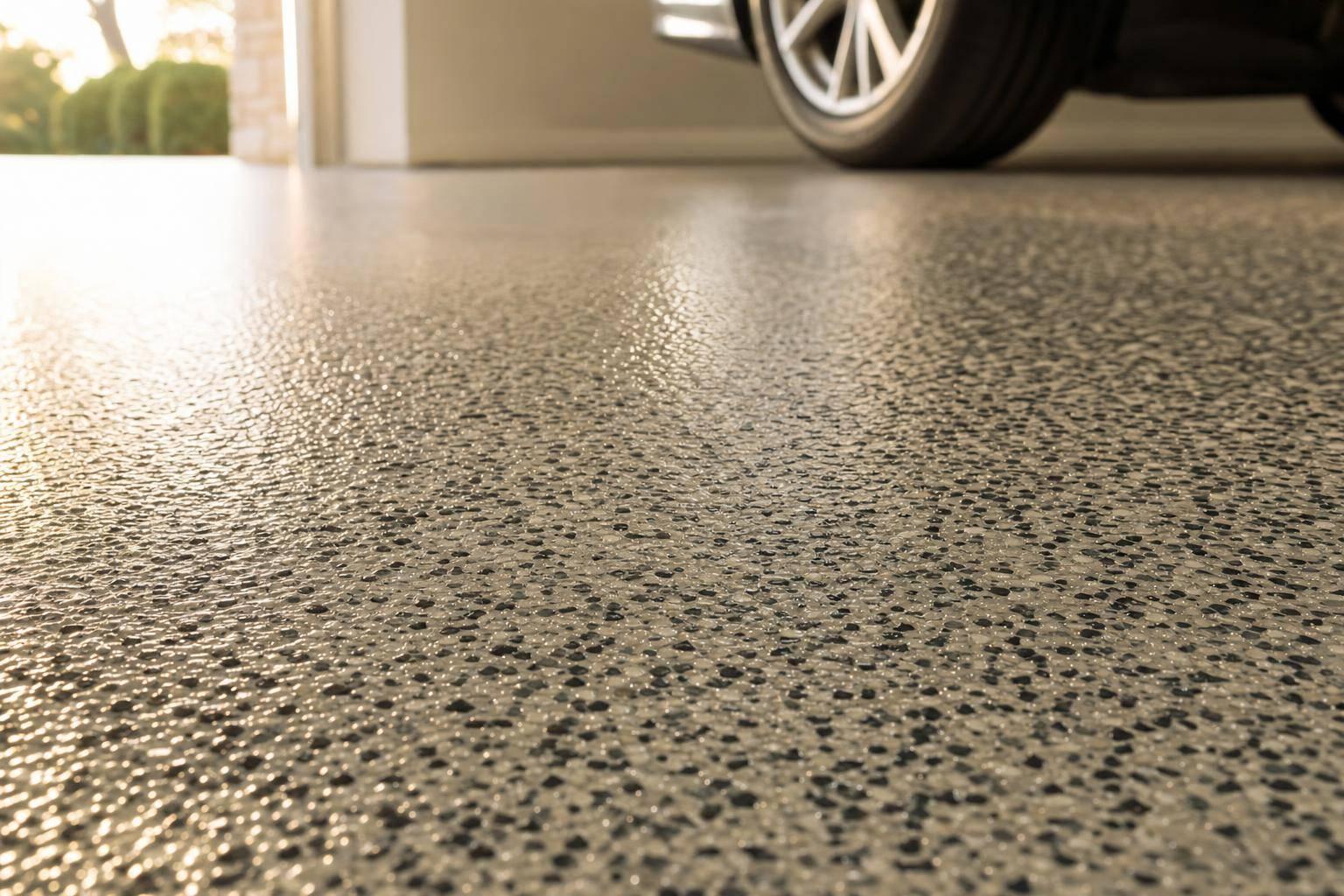
Polyurea is often the better fit when speed, weather resistance, and flexibility matter most. If you’re coating an outdoor area, dealing with strong sun, or want the floor back in service quickly, polyurea usually has the edge. It also tends to handle temperature swings and hot tire pickup better than many epoxy systems, which makes it a strong option for garages, patios, and climates with freeze-thaw cycles.
Is epoxy still a good choice for concrete floors?
Yes, absolutely. Epoxy is still a solid choice for many indoor projects, especially when cost matters and you want a clean, decorative finish. It bonds well to properly prepared concrete, offers good chemical resistance, and often comes in a wide range of colors and flake looks. If your timeline is flexible and the space won’t see heavy UV exposure, epoxy can be a very practical option.
What if my slab has moisture issues or minor damage?
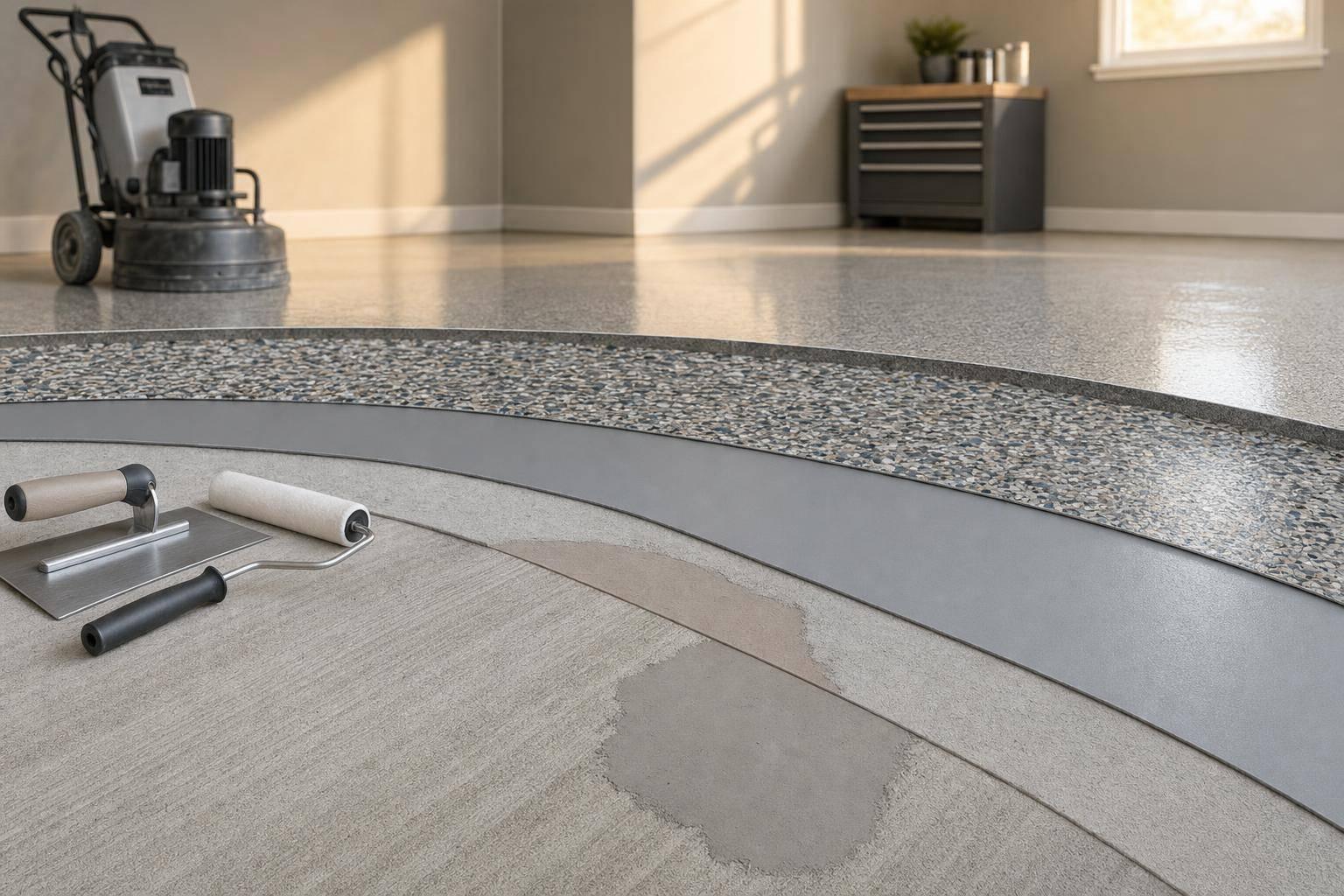
Moisture is one of the biggest things to check before choosing any coating system. If your slab has moisture concerns, both polyurea and epoxy may need moisture testing first, and sometimes a mitigation primer is required to avoid bonding problems later. Minor cracks or rough surfaces can often be repaired during prep, but surface condition still plays a big role in how well the final coating performs.