
Garage Floor Coating Thickness Estimator
Estimate the perfect garage floor coating thickness with our free tool. Input dimensions and conditions for accurate results in seconds!

Estimate the perfect garage floor coating thickness with our free tool. Input dimensions and conditions for accurate results in seconds!

Compare upfront and 20-year costs of epoxy vs premium polyaspartic coatings and learn how quality lowers maintenance and replacement expenses.

Guide to grinding concrete for coating: choose grinders and diamond pads, achieve CSP 2, control dust, follow safety, and clean.

Weekly cleaning, monthly hardware checks, seasonal moisture control, and annual deep cleaning to protect garage cabinets.
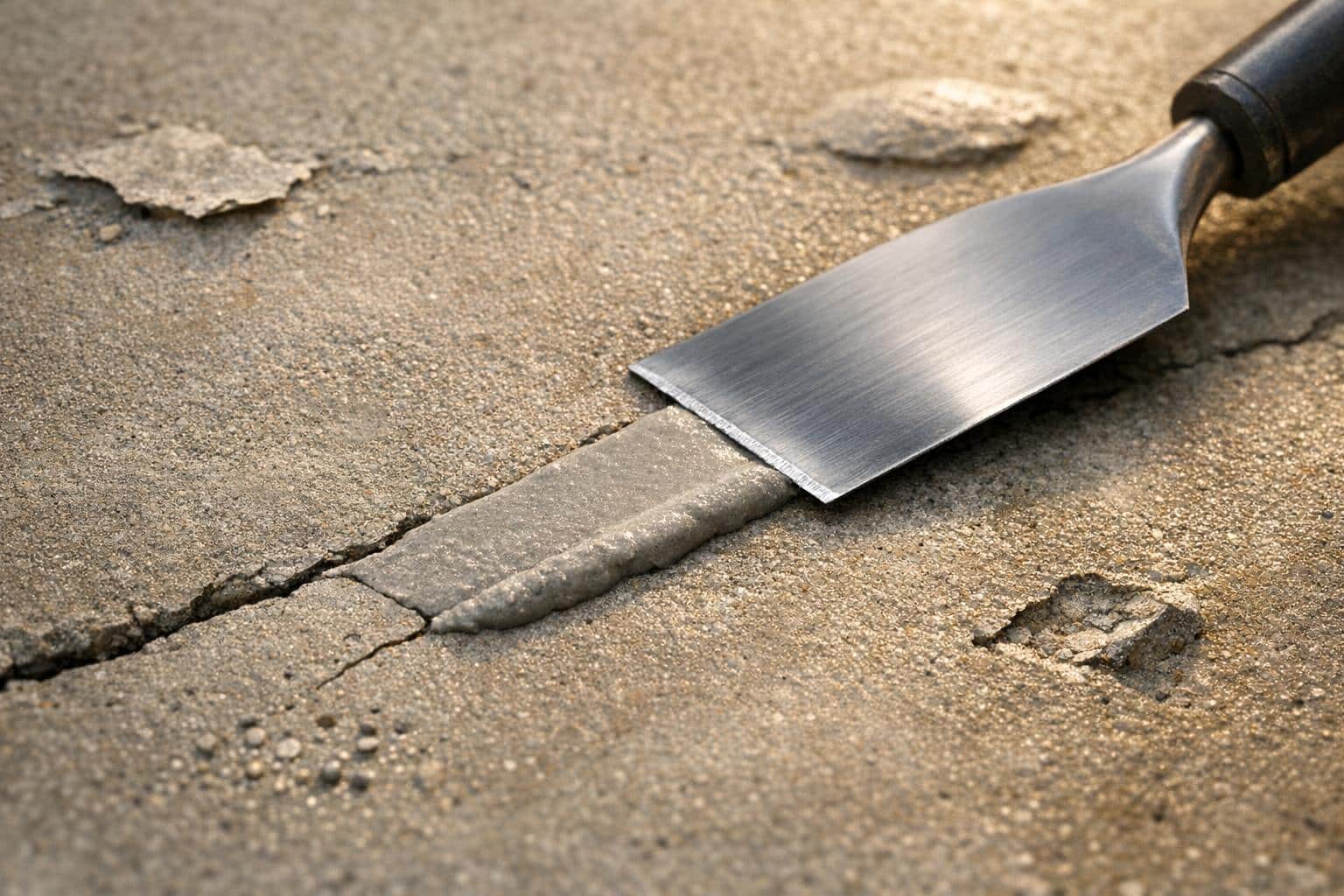
Identify and repair cracks, scaling, spalling, delamination, and pitting to protect concrete surfaces from costly damage.
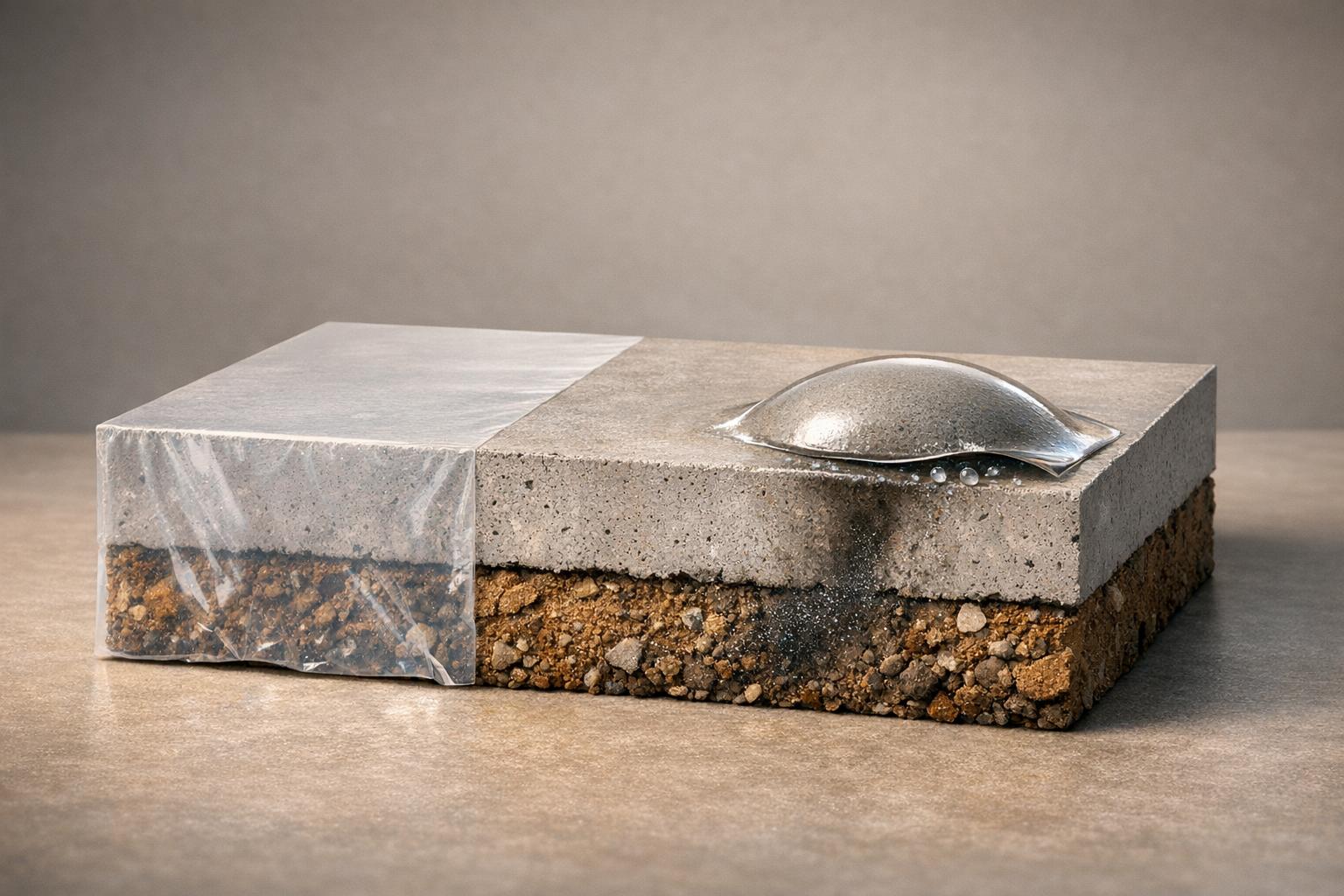
Hydrostatic pressure forces moisture through concrete, causing blistering and delamination; test and use vapor barriers to prevent failures.
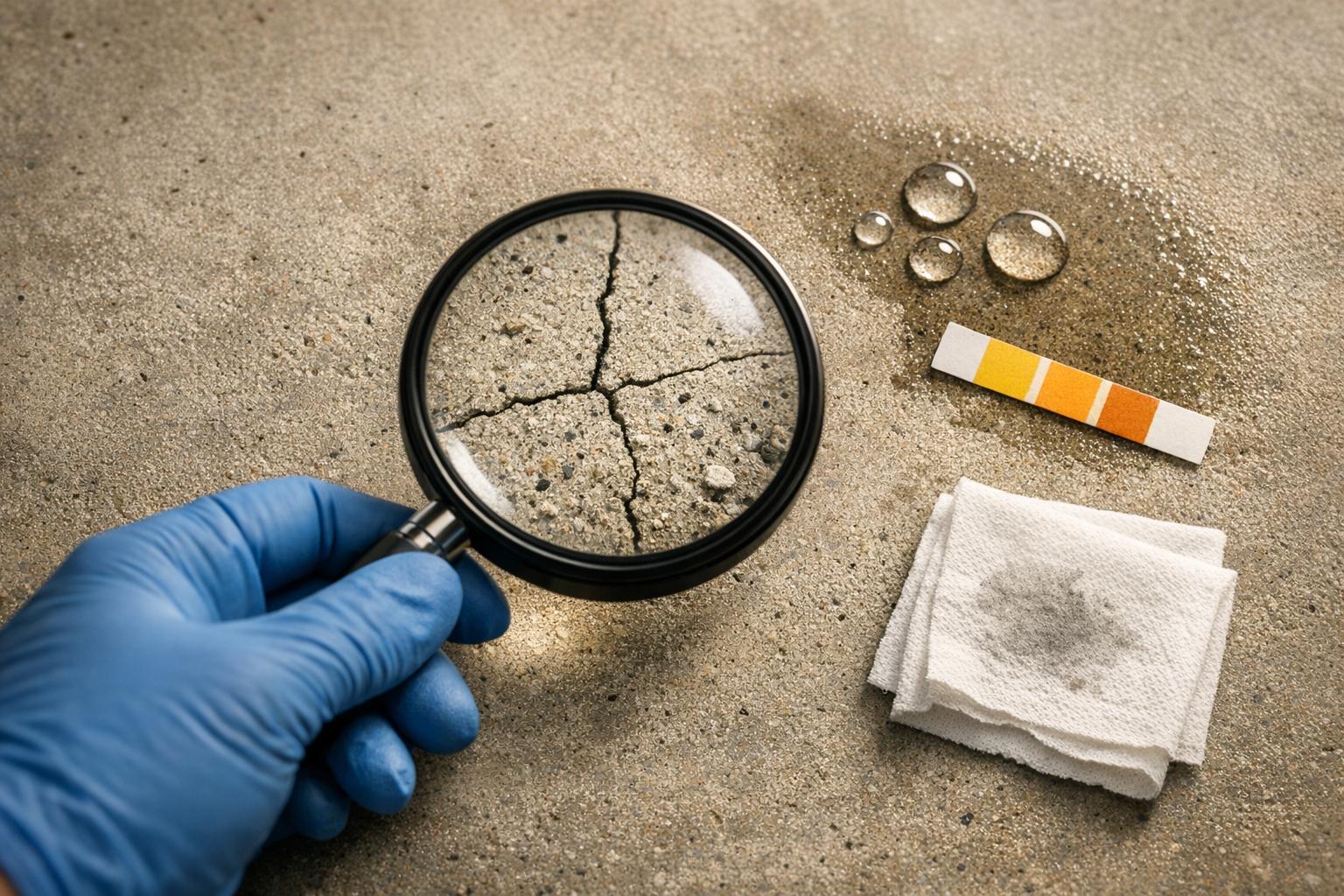
Thorough concrete inspection — detect cracks, moisture, contaminants, pH, and surface profile to prevent coating failures.
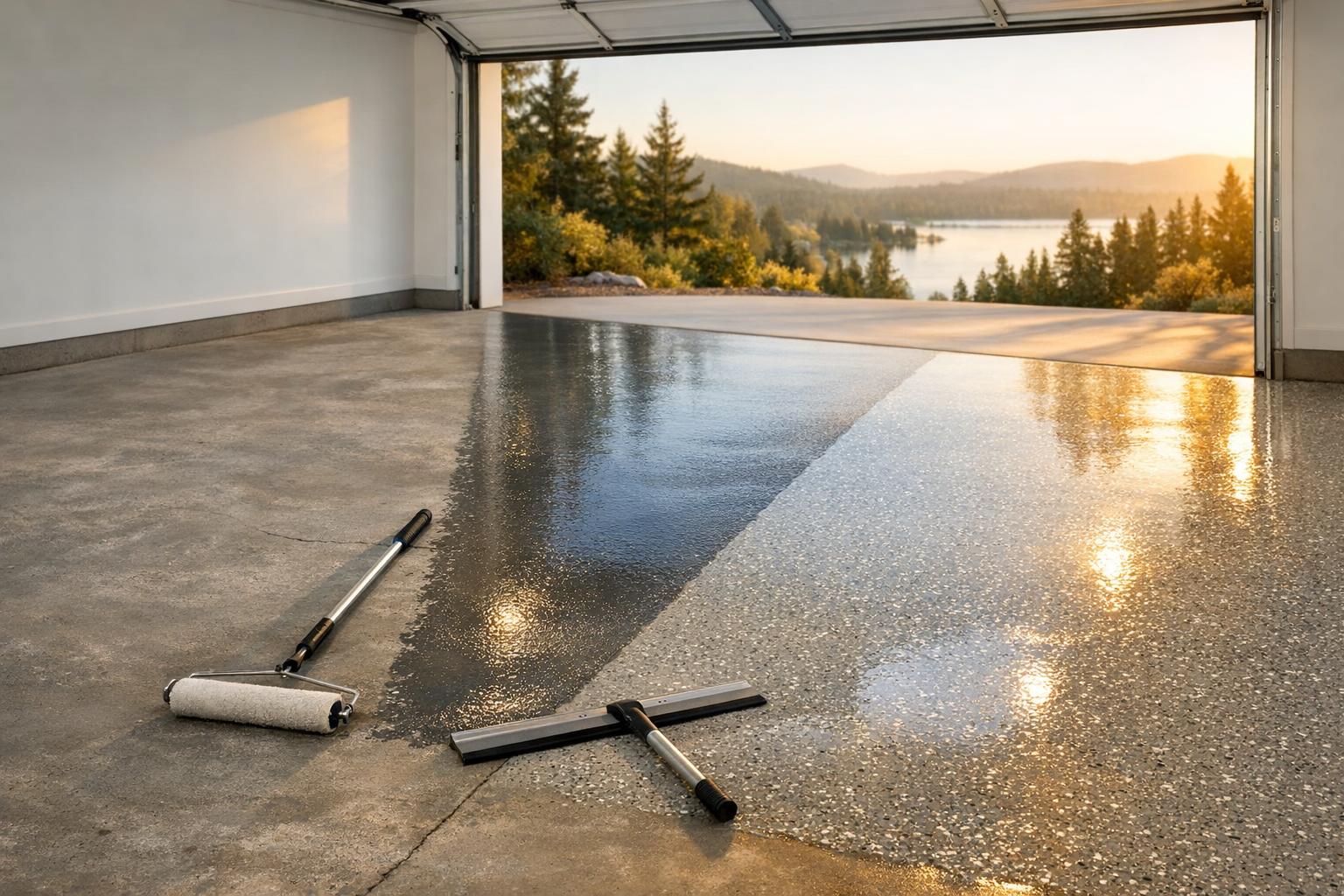
One-day polyurea and polyaspartic floor systems deliver decades-long durability, UV stability, and fast installation with minimal downtime.
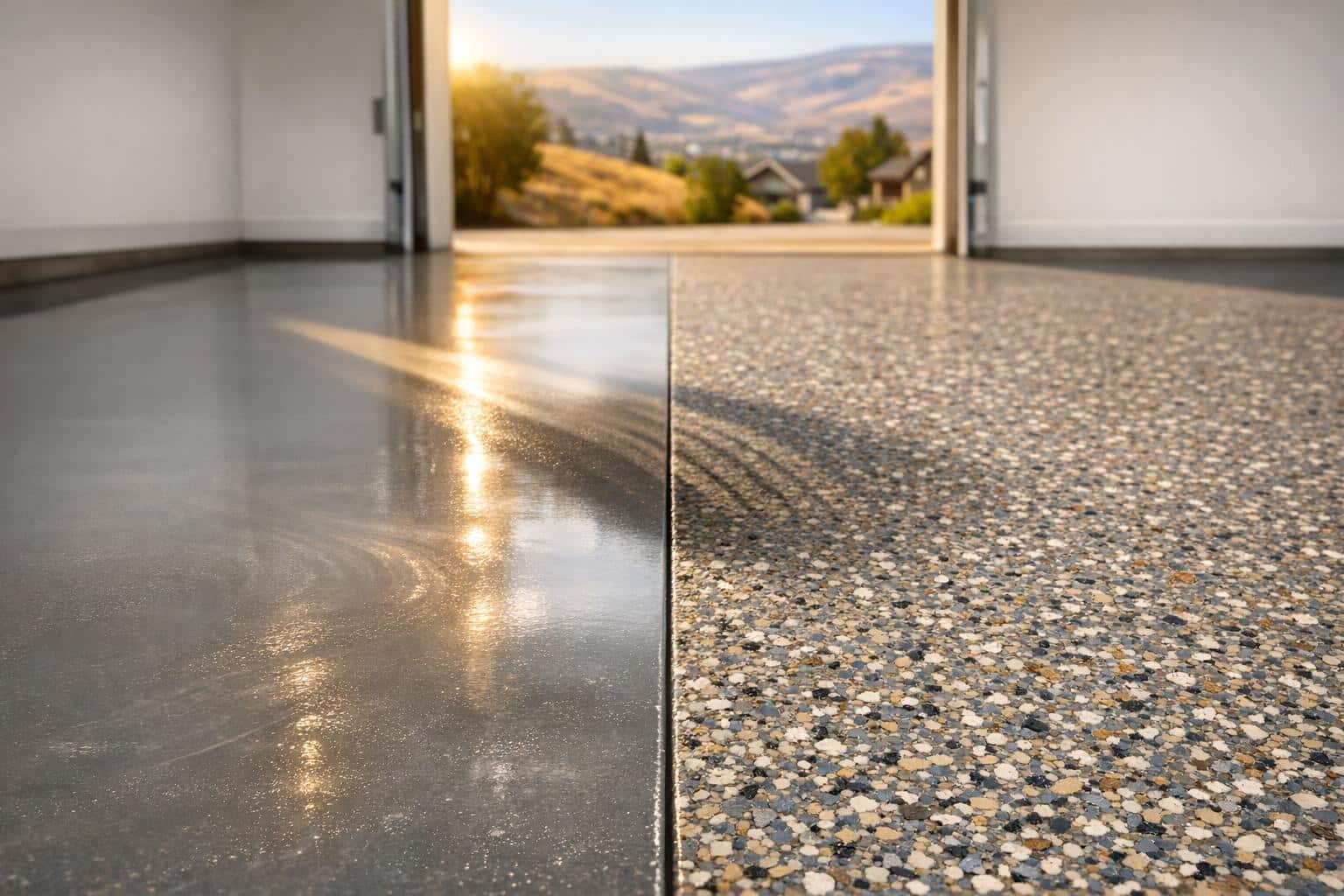
Compare epoxy vs. Penntek Evolution garage coatings in Lewiston—costs, lifespan, weather and UV resistance, plus installation time.
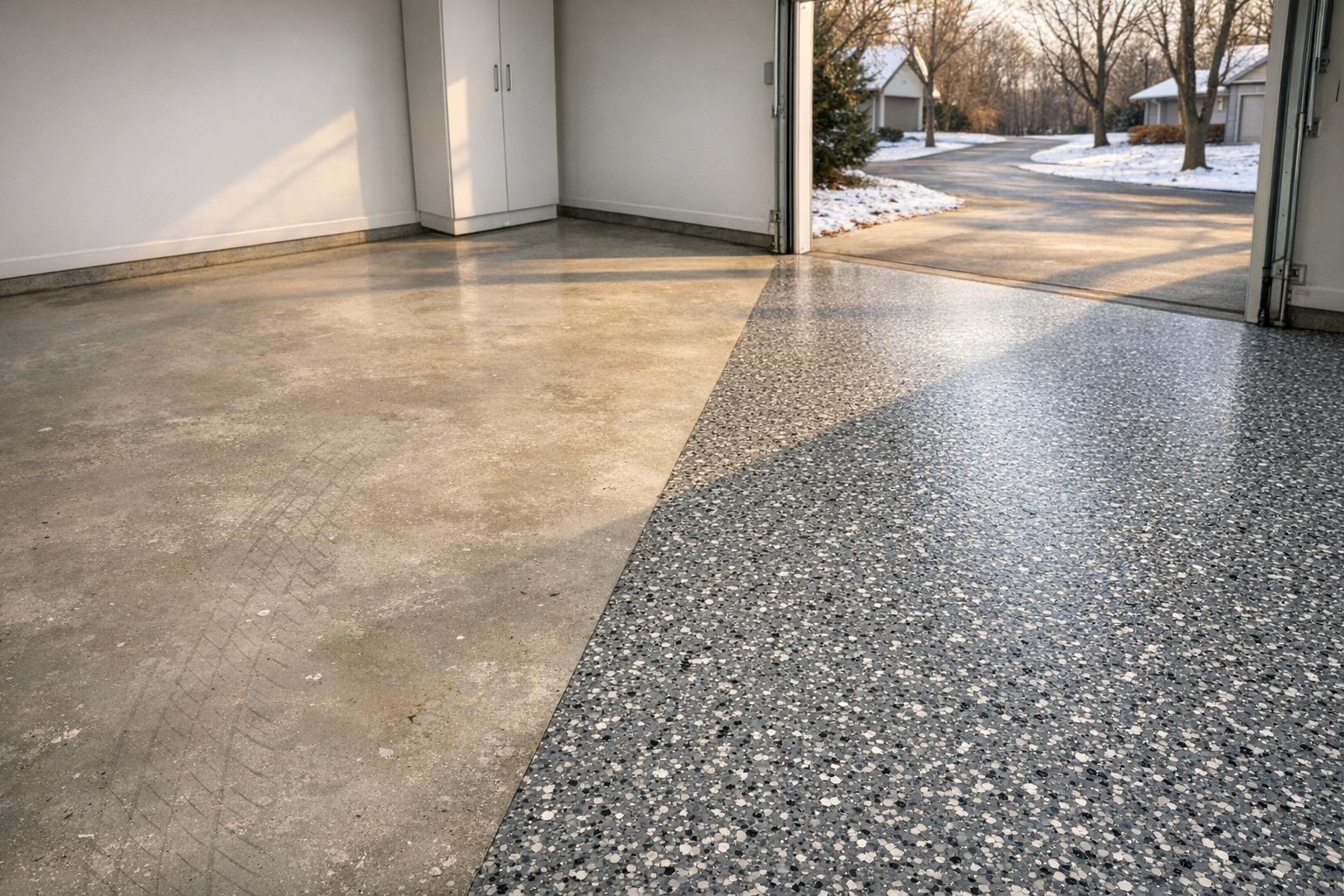
See why polyurea outperforms epoxy for Clarkston garages: faster cure, UV and freeze resistance, and lasting 7–12 years.

The Next Evolution In Concrete Coatings
Professionally installed concrete coatings in just one day with a Lifetime Warranty!
Exclusive certified installer for Penntek coatings in North Idaho, Eastern Washington.
1333 Tapteal Drive #116
Richland WA 99352