Epoxy vs Polyurea Garage Floor Cost Comparison
If you’re planning a garage floor upgrade, price is usually the first thing you want to pin down. An Epoxy vs Polyurea Cost Calculator helps you compare two of the most common concrete coating systems without guessing at labor, material, or prep costs. That matters because the cheapest coating on paper isn’t always the lowest total installed price once surface preparation, extra coats, and optional upgrades are added.
What Affects Garage Floor Coating Cost?
Most projects come down to a few key variables: square footage, slab condition, number of coats, and whether you want extras like decorative flakes, a protective topcoat, or a moisture barrier. Epoxy often comes in at a lower upfront price, while polyurea usually costs more but may offer faster return-to-service, better flexibility, and strong long-term durability.
Why Compare Both Systems Side by Side?
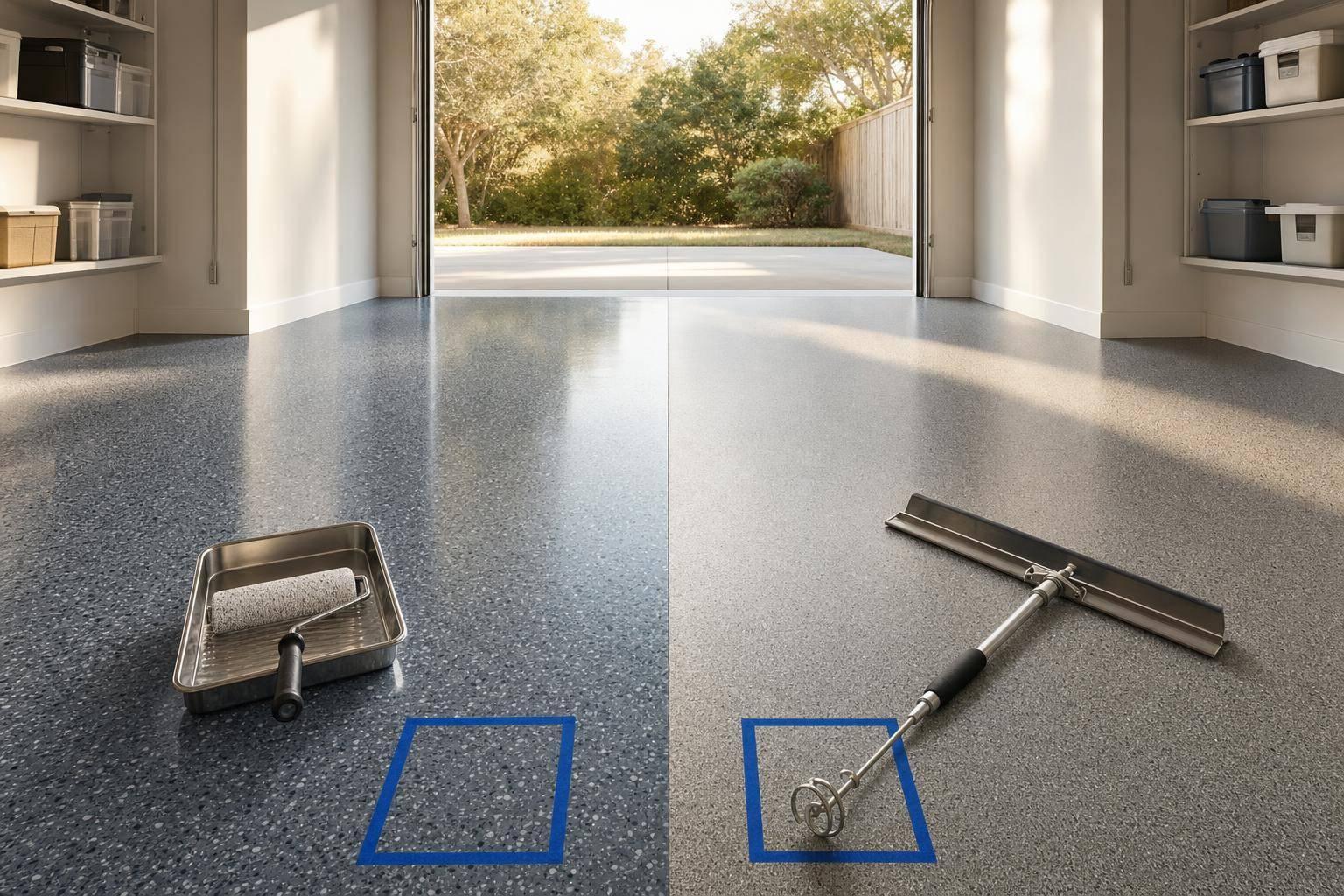
A side-by-side garage floor coating estimate makes it easier to weigh value, not just price. This Epoxy vs Polyurea Cost Calculator separates material, labor, prep, and add-on costs for each system so you can see where the difference really comes from. If you already have local quotes, custom pricing lets you replace national averages and build a more realistic project estimate.
FAQs
Why does polyurea usually cost more than epoxy?
Polyurea is typically priced higher because the material itself costs more, and installation often involves faster working times, tighter application windows, and a bit more complexity for the crew. That higher upfront cost can reflect performance benefits such as faster cure speed, better flexibility, and stronger resistance to temperature swings. Epoxy is often the more budget-friendly option at the start, which is why many homeowners compare both before deciding.
How much does surface prep affect the total cost?
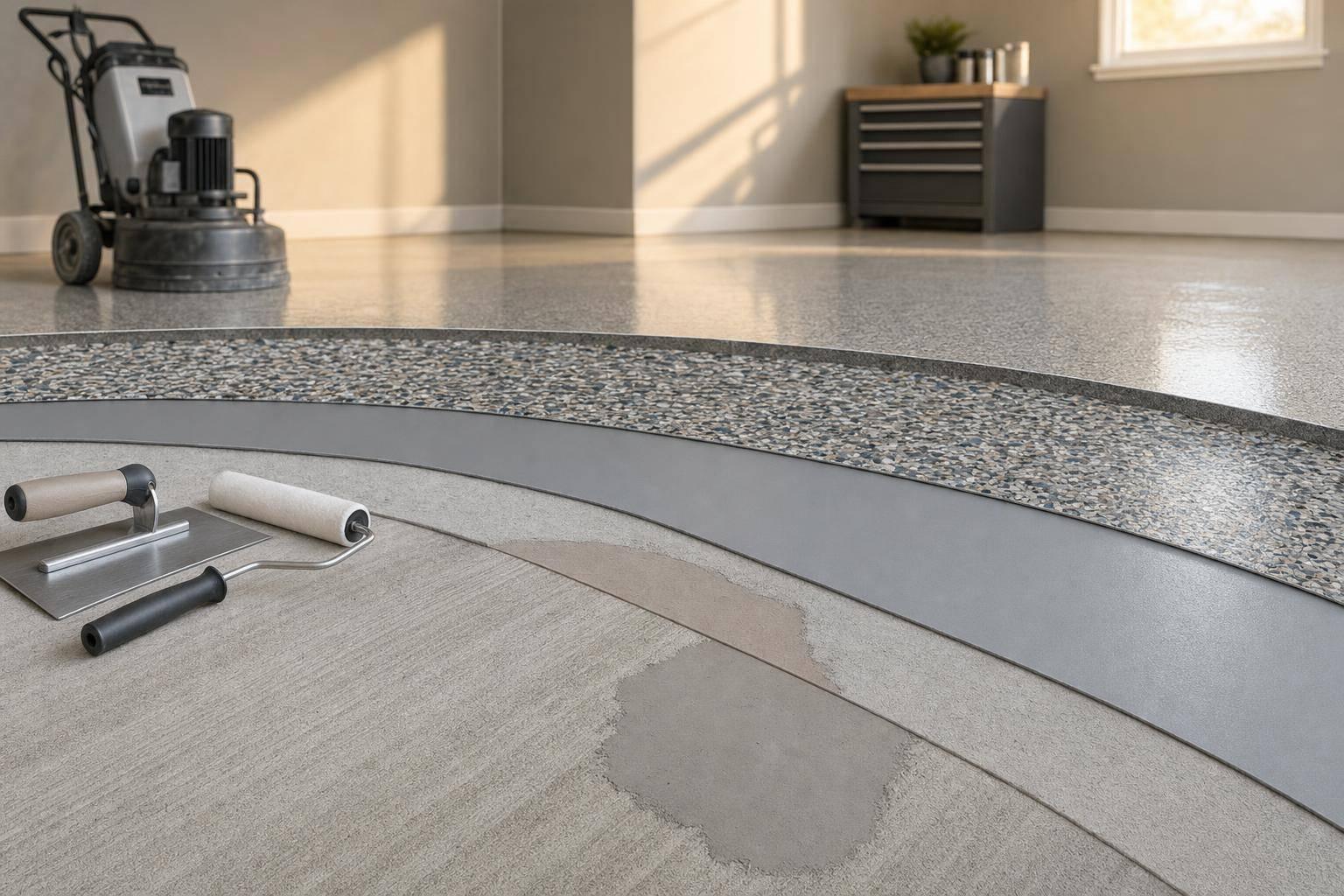
Surface prep can make a noticeable difference, and in some cases it shifts the project budget more than people expect. Light prep may cover basic cleaning and minor profiling, while standard or extensive prep can include grinding, crack repair, coating removal, or moisture-related work. If the slab is in rough shape, prep costs can add up quickly, so including that step in the estimate gives you a more realistic number.
Should I use default pricing or custom rates?
Default pricing is useful when you want a fast ballpark estimate based on common national averages. Custom rates are better if you already have local labor quotes, supplier pricing, or known costs for prep and add-ons in your area. Using custom inputs makes the calculator much more practical for real project planning, especially since garage floor coating prices can vary quite a bit by region, installer, and slab condition.