
5 Steps To Remove Efflorescence From Concrete
Learn five practical steps to remove efflorescence from concrete: pre-soak, dry brushing, acid treatment, neutralizing rinse, and sealing to prevent recurrence.
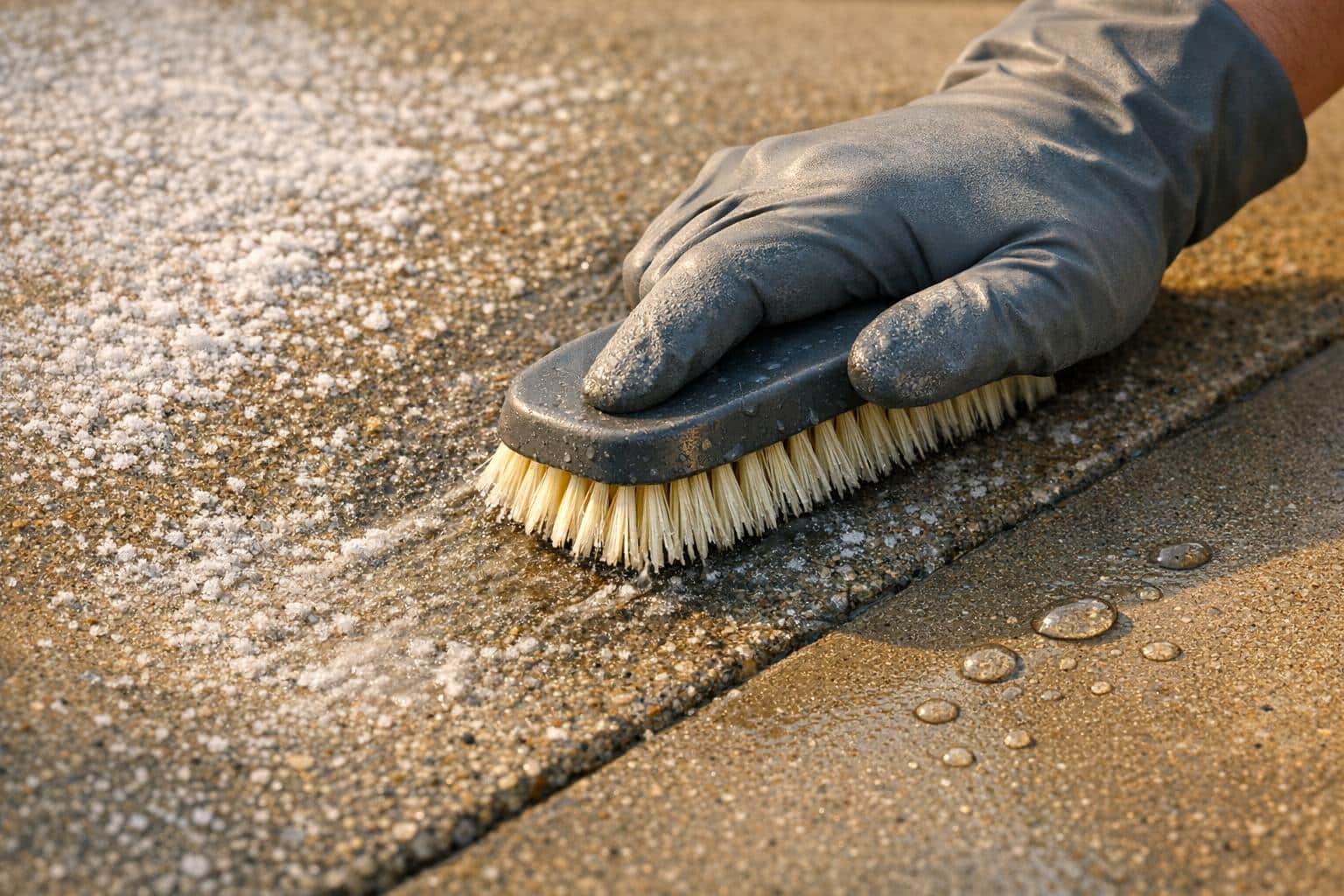
Learn five practical steps to remove efflorescence from concrete: pre-soak, dry brushing, acid treatment, neutralizing rinse, and sealing to prevent recurrence.
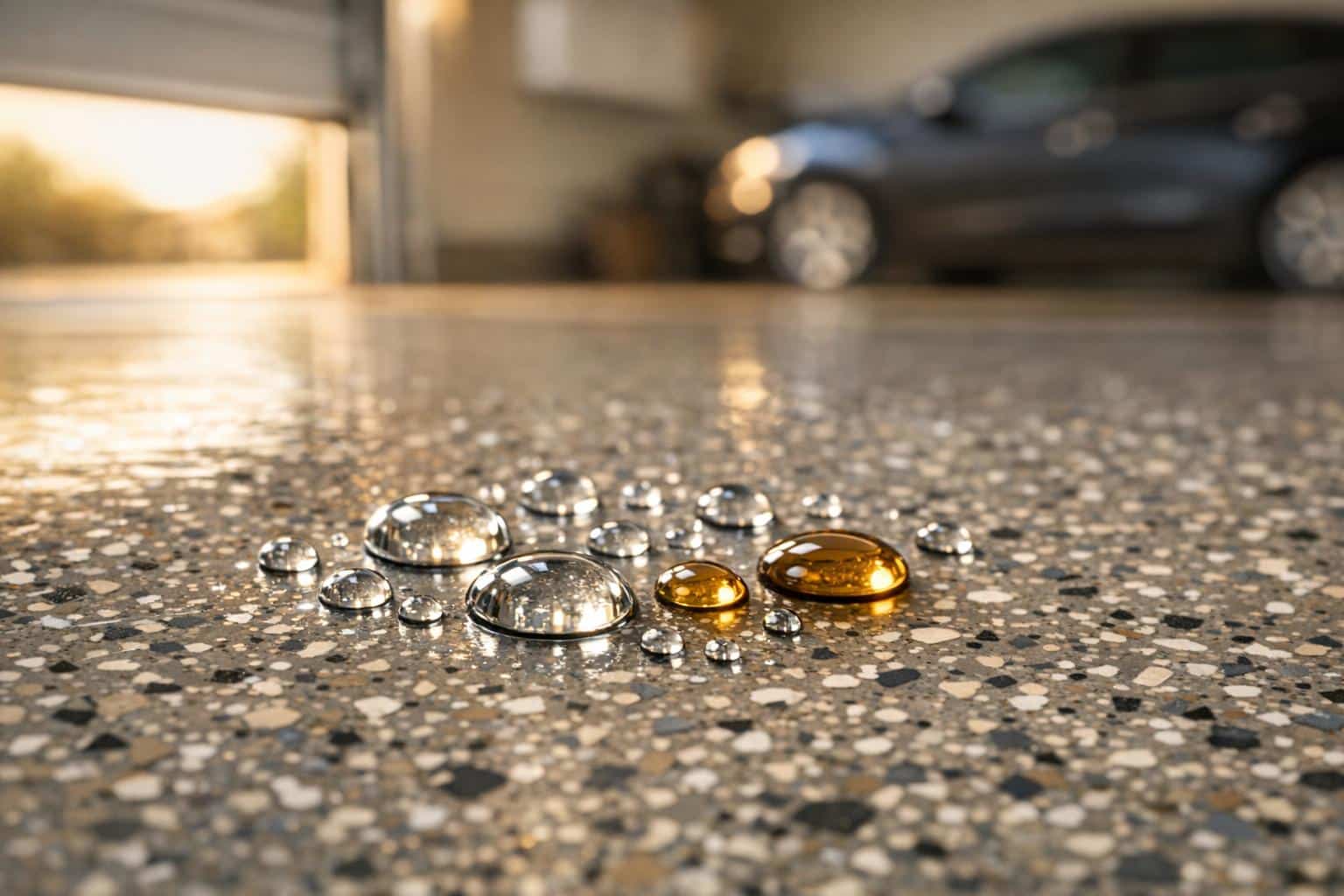
Polyurea garage floor coatings provide 15–25+ years of UV- and chemical-resistant protection, quick 24-hour cure, and low maintenance when professionally installed.
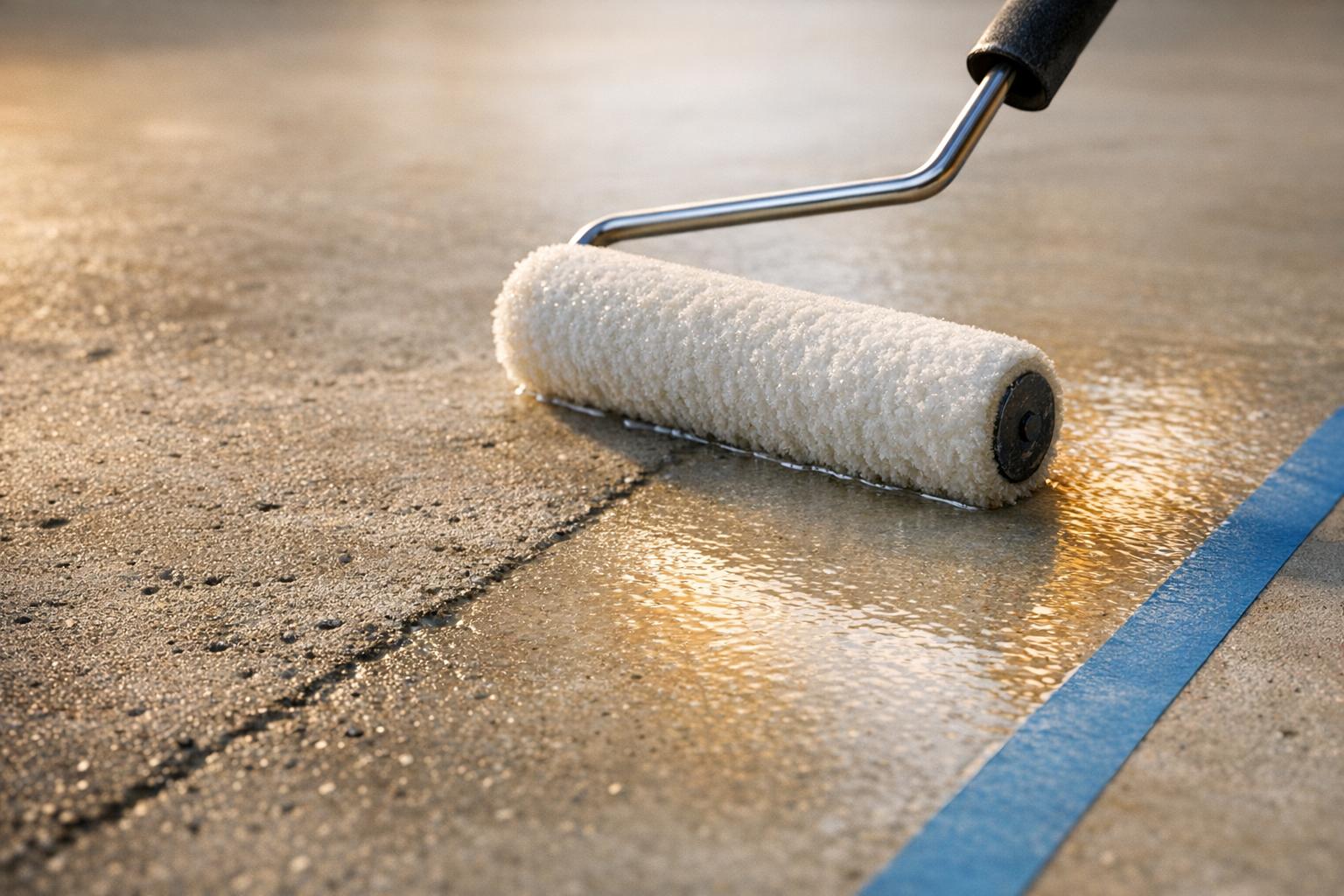
Essential concrete priming tips: how to prepare, prime, and cure surfaces to improve adhesion, stop moisture problems, and extend coating life.
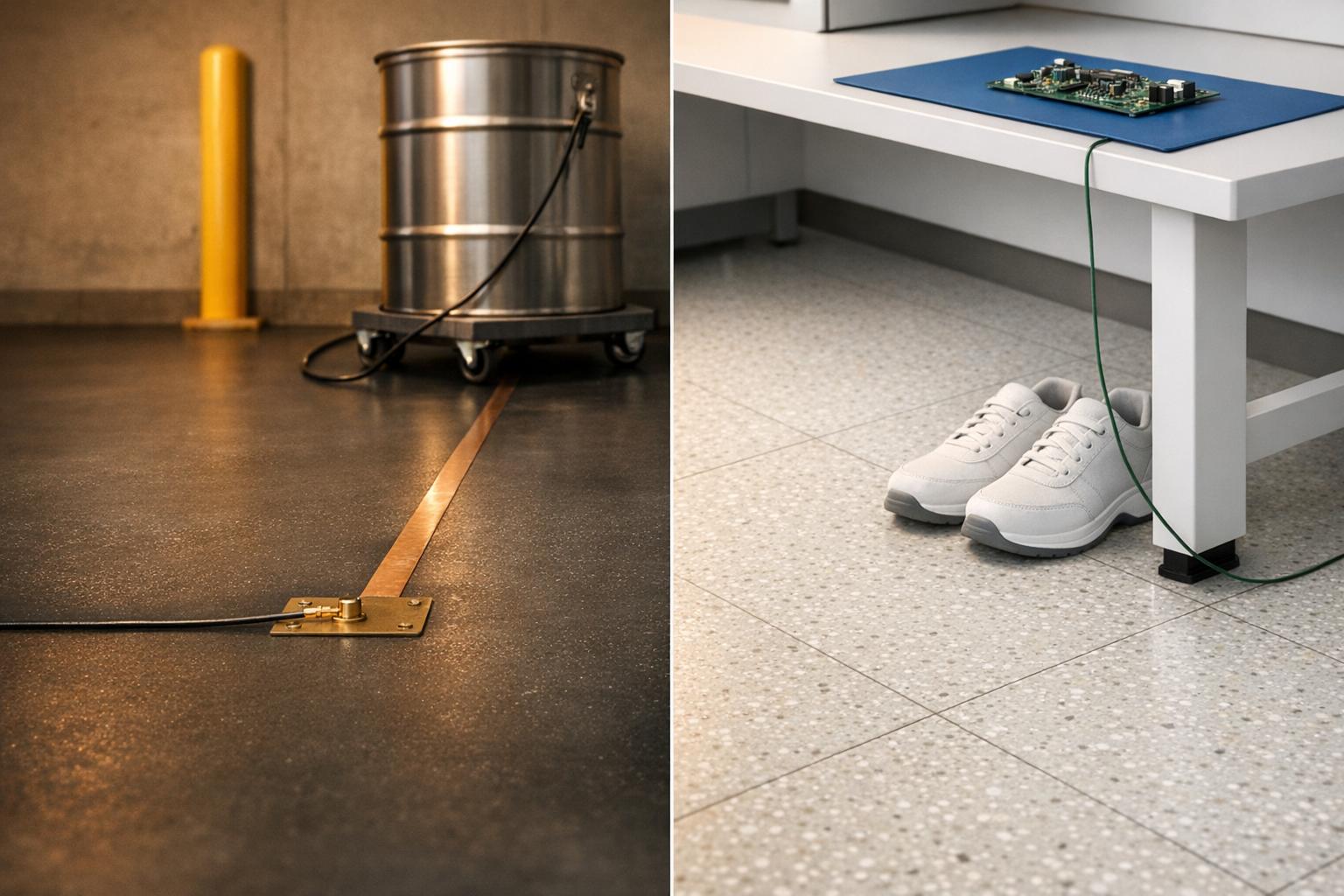
Conductive flooring is for explosion-prone sites; static dissipative flooring protects electronics while prioritizing personnel safety.
Conductive flooring is for explosion-prone sites; static dissipative flooring protects electronics while prioritizing personnel safety.
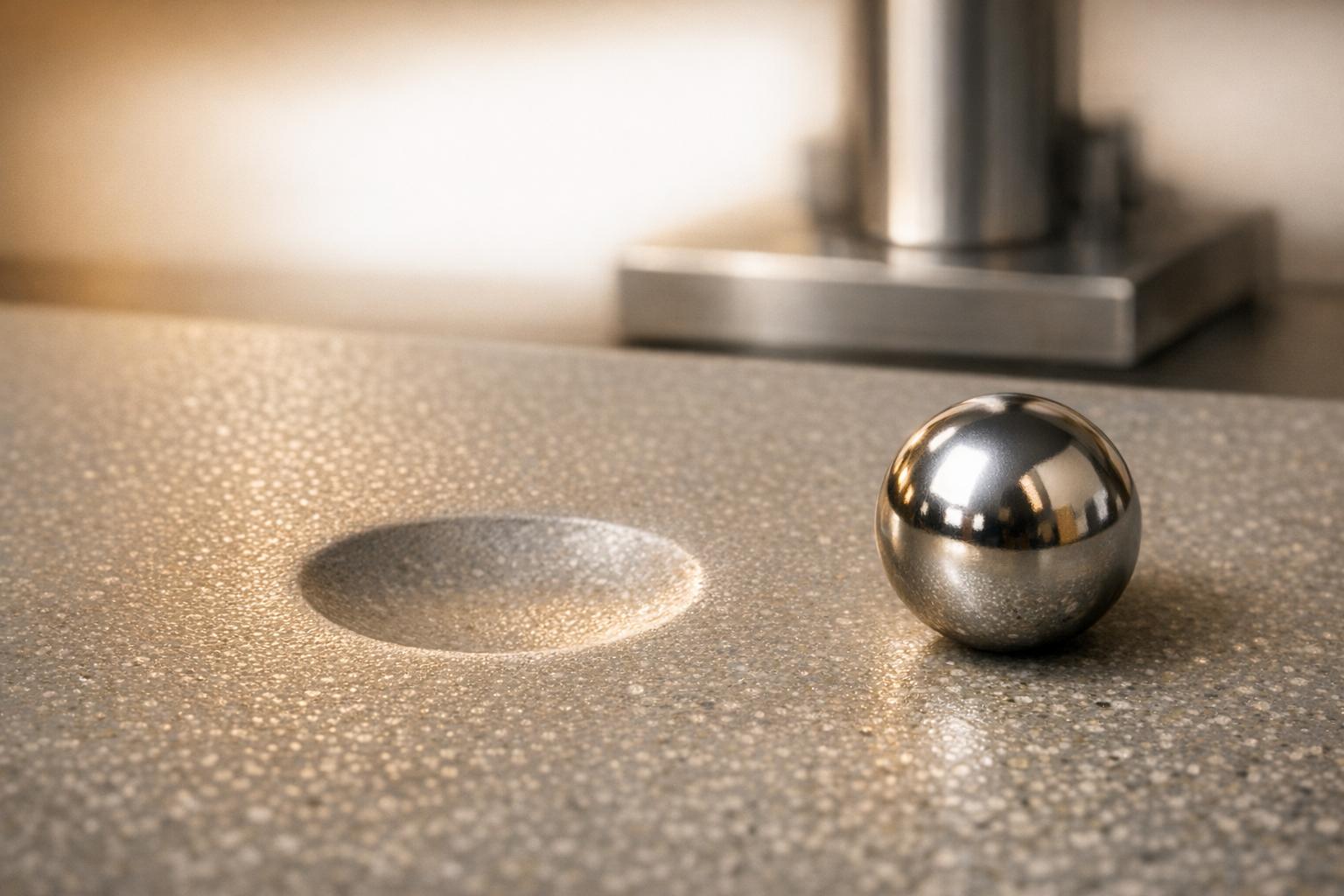
Overview of ASTM D2794 impact tests and why polyurea floor coatings outperform epoxy in flexibility, heat tolerance and UV stability for high-traffic floors.
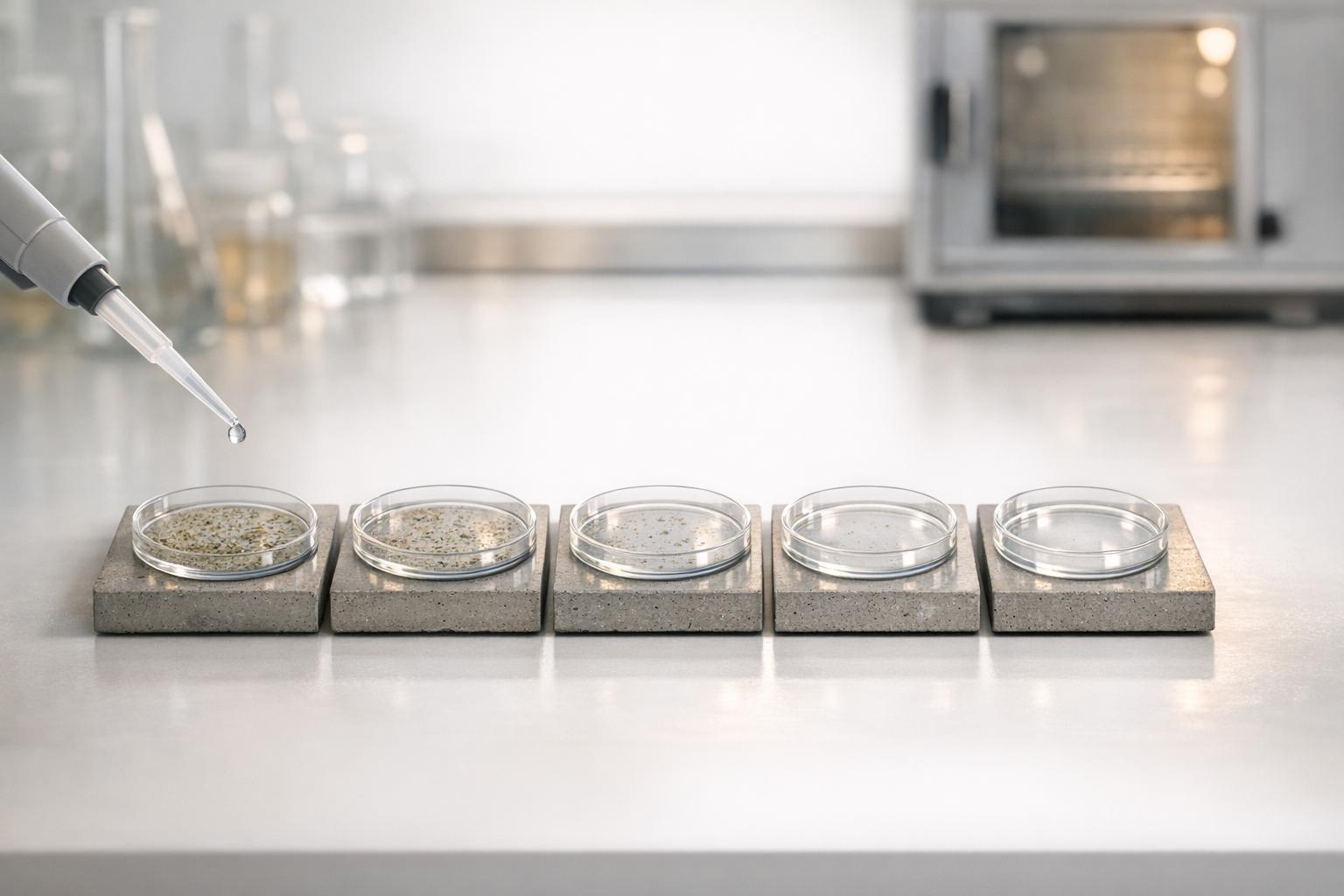
Overview of standards and a five-step lab process for testing antimicrobial concrete coatings, covering EPA MB-40, ASTM/ISO methods, durability, and log reductions.
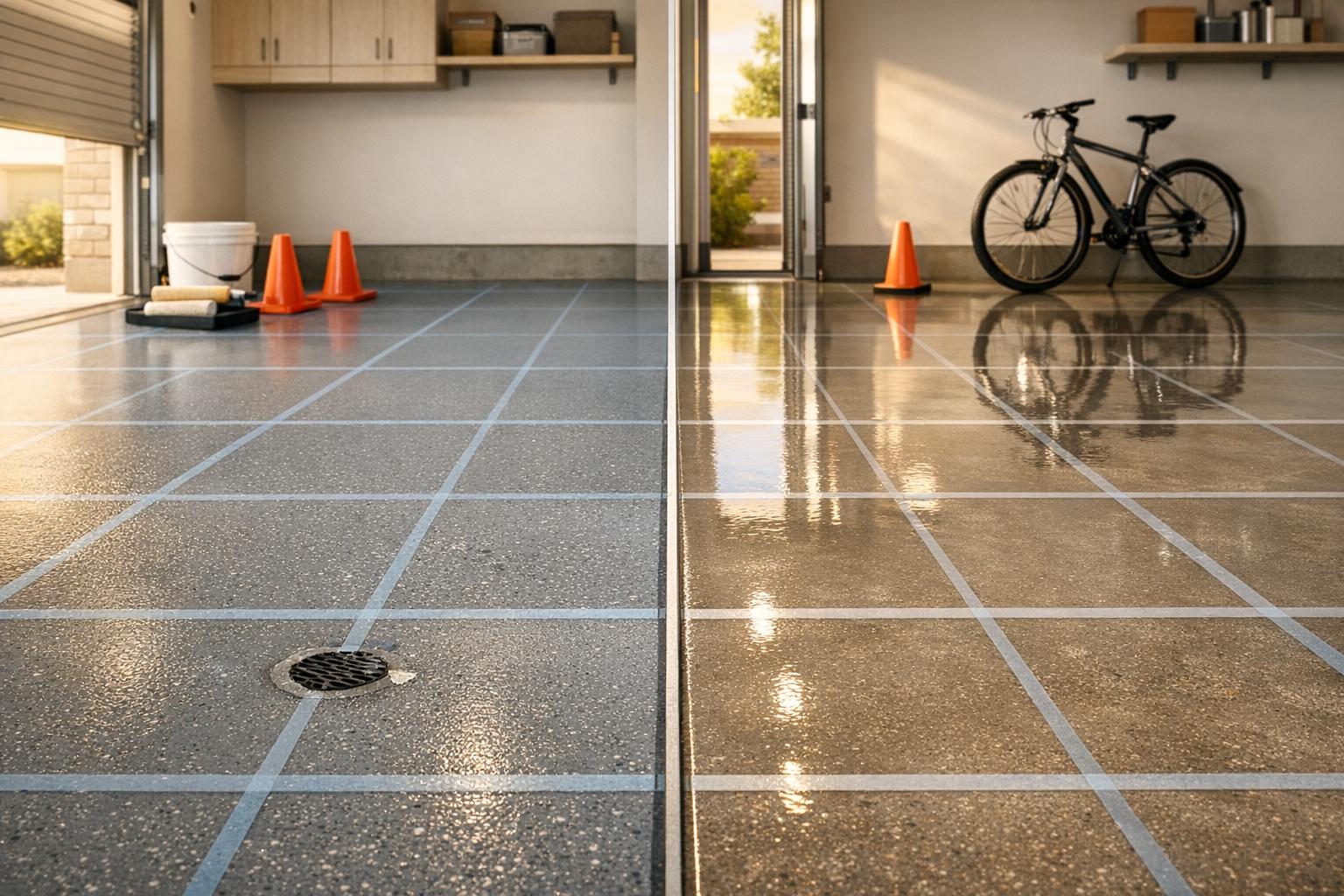
Compare epoxy vs polyurea floor coatings by upfront cost, lifespan, curing time, and 20-year total cost to evaluate long-term savings.
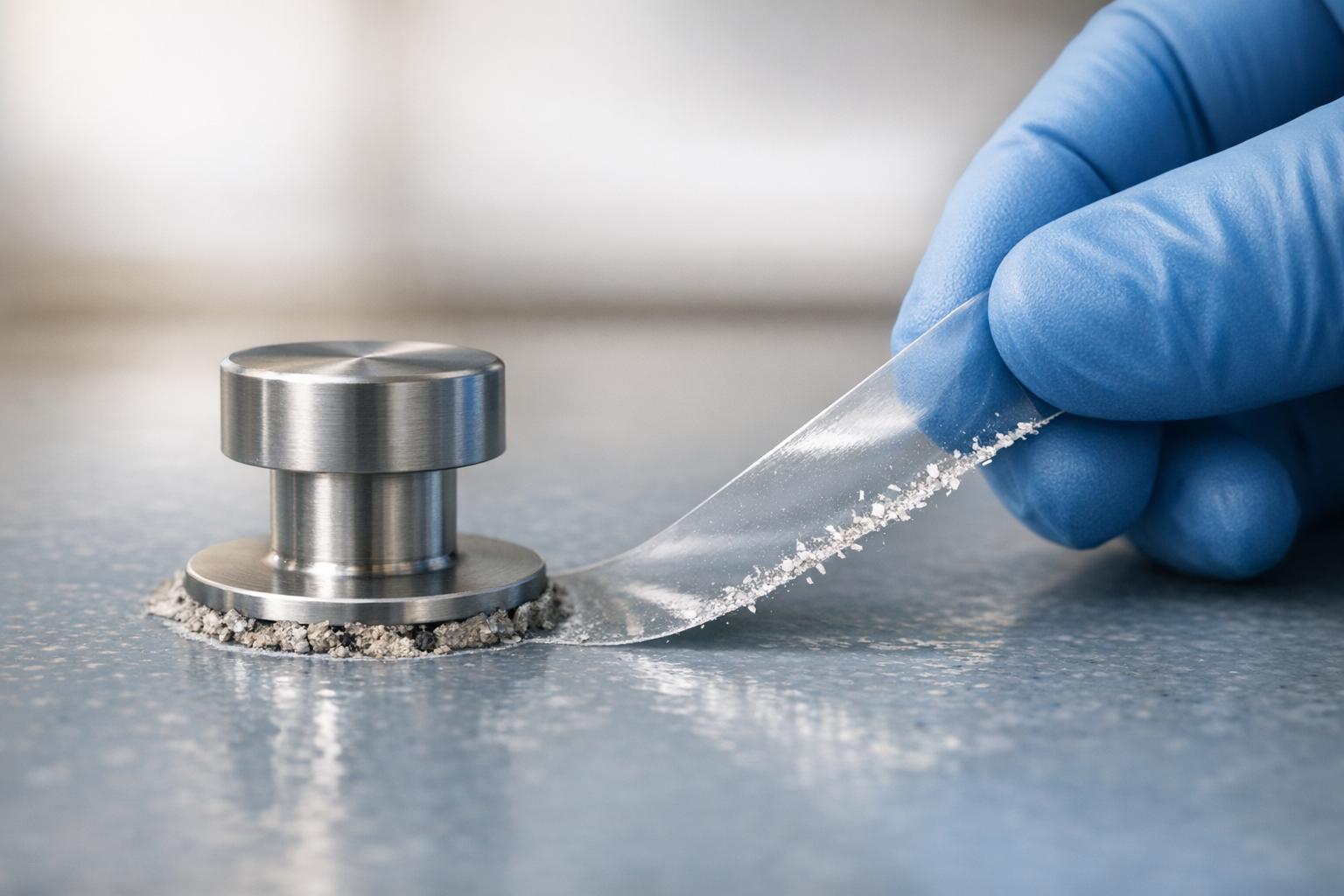
Adhesion testing (pull-off and tape) reveals whether concrete coatings will hold up under traffic, chemicals, and harsh weather — methods, pros, and best practices.
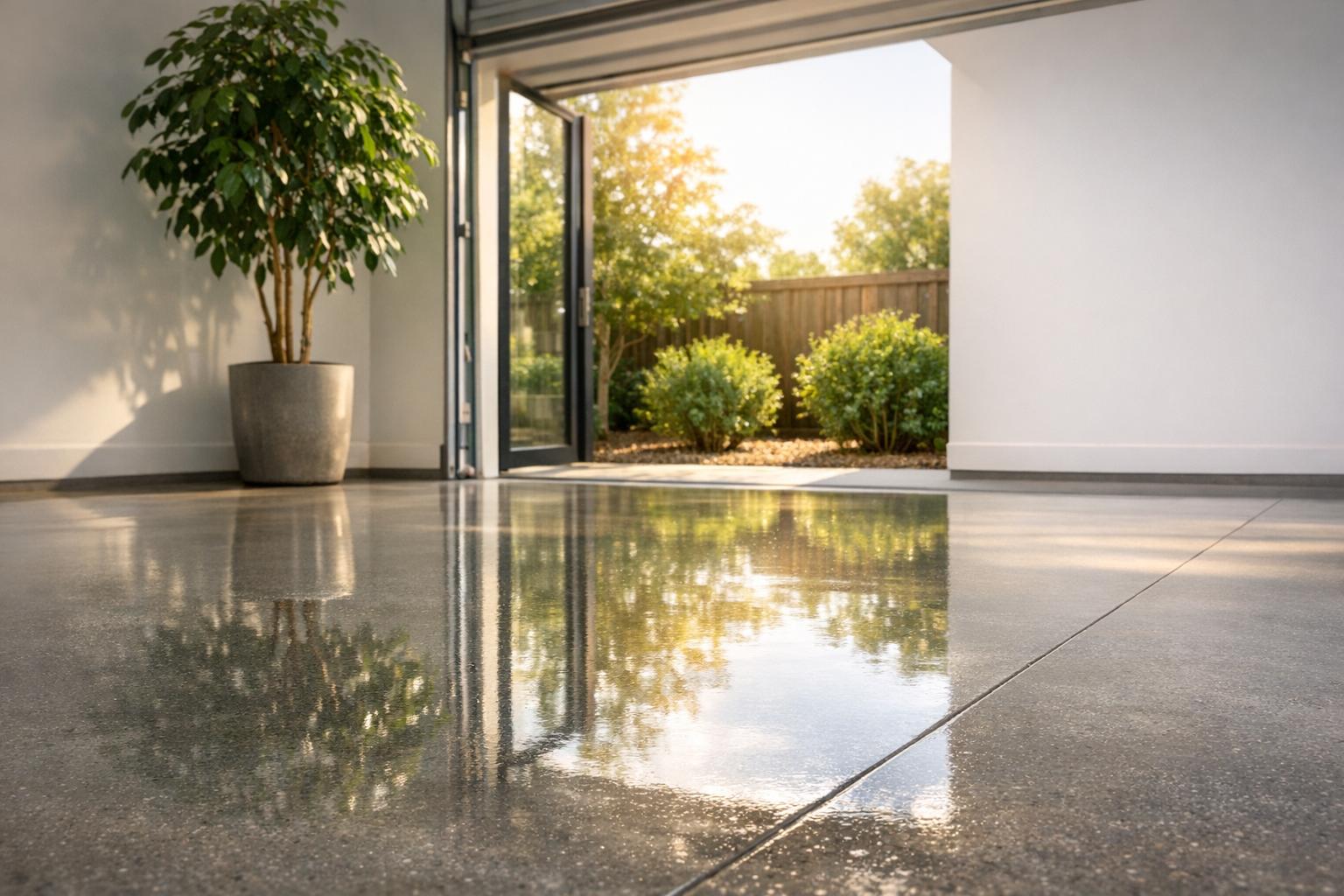
Polyurea is the greener, longer-lasting concrete floor coating—near-zero VOCs, fast curing, superior durability, and less waste than epoxy or polyurethane.

The Next Evolution In Concrete Coatings
Professionally installed concrete coatings in just one day with a Lifetime Warranty!
Exclusive certified installer for Penntek coatings in North Idaho, Eastern Washington.
1333 Tapteal Drive #116
Richland WA 99352