
Antimicrobial Testing for Concrete Coatings: Process Explained
Overview of standards and a five-step lab process for testing antimicrobial concrete coatings, covering EPA MB-40, ASTM/ISO methods, durability, and log reductions.

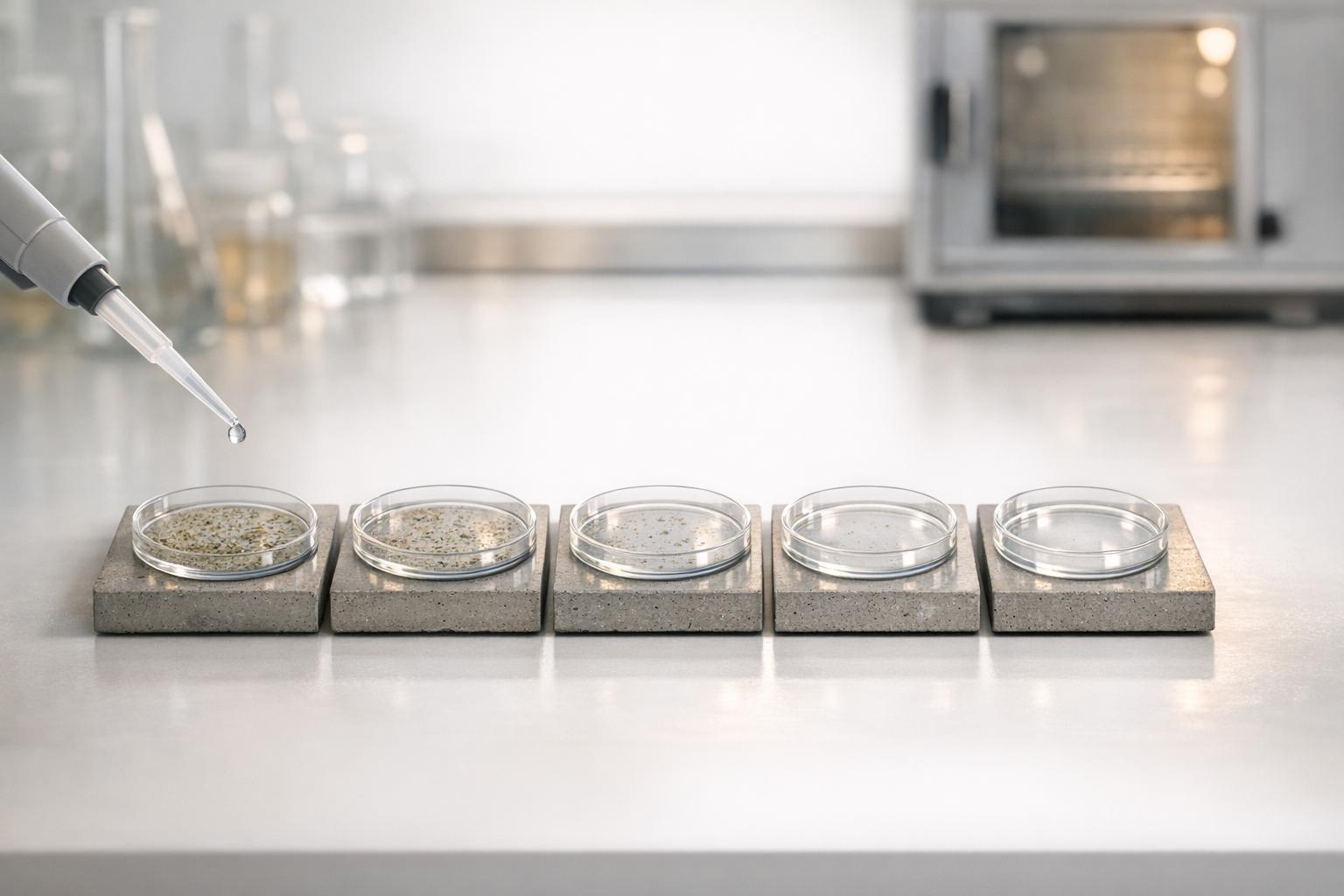
Overview of standards and a five-step lab process for testing antimicrobial concrete coatings, covering EPA MB-40, ASTM/ISO methods, durability, and log reductions.
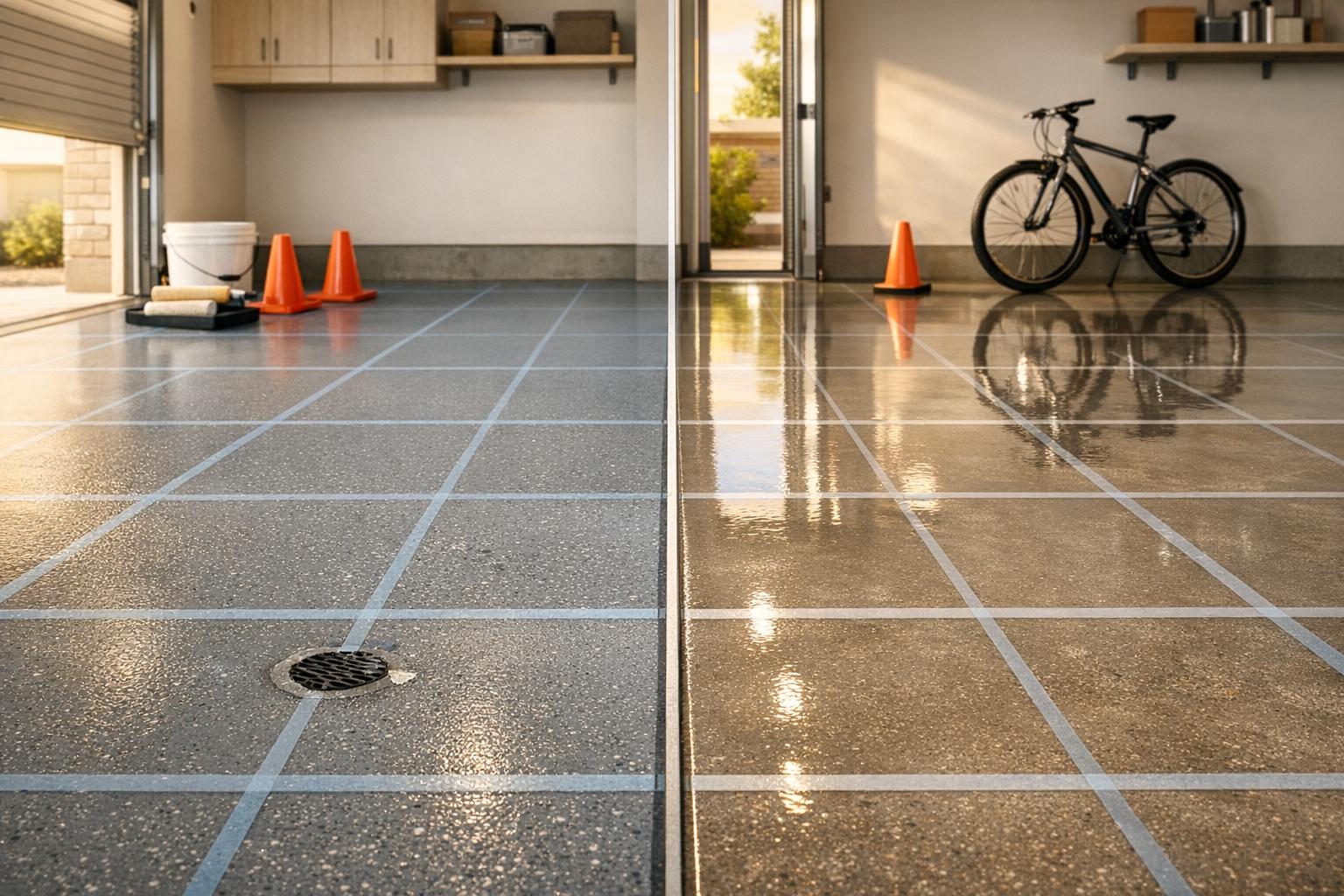
Compare epoxy vs polyurea floor coatings by upfront cost, lifespan, curing time, and 20-year total cost to evaluate long-term savings.
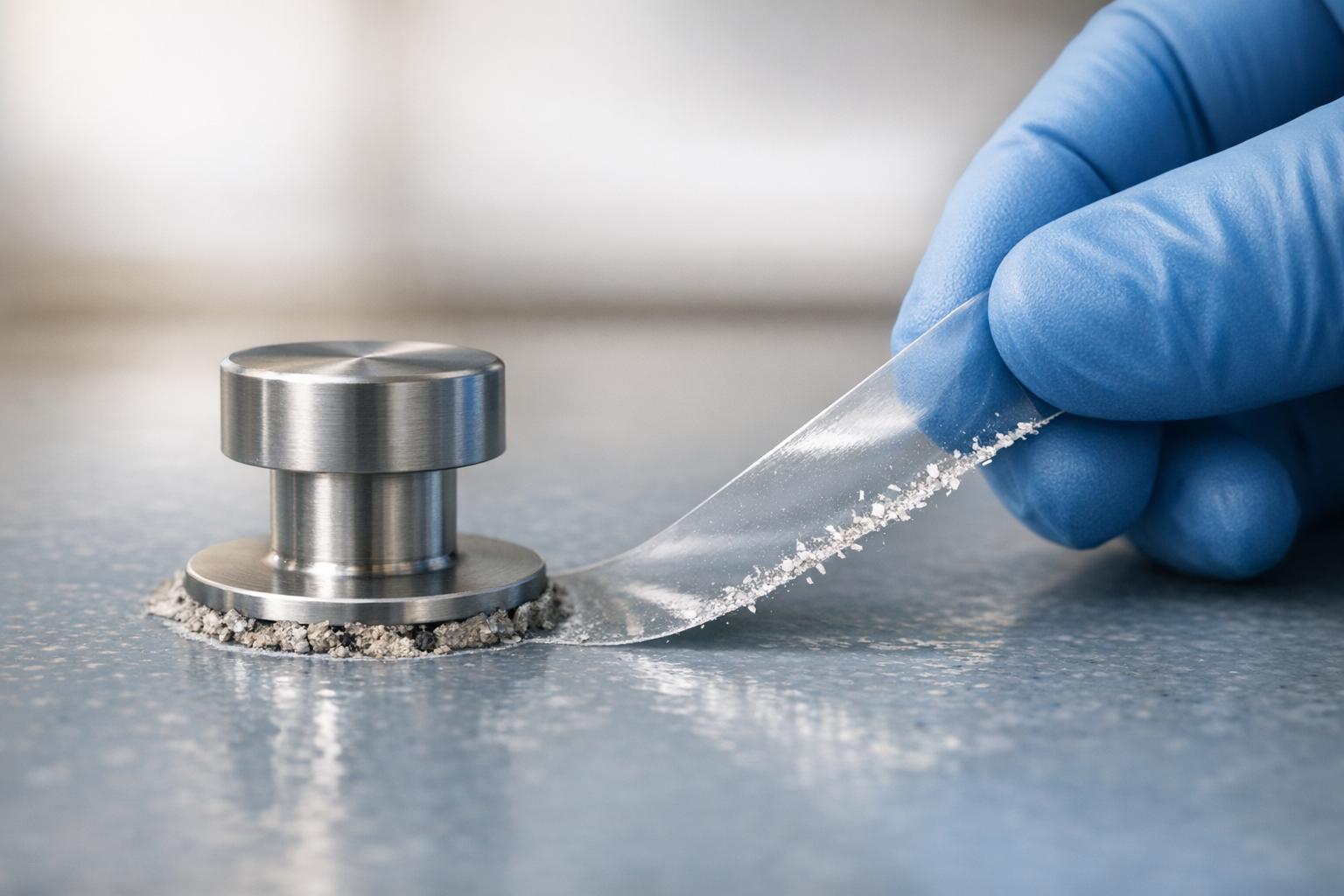
Adhesion testing (pull-off and tape) reveals whether concrete coatings will hold up under traffic, chemicals, and harsh weather — methods, pros, and best practices.
Polyurea is the greener, longer-lasting concrete floor coating—near-zero VOCs, fast curing, superior durability, and less waste than epoxy or polyurethane.
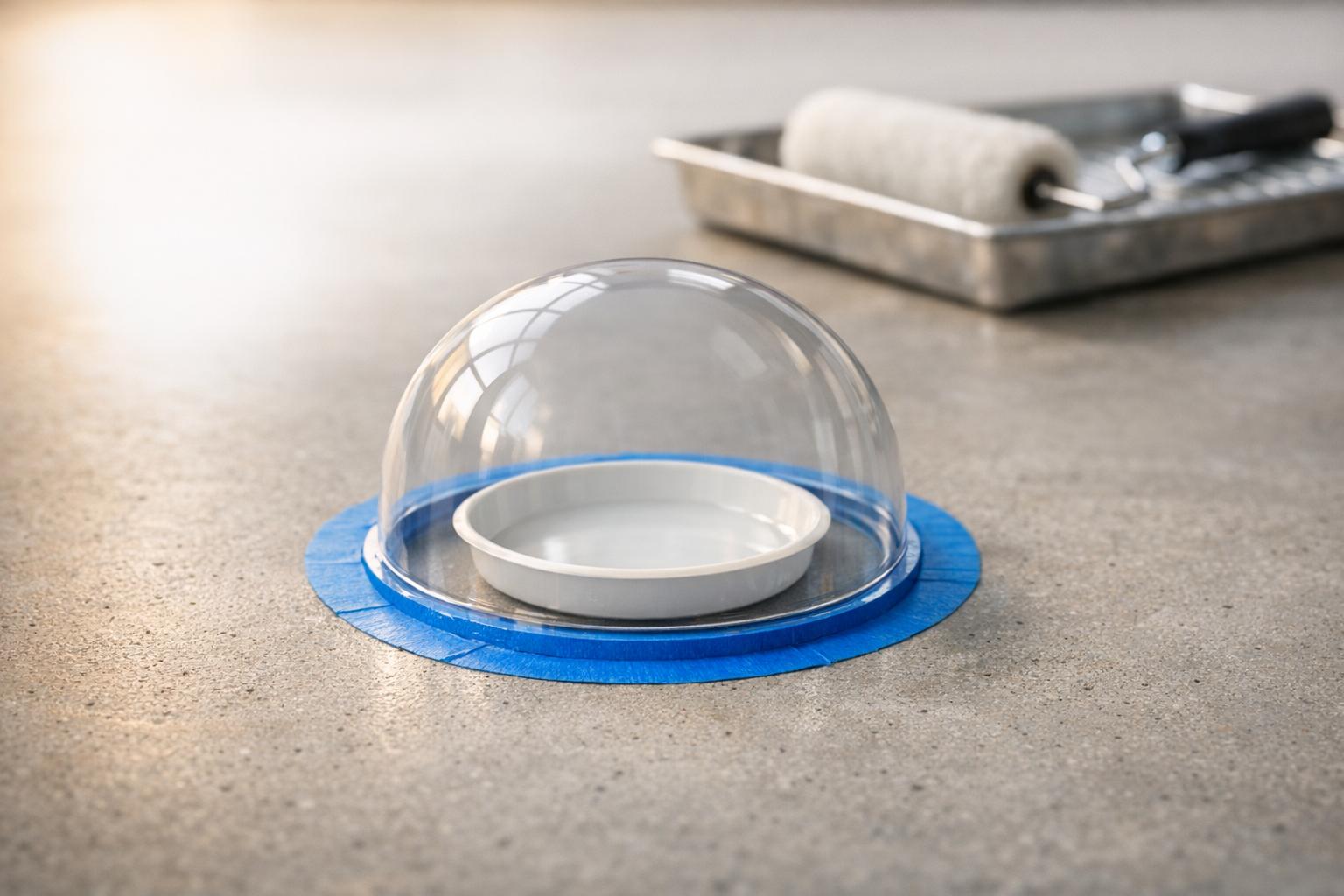
Understand slab moisture, ASTM tests (RH, calcium chloride), surface prep, and vapor barriers to prevent peeling, blistering, and coating failures.
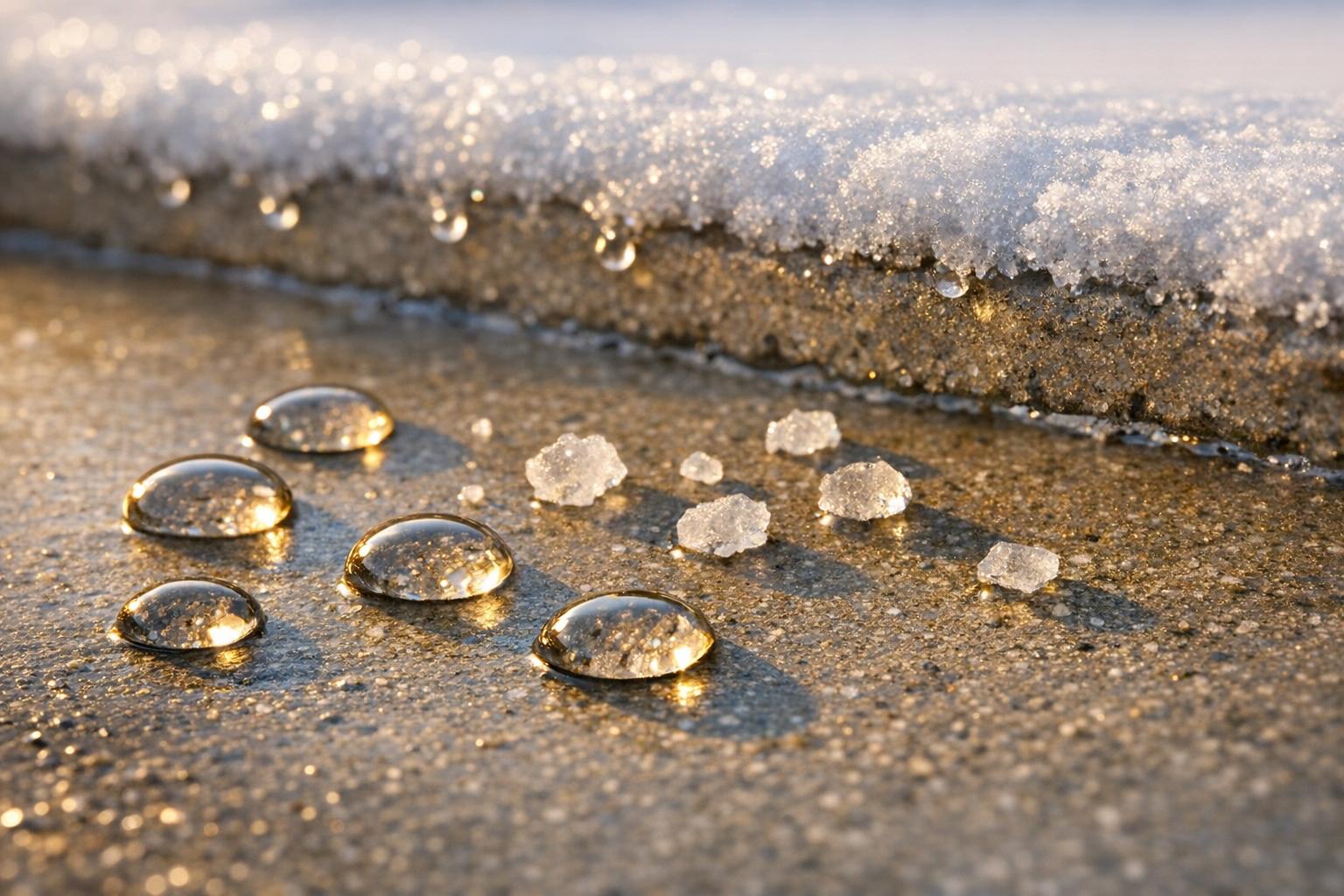
Penetrating concrete sealers repel water and de-icing salts, reducing freeze-thaw damage, extending driveway lifespan, and making winter maintenance easier.
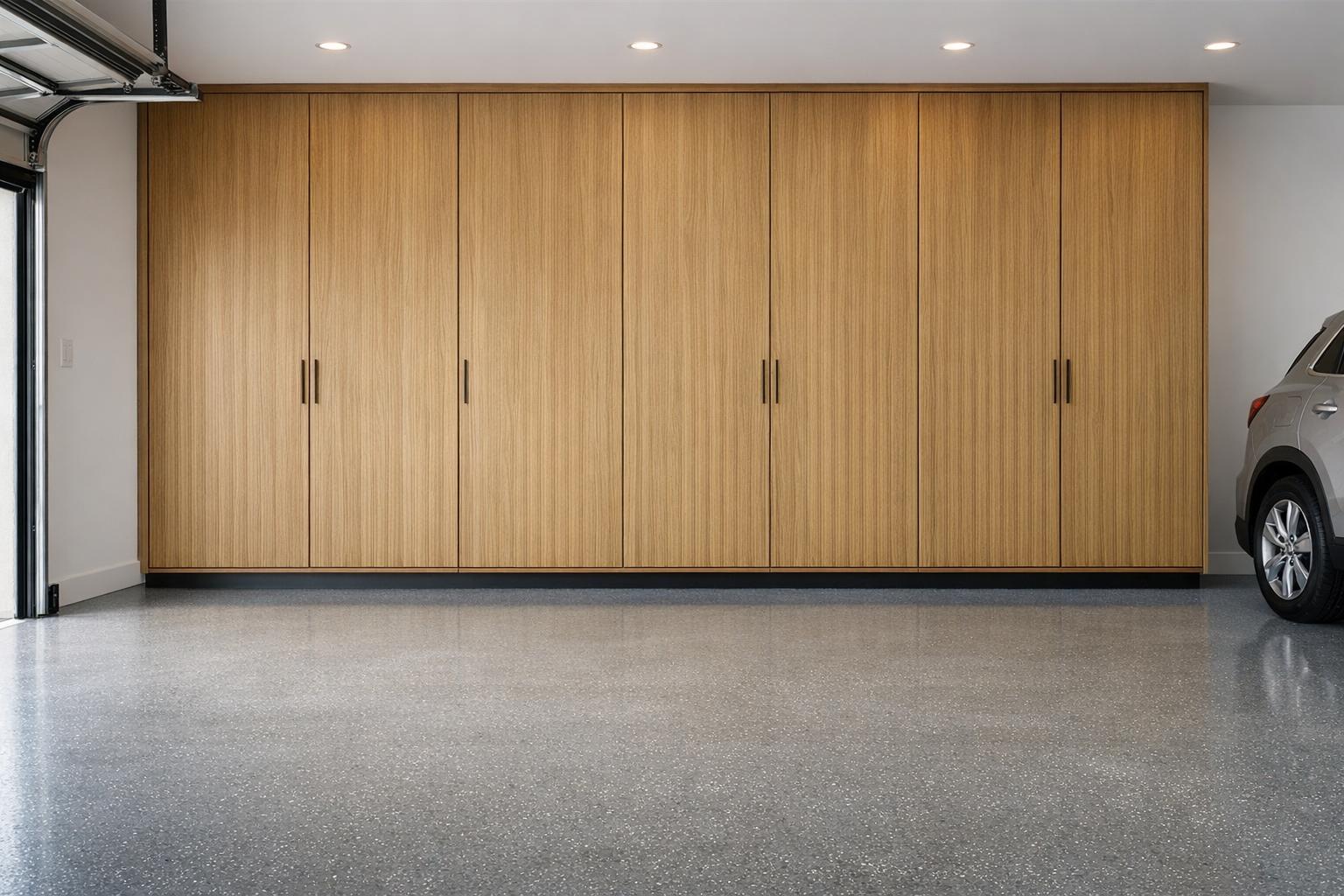
A cluttered garage lowers resale value; custom garage cabinets with quality flooring convert wasted space into secure, high-value square footage.

Industrial-grade coating prevents freeze-thaw cracking, UV fading, grout erosion, and slips on stone-look concrete patios in cold, wet climates.
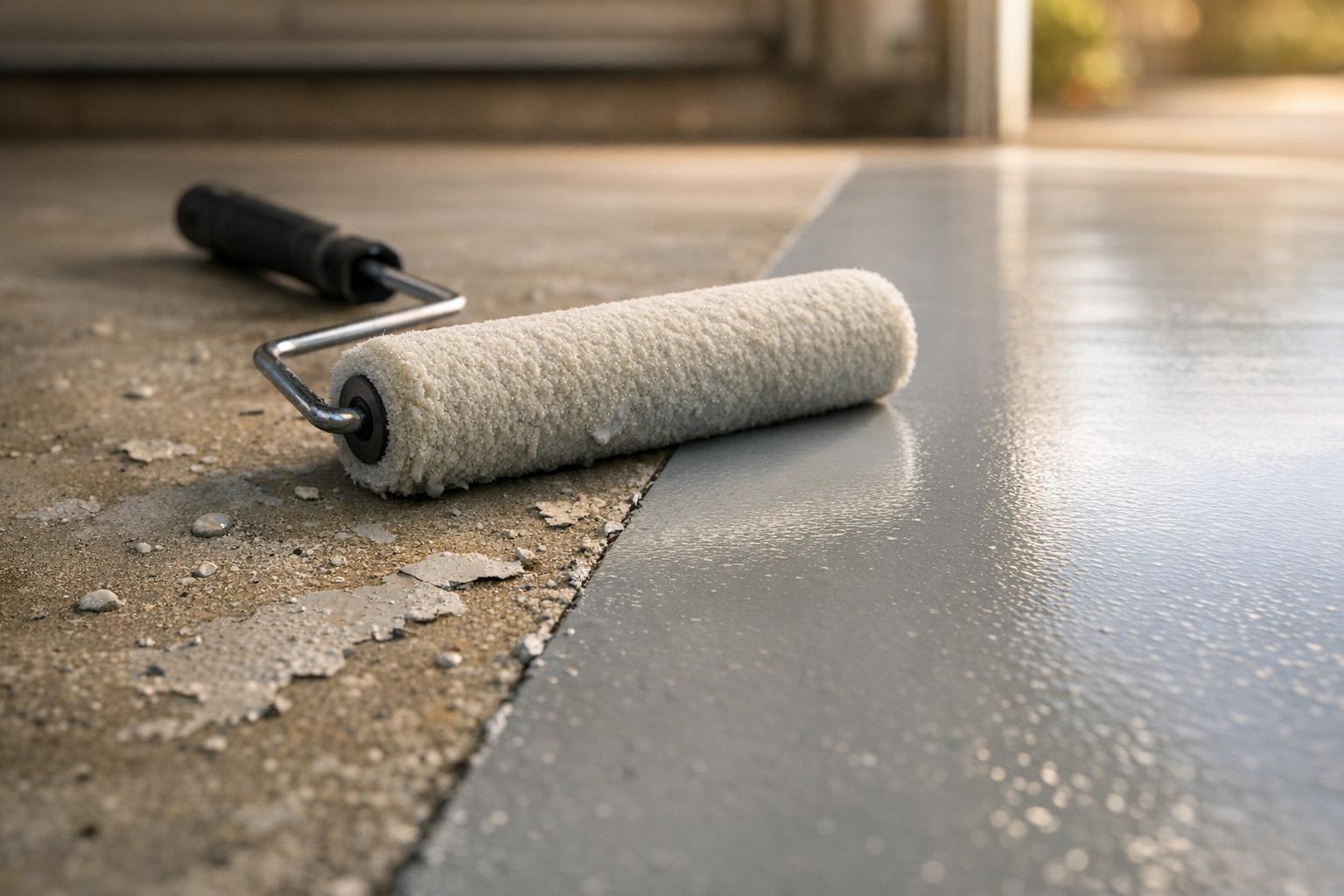
Prevent peeling, bubbling, and coating failure by mastering surface prep, moisture testing, correct mixing, ideal weather, proper coverage, and full curing.
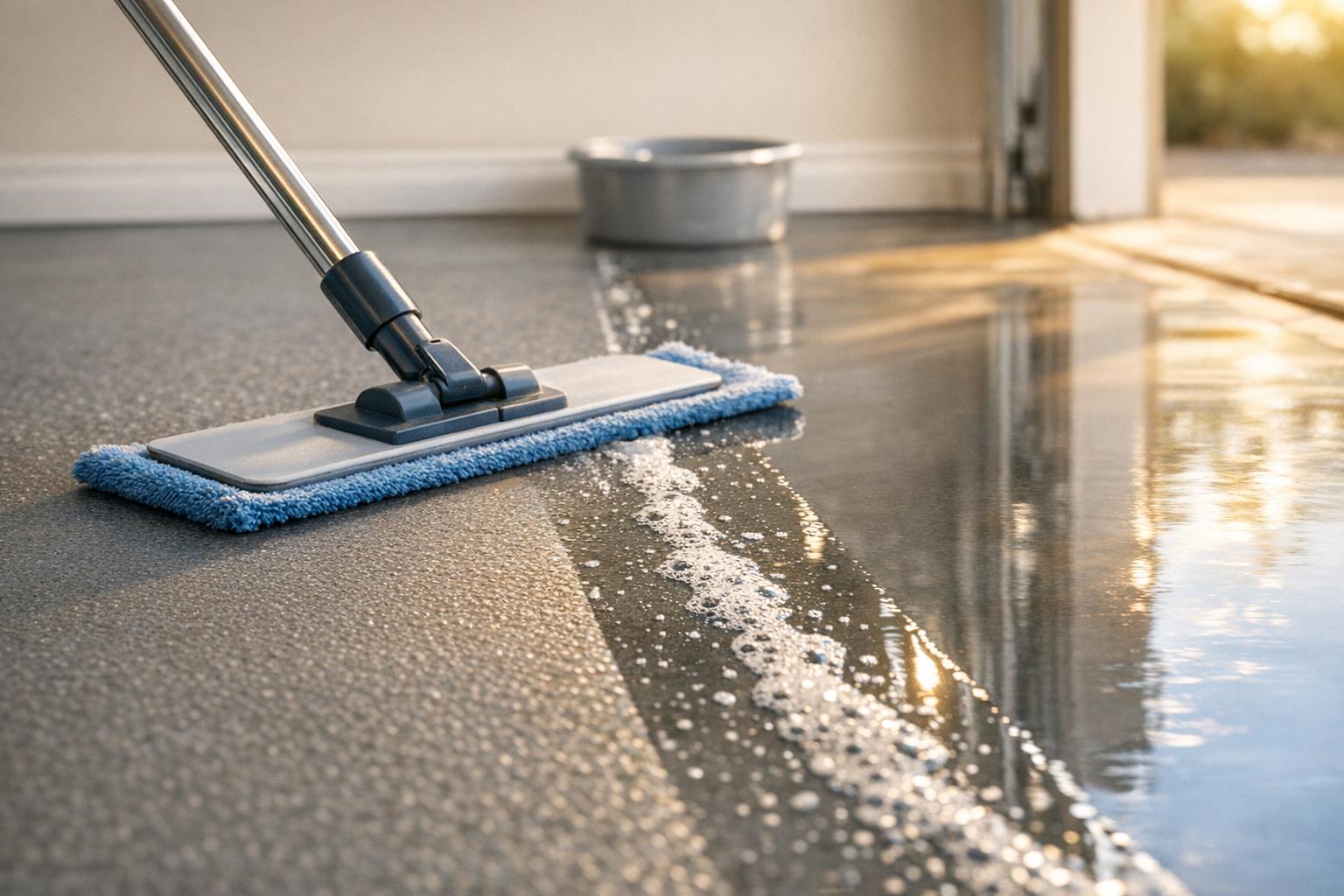
Compare polyurea and epoxy floor coatings—cleaning steps, maintenance needs, costs, UV resistance, and lifespan to choose the low‑maintenance option.

The Next Evolution In Concrete Coatings
Professionally installed concrete coatings in just one day with a Lifetime Warranty!
Exclusive certified installer for Penntek coatings in North Idaho, Eastern Washington.
1333 Tapteal Drive #116
Richland WA 99352