Pool Calculator for Volume, Fill Levels, and Treatment
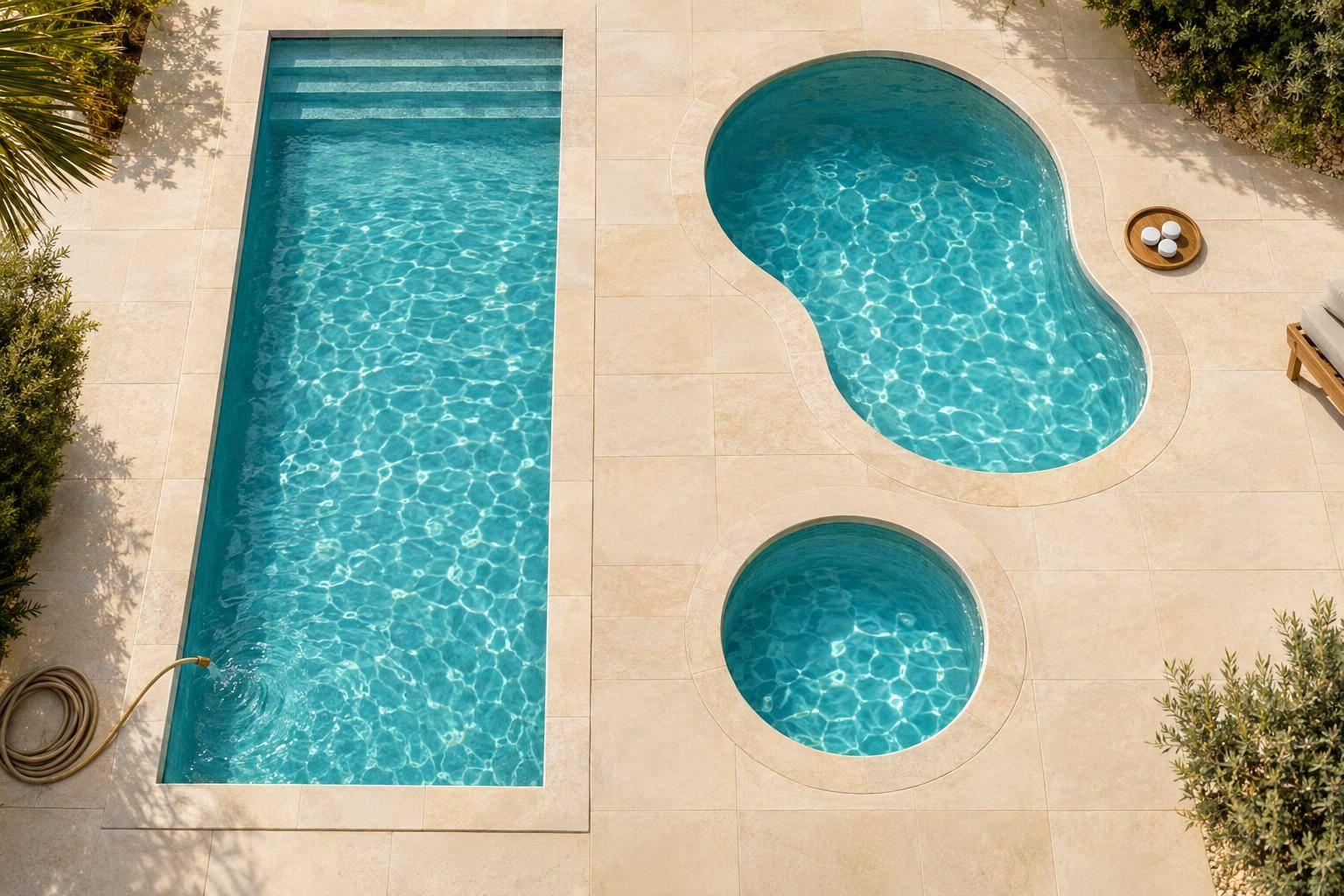
A reliable Pool Calculator takes the guesswork out of pool care. If you’re trying to estimate total water capacity, figure out how much water to add, or plan a basic chlorine dose, having the right numbers up front saves time and helps avoid waste. This tool works with common pool shapes like rectangular, circular, oval, kidney, and custom average-depth designs, so it fits most backyard setups.
Get Clear Volume and Surface Area Estimates
By entering a few simple dimensions, you can quickly calculate pool surface area, average depth, and total water volume in both gallons and liters. That makes it easier to compare equipment specs, plan refills, and understand how much water your pool actually holds.
Useful for Refills and Chemical Planning
If your pool isn’t full, this pool volume calculator can also estimate the water needed to reach a target fill level. You can even add a dosage rate to get a treatment estimate based on your pool size or refill amount. For homeowners, service techs, and anyone handling routine maintenance, a dependable pool water calculator is one of those simple tools that pays off every time you use it.
FAQs
How does the calculator estimate volume for different pool shapes?
The tool uses a standard formula for each common shape. Rectangular pools are calculated with length × width × average depth. Circular pools use the area of a circle, oval pools use the area of an ellipse, and kidney-shaped pools are estimated with a commonly used approximation based on overall length and width. For pools with a shallow and deep end, the calculator uses average depth so the final estimate better reflects the actual water capacity.
What if I only want to know how much water to add, not the full pool volume?
You can do that by entering the current fill percentage and your target fill percentage. The calculator first finds the full pool volume, then works out the difference between those two fill levels to estimate how much water is needed. That’s especially helpful if you’re topping off after evaporation, splash-out, or partial draining.
How accurate is the treatment estimate?
The treatment result is a practical estimate based on the dosage rate you enter, such as ounces per 10,000 gallons or milliliters per 1,000 liters. It’s useful for quick planning, but it should still be checked against the product label and your latest water test results. Things like current chlorine level, sunlight, water temperature, and stabilizer level can all affect the real amount needed.